Plizio Visual Lab

Big Hole
Plizio editorial teamData Sources
Historical site
—°10
Big Hole (South Africa)

Weather…

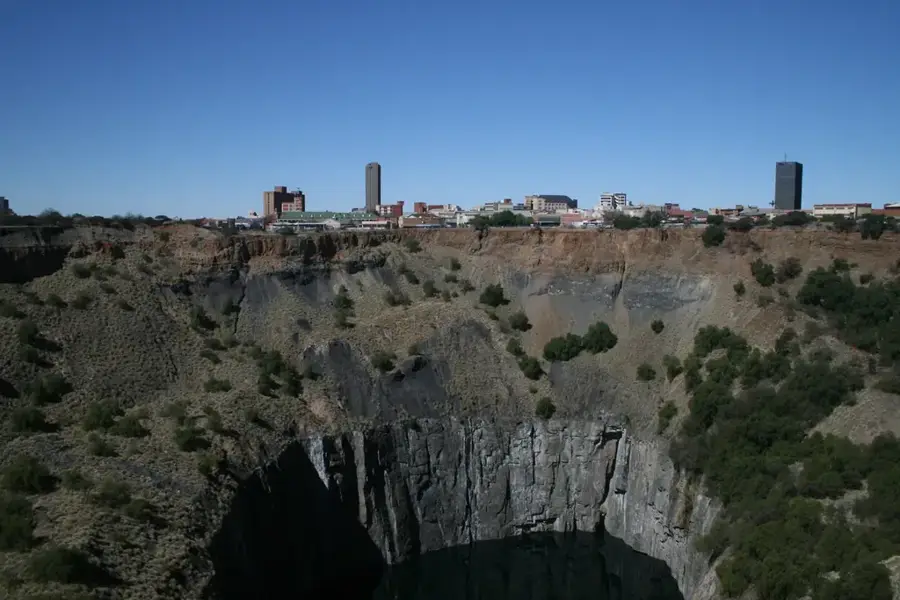
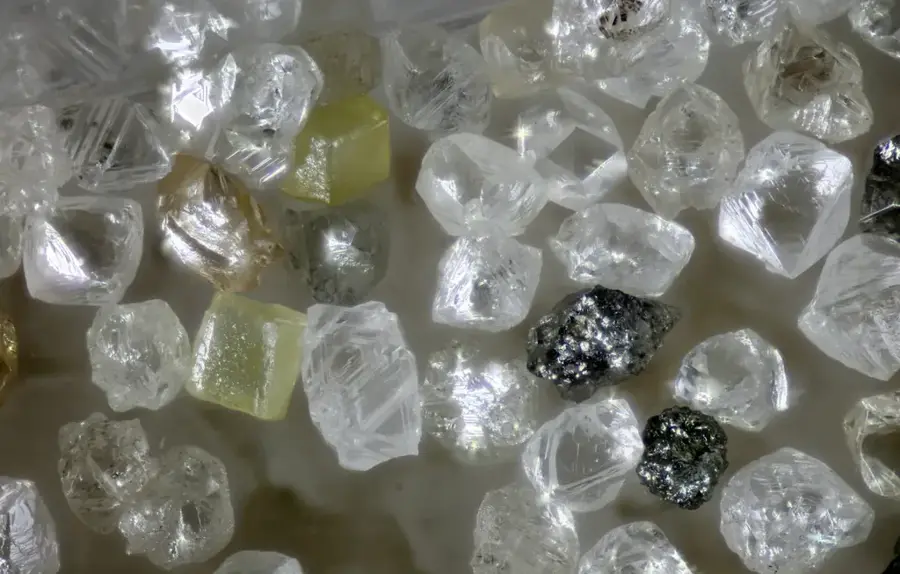
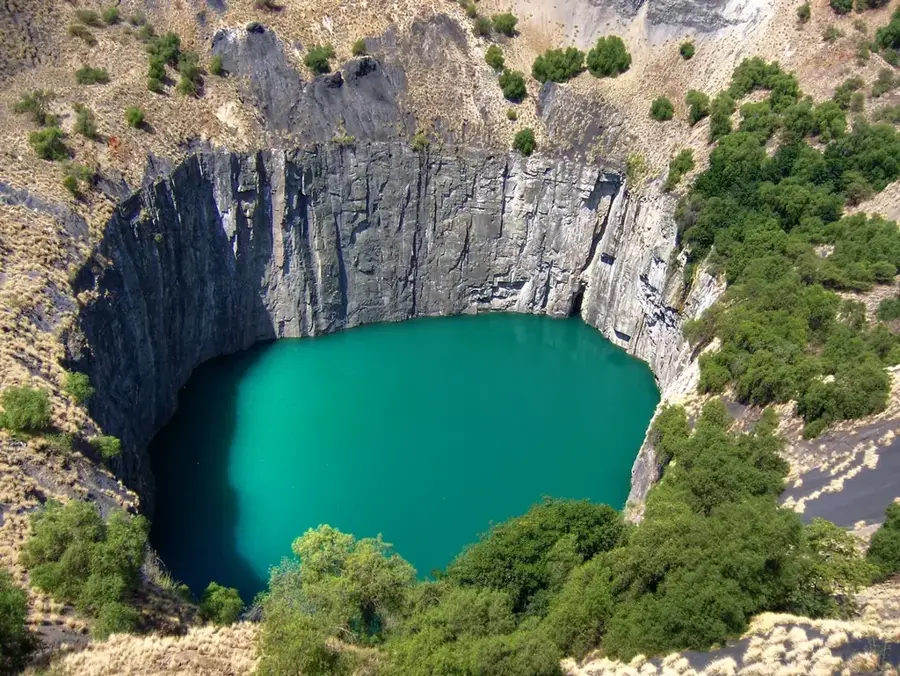
The Kimberley Mine, famously known as the 'Big Hole,' is the definitive symbol of the South African diamond rush of the late 19th century. Starting in 1871, thousands of miners excavated the earth using only picks and shovels, eventually creating what is widely considered the largest hand-dug hole in the world. The mine remained operational until 1914, during which time it yielded approximately 2,722 kilograms of diamonds, including world-renowned stones like the 'Tiffany.' The Big Hole covers a surface area of 17 hectares and reached an original depth of 215 meters, though it is now partially filled with water. The mine's immense success led to the formation of De Beers Consolidated Mines by Cecil Rhodes in 1888, a company that came to dominate the global diamond trade for over a century. Today, the site is a major open-air museum featuring a preserved historical village that recreates the life and atmosphere of the diamond-rush era. Visitors can stand on a high-tech viewing platform over the crater and explore underground mining simulations. The Big Hole is a testament to human perseverance and the dramatic economic shifts that shaped modern South Africa.

Best time to visit & climate

The most pleasant time to visit is Sep–Nov.

JanFebMarAprMayJunJulAugSepOctNovDec
Avg °C262523181410101317212326
Rain mm7468583814113711274165

📋 Practical info

🚪
Visiting
The Big Hole in Kimberley is a former open-pit diamond mine now serving as a museum and lookout. Visitors can enter the grounds, explore the visitor center, and look down into the crater from the viewing platform.
🕒
Typical hours
The Big Hole is typically open daily, usually from 8:00 AM to 5:00 PM, with possible changes on holidays. It is advisable to check the official website for exact hours as they may vary seasonally.
📷
Photography
Photography is allowed throughout the museum and on the viewing platform. Drones are prohibited without permission; tripod photography is usually allowed but with caution in crowded areas.
⏱️
Time needed
A visit usually takes two to three hours to explore the museum, diamond exhibition, and viewing platform. Guided tours can take additional time.
Combine with
In Kimberley, also visit the Kimberley Mine Museum and McGregor Art Gallery. The Wildebeest Kuil Rock Art Centre is another recommended addition for a cultural day.
🧭
Getting there
The Big Hole is located in downtown Kimberley, near the main square. It is easy to reach by car or on foot, with ample parking on site.
💡
Insider tip
Book tickets online to avoid queues at the counter. Early morning or late afternoon have fewer visitors, giving you a better view of the crater.

Geography

Coordinates
-28.73920, 24.75580

Facts

  • Operating years of the Kimberley Mine: 1871 to 1914.
  • Total weight of diamonds extracted: 14.5 million carats.
  • Estimated amount of earth removed by hand: 22.5 million tons.
  • The current depth from the rim to the water level is 175 meters.
  • The underground mine eventually reached a depth of 1,097 meters.
  • The site was declared a National Heritage Site in 2004.

Explore nearby

Notable places around
Route planner — Car & Motorhome

Where do you start? We build the route here, with stops and country notes along the way.

Vehicle
Only stops with (optional):

© OpenStreetMap contributors · OpenRouteService

Sights in the town Big Hole (10)

Carter's Ridge Monument🏺 historical

This stone monument on a rocky ridge commemorates the soldiers who fought during the Siege of Kimberley.

Miners Memorial📍 landmark

A poignant urban attraction dedicated to the thousands of pioneering diggers who excavated the local diamond fields.

Dunluce House Museum🏛 museum

This late Victorian house museum preserves authentic late 19th-century furnishings and the elegant architecture of the diamond rush era.

🕒 Mo-Fr 09:00-16:00 Only by appointment with guide from the Mc

Kimberley Mine🌿 nature

A dramatic viewpoint at the edge of the world's deepest hand-dug excavation, revealing the massive scale of historical diamond mining.

Sol Plaatje Museum and Library🏛 museum

Located in his former residence, this museum and library honors the intellectual legacy of South African writer and activist Sol Plaatje.

🕒 Mo-Fr 09:00-13:00

Alexandersfontein Game Farm🌿 nature

A rural nature reserve where visitors can observe native game species grazing across the expansive semi-arid plains.

Duggan-Cronin Gallery🏛 museum

This heritage gallery displays thousands of historic photographs documenting the traditional cultures and dress of Southern Africa's indigenous peoples.

🕒 Mo-Fr 09:00-16:00

Northern Cape Theatre🎭 culture

This prominent performing arts venue features a large modern stage designed for grand theatrical productions and community concerts.

Big Hole📍 landmark

Initially a flat hill, this colossal open-pit mine was entirely excavated by hand with picks and shovels during the diamond rush.

Honoured Dead Memorial📍 landmark

Located in Kimberley, this memorial commemorates those who died during the town's siege in the Second Boer War.

Sights nearby

Frequently asked questions

What is special about the Big Hole?
It is one of the largest hand-dug holes in the world and a symbol of the diamond rush.
Can you descend to the bottom of the hole?
No, access is limited to the viewing platforms for safety reasons.
Is there a museum for it?
Yes, the attached museum is very comprehensive and absolutely worth seeing.
How long does a visit take?
Plan about 2 to 3 hours to see everything at leisure.
Are there parking facilities there?
Yes, there is sufficient guarded parking right at the entrance.
Big Hole: where is it located?
Big Hole is located in South Africa.
Big Hole: what is there to see?
Highlights include Carter's Ridge Monument, Miners Memorial, Dunluce House Museum.
Big Hole: when is the best time to visit?
The most pleasant time to visit is Sep, Nov.
Big Hole: why is it worth visiting?
The Kimberley Mine, famously known as the 'Big Hole,' is the definitive symbol of the South African diamond rush of the late 19th century.
View on map → The Top 50 Attractions → OpenStreetMap →
Africa
Explore with Plizio Discover more places in Africa
More places in South Africa →

Nearby cities

History & landmarks
Nature
More places