Plizio Visual Lab

Indian Ocean coast
Plizio editorial teamData Sources
Sea
—°
Indian Ocean coast (South Africa)

Weather…

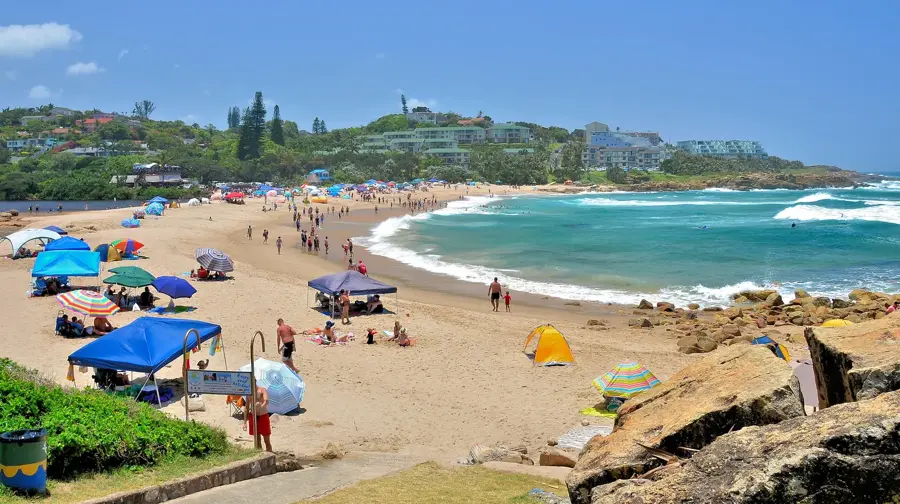
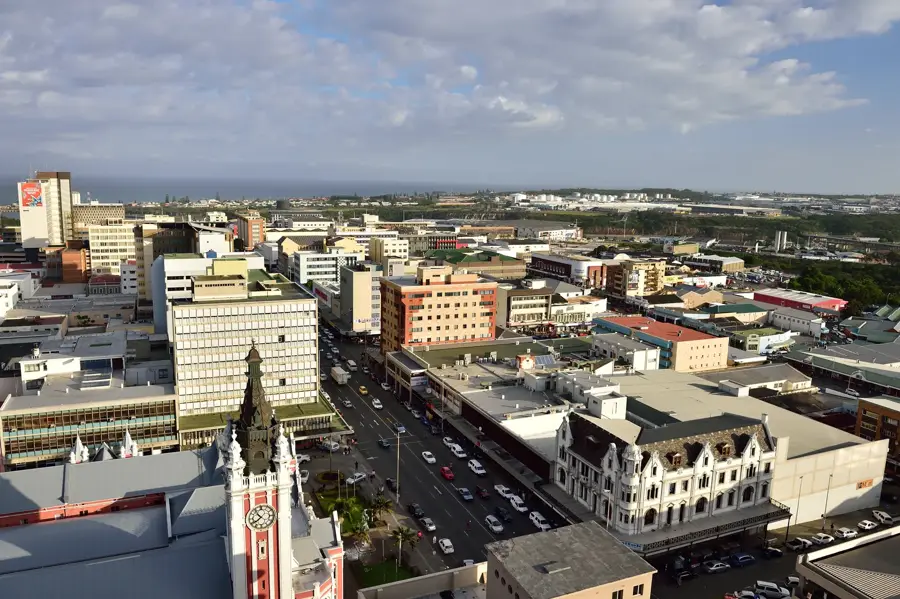
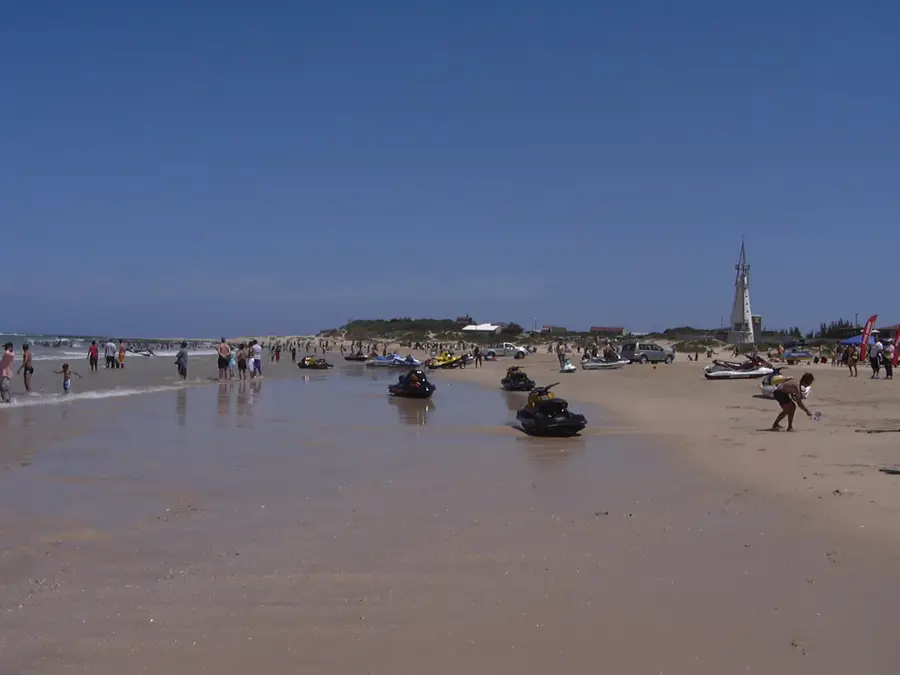
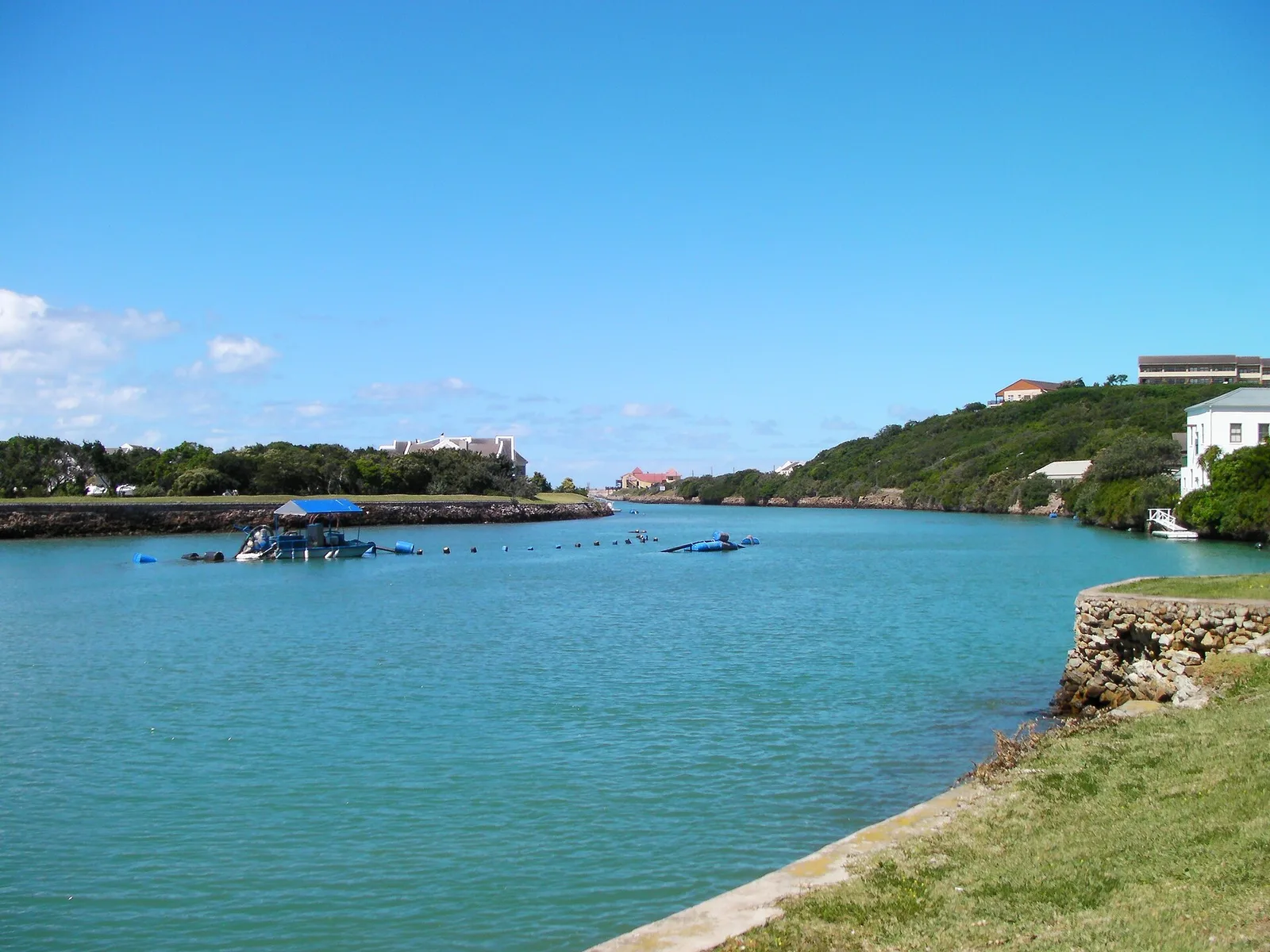
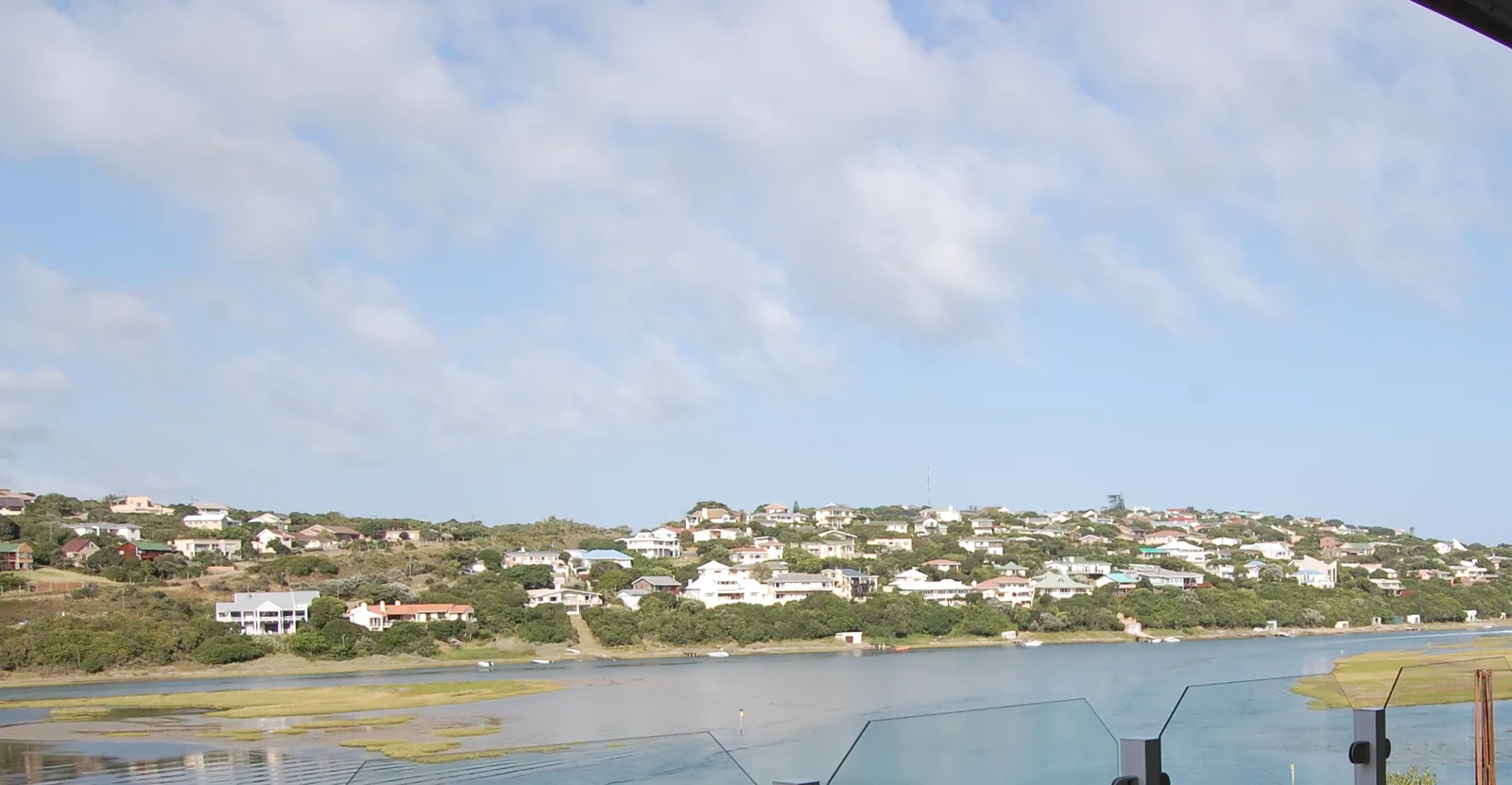
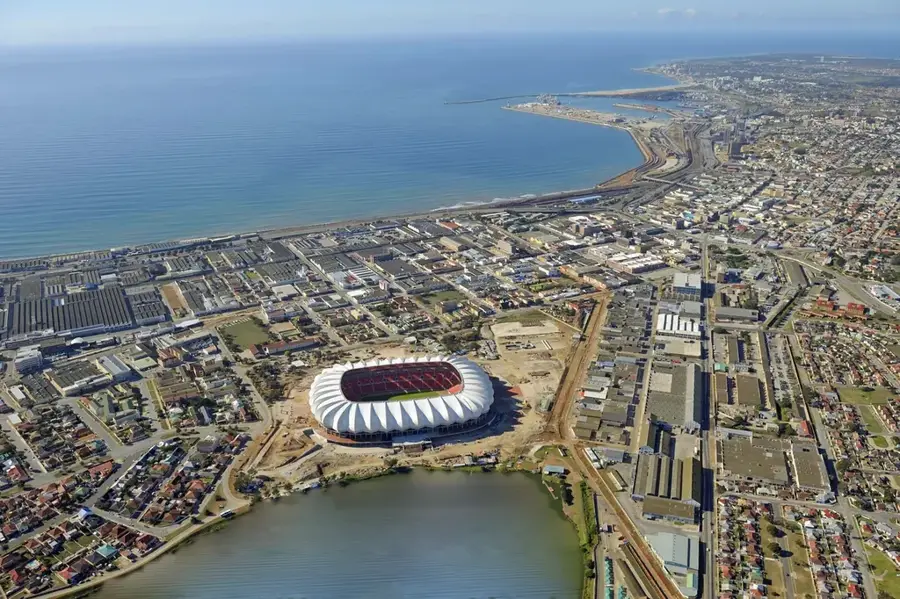
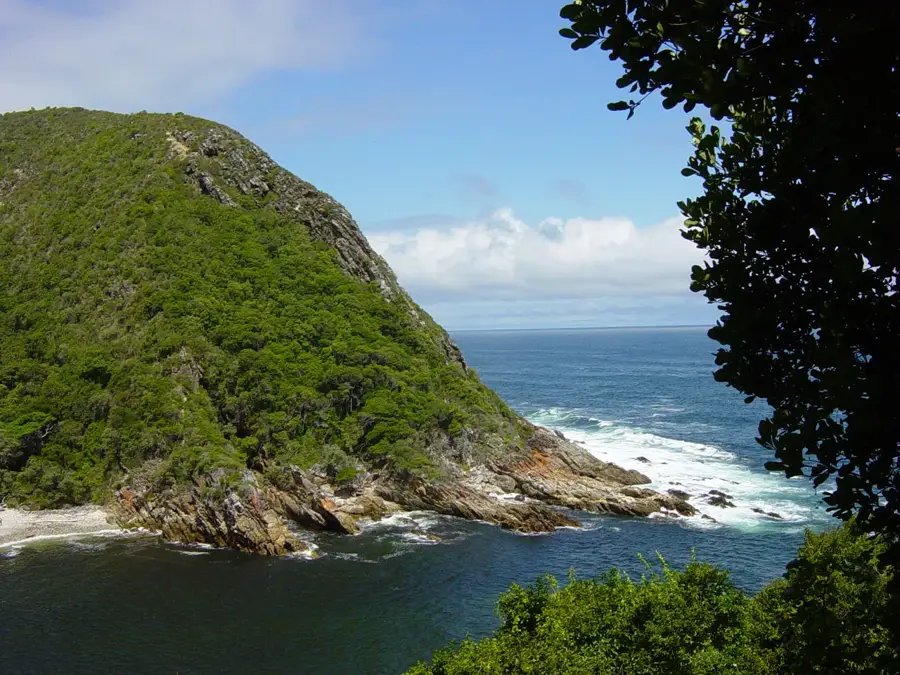
The Indian Ocean coast of South Africa stretches from Cape Agulhas to the border of Mozambique, covering over 2,000 kilometers of diverse shoreline. This coast is dominated by the warm Agulhas Current, which ensures a subtropical climate and supports a rich array of marine life, including tropical coral reefs in the north. Key regions include the verdant Garden Route, characterized by lakes and temperate forests, and the rugged Wild Coast, famous for its untamed beauty and Xhosa heritage. Durban serves as the major port city and a hub for tourism due to its 'Golden Mile' of beaches. A world-renowned phenomenon occurring here is the annual 'Sardine Run', a massive migration that triggers a feeding frenzy among sharks, dolphins, and gannets. The coastline also features critical marine protected areas and serves as a vital migratory corridor for southern right whales and humpback whales. Geologically, the coast ranges from the towering cliffs of the Eastern Cape to the expansive sandy bays of KwaZulu-Natal.

Best time to visit & climate

The most pleasant time to visit is Jun–Aug.

JanFebMarAprMayJunJulAugSepOctNovDec
Avg °C242524232221202020212123
Rain mm847793844131434668999885

📋 Practical info

🧭
Getting there
Reaching the coastal areas typically involves using national road networks that connect major coastal cities and smaller seaside towns. Many remote pristine beaches require a combination of driving and a short hike down to the shoreline from designated access points.
📅
Best season
The good time to explore the coastline is generally during the warmer, drier months when sea conditions are calmer and sunshine is abundant. However, checking specific regional climate patterns is essential as coastal weather can change rapidly with incoming ocean fronts.
⛰️
Terrain & paths
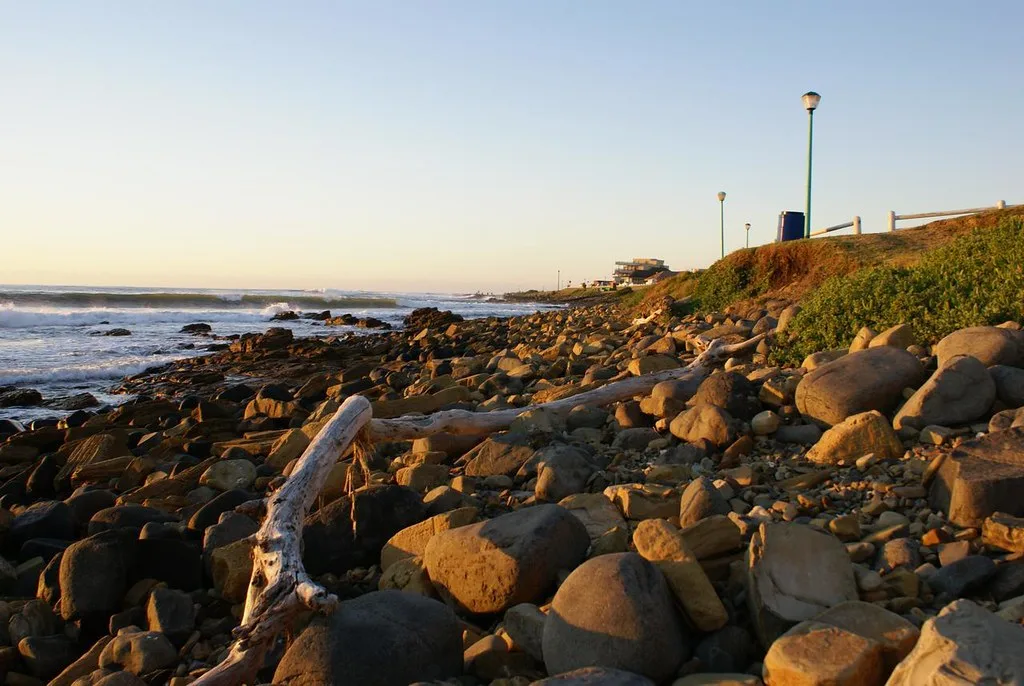
The coastal terrain is highly varied, ranging from long stretches of soft sandy beaches to rocky cliffs and hidden coves. Walking along the shoreline can involve navigating uneven rocks, loose sand, and tidal pools, so choosing appropriate footwear is quite important.
🎒
What to bring
Visitors should definitely pack high-factor sunscreen, wide-brimmed hats, polarized sunglasses, and a windbreaker for breezy afternoons. Depending on your planned activities, comfortable beach shoes and a basic first-aid kit for minor cuts from rocks are highly recommended.
🅿️
Parking
Parking is usually widely available in established resort towns and popular public beach areas, sometimes requiring a daily fee. For more secluded sections of the coast, parking might be informal along road shoulders, where you should ensure your vehicle does not block traffic.
⚠️
Safety
Always pay close attention to local warnings regarding rip currents, large swells, and potentially dangerous marine life before swimming. Never turn your back on the ocean while walking on rocks, as rogue waves can unexpectedly sweep over shorelines without any prior warning.
⏱️
Time needed
Enjoying the coastal environment can take anywhere from a few hours for a simple beach walk to an entire day for swimming and relaxing. Many travelers choose to spend multiple days road-tripping along the coastline to experience the varying landscapes and coastal towns.

Geography

Coordinates
-32.00000, 30.00000

Facts

  • Dominant warm current: The Agulhas Current.
  • Primary commercial port: Durban harbor.
  • Hosts the annual 'Sardine Run' migration.
  • Southernmost point: Cape Agulhas.
  • Home to the Wild Coast and Garden Route.
  • Critical nesting site for loggerhead turtles.

Explore nearby

Notable places around

Route planner — Car & Motorhome

Where do you start? We build the route here, with stops and country notes along the way.

Vehicle
Only stops with (optional):

© OpenStreetMap contributors · OpenRouteService

Sights nearby

Frequently asked questions

Can you swim there?
Yes, the water is warm and safe at guarded beaches.
Are there sharks?
Yes, only swim in protected or guarded zones.
Best time to surf?
Year-round, especially in winter there are great waves.
Are the beaches crowded?
Near the cities yes, remote beaches are quiet.
What is the water temperature?
Very pleasant, usually between 20 and 25 degrees.
Indian Ocean coast: where is it located?
Indian Ocean coast is located in South Africa.
Indian Ocean coast: when is the best time to visit?
The most pleasant time to visit is Jun, Aug.
Indian Ocean coast: why is it worth visiting?

The Indian Ocean coast of South Africa stretches from Cape Agulhas to the border of Mozambique, covering over 2,000 kilometers of diverse shoreline.
View on map → The Top 50 Attractions → OpenStreetMap →
Africa
Explore with Plizio Discover more places in Africa
More places in South Africa →

Nearby cities

History & landmarks

More places