Plizio Visual Lab
Ugi Island

Weather…
Water temperature…
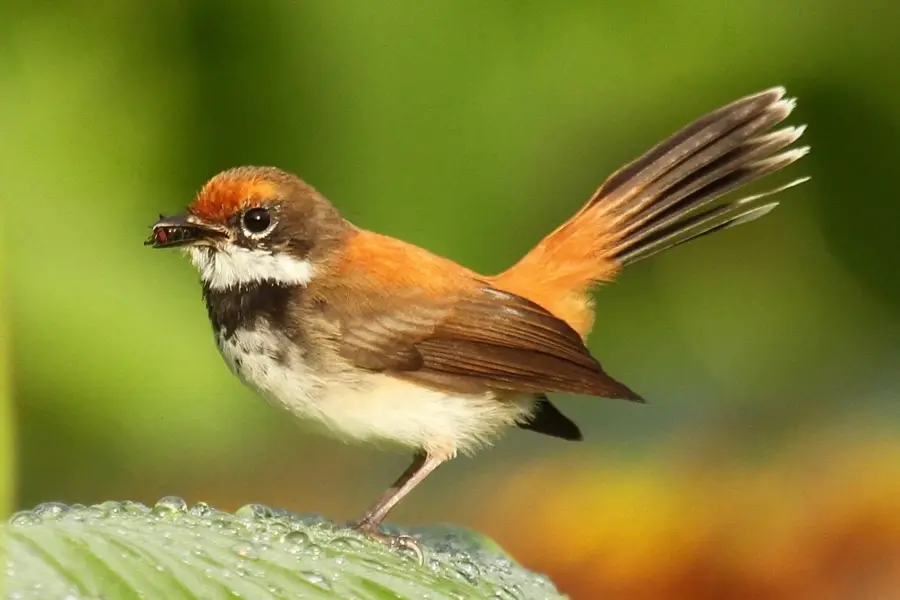
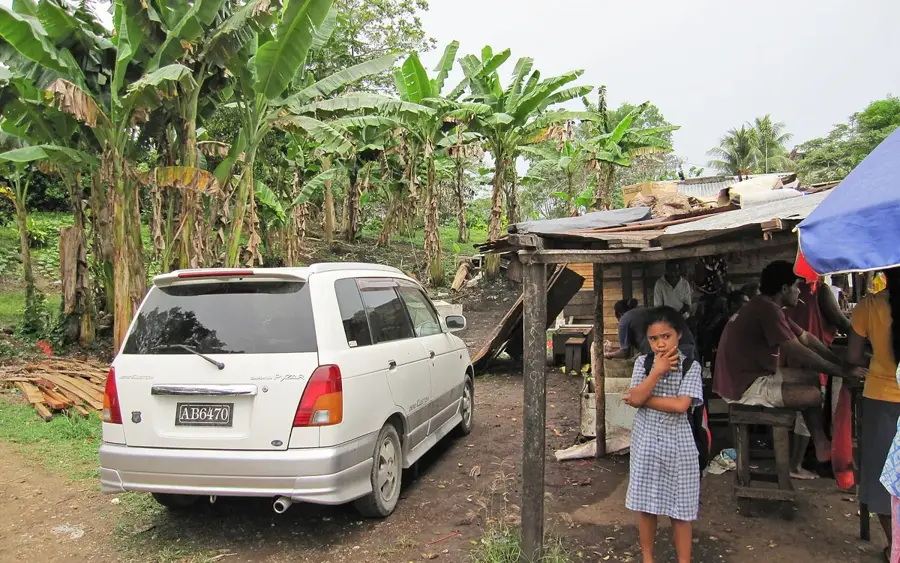
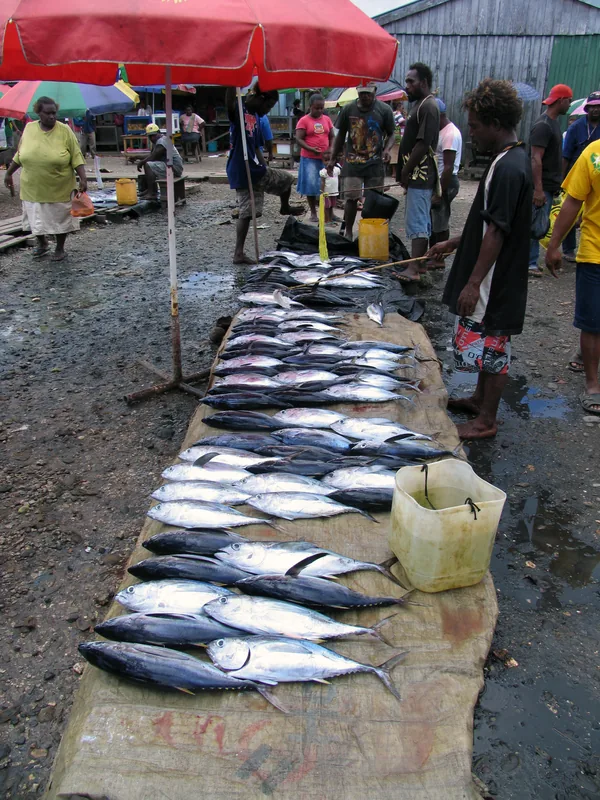
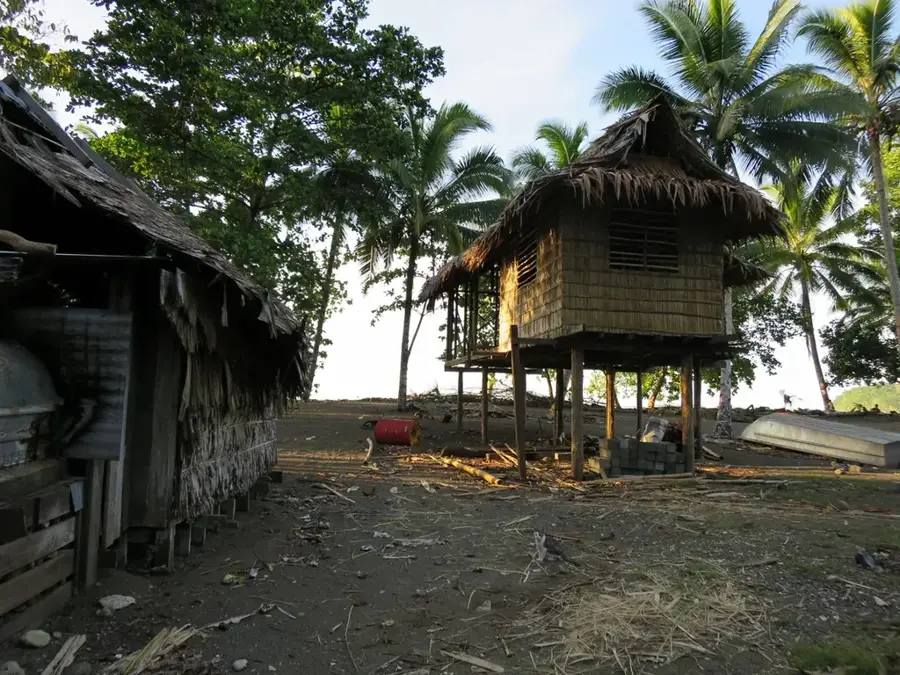
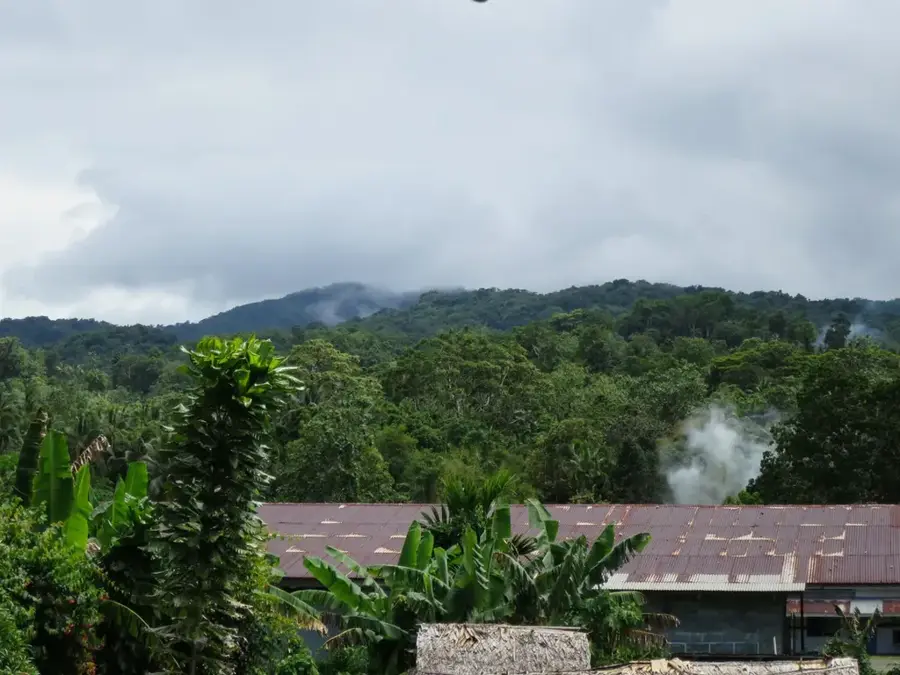
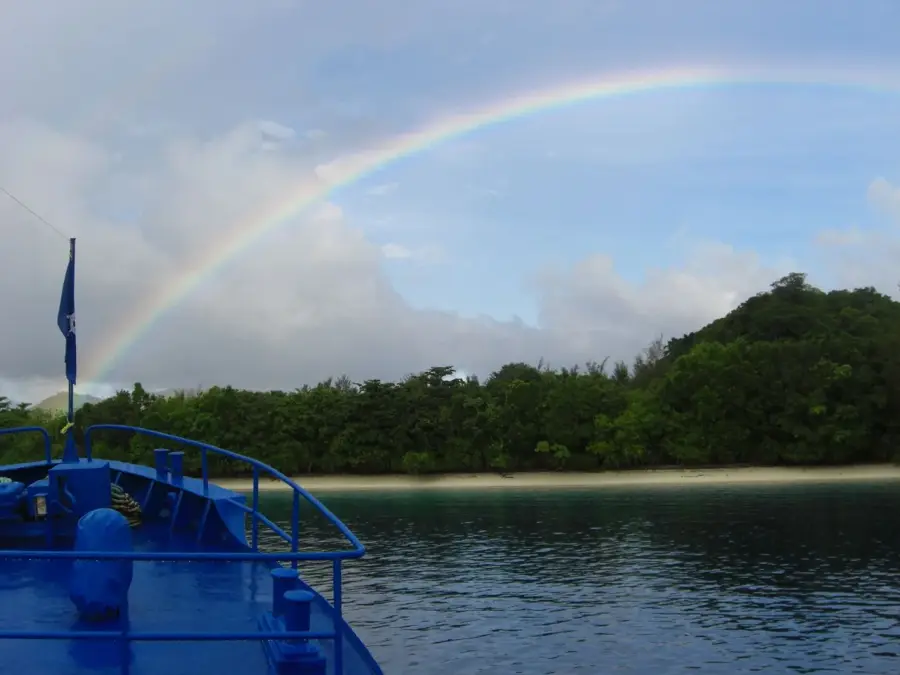
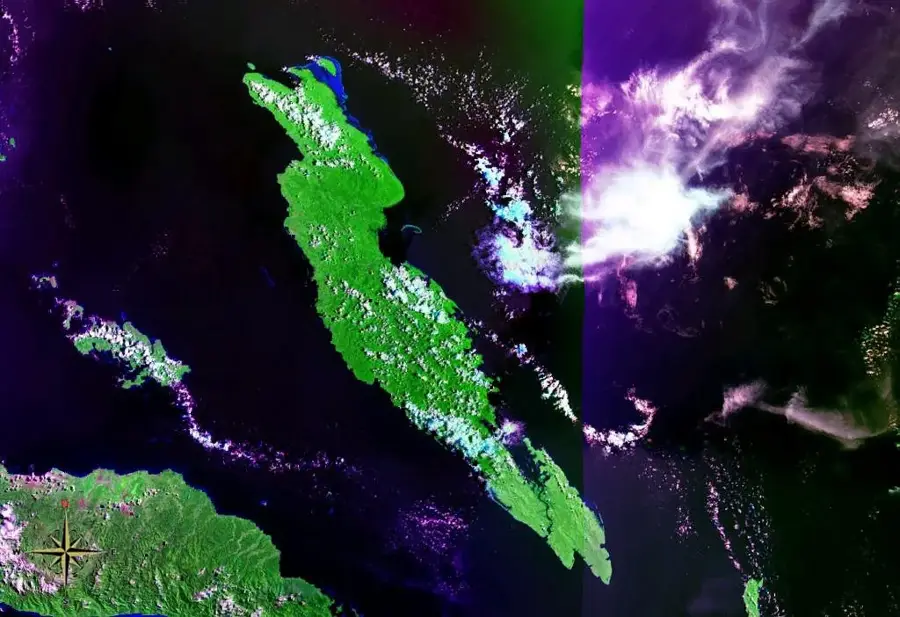
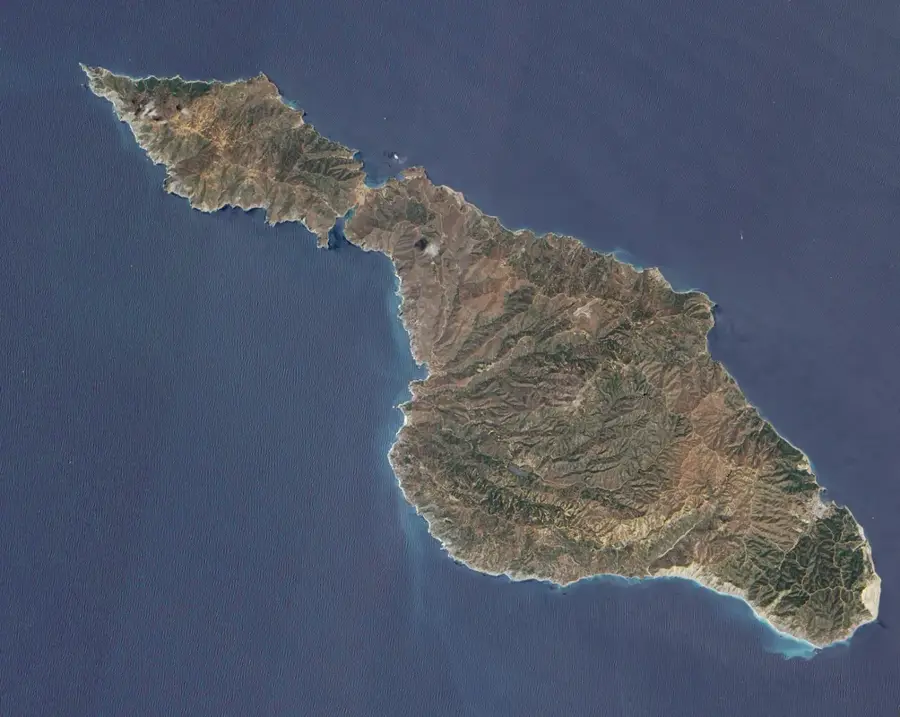
Ugi Island, also known as Uki Ni Masi, is located approximately 9 kilometers north of Makira (San Cristobal). The island is characterized by its rolling hills covered in primary and secondary rainforest and its extensive fringing coral reefs. Ugi holds a significant place in the history of Christian missions in the Solomon Islands, as early outposts were established here during the 19th century. Biologically, the island is highly important, hosting several endemic bird subspecies such as the Ugi monarch. The local economy is based on subsistence farming and fishing, with the island's reefs considered some of the most biodiverse in the region. The coastline is defined by white sandy beaches and small coastal villages where traditional customs remain deeply rooted in daily life. Protecting the terrestrial forests is critical for the conservation of the island's unique avian fauna.
- Location: Solomon Islands
- Nearby: Kirakira (30 km)
Best time to visit & climate
The most pleasant time to visit is Jun, Aug, Sep.
| Jan | Feb | Mar | Apr | May | Jun | Jul | Aug | Sep | Oct | Nov | Dec | |
|---|---|---|---|---|---|---|---|---|---|---|---|---|
| Avg °C | 29 | 28 | 28 | 28 | 28 | 28 | 28 | 27 | 28 | 28 | 28 | 28 |
| Rain mm | 282 | 295 | 276 | 236 | 240 | 204 | 223 | 189 | 184 | 233 | 211 | 242 |
📋 Practical info
Geography
Facts
- Located approx. 9 km north of Makira (San Cristobal).
- The highest point on the island is about 160 meters.
- Significant site in 19th-century missionary history.
- Home to the endemic bird subspecies, the Ugi monarch.
- Known for its extensive and productive coconut groves.
- Surrounding reefs are a refuge for green and hawksbill turtles.
Explore nearby
Notable places around


Route planner — Car & Motorhome
Where do you start? We build the route here, with stops and country notes along the way.
© OpenStreetMap contributors · OpenRouteService
Sights nearby
Frequently asked questions
How do I get to Ugi Island?
Are there tourist facilities there?
What is the best activity on Ugi?
Should I bring my own food?
Is the stay dangerous?
Ugi Island: where is it located?
Ugi Island: when is the best time to visit?
Ugi Island: why is it worth visiting?
Nearby cities
History & landmarks

Nature
More places