Plizio Visual Lab
Mount Nasuha

Weather…
Water temperature…
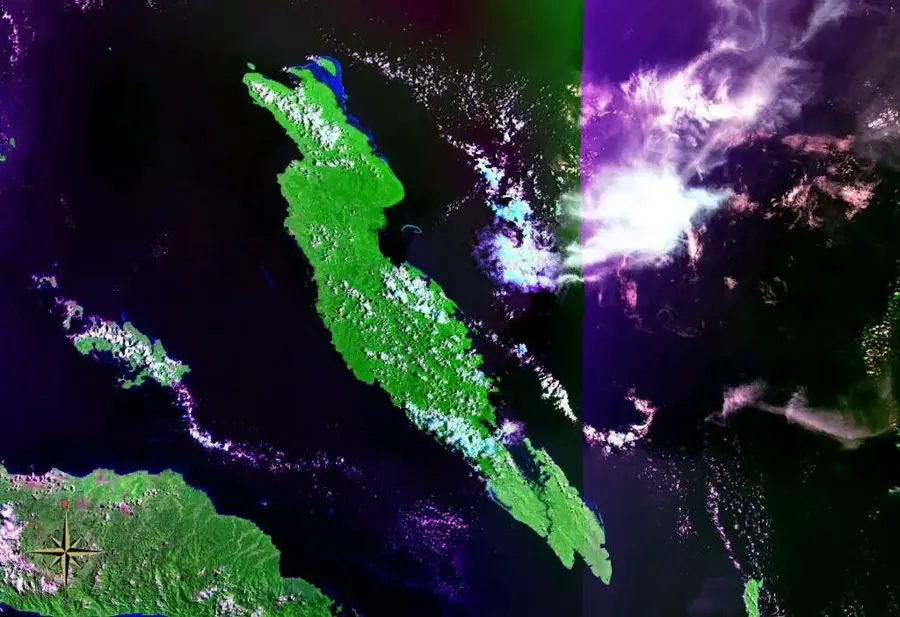
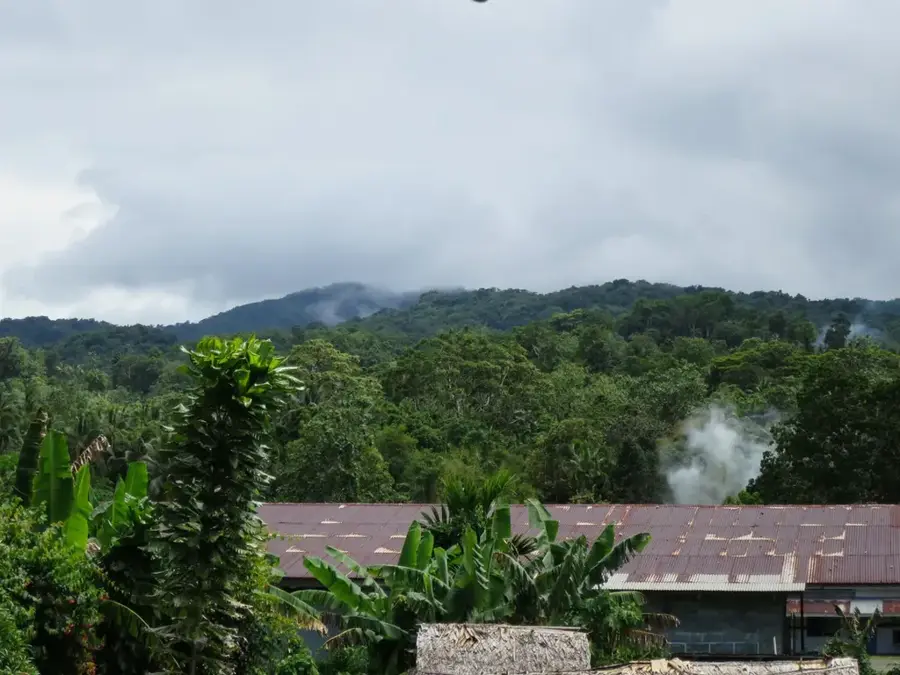
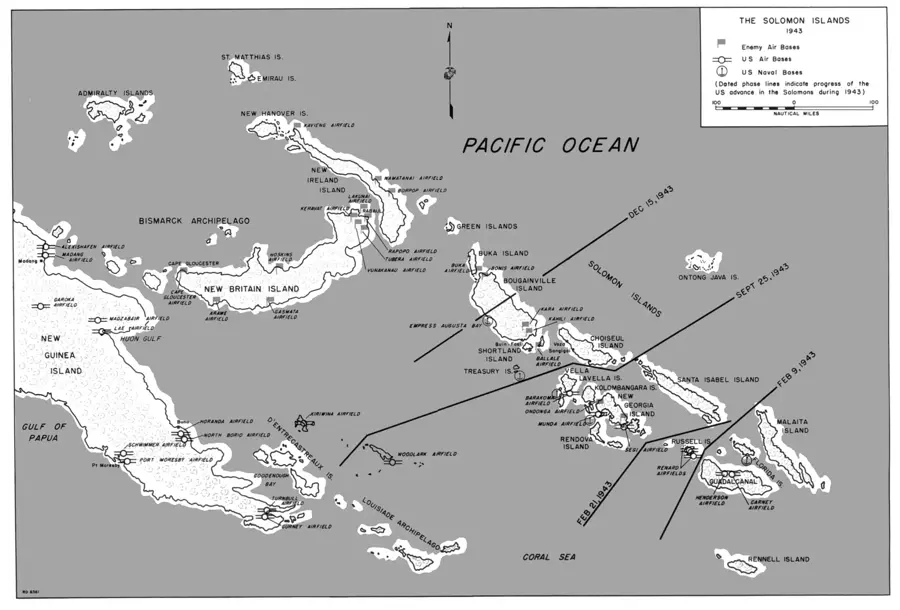
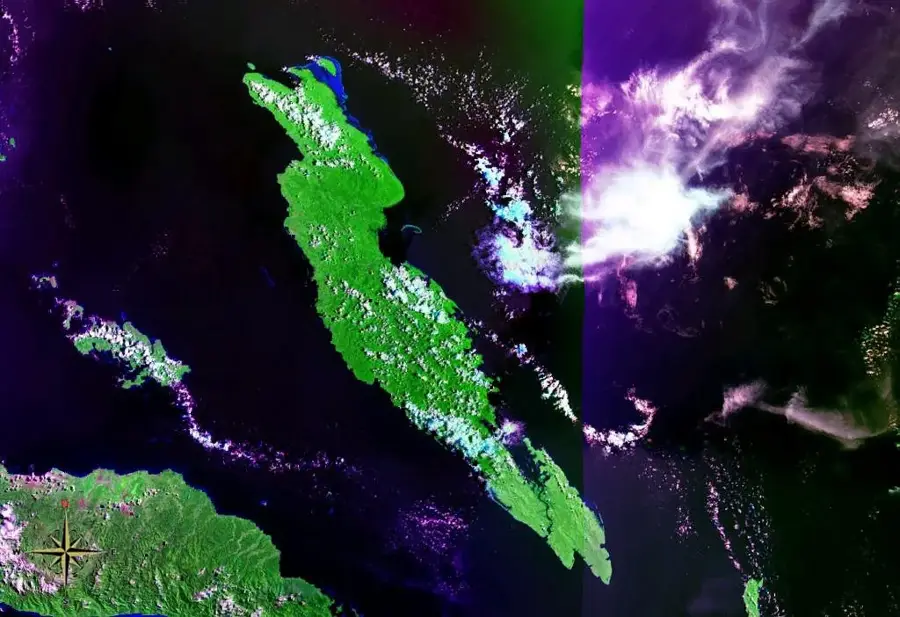
Mount Nasuha is a prominent peak situated in the southern part of Guadalcanal Island in the Solomon Islands, near the so-called Weather Coast. It is part of the central mountain ridge that divides the island into northern and southern regions and is characterized by its extremely steep slopes and dense cloud forest cover. The region around Mount Nasuha is one of the rainiest areas in the world, which has resulted in a unique flora and fauna adapted to high humidity. Due to its remote location and difficult access, the mountain has remained largely untouched by modern development, preserving one of the most undisturbed forest ecosystems in Melanesia. Historically, the area was a place of refuge for local communities and plays a role in the oral traditions of the indigenous population. The mountain represents a vital watershed for the rivers that irrigate the southern coast of Guadalcanal.
- Location: Solomon Islands
- Nearby: Afutara (11 km)
Best time to visit & climate
The most pleasant time to visit is Apr, May, Sep.
| Jan | Feb | Mar | Apr | May | Jun | Jul | Aug | Sep | Oct | Nov | Dec | |
|---|---|---|---|---|---|---|---|---|---|---|---|---|
| Avg °C | 28 | 28 | 28 | 28 | 28 | 28 | 27 | 27 | 27 | 28 | 28 | 28 |
| Rain mm | 289 | 299 | 281 | 219 | 215 | 239 | 265 | 232 | 212 | 248 | 224 | 238 |
📋 Practical info
Geography
Facts
- Mount Nasuha is located in the south-central mountain range of Guadalcanal.
- The region records annual rainfall amounts often exceeding 5,000 mm.
- The summit is frequently shrouded in dense clouds and mist, favoring cloud forests.
- It serves as a vital watershed for the rivers of the Weather Coast.
- The terrain is characterized by extremely steep cliffs and deep gorges.
- Vegetation consists primarily of submontane rainforest and moss forests.
Explore nearby
Notable places around


Route planner — Car & Motorhome
Where do you start? We build the route here, with stops and country notes along the way.
© OpenStreetMap contributors · OpenRouteService
Sights nearby
Frequently asked questions
Is Mount Nasuha a popular destination?
Can one find restrooms there?
How difficult is the hike?
What do I need to keep in mind regarding gear?
Is mobile reception good?
Mount Nasuha: where is it located?
Mount Nasuha: when is the best time to visit?
Mount Nasuha: why is it worth visiting?
Nearby cities
History & landmarks
Nature
More places