Plizio Visual Lab
Pamua Ruins
Weather…
Water temperature…
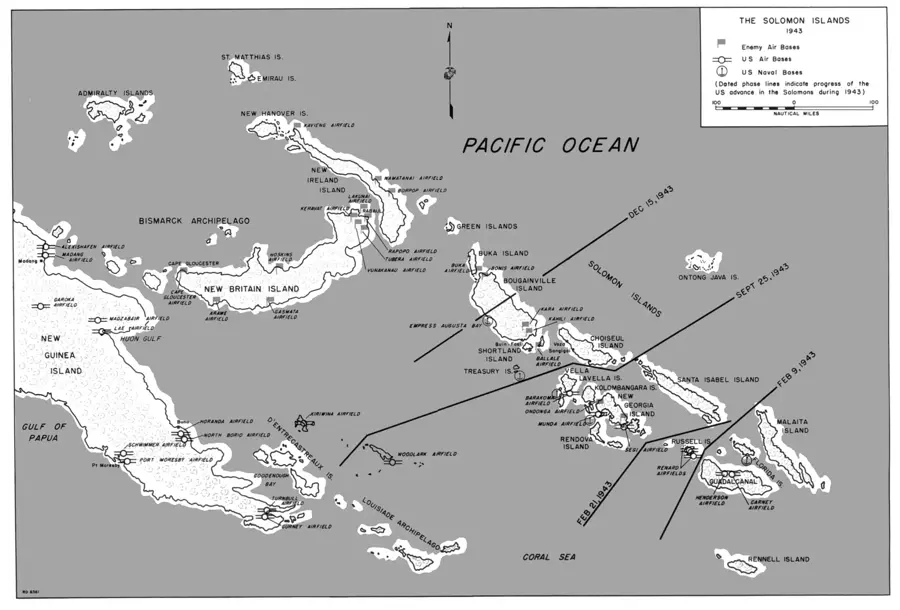
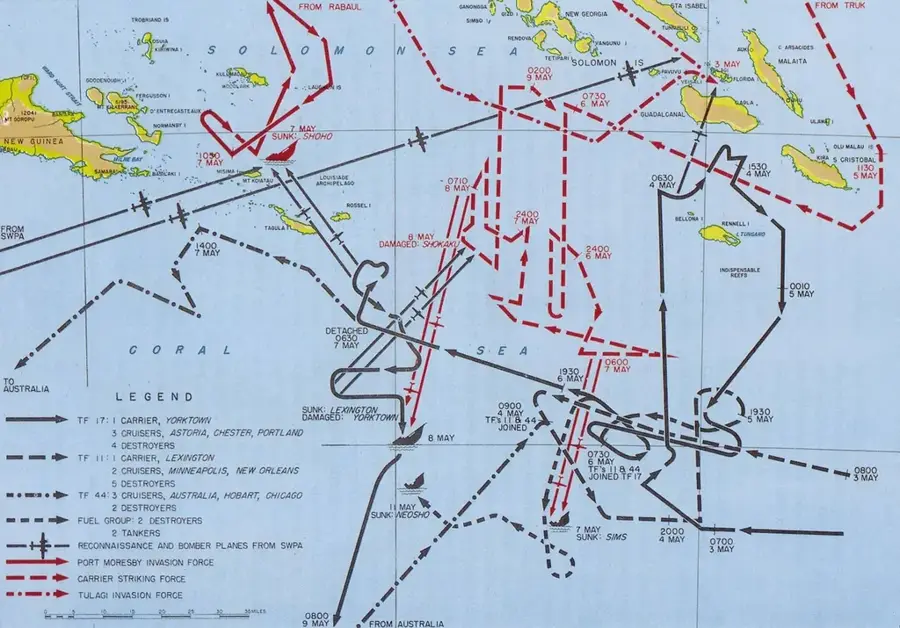
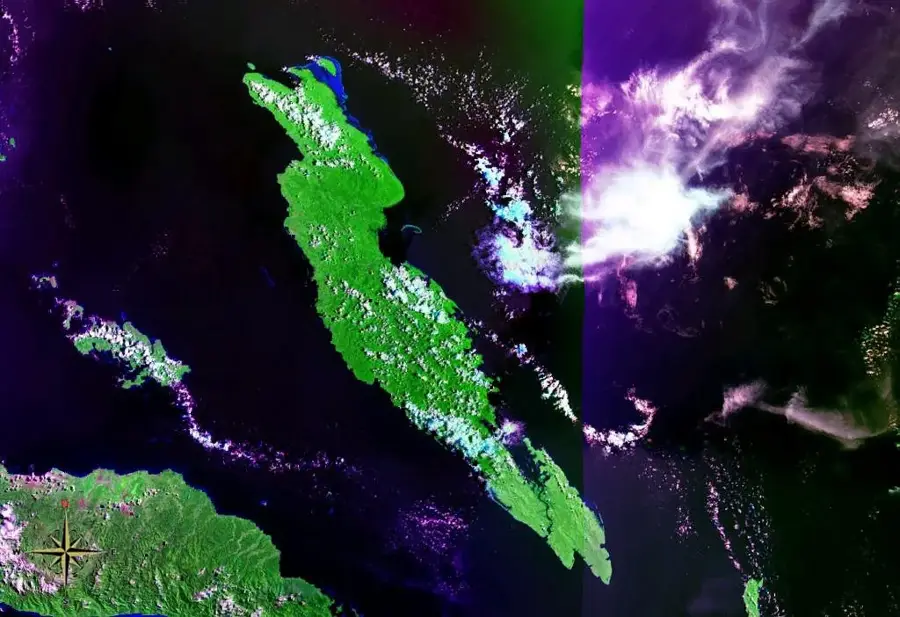
The Pamua Ruins on Makira Island (San Cristobal) represent one of the most enigmatic archaeological mysteries in the Solomon Islands. The site comprises stone walls and structures that diverge significantly from traditional Melanesian building techniques of the period. Historians and archaeologists have long hypothesized that these ruins might be linked to the ill-fated second expedition of Spanish explorer Álvaro de Mendaña in 1595. Evidence suggests that one of the expedition's missing ships, the 'Santa Isabel', may have been wrecked nearby after disappearing from Graciosa Bay. Pottery fragments discovered at the site, categorized as 'Pamua ware', exhibit stylistic similarities to 16th-century Spanish ceramics, although they also incorporate local materials. The ruins are strategically located on a ridge overlooking the coastline, suggesting a defensive purpose or a lookout point. To this day, the exact identity of the builders remains a subject of academic debate, with some researchers considering an indigenous origin related to ancient long-distance trade networks. The Pamua Ruins continue to stand as a compelling testament to the early encounters between European explorers and the peoples of Oceania.
- Location: Solomon Islands
- Nearby: Kirakira Trade Center (14 km)
Best time to visit & climate
The most pleasant time to visit is Jul–Sep.
| Jan | Feb | Mar | Apr | May | Jun | Jul | Aug | Sep | Oct | Nov | Dec | |
|---|---|---|---|---|---|---|---|---|---|---|---|---|
| Avg °C | 28 | 28 | 27 | 27 | 27 | 27 | 27 | 26 | 27 | 27 | 27 | 28 |
| Rain mm | 259 | 287 | 263 | 220 | 185 | 176 | 178 | 139 | 145 | 188 | 177 | 218 |
📋 Practical info
Geography
Facts
- The Pamua Ruins are located on the northeast coast of Makira Island.
- The 'Santa Isabel' disappeared on September 7, 1595, with 182 people on board.
- Archaeologists recovered over 3,000 pottery sherds from the site.
- The stone walls are constructed from coral limestone and local basalt.
- Some ceramic pieces were identified as 16th-century Spanish 'majolica'.
- The site was first systematically investigated in the 1970s.
Explore nearby
Notable places around


Route planner — Car & Motorhome
Where do you start? We build the route here, with stops and country notes along the way.
© OpenStreetMap contributors · OpenRouteService
Sights nearby
Frequently asked questions
What are the Pamua Ruins?
Where are they located?
Are they easily accessible?
Is there any infrastructure there?
Do you need a guide?
Pamua Ruins: where is it located?
Pamua Ruins: when is the best time to visit?
Pamua Ruins: why is it worth visiting?
Nearby cities
History & landmarks
Nature
More places