Plizio Visual Lab
Tayma
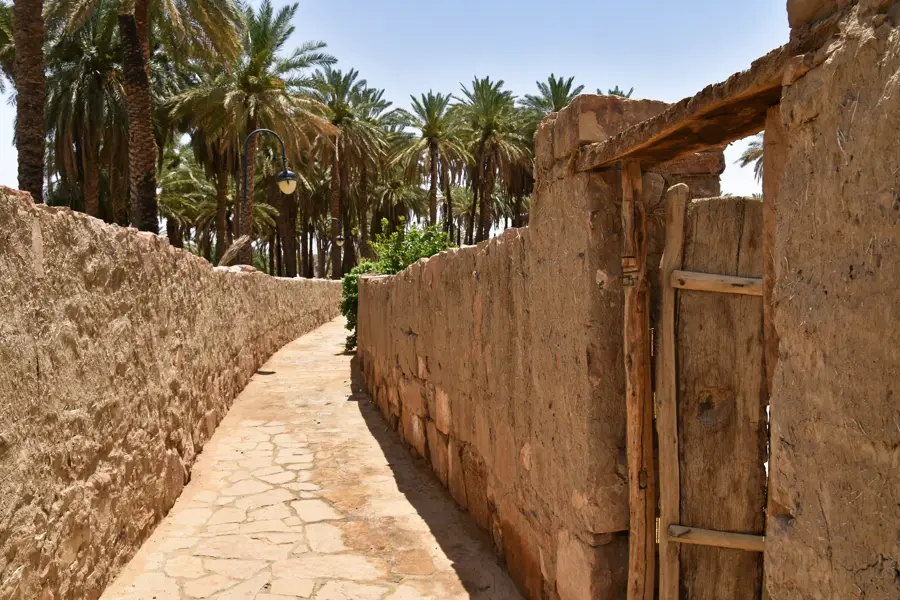
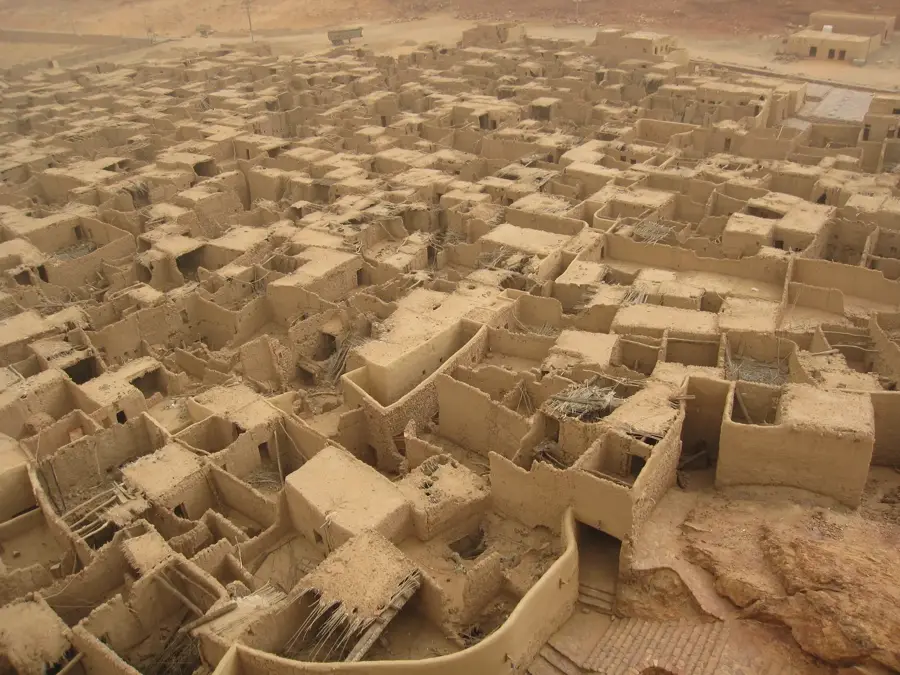
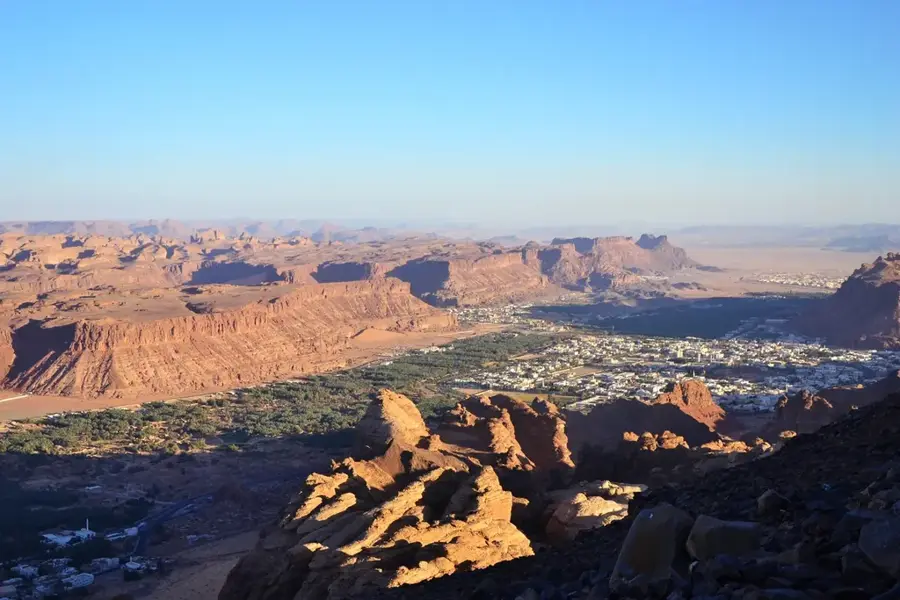
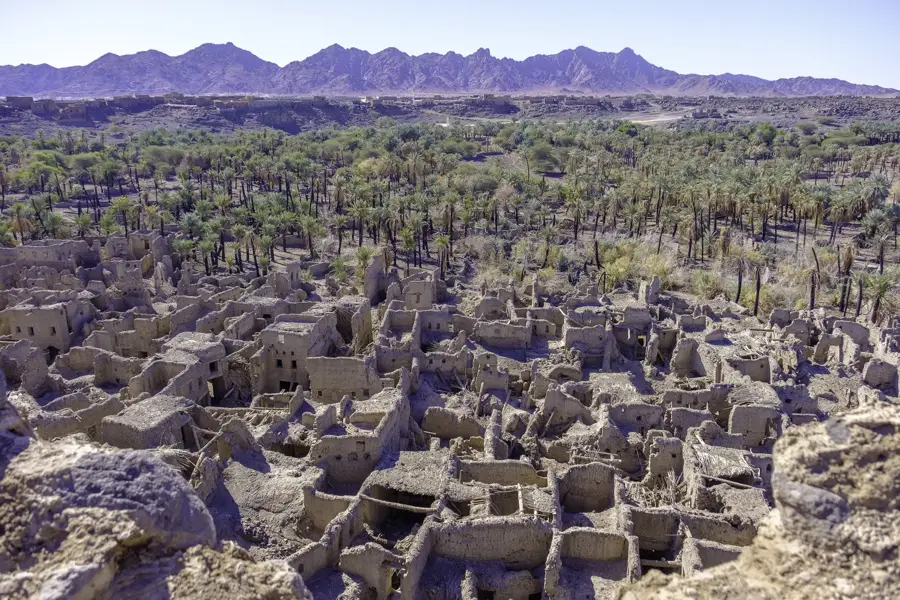
Tayma is one of the oldest settlements in the Arabian Peninsula, once serving as a strategic hub on the incense trade route. The city even served as the temporary residence of the Babylonian King Nabonidus, highlighting its ancient importance. Today, Tayma is a fascinating open-air museum where massive city walls and enigmatic inscriptions bear witness to past civilizations. The combination of desert mysticism and archaeological richness makes it a unique destination. Visitors primarily marvel at Bir Haddaj, one of the largest and oldest wells in the world, which has been irrigating the oasis for 2,500 years. The Tayma Museum houses significant finds, including the famous Tayma Stele. The surrounding desert landscape, with its striking sandstone formations, provides an impressive backdrop for exploration. In the city's date groves, traditional agriculture can be experienced firsthand. Culinary-wise, Tayma features authentic Najdi dishes, with dates and Arabic coffee serving as symbols of hospitality. Access is usually via Tabuk, about a three-hour drive away, which has an airport. The best time to visit is during the cooler months from November to February, when temperatures are good for outdoor sightseeing.
- Location: Saudi Arabia
- Top sights: Governor house · Well Hadaj
- Population: ~37.579 (2026)
📋 Practical info
Geography
Facts
- One of the oldest oases in Saudi Arabia
- Home to the 2,500-year-old Bir Haddaj well
- Former residence of Babylonian King Nabonidus
- Major stop on the ancient incense route
- Surrounded by a 19 km long ancient city wall
- Famous for the archaeological Tayma Stele
- Center for high-quality date cultivation
- Located in the scenic Tabuk Province
Explore nearby
Notable places around
Route planner — Car & Motorhome
Where do you start? We build the route here, with stops and country notes along the way.
© OpenStreetMap contributors · OpenRouteService
Sights in the town Tayma (2)
Sights nearby
Frequently asked questions
Tayma: where is it located?
Tayma: what is there to see?
Tayma: why is it worth visiting?

Nearby cities
History & landmarks

More places