Plizio Visual Lab

Harrat Khaybar
Plizio editorial teamData Sources
plateau
—°
Harrat Khaybar (Saudi Arabia)

Weather…

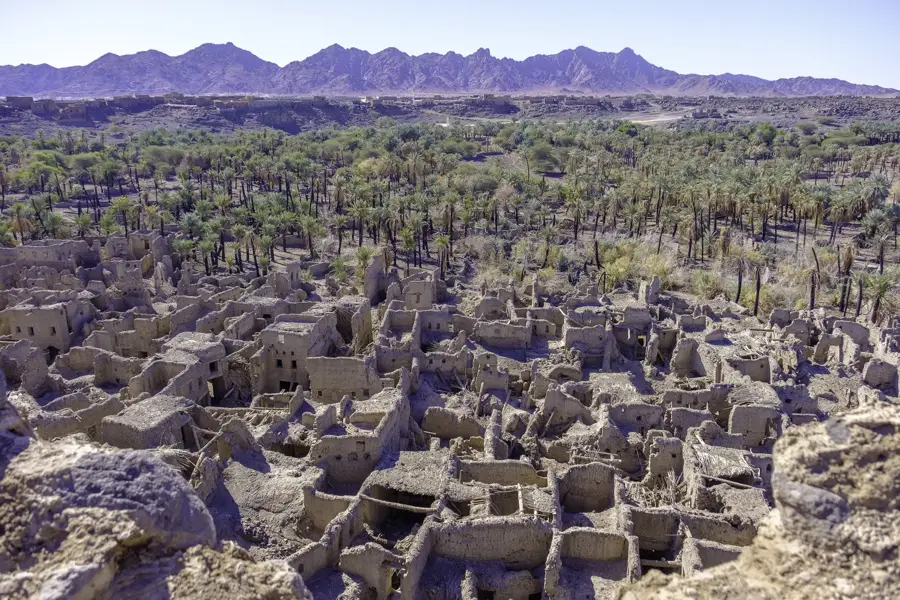
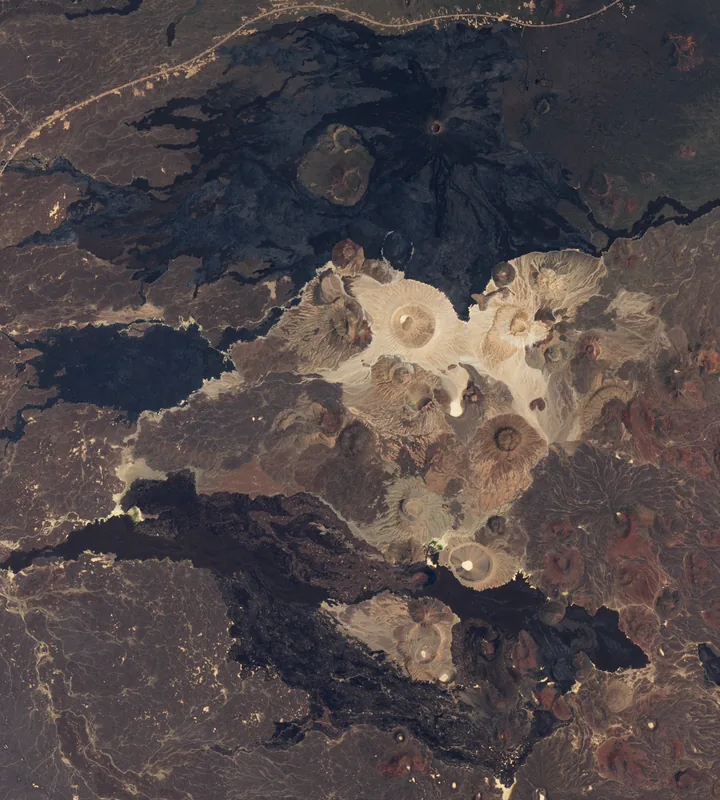
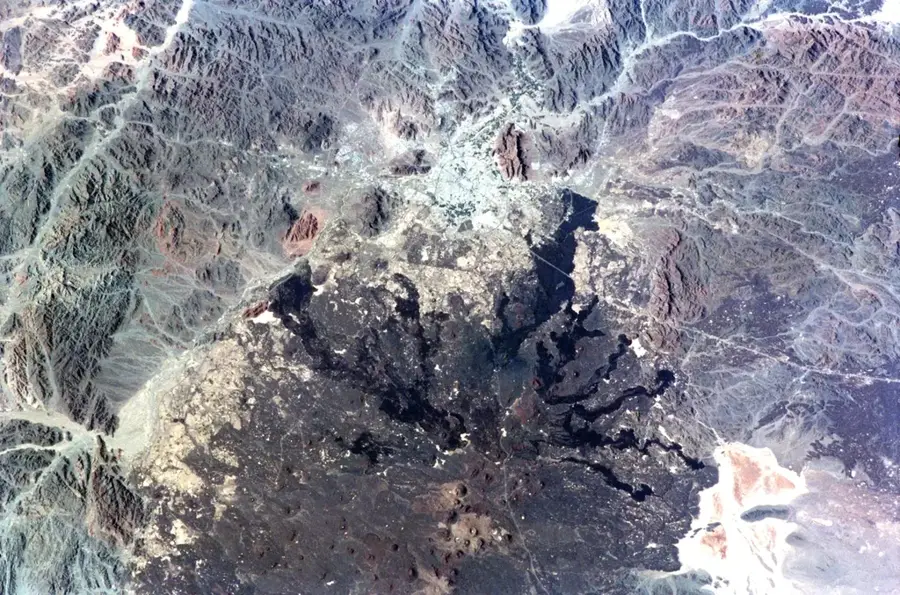
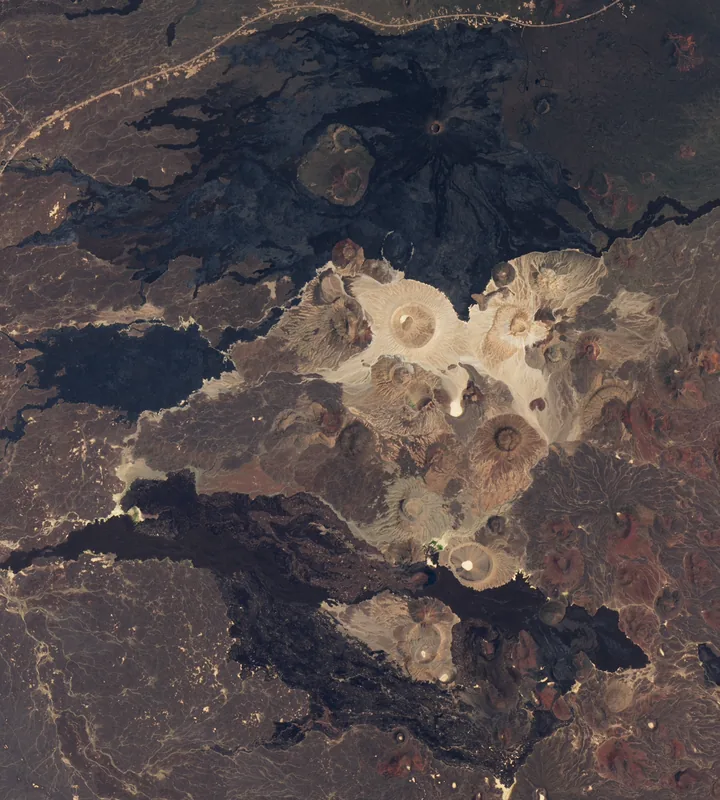
Harrat Khaybar is one of Saudi Arabia's largest and most spectacular volcanic fields, covering an area of approximately 12,000 square kilometers north of Medina. It is world-renowned for its rare 'white volcanoes,' Jabal Abyad and Jabal Bayda, which are composed of silica-rich comendite lava, providing a stark contrast to the surrounding dark basalt. The field contains over 400 volcanic vents, including scoria cones, lava domes, and maars. Historically, the region is famous for the Khaybar oasis, which was a significant Jewish settlement in pre-Islamic and early Islamic times. The dark, jagged lava flows, known as 'harrat,' made the area nearly impenetrable in the past, offering natural protection. Geologically, Harrat Khaybar is a testament to the tectonic activity along the Red Sea Rift, with the last eruptions occurring around 1,500 to 2,000 years ago. Today, it is a major site for geotourism and scientific research.

Best time to visit & climate

The most pleasant time to visit is Mar, Apr, Nov.

JanFebMarAprMayJunJulAugSepOctNovDec
Avg °C121418232731323230251814
Rain mm613210030174

📋 Practical info

🧭
Getting there
The massive volcanic field is generally accessed by robust 4x4 vehicles traveling outwards from Medina or Khaybar, navigating very rough dirt tracks. A knowledgeable local guide is highly beneficial for finding the ancient stone structures and safely crossing lava beds.
📅
Best season
The noticeably cooler winter months from November to March are truly the best times to explore this exposed, completely shadowless volcanic landscape. Summers are blisteringly hot, and the dark basaltic rocks actively absorb and radiate intense heat, making visits unbearable.
⛰️
Terrain & paths
The expansive landscape is exceptionally rugged, consisting mostly of sharp, jagged basalt rocks, extensive lava tubes, and prominent volcanic craters. Walking requires careful navigation over extremely uneven, potentially unstable ground where securing sturdy footing is absolutely crucial.
🎒
What to bring
Heavy-duty, thick-soled hiking boots are absolutely essential to properly protect your feet against the razor-sharp and unyielding volcanic rocks. Visitors must diligently carry all necessary water and sun protection, as the arid plateau provides zero natural shade or any useful resources.
🅿️
Parking
Informal parking is generally possible on the flatter, marginally safer edges of the massive lava fields or near direct access points to the larger craters. Never drive directly onto unverified lava crusts, and proactively ensure your vehicle is parked safely away from steep drop-offs.
⚠️
Safety
The primary hazards are the treacherous, incredibly sharp rocks that can easily cause severe cuts or dangerous ankle injuries if you accidentally fall. Dehydration is a major risk, and navigating the vast, uniform lava fields can quickly and dangerously lead to complete disorientation without GPS.
⏱️
Time needed
A typical, well-paced visit to see the main craters and mysterious ancient stone structures requires a full day of very careful exploration. Serious geology enthusiasts or photographers very often dedicate two full days to fully appreciate the vast scale and intricate details of the volcanic field.

Geography

Coordinates
25.50000, 39.80000

Facts

  • Jabal Abyad is Saudi Arabia's highest volcano at 2,093 meters.
  • The 'white volcanoes' owe their color to the rock comendite.
  • Thousands of prehistoric stone structures called 'kites' were found there.
  • The field formed over a period of 5 million years.
  • The Khaybar region was historically famous for its date cultivation.
  • It is one of the youngest volcanic areas on the Arabian Plate.

Explore nearby

Notable places around
Route planner — Car & Motorhome

Where do you start? We build the route here, with stops and country notes along the way.

Vehicle
Only stops with (optional):

© OpenStreetMap contributors · OpenRouteService

Sights nearby

Frequently asked questions

What is Harrat Chaybar?
A vast volcanic plateau with impressive black lava fields.
Can you visit the craters?
Yes, but you usually need a local guide.
Is it a hiking destination?
Only for very experienced people as there is no marked network.
What is nearby?
Ancient oasis towns and historical settlements.
Is photography allowed?
Yes, the volcanic formations are a great subject.
Harrat Khaybar: where is it located?
Harrat Khaybar is located in Saudi Arabia.
Harrat Khaybar: when is the best time to visit?
The most pleasant time to visit is Mar, Apr, Nov.
Harrat Khaybar: why is it worth visiting?

Harrat Khaybar is one of Saudi Arabia's largest and most spectacular volcanic fields, covering an area of approximately 12,000 square kilometers north of Medina.
View on map → The Top 50 Attractions → OpenStreetMap →
Asia
Explore with Plizio Discover more places in Asia
More places in Saudi Arabia →

Nearby cities

History & landmarks
More places