Plizio Visual Lab

Al-Ula Old Town
Plizio editorial teamData Sources
ruin
—°6
Al-Ula Old Town (Saudi Arabia)

Weather…

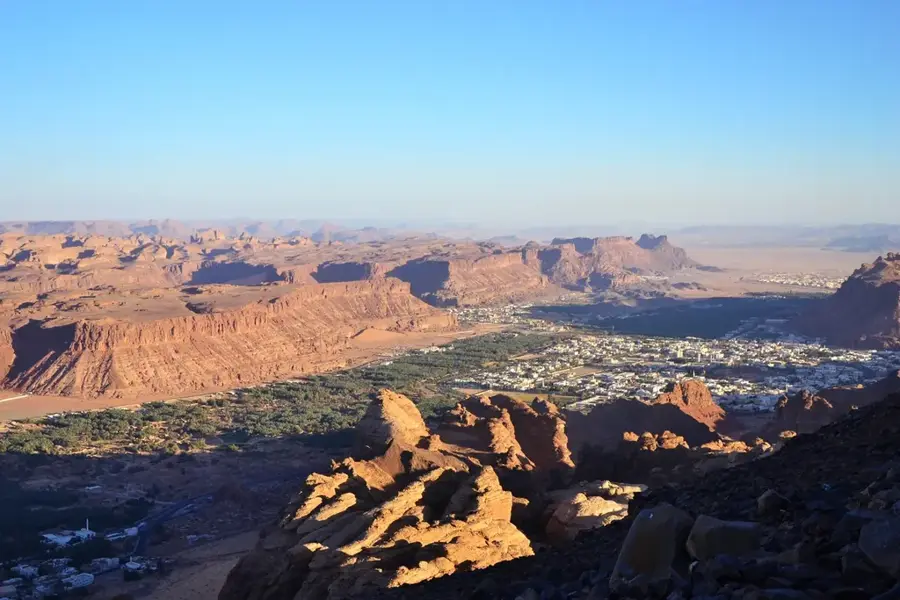
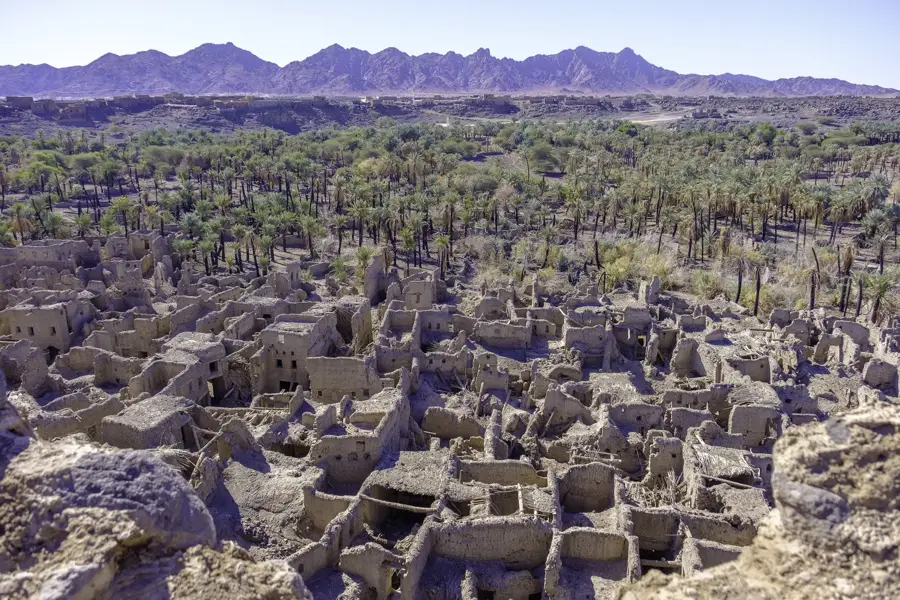
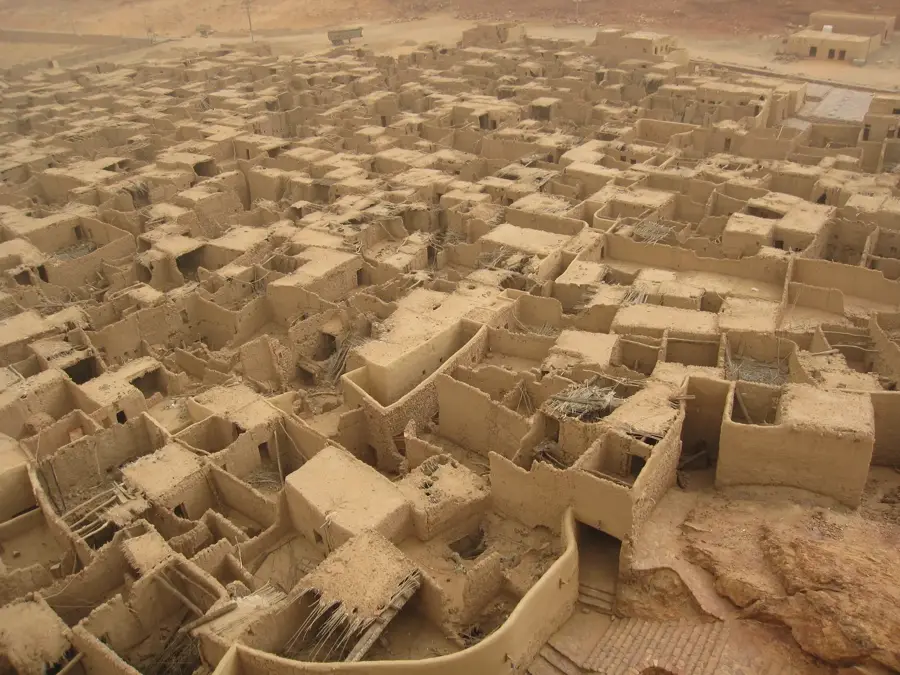
Al-Ula Old Town is a remarkable example of Islamic urban planning located in the heart of a fertile oasis in northwestern Saudi Arabia. Founded in the 12th century, the town consists of approximately 800 tightly packed mud-brick and stone houses forming a labyrinth of narrow alleys. For centuries, Al-Ula served as a vital stop on the incense trade route and later as a pilgrimage station for those traveling from Damascus to Medina. The town remained inhabited until the 1980s, when the last residents moved to nearby modern settlements. A prominent feature is the Musa bin Nusayr Citadel, which overlooks the town and provides panoramic views of the valley. The architecture was specifically designed to provide shade and protection from the desert heat, with houses often interconnected for structural stability. Today, the Old Town is being carefully conserved and developed for cultural tourism, utilizing traditional craftsmanship for restoration. A unique highlight is the Tantora sundial, which locals historically used to determine the seasons and regulate agricultural water distribution.

Best time to visit & climate

The most pleasant time to visit is Mar, Apr, Nov.

JanFebMarAprMayJunJulAugSepOctNovDec
Avg °C131620242932333432272015
Rain mm613210000154

📋 Practical info

🚪
Visiting
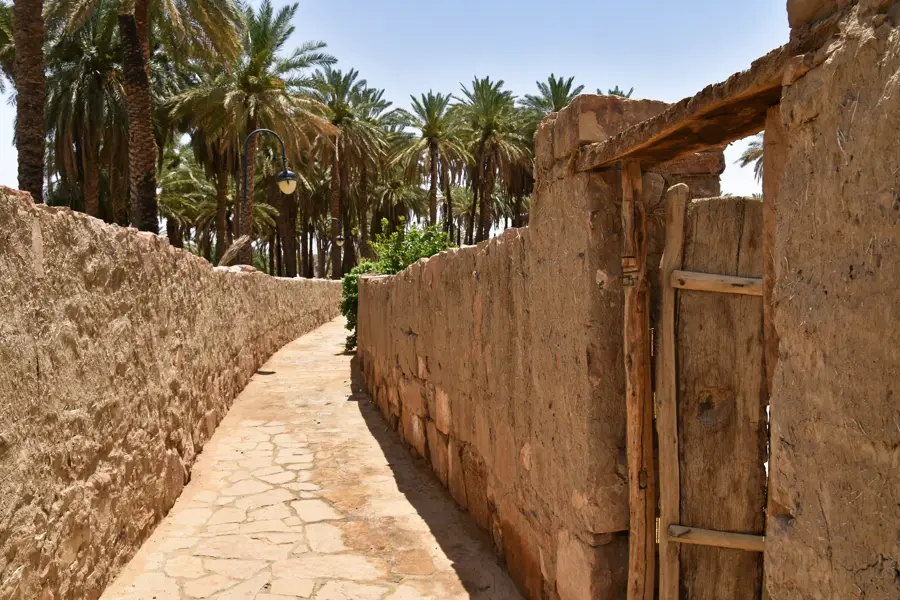
Wandering through the narrow, labyrinthine alleys of this abandoned oasis town gives a captivating glimpse into ancient mud-brick architecture. Visitors can explore the exteriors of historical structures and appreciate the restored sections of the town.
🕒
Typical hours
The heritage area typically welcomes visitors during designated daytime hours and often operates special evening tours to showcase the magically illuminated mud-brick walls. It is best to verify current seasonal opening schedules before planning your trip.
📷
Photography
The striking contrast between the earthy mud-brick structures and the towering desert mountains creates a photographer's paradise. The golden hour just before sunset casts beautiful, long shadows that perfectly highlight the textures of the old town.
⏱️
Time needed
Allocate around two hours to stroll through the heritage corridors, browse any artisanal shops that might be open, and relax in the surrounding palm oasis. Guided tours may add additional time to your visit due to the deeper historical explanations.
Combine with
A journey to the old town is perfectly complemented by visiting the monumental Nabataean tombs of Hegra, which are located just a short drive away. Combining both sites gives you a comprehensive overview of the region's diverse ancient civilizations.
🧭
Getting there
The heritage site is prominently situated within the main valley and is easily reached by rental cars or official tourist shuttle buses operating in the area. Well-maintained roads and clear signs make navigating from nearby modern accommodations simple.
💡
Insider tip
Joining an officially sanctioned guided tour is strongly advised, as knowledgeable local guides provide indispensable historical context about the mud-brick architecture. Also, wandering the alleys at night reveals a uniquely atmospheric, illuminated charm.

Geography

Population
32,413 (2024)
Coordinates
26.61660, 37.92940

Facts

  • Founded in the 12th century as a successor to ancient Dedan.
  • Consists of approximately 800 tightly packed mud-brick dwellings.
  • Continuously inhabited until as recently as the 1980s.
  • Home to the Musa bin Nusayr Citadel, dating to the 10th century.
  • The Tantora sundial marks the official start of the winter season.
  • Strategically located along the historical Hejaz Railway route.

Explore nearby

Notable places around
Route planner — Car & Motorhome

Where do you start? We build the route here, with stops and country notes along the way.

Vehicle
Only stops with (optional):

© OpenStreetMap contributors · OpenRouteService

Sights in the town Al-Ula Old Town (6)

Harrat Viewpoint🌿 nature

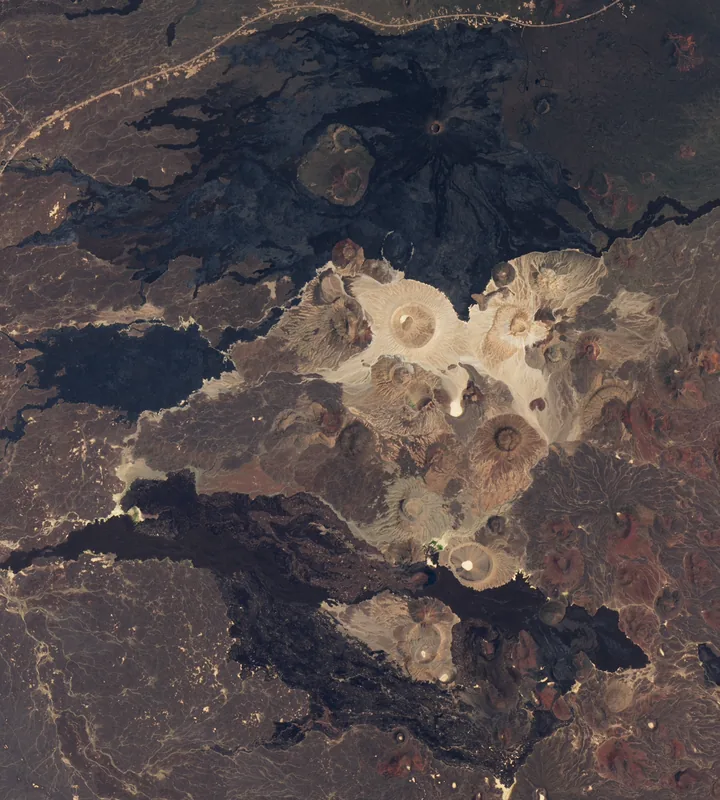
High-altitude lookout offering panoramic views of the dark lava fields and the lush palm groves of AlUla.

Old Castle🏺 historical

Ruined mud-brick fortress standing on a rocky peak overlooking the labyrinthine AlUla Old Town.

The Castle📍 landmark

Historic citadel ruins offering a vantage point over the ancient desert architecture of the AlUla valley.

Al Ula Old town📍 landmark

An abandoned 12th-century settlement of mud-brick houses, once a vital stop on the incense trade route.

Alitham Mosque, Al-'Ula⛪ religious

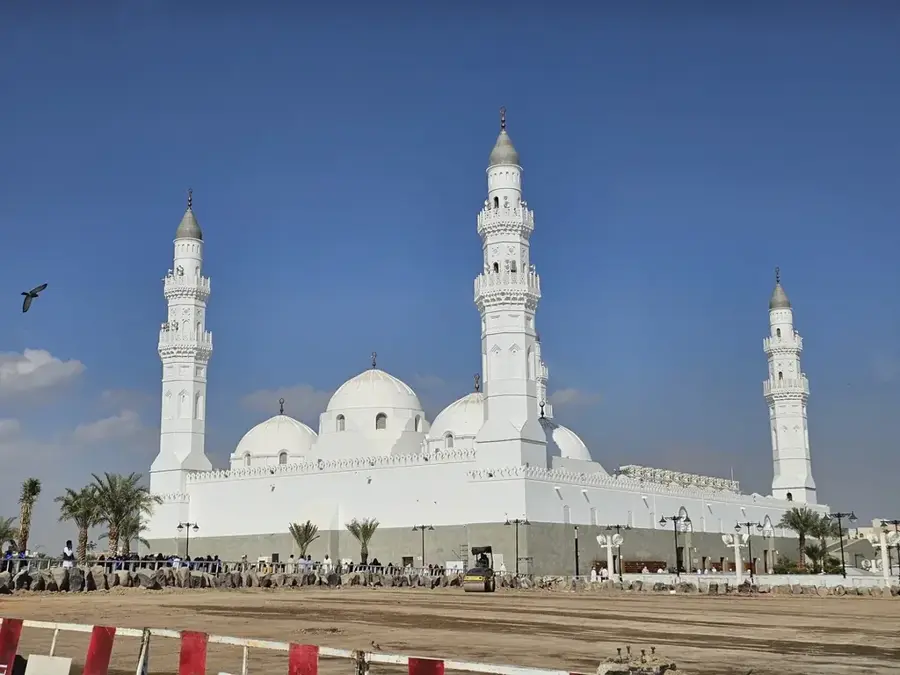
Ancient mosque where tradition says the Prophet Muhammad marked the prayer direction during his journey to Tabuk.

Al Ula Railway Station📍 landmark

A preserved station of the Hejaz Railway, which formerly connected Medina with Damascus.

Sights nearby

Frequently asked questions

What characterizes the old town?
It is a labyrinth of mud-brick buildings dating back to the 12th century.
Can you eat there?
Yes, there are many appealing restaurants and cafes in the restored old town.
How to get there?
Best by flight or rental car from Medina or Riyadh.
Are the paths paved?
Paths are mostly hard-packed sand or stone, but can be uneven.
Do you need a guide?
Touring is possible alone, but guides offer deeper insights.
Al-Ula Old Town: where is it located?
Al-Ula Old Town is located in Saudi Arabia.
Al-Ula Old Town: what is there to see?
Highlights include Harrat Viewpoint, Old Castle, The Castle.
Al-Ula Old Town: when is the best time to visit?
The most pleasant time to visit is Mar, Apr, Nov.
Al-Ula Old Town: why is it worth visiting?

Al-Ula Old Town is a remarkable example of Islamic urban planning located in the heart of a fertile oasis in northwestern Saudi Arabia.
View on map → The Top 50 Attractions → OpenStreetMap →
Asia
Explore with Plizio Discover more places in Asia
More places in Saudi Arabia →

Nearby cities

History & landmarks
More places