Plizio Visual Lab
Manisa
ℹ️Practical info — Manisa
▾
🌤 Weather — 5 days
📍 Nearby
Sights nearby
💡 Tips
- Visit Spil Dağı National Park to see the famous feral horses (Yılkı Atları) roaming the mountain plateaus.
- Visit in late March for the Mesir Macunu Festival, when the legendary healing paste is scattered from the Sultan Mosque's domes.
- Admire the Muradiye Mosque, the only work by the imperial architect Mimar Sinan in the Aegean region.
- Stop at the 'Crying Rock' (Ağlayan Kaya) on the way up Mount Spil, a site associated with the myth of Niobe.
- Bring a light jacket when heading up the mountain; even in summer, it is much cooler than the city center.
🍽 Food
A blend of lamb and beef served over pita bread with tomato sauce and sizzling butter; visit 'Gülcemal' for an authentic taste.
A traditional spicy-sweet paste made from 41 herbs; buy it in bars or jars from shops near the Sultan Mosque.
The region is famous for these seedless grapes; look for them fresh at local fruit markets during late summer.
🛍 Shopping · 🧘 Quiet spots
A restored Ottoman caravanserai in the city center where you can shop for carpets, jewelry, and local crafts.
Located in the Darüşşifa complex, this is the best place for authentic Mesir paste and herbal teas.
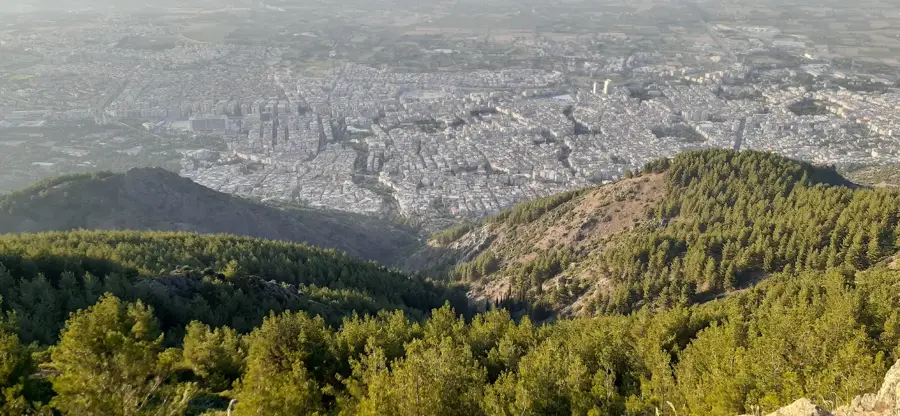
Head to 'Seyir Tepesi' for a quiet, panoramic view over the Gediz Valley and the city below.
A peaceful and shaded courtyard that has a calm escape with beautiful Ottoman architecture.
Water temperature…
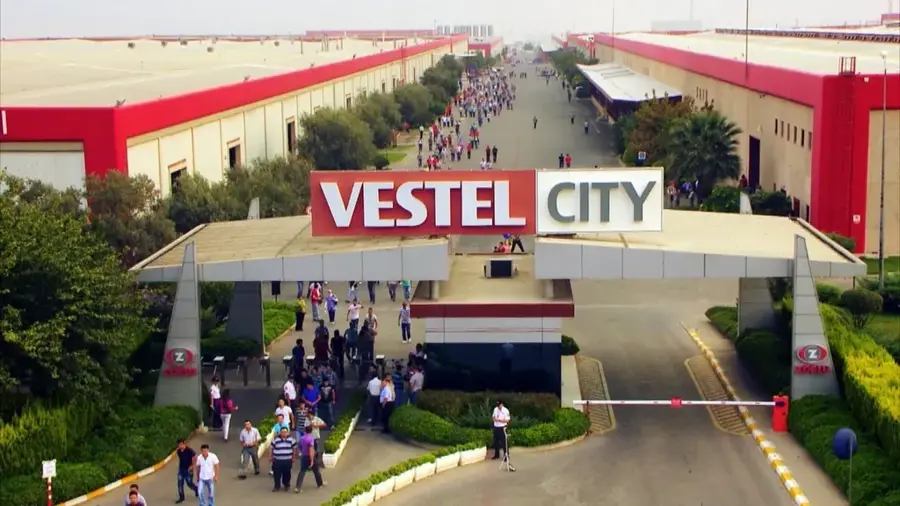
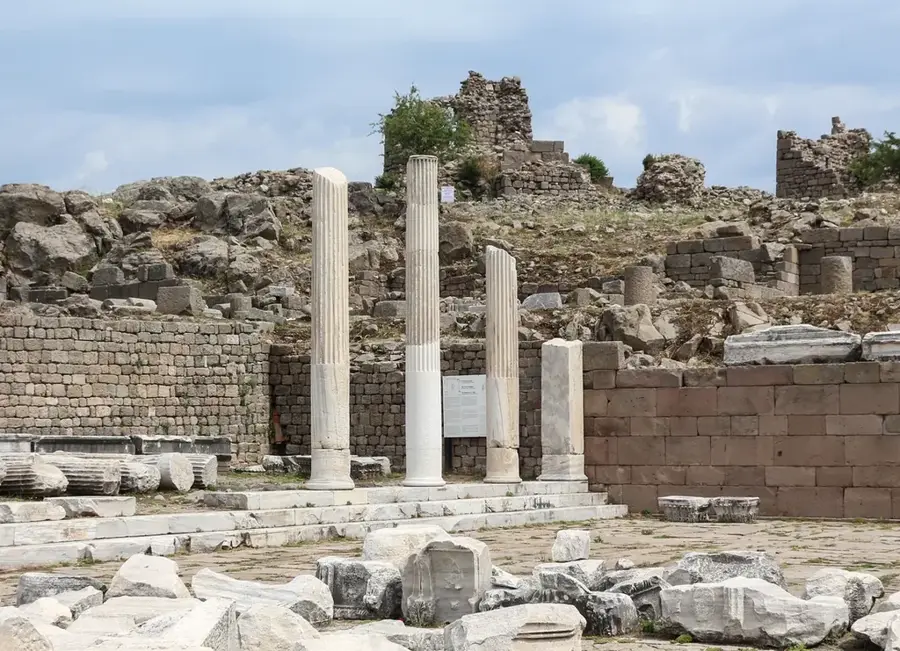
Manisa, known in antiquity as Magnesia ad Sipylum, is located in western Turkey at the foot of Mount Spil. The city holds deep historical significance as the training ground for Ottoman princes, earning it the nickname 'City of Princes'. Its architectural landscape is defined by the 14th-century Great Mosque (Ulu Cami) and the Muradiye Complex, designed by the legendary architect Mimar Sinan. Today, Manisa is a prominent agricultural and industrial hub, world-renowned for its production of Sultana raisins. Every year, the city celebrates the Mesir Paste Festival, which is recognized as part of UNESCO's Intangible Cultural Heritage. The surrounding Mount Spil National Park gives diverse recreational opportunities and is famous for its wild tulips. Proximity to Izmir fuels Manisa's economic dynamism, allowing it to host large-scale industrial zones while maintaining its rich historical identity.
- Location: Turkey
- Top sights: Manisa Müzesi · Dervişali Camii · Hacı Yahya Camii
- Nearby: Izmir (33 km)
- Population: ~243.971 (2025)
Best time to visit & climate
The most pleasant time to visit is May, Jun, Sep.
| Jan | Feb | Mar | Apr | May | Jun | Jul | Aug | Sep | Oct | Nov | Dec | |
|---|---|---|---|---|---|---|---|---|---|---|---|---|
| Avg °C | 6 | 7 | 10 | 14 | 19 | 25 | 29 | 29 | 24 | 18 | 12 | 7 |
| Rain mm | 124 | 93 | 61 | 48 | 34 | 18 | 4 | 4 | 19 | 51 | 79 | 102 |
Geography
Facts
- Historically known as Magnesia ad Sipylum
- Training city for 16 Ottoman princes who later became sultans
- The Mesir Paste Festival has been celebrated for over 500 years
- Global leader in the production and export of Sultana raisins
- Mount Spil National Park is home to unique wild tulips
- The Muradiye Mosque was the last work designed by Mimar Sinan
Explore nearby
Notable places around
Route planner — Car & Motorhome
Where do you start? We build the route here, with stops and country notes along the way.
© OpenStreetMap contributors · OpenRouteService
Your morning in Manisa starts with the grand historical monuments that shaped the Ottoman era. By midday, you will wander through the winding streets discovering the spiritual core of the older neighborhoods. As the afternoon unfolds, the journey continues with impressive hillside mosques and sweeping views. You will finish your evening reflecting at the final serene stops of this ancient city.
Sultan Camii
Ulu Camii
Göktaşlı Mosque
Hatuniye Cami
Alaybey Camii
Manisa in the rain offers a mystical atmosphere. The morning starts protected under the arches of the Sultan Mosque. At noon, the path leads over shiny, slippery cobblestones to the Ulu Mosque. In the afternoon, the smaller prayer houses provide welcome shelter from the downpour. The evening ends early, as the pattering rain underscores the silence of the historic districts.
Sultan Camii
Ulu Camii
Göktaşlı Mosque
Hatuniye Cami
Alaybey Camii
A winter walk in Manisa is refreshing and clear. The morning starts with crisp air at the Sultan Mosque. At noon, the low-lying sun warms the ancient walls of the Ulu Mosque. In the afternoon, long shadows stretch through the alleys. Since the sun sets around 17:00, the early dusk envelops the city in soft, wintry light.
Sultan Camii
Ulu Camii
Göktaşlı Mosque
Hatuniye Cami
Alaybey Camii
Your morning in Manisa starts with the grand historical monuments that shaped the Ottoman era. By midday, you will wander through the winding streets discovering the spiritual core of the older neighborhoods. As the afternoon unfolds, the journey continues with impressive hillside mosques and sweeping views. You will finish your evening reflecting at the final serene stops of this ancient city.
Manisa Müzesi
Arap Alanı Camii
Karaköy Attar Hoca Camii
Hacı Yahya Camii
Sultan Camii
Ulu Camii
Dervişali Camii
A bike tour in the rain through Manisa requires good gear. Spend the morning dry in the museum. At noon, cycle over wet streets towards the city center mosques. In the afternoon, the paths near Mount Spil are often misty and cool. Pay attention to longer braking distances on wet asphalt as you experience the city from a different perspective.
Manisa Müzesi
Arap Alanı Camii
Karaköy Attar Hoca Camii
Hacı Yahya Camii
Sultan Camii
Ulu Camii
Dervişali Camii
Cycling in wintry Manisa offers crisp air and far-reaching views. The morning starts fresh at the museum. At noon, sunny squares in front of the mosques invite brief rests. In the afternoon, it cools down quickly, especially in the mountain's shadow. Plan your route to be back before the early darkness around 17:00 for safety.
Manisa Müzesi
Arap Alanı Camii
Karaköy Attar Hoca Camii
Hacı Yahya Camii
Sultan Camii
Ulu Camii
Dervişali Camii
Your morning in Manisa starts with the grand historical monuments that shaped the Ottoman era. By midday, you will wander through the winding streets discovering the spiritual core of the older neighborhoods. As the afternoon unfolds, the journey continues with impressive hillside mosques and sweeping views. You will finish your evening reflecting at the final serene stops of this ancient city.
Manisa Müzesi
Arap Alanı Camii
Sultan Camii
Ulu Camii
Göktaşlı Mosque
Hatuniye Cami
Alaybey Camii
Dervişali Camii
A car trip through rainy Manisa is comfortable and efficient. In the morning, you reach the museum dry and relaxed. At noon, park close to the large mosques to keep rainy walks short. In the afternoon, driving through wet streets offers good views of architectural highlights. The evening can be wonderfully enjoyed with a cozy drive through the city.
Manisa Müzesi
Arap Alanı Camii
Sultan Camii
Ulu Camii
Göktaşlı Mosque
Hatuniye Cami
Alaybey Camii
Dervişali Camii
Exploring Manisa by car is the warmest option in winter. The morning at the museum is very pleasant thanks to seat heating and comfort. At noon, drives between mosques protect you from the cool breeze. In the afternoon, you can enjoy the crisp winter air during short stops. Since it gets dark from 17:00, headlights illuminate old facades atmospherically.
Manisa Müzesi
Arap Alanı Camii
Sultan Camii
Ulu Camii
Göktaşlı Mosque
Hatuniye Cami
Alaybey Camii
Dervişali Camii
Sights in the town Manisa (5)
Frequently asked questions
What is Manisa known for?
Are there sights nearby?
What is the best time to visit?
Is Manisa close to Izmir?
What dish should I try?
Manisa: where is it located?
Manisa: what is there to see?
Manisa: when is the best time to visit?
Manisa: why is it worth visiting?

Nearby cities
History & landmarks
Nature
More places