Plizio Visual Lab
Murambi
ℹ️Practical info — Murambi
▾
🌤 Weather — 5 days
📍 Nearby
Sights nearby
💡 Tips
- Visit the memorial site with appropriate solemnity and silence.
- Observe the advanced farming techniques in this key agricultural stronghold.
- The area is best accessed via private driver or a sturdy rental vehicle.
- Be mindful of the rainy season (March-May), as unpaved roads can become challenging.
- Ask locals about nearby coffee and tea cooperatives for a tour.
🍽 Food
Commonly sold on the roadside, roasted over charcoal for a smoky snack.
Pounded cassava leaves cooked with eggplant and peanut sauce, served with rice.
Try the high-quality coffee grown in the surrounding hills at local cafes.
🛍 Shopping · 🧘 Quiet spots
Famous woven baskets produced by local women's cooperatives in the region.
A great place to buy high-quality beans and spices directly from the source.
Walk through the banana and coffee plantations for a peaceful rural experience.
The landscaped outer areas provide a quiet space for somber reflection.
Water temperature…
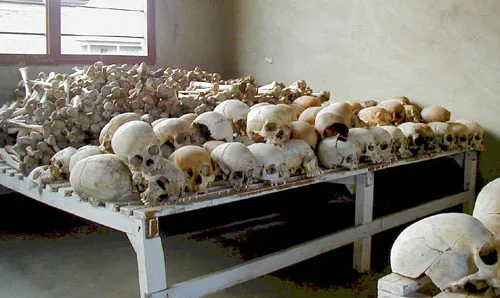
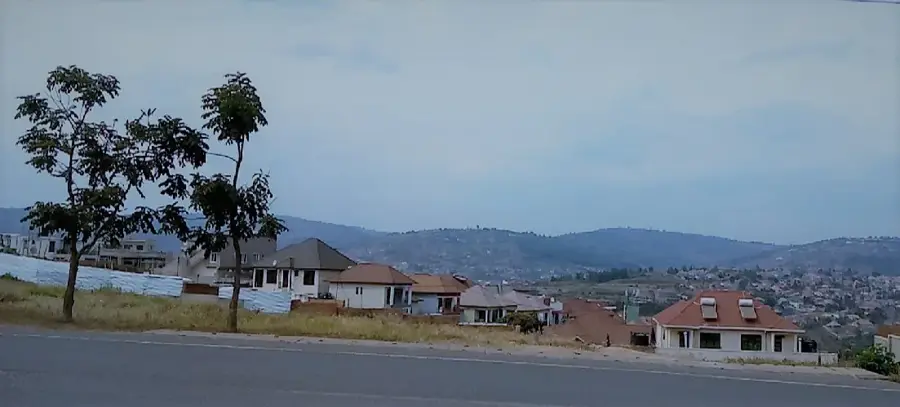
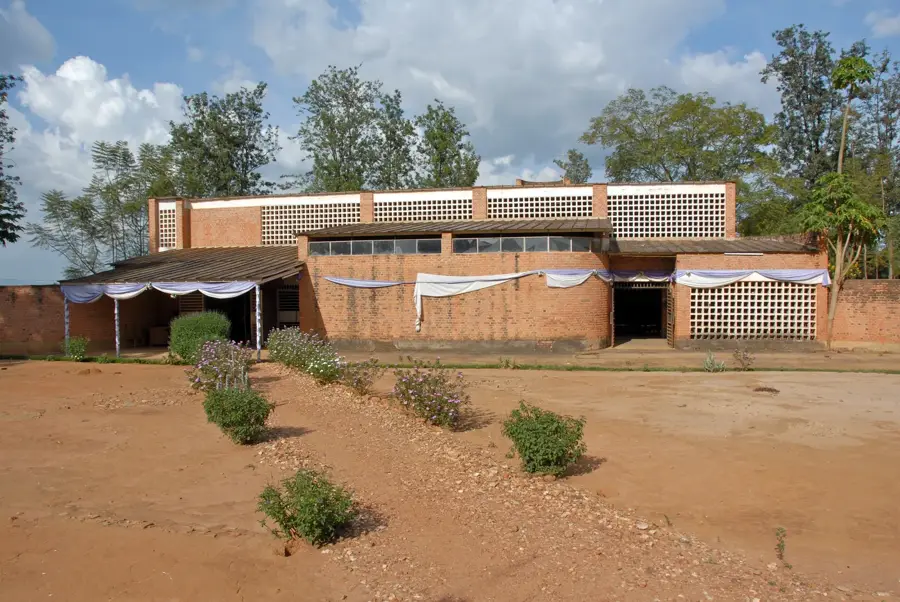
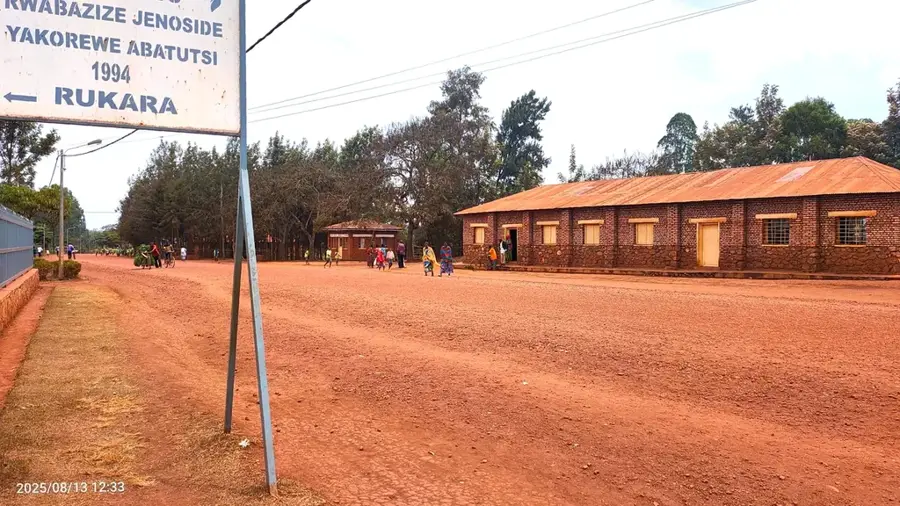
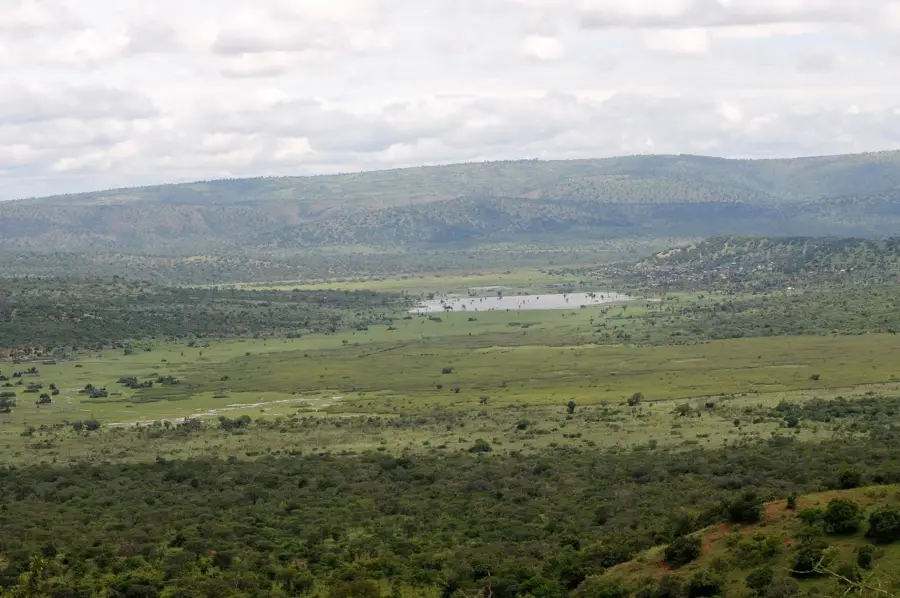
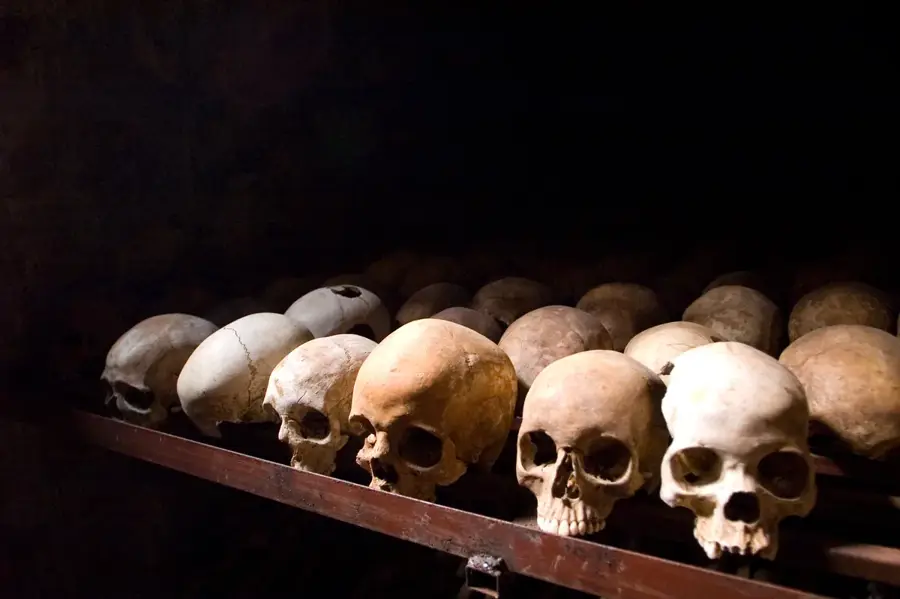
Murambi is an internationally recognized memorial site in the Nyamagabe District of Rwanda's Southern Province, marking the location of one of the most brutal chapters of the 1994 Genocide. Originally intended as a technical school, the unfinished building complex became a sanctuary for tens of thousands of Tutsis in April 1994, who sought refuge there under false promises before being systematically massacred. Today, Murambi serves as a major national memorial, notably preserving the lime-treated remains of victims, which are displayed as a harrowing and powerful testimony to the world. The site includes a comprehensive documentation center, mass graves, and the original classroom buildings where the events are memorialized in a museum format. Geographically, Murambi is situated on a windswept hill near the town of Nyamagabe, overlooking the mountainous terrain leading to the Nyungwe Forest. In 2023, the Murambi Genocide Memorial, along with three other sites in Rwanda, was officially inscribed on the UNESCO World Heritage List to ensure the permanent remembrance of the victims and as a warning to humanity.
- Location: Rwanda
- Nearby: Kiziguro (8 km)
Best time to visit & climate
The most pleasant time to visit is Jun–Aug.
| Jan | Feb | Mar | Apr | May | Jun | Jul | Aug | Sep | Oct | Nov | Dec | |
|---|---|---|---|---|---|---|---|---|---|---|---|---|
| Avg °C | 22 | 22 | 22 | 21 | 20 | 20 | 21 | 22 | 22 | 21 | 21 | 21 |
| Rain mm | 78 | 80 | 139 | 154 | 121 | 43 | 30 | 50 | 89 | 124 | 138 | 92 |
Geography
Facts
- Murambi is located in Nyamagabe District in the Southern Province.
- It was originally a technical school under construction in 1994.
- An estimated 45,000 to 50,000 people were murdered at this site.
- The site is famous for the lime-preserved remains of genocide victims.
- Murambi was designated a UNESCO World Heritage site in 2023.
- The memorial site includes a library and mass grave burial areas.
Explore nearby
Notable places around


Route planner — Car & Motorhome
Where do you start? We build the route here, with stops and country notes along the way.
© OpenStreetMap contributors · OpenRouteService
Frequently asked questions
Why is Murambi an important historic site?
How should one behave during a visit?
Is photography allowed there?
How long does a tour take?
Is a guide mandatory?
Murambi: where is it located?
Murambi: when is the best time to visit?
Murambi: why is it worth visiting?

Nearby cities
History & landmarks
More places