Plizio Visual Lab
Baraolt
ℹ️Practical info — Baraolt
▾
🌤 Weather — 5 days
📍 Nearby
Sights nearby
💡 Tips
- Visit the Museum of the Baraolt Basin to see the 4-million-year-old mastodon skeleton, one of the most complete in the world.
- If you plan to visit the museum on a weekend, make sure to call ahead and book an appointment in advance.
- Take a trip to the nearby Vârghiș Gorges (Cheile Vârghișului), famous for its numerous caves and scenic bridges.
- Learn a few basic Hungarian phrases; since it's the primary language in the area, locals will highly appreciate the effort.
- Wear sturdy hiking boots for the gorges, as the trails and bridges can be slippery even in dry weather.
🍽 Food
A hearty Hungarian-style soup, best sampled at local traditional restaurants in the town center.
A famous sweet pastry baked over hot coals, sold at local stalls in the main square.
A classic Szeklerland specialty, flavored with tarragon and often served with sour cream.
🛍 Shopping · 🧘 Quiet spots
Hand-painted ceramics decorated with traditional folk motifs from the Baraolt region.
Buy pure forest or wildflower honey directly from local beekeepers in the area.
Look for traditional sheep cheese (brânză de burduf) at the weekly local market.
A serene natural setting at the base of the mountains, first-rate for starting a quiet hike.
Relaxing walking paths along the small stream on the outskirts of the town.
The rolling hills in the nearby village of Micloșoara offer solitude and panoramic views.
Water temperature…
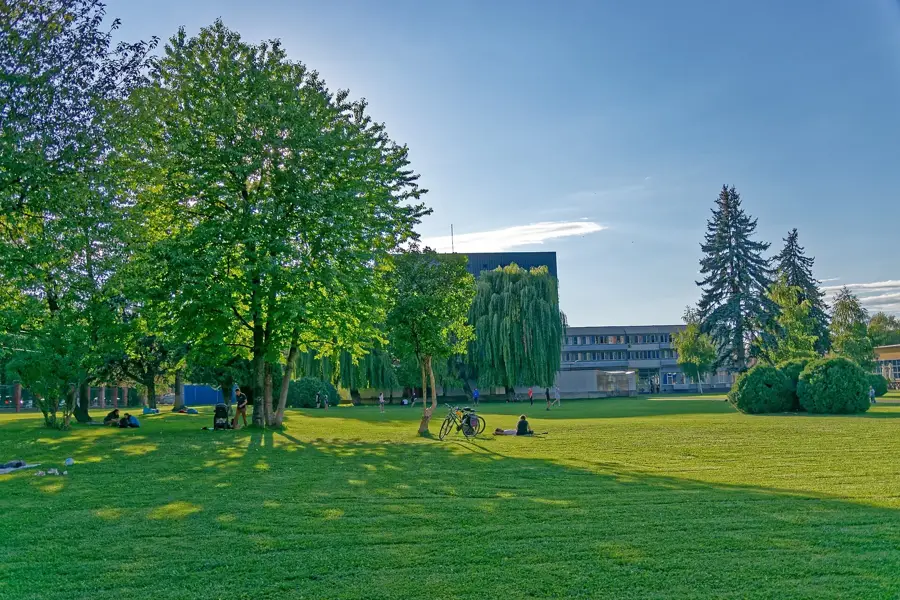
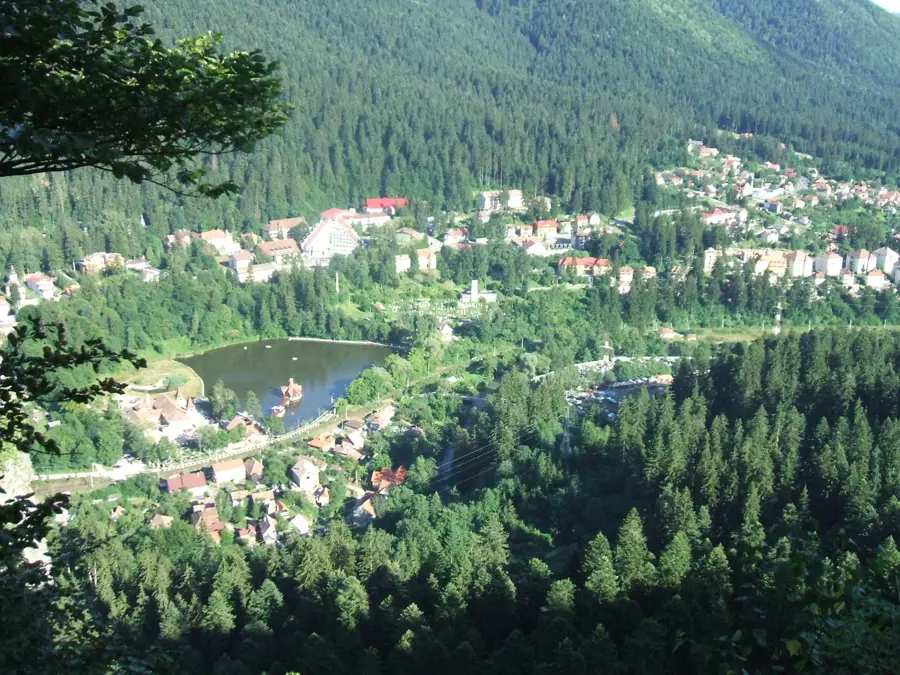
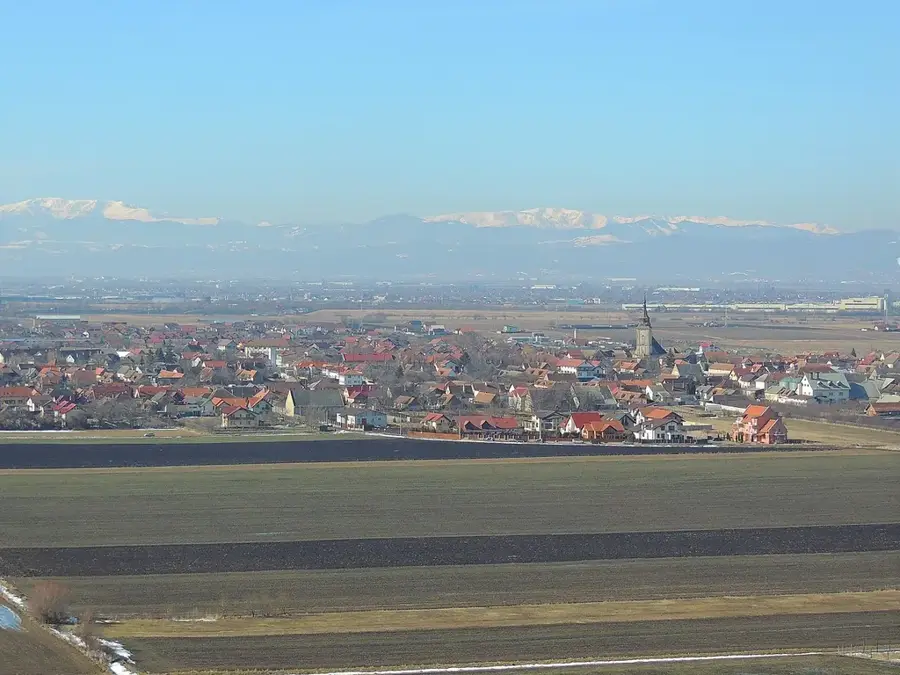
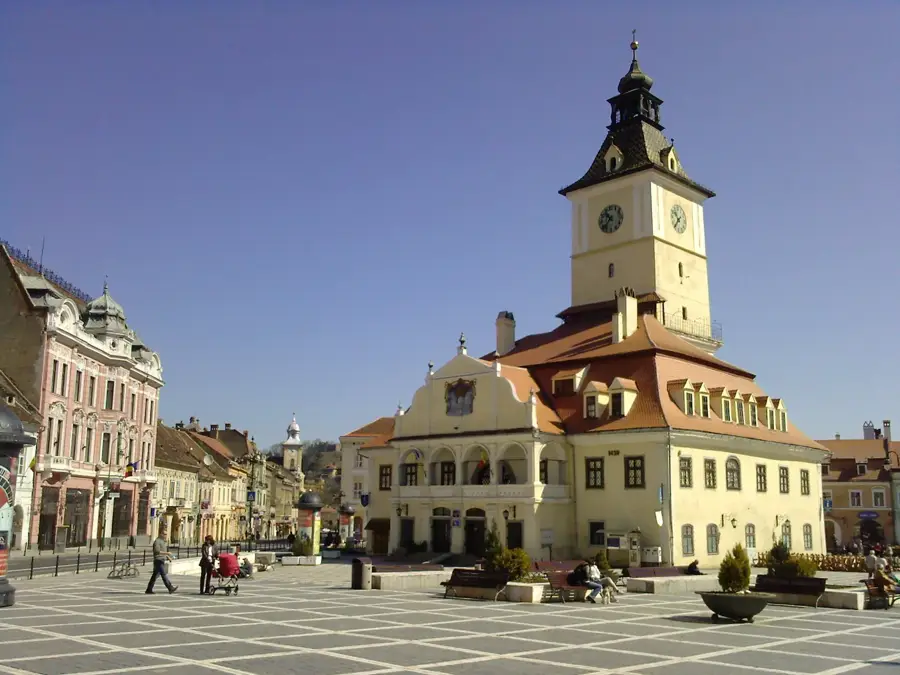
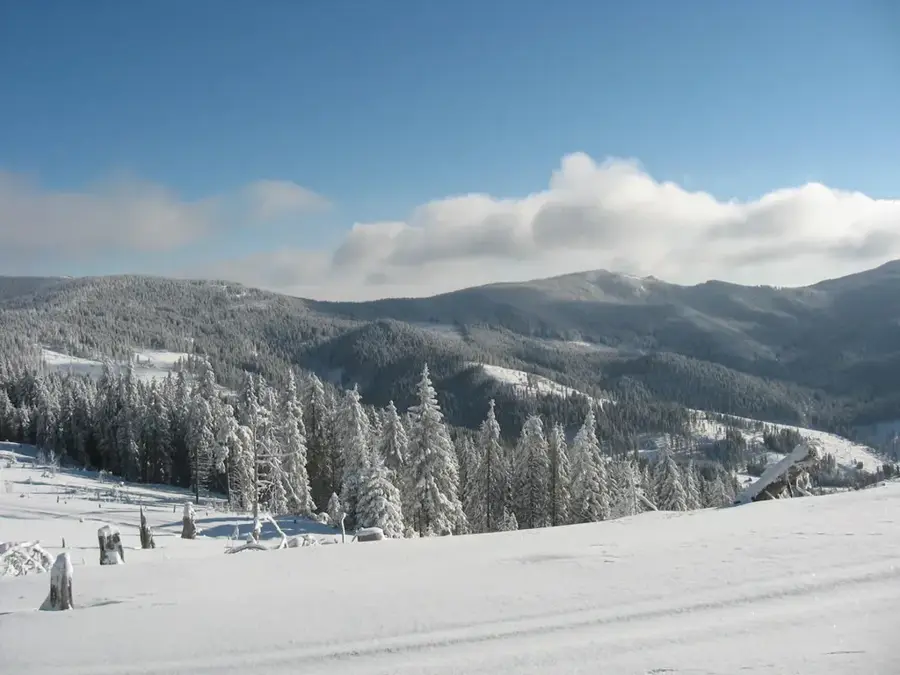
Baraolt is a pretty town in Covasna County, Romania, serving as the historical and administrative heart of the Baraolt Basin within the Szeklerland region of Transylvania. Located between the Harghita and Baraolt Mountains along the Baraolt stream, the town’s identity was for long shaped by its rich mining heritage, particularly the extraction of lignite coal. Since the transition from an industrial economy, Baraolt has reinvented itself as a center for small business, forestry, and sustainable tourism. The town is predominantly inhabited by the Hungarian-speaking Szekler community, and its cultural life is deeply rooted in these traditions. A notable scientific treasure is the Museum of the Baraolt Depression, which houses a world-class paleontological find: a nearly complete mastodon skeleton discovered in a nearby coal mine. The urban landscape features a blend of industrial-era housing and traditional Transylvanian architecture. Surrounded by dense forests and famous for its numerous mineral water springs (known locally as 'borvíz'), Baraolt features visitors an entry point into a region of exceptional natural beauty and preserved folk arts. It remains a vital hub for the 'Woodland' (Erdővidék) sub-region, balancing its industrial past with a green, culturally rich future.
- Location: Covasna, Romania
- Nearby: Bäile Tusnad (22 km)
- Population: ~7.730
Best time to visit & climate
The most pleasant time to visit is Jul–Sep.
| Jan | Feb | Mar | Apr | May | Jun | Jul | Aug | Sep | Oct | Nov | Dec | |
|---|---|---|---|---|---|---|---|---|---|---|---|---|
| Avg °C | -4 | -3 | 2 | 8 | 14 | 18 | 20 | 20 | 15 | 9 | 3 | -3 |
| Rain mm | 34 | 31 | 40 | 52 | 83 | 108 | 97 | 70 | 54 | 49 | 35 | 37 |
Geography
Facts
- Located in the northwest of Covasna County, Transylvania
- Key administrative hub for the surrounding rural villages
- Home to a museum featuring a rare, complete mastodon skeleton
- Transitioned from a coal-mining center to a service-based economy
- Majority of the population belongs to the Szekler Hungarian group
- Surrounded by the volcanic Harghita and sedimentary Baraolt mountains
Explore nearby
Notable places around
Route planner — Car & Motorhome
Where do you start? We build the route here, with stops and country notes along the way.
© OpenStreetMap contributors · OpenRouteService
Sights in the town Baraolt (1)
Frequently asked questions
Which language is primarily spoken in Baraolt?
What is the most significant museum in the city?
Can you go hiking near Baraolt?
How is the connection to larger cities?
What pastry is typical for the region?
Baraolt: where is it located?
Baraolt: when is the best time to visit?
Baraolt: why is it worth visiting?

Nearby cities
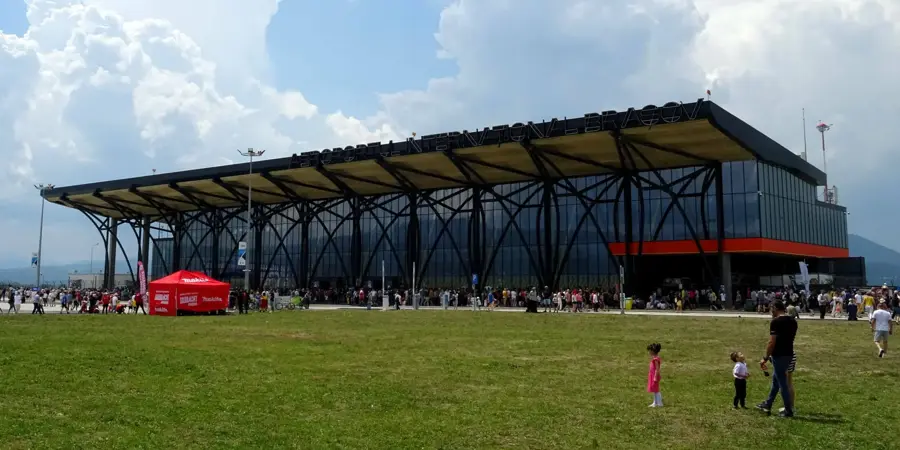
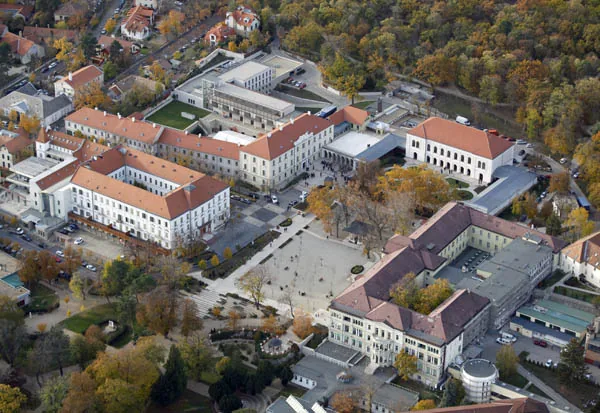
History & landmarks
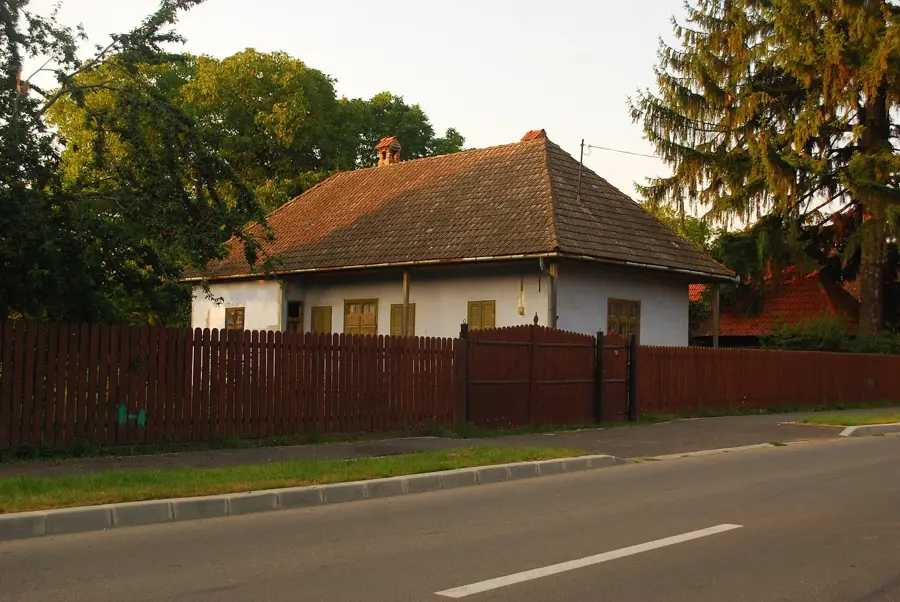
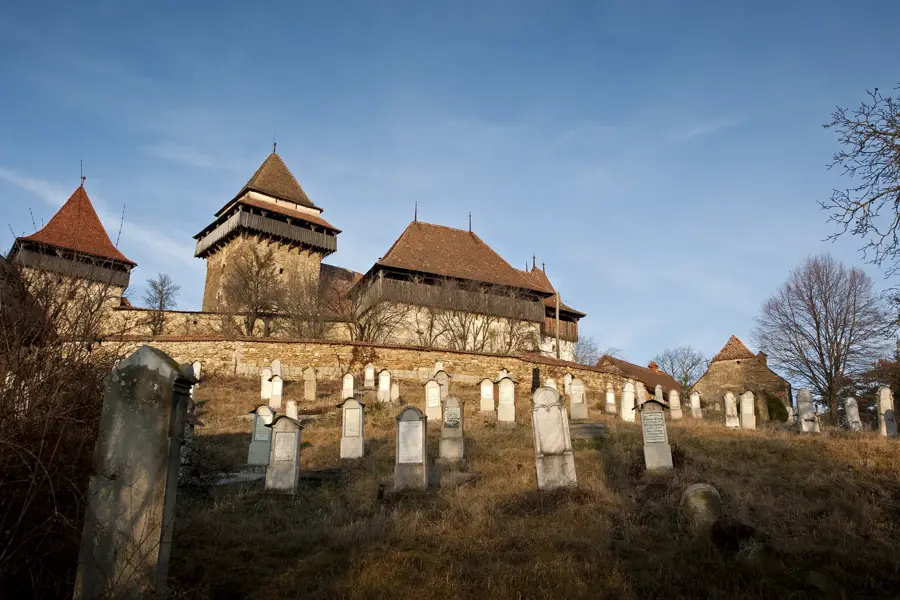
Nature
More places