Festival of the Children of Mountains
Since 1992, children's folk ensembles from around the world gather in July; a colourful parade through the old town and fireworks on the market square draw thousands.
PlizioGo
A must-try sweet treat. The parlors around the Rynek have been serving classic flavors for generations.
Look for rustic inns (karczma) near the Ethnographic Park serving hearty mountain dishes like oscypek cheese and potato dumplings.
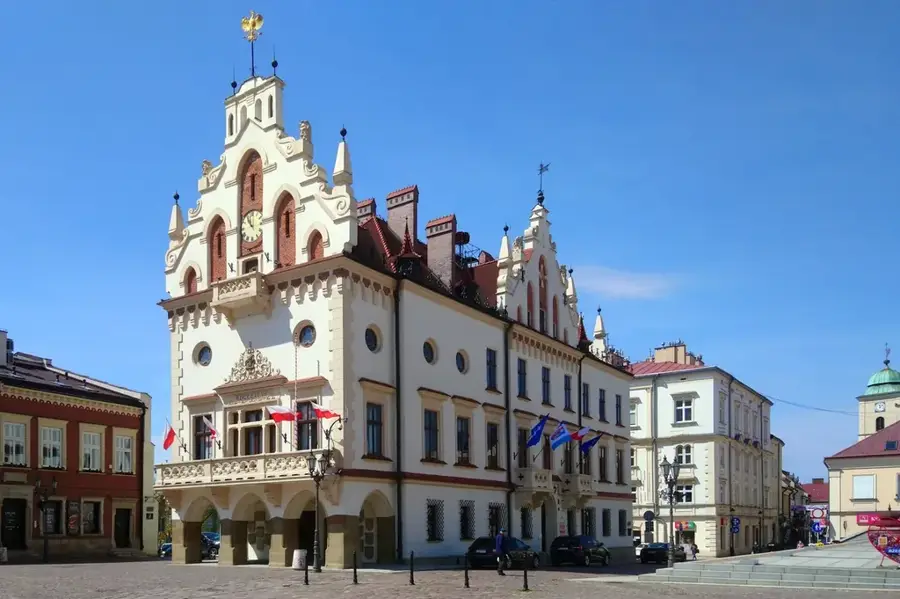
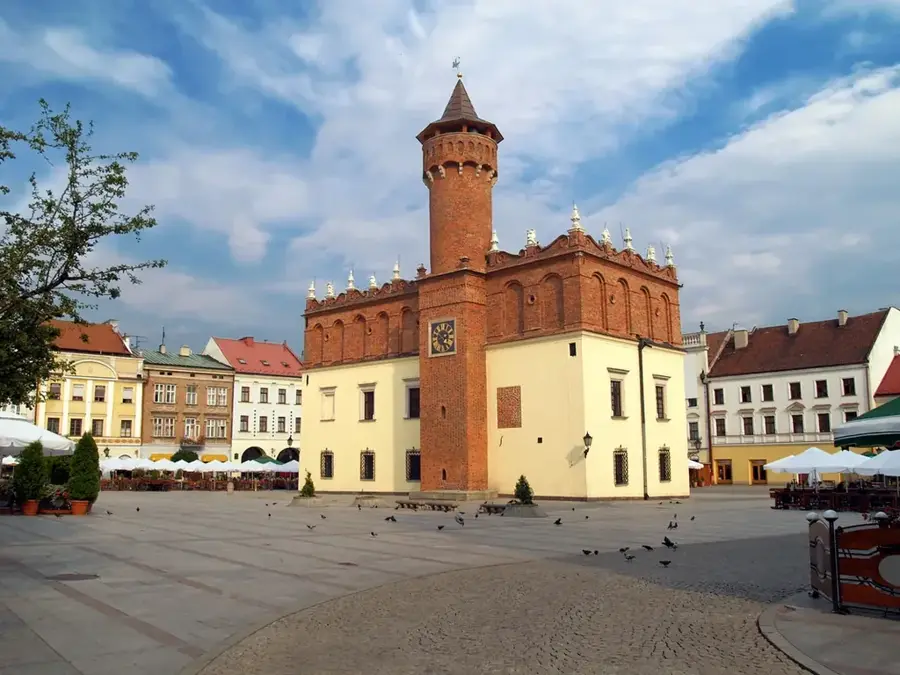
Grab a coffee and a slice of szarlotka (apple pie) at one of the cafes with a view of the historical town hall.
The main pedestrian and commercial artery extending from the market square, excellent for browsing small local boutiques.
Buy authentic wooden souvenirs and traditional lace at the shops near the Sądecki Ethnographic Park.
Even if you aren't a museum fan, the vast, tree-lined open-air park is a tranquil place for a quiet walk.
The park surrounding the remains of the castle by the river is a small but calm green space in the city.
Water temperature…
Since 1992, children's folk ensembles from around the world gather in July; a colourful parade through the old town and fireworks on the market square draw thousands.
Annual Easter fair at the Miasteczko Galicyjskie open-air museum with crafts, holiday-table specialties and children's workshops in spring.
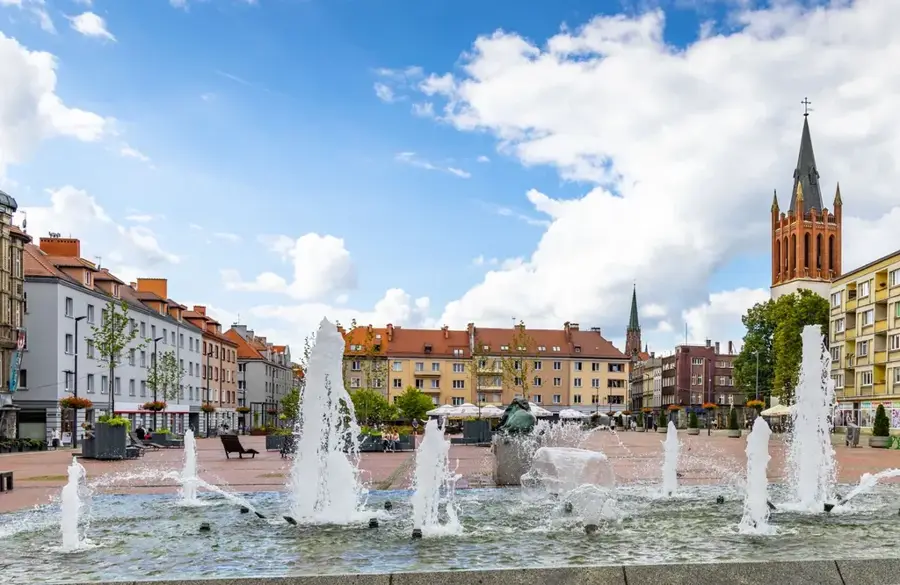
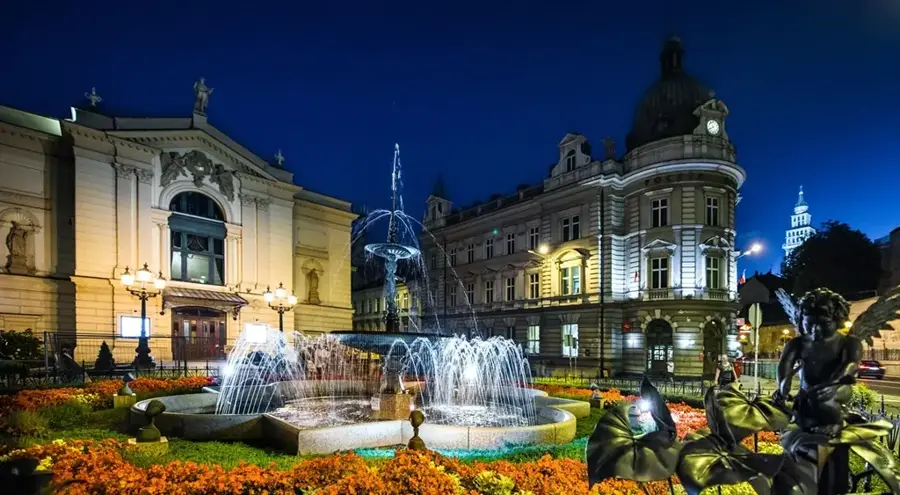
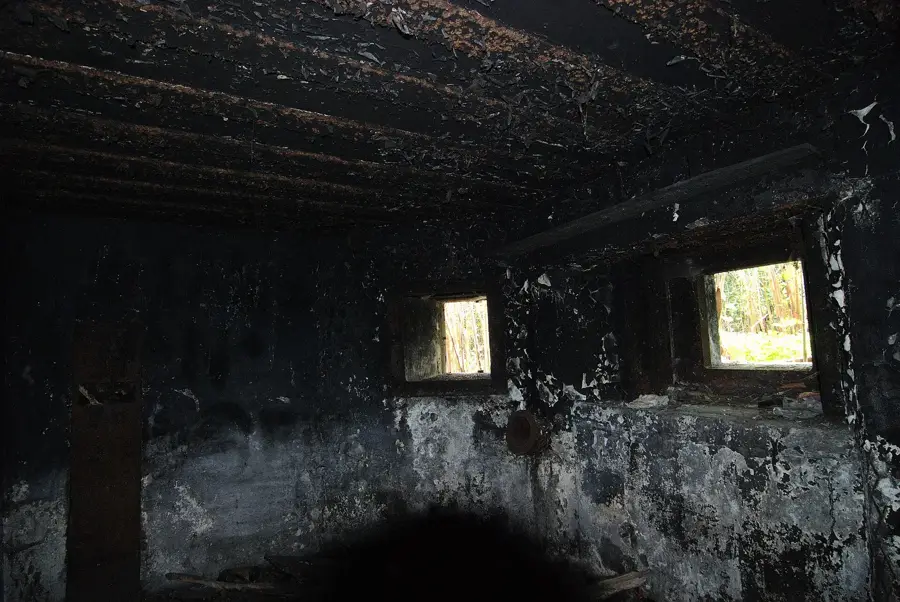
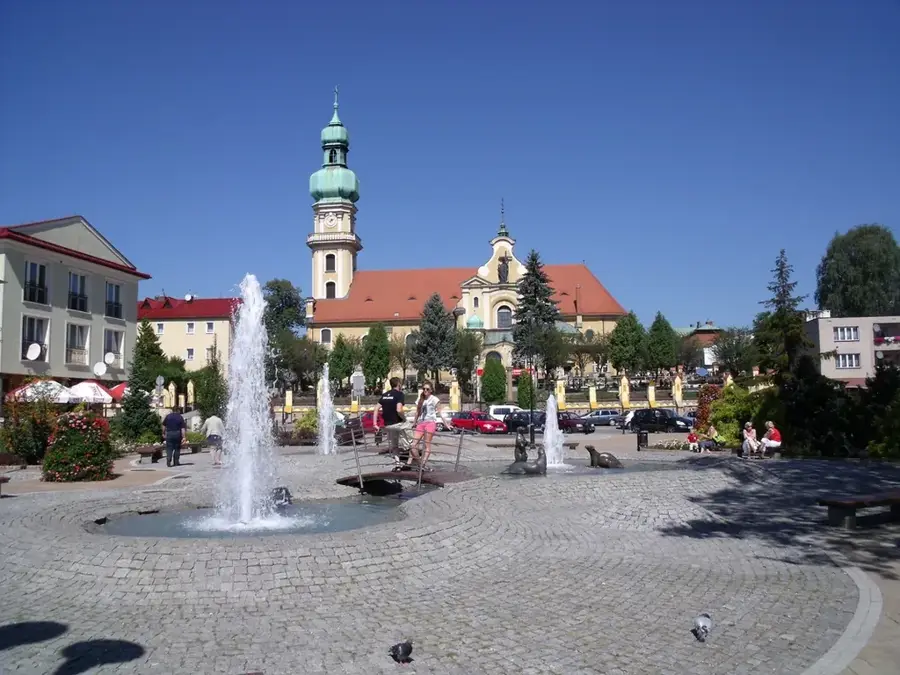
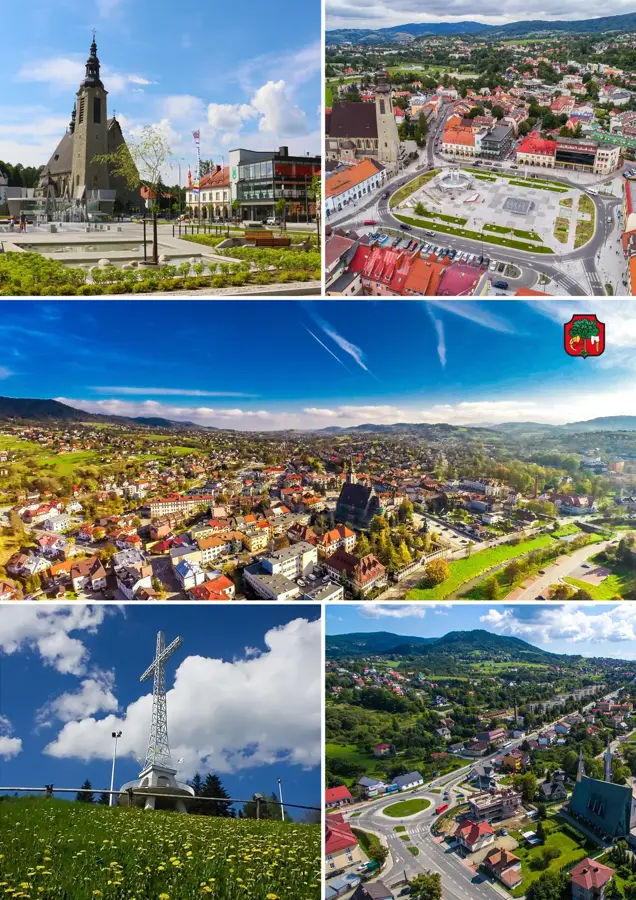
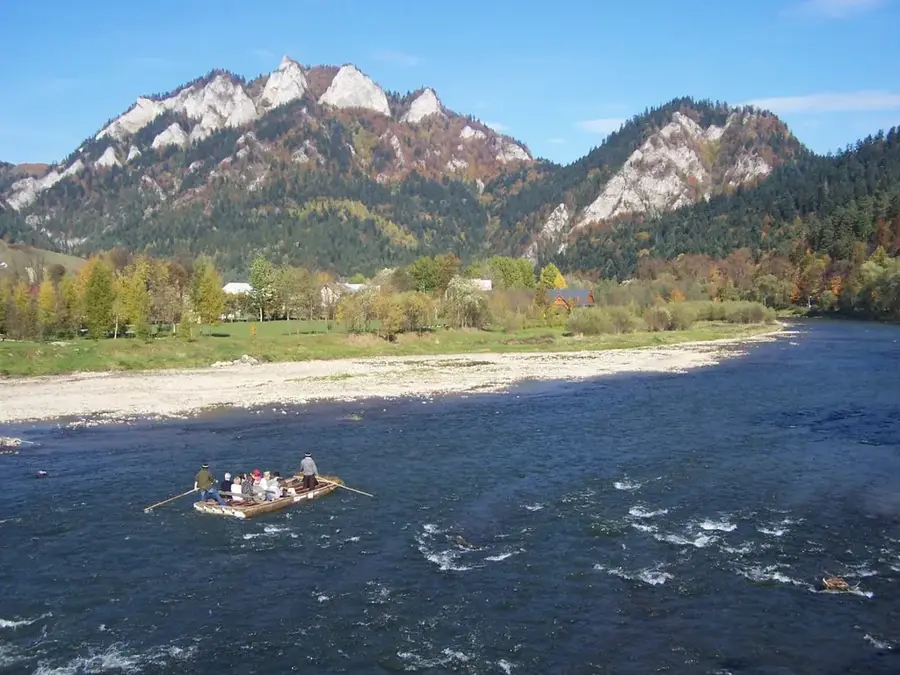
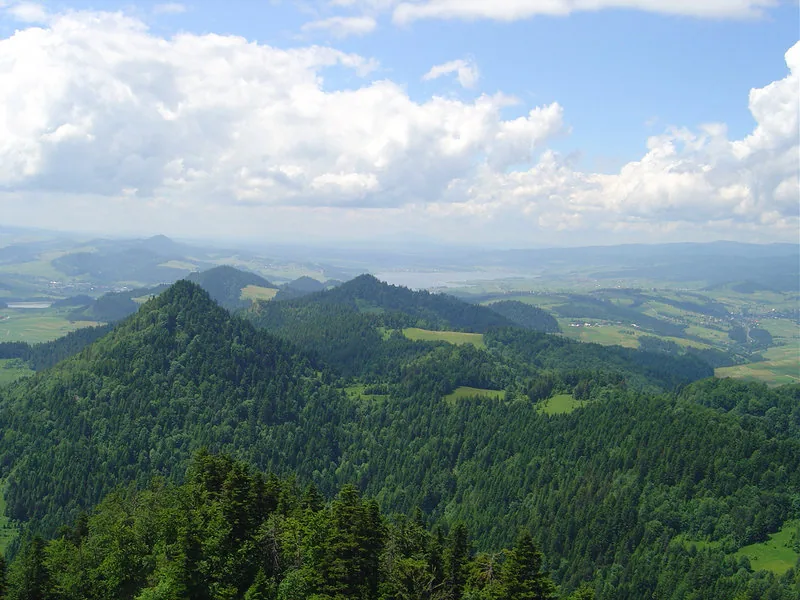
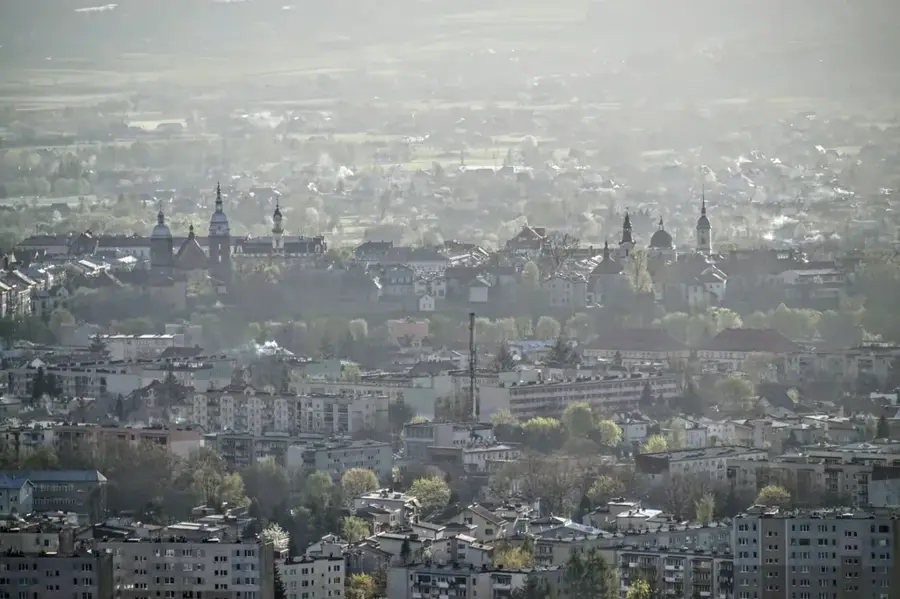
Nowy Sącz is one of the oldest cities in the Lesser Poland Voivodeship, beautifully located at the confluence of the Dunajec and Kamienica rivers. Founded in 1292, it quickly grew into a major trade center due to its strategic position on a key merchant route connecting Poland with Hungary. During the Middle Ages, it was a royal residence boasting a massive castle; however, after a tragic explosion in 1945, only a reconstructed bastion and fragments of the walls remain today. The city's layout is centered around one of Poland's largest town squares, featuring a grand, eclectic-style Town Hall. Modern Nowy Sącz is a prominent hub for the railway industry (Newag) and construction materials. Culturally, the city is home to the Sącz Ethnographic Park, one of Poland's finest open-air museums, which preserves the architecture and traditions of the region's diverse ethnic groups. Its proximity to the Beskid Mountains also makes it a popular starting point for Carpathian tourism.
The most pleasant time to visit is Jun–Aug.
| Jan | Feb | Mar | Apr | May | Jun | Jul | Aug | Sep | Oct | Nov | Dec | |
|---|---|---|---|---|---|---|---|---|---|---|---|---|
| Avg °C | -5 | -3 | 1 | 7 | 12 | 16 | 18 | 18 | 13 | 7 | 3 | -3 |
| Rain mm | 50 | 48 | 53 | 58 | 107 | 114 | 126 | 85 | 79 | 65 | 50 | 47 |
See what it looks like near Nowy Sącz right now.
Nowy Sacz · 0 km · Open webcam on Windy · Webcams provided by Windy.com
Notable places around
Where do you start? We build the route here, with stops and country notes along the way.
© OpenStreetMap contributors · OpenRouteService
Your day in Nowy Sącz begins in the bustling Market Square, the heart of the city. In the morning, you'll explore the Gothic basilica and the historic Town Hall. After a deep dive into regional history at the District Museum, you'll stroll to the picturesque ruins of the Royal Castle in the afternoon. The day concludes with an extensive visit to the open-air museum, bringing rural Poland closer to you.
The day starts at the rainy Market Square, where the historic arcades provide perfect shelter. At noon, we retreat to the District Museum to enjoy sacred art away from the wet. Afternoon involves a walk to the castle ruins and the ethnographic park, where waterproof boots are essential for the unpaved paths. We finish the evening in a cozy cellar restaurant near the Rynek.
A frosty morning begins at the snow-covered Market Square, where the Town Hall lights create a warm glow. At noon, we warm up in the Basilica and Luberadzki House before visiting the castle ruins. As the sun sets around 4:00 PM, we visit the Ethnographic Park early to see the snow-dusted wooden architecture in daylight. The day ends with a hot chocolate in the old town.
By bike, you can explore Nowy Sącz flexibly and up close. In the morning, you'll start at the Rynek and cycle to the city's sacred sites. At noon, your path leads to the historic castle ruins with a view of the river. The afternoon is reserved for a longer tour to the fascinating Ethnographic Park, where you can immerse yourself in rural culture and park your bike for a walk through the Galician Town.
A wet cycling tour starts at the slippery Market Square. We ride carefully to the Basilica and Luberadzki House, taking longer breaks to dry off. The route to the castle ruins and White Monastery follows damp asphalt paths. We spend the afternoon at the Ethnographic Park and Galician Town, locking our bikes in a sheltered spot. The day ends with a quick ride back to the city center.
The winter bike tour starts at the frosty Rynek. We cycle on cleared roads to the Basilica and Museum, warming up thoroughly during the stops. The ride to the castle ruins and monastery requires warm gloves in sub-zero temperatures. The afternoon at the Ethnographic Park showcases wooden architecture under glistening snow before heading to Galician Town before dark.
With a car, you experience Nowy Sącz in two chapters. In the morning, you park centrally and explore the historic core—from the Rynek to the basilica to the castle ruins—entirely on foot. After lunch, you drive to the second cluster, the expansive Ethnographic Park. There, you park again and immerse yourself on foot in the world of old Galicia, a perfect combination of urban stroll and rural discovery.
By car, we explore Nowy Sącz comfortably despite the steady rain. We park near the center for the Rynek and Town Hall, needing an umbrella only for short walks. The drive to the castle ruins and lunch remains dry. In the afternoon, we head directly to the Ethnographic Park parking lot and visit Galician Town before a relaxed drive home.
A winter car journey takes us through snowy Nowy Sącz. We enjoy the warm car interior between stops at the Rynek and Basilica. The drive to the castle ruins offers a great view of the winter panorama. At noon, we dine in a well-heated restaurant. We spend the afternoon in the atmospherically snowy Ethnographic Park before heading back as darkness sets in.
A gallery in Nowy Sacz dedicated to the Polish painter Maria Ritter, displaying her works.