Ruda Śląska Days
Ruda Śląska's annual city festival, usually held in June, centred on the city's mining heritage. Concerts, the coat-of-arms celebration, craft demonstrations and family attractions.
PlizioGo
Silesian roulade with red cabbage and dumplings, find it in traditional taverns.
Traditional Silesian sour rye soup, often served with local sausage.
Silesian blood sausage, best enjoyed baked or grilled in a traditional karczma.
Traditional hard candies, buy them at local confectioneries and traditional shops.
Visit the local open-air markets in the different districts for fresh regional produce.
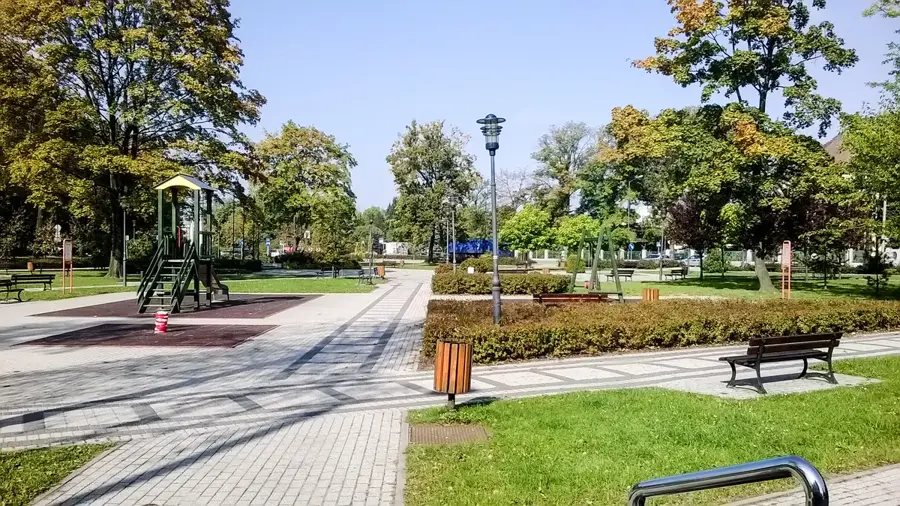
A pleasant park with a pond in the Wirek district, well-suited for resting.
A large green area in Bielszowice excellent for a quiet afternoon stroll.
Water temperature…
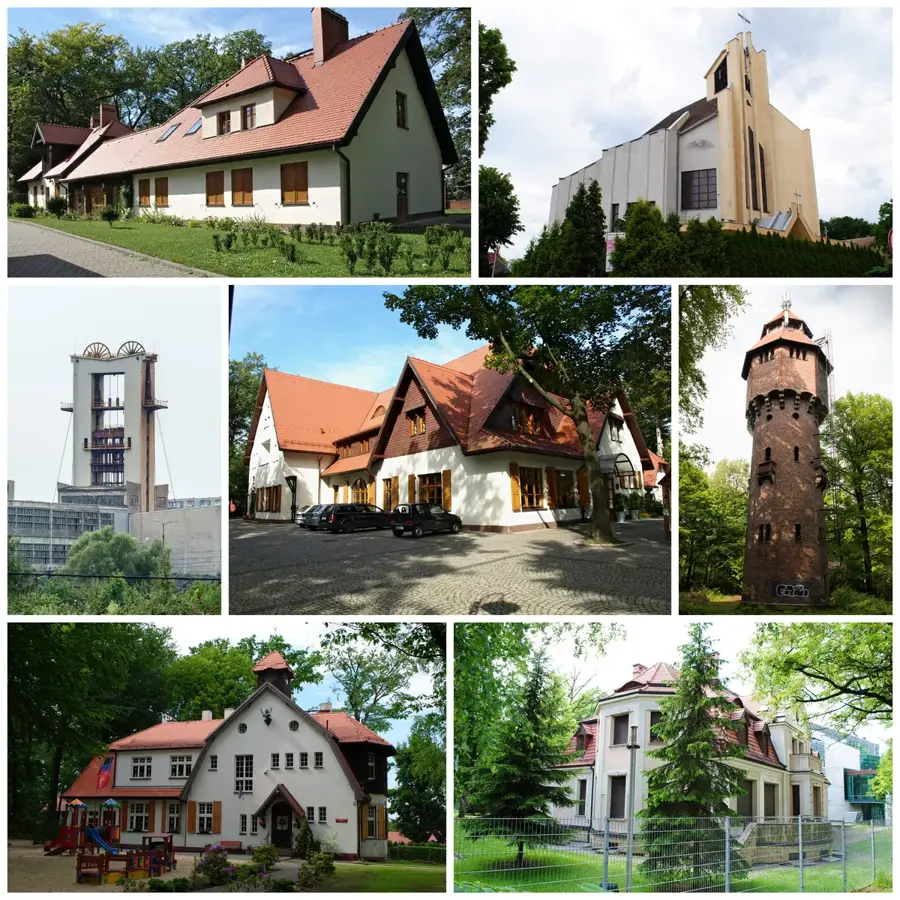
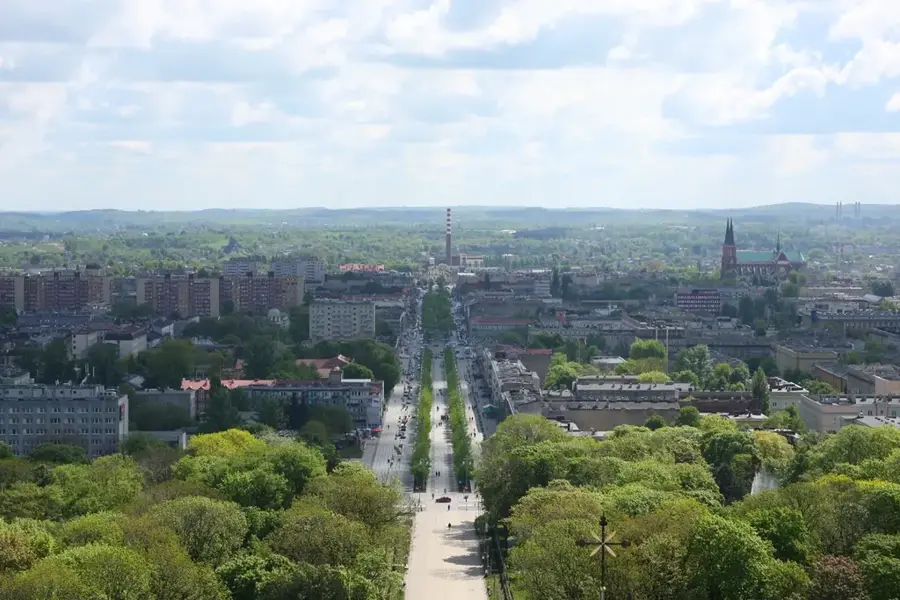
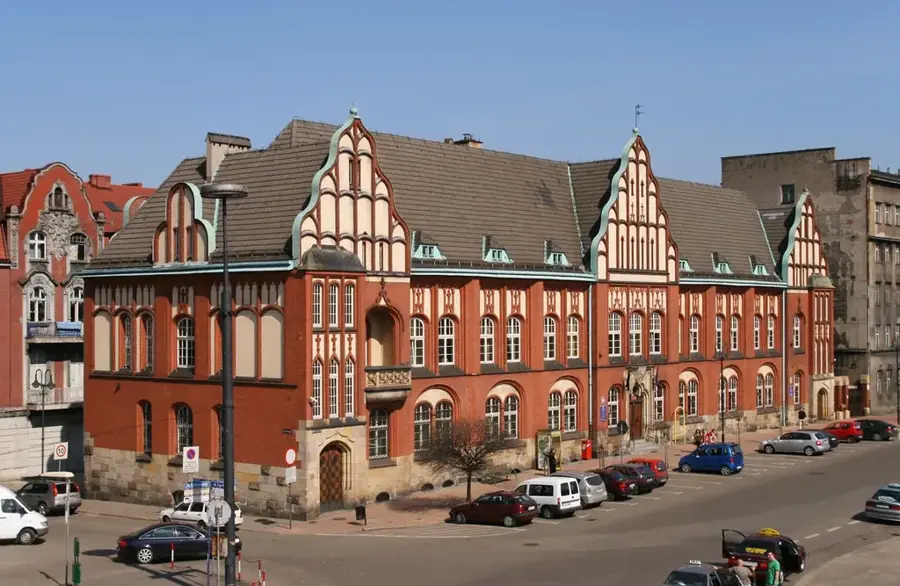
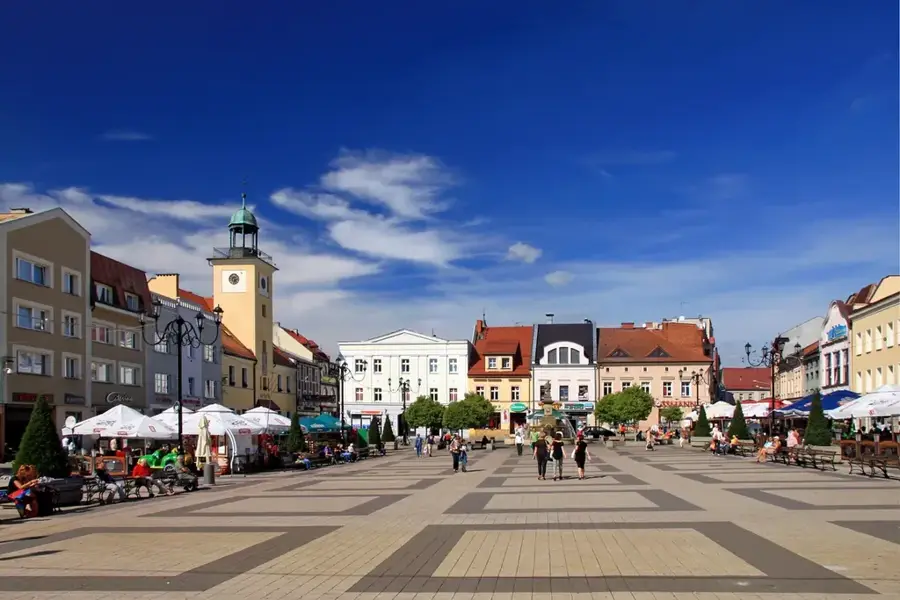
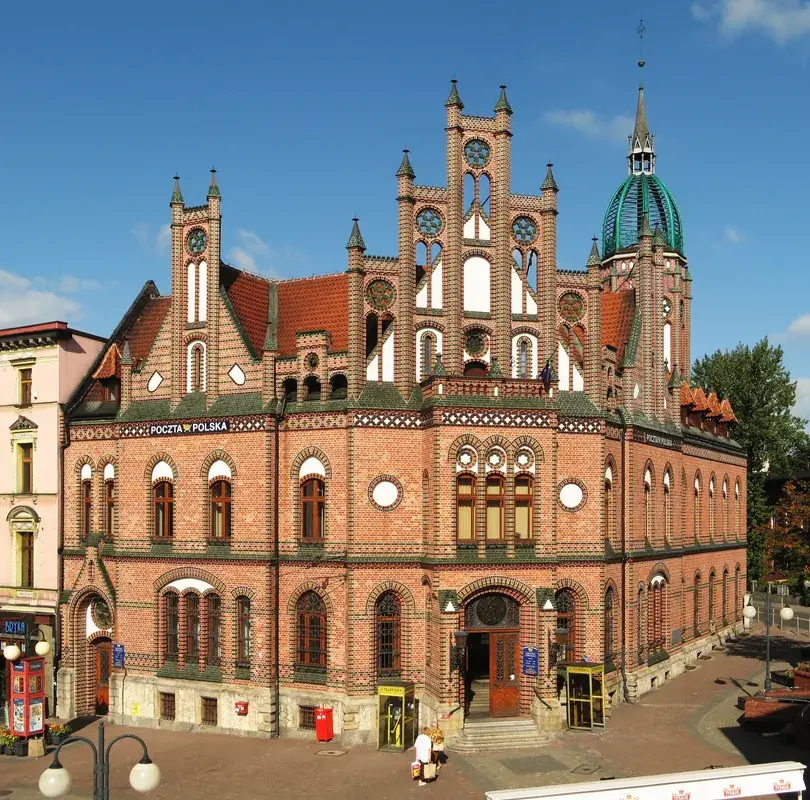
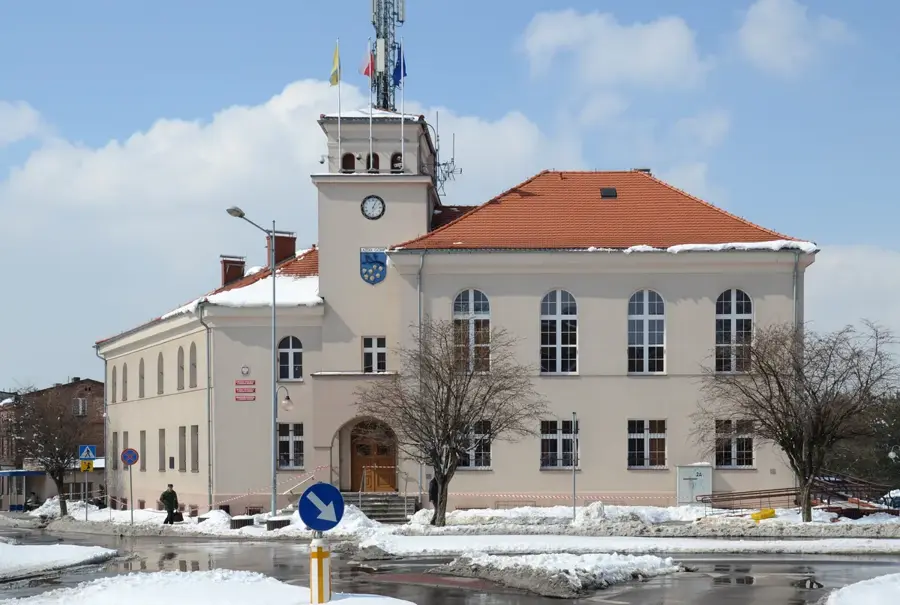
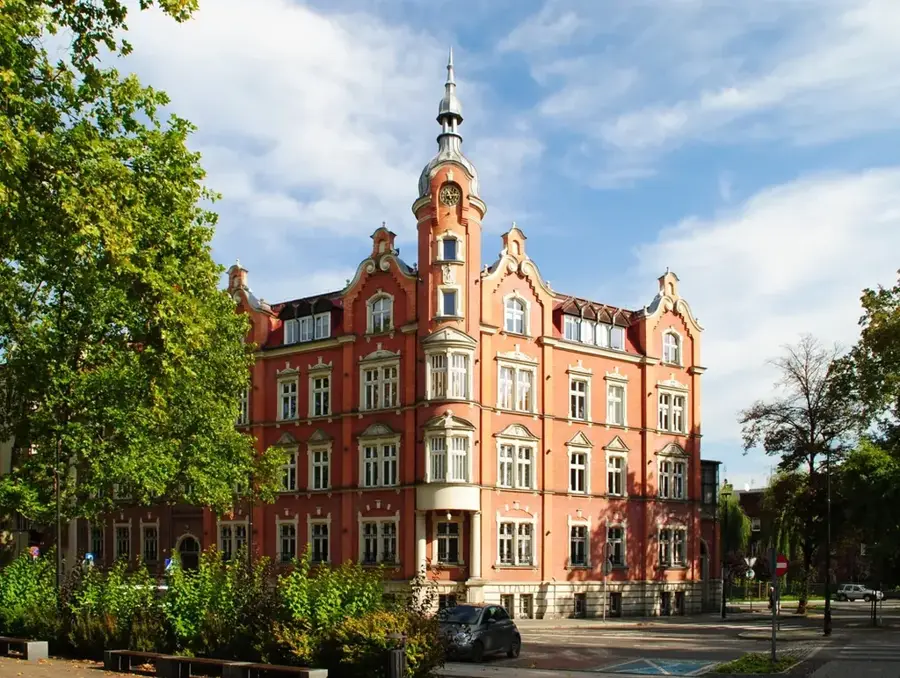
Ruda Śląska is a city located in the heart of the Upper Silesian industrial district, established in its current form in 1959 through the amalgamation of several historic settlements and mining villages. This unique developmental history is evident in the city's polycentric layout, consisting of eleven distinct districts, each retaining its own characteristic atmosphere. For many decades, the city's economy was almost entirely driven by coal mining and metallurgy, leaving behind massive industrial complexes and historic workers' housing estates like the Ficinus colony. Currently, Ruda Śląska is undergoing a major structural transition, repurposing former industrial sites into parks and leisure facilities. A prominent example of this modernization is the "Aquadrom," one of the largest water parks in the region. The city also preserves significant architectural landmarks, including the Neo-Gothic Town Hall and several Baroque churches, which provide cultural contrast to the surrounding industrial landscape. Supporting education and innovation remains a priority to attract young families to the area.
The most pleasant time to visit is Jun–Aug.
| Jan | Feb | Mar | Apr | May | Jun | Jul | Aug | Sep | Oct | Nov | Dec | |
|---|---|---|---|---|---|---|---|---|---|---|---|---|
| Avg °C | -3 | -2 | 3 | 9 | 14 | 18 | 20 | 20 | 15 | 9 | 4 | -1 |
| Rain mm | 49 | 42 | 46 | 46 | 84 | 84 | 85 | 69 | 66 | 53 | 47 | 45 |
See what it looks like near Ruda Śląska right now.
Paniowki › South-west: DAKOM - Gliwicka · 6.8 km · Open webcam on Windy · Webcams provided by Windy.com
Notable places around
Where do you start? We build the route here, with stops and country notes along the way.
© OpenStreetMap contributors · OpenRouteService
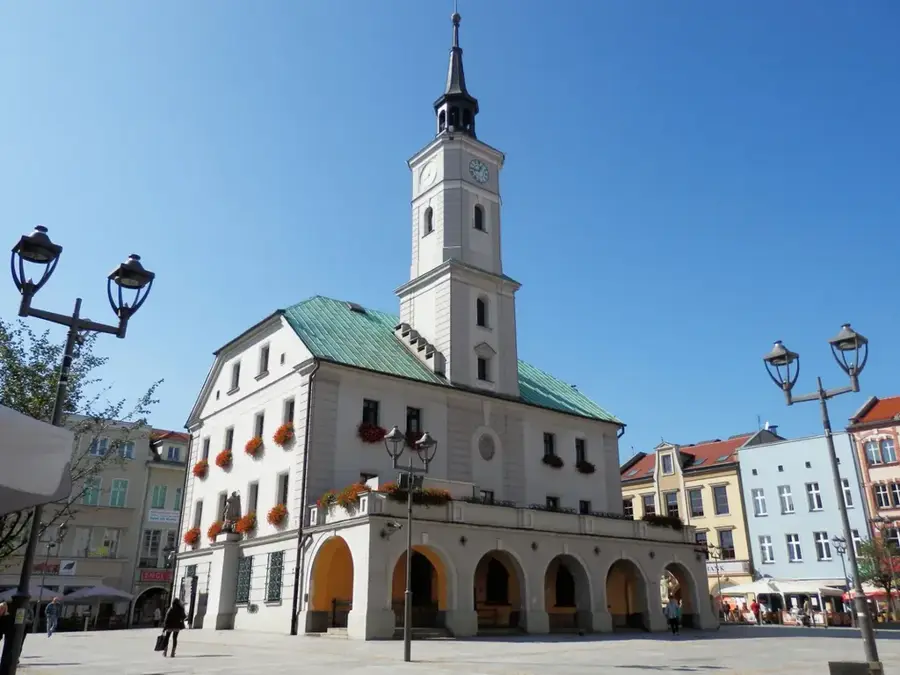
Your day in Ruda Śląska begins at the historic Town Hall, a testament to the city's civic history. A short walk takes you to the old Aeskulap Pharmacy and the peaceful St. Joseph's Church. The midday is dedicated to exploring the unique industrial heritage, starting with the Ficinus workers' settlement, which offers a glimpse into the miners' lives. In the afternoon, you'll delve deep into recent history at the Museum of the Polish People's Republic. The day concludes at the Mikołaj Shaft, a powerful symbol of the industrial past, providing a thoughtful end to your journey through time.
The day starts at the Town Hall, with the square reflecting the rainy sky. By noon, St. Joseph's Church provides a dry sanctuary and a chance to admire Silesian brickwork. The afternoon is best spent inside the Museum of the Polish People's Republic, escaping the weather. We finish at the Mikołaj Shaft, where the industrial tower looks particularly evocative against the grey, misty backdrop.
A frosty morning at the Town Hall, with rime ice coating the local monuments. By noon, we warm up in St. Joseph's Church before heading to the Ficinus settlement, which looks cozy under a blanket of snow. The afternoon museum visit provides a welcome break from the cold. As darkness falls around 4 PM, the Mikołaj Shaft stands out beautifully against the winter sky.
Get on your bike and start your exploration at the Ruda Śląska Town Hall. Your route takes you through the heart of Silesian industrial heritage, passing the historic Ficinus workers' settlement, the double shaft, and the impressive ruins of the power plant. Each stop reveals another layer of the region's rich mining past. The midday offers a break from industrial culture with a visit to the Museum of the Polish People's Republic. In the afternoon, you'll cycle on to the mighty Mikołaj Shaft before ending your day in the peaceful atmosphere of St. Joseph's Church.
Rain won't stop our bike tour starting at the Town Hall. The ride to Ficinus requires care on the wet brick surfaces. By noon, we explore the power plant ruins, where the rain adds to the gritty industrial vibe. We spend the afternoon at the dry museum before cycling past St. Joseph's Church, its red bricks looking deep and saturated in the wet weather.
Early morning ride from the Town Hall in freezing temperatures. The air is crisp and cold in the Ficinus settlement. By noon, we reach the mine shafts, where the contrast between black coal heritage and white snow is striking. After warming up in the museum, we cycle to St. Joseph's Church as the winter sun sets, casting long shadows.
The car allows you to efficiently explore Ruda Śląska's scattered industrial treasures. The morning is for the raw but fascinating outskirts, exploring the power plant ruins and the nearby double shaft. Then, drive to the historic Ficinus workers' settlement. By midday, you'll head to the city center, park up, and explore the Town Hall square and St. Joseph's Church on foot. The afternoon takes you on another drive to the Museum of the Polish People's Republic for a socialist-era immersion, ending at the imposing Mikołaj Shaft, a symbol of Silesian strength.
We start comfortably by car at the power plant ruins while rain drums on the roof. The drive takes us to the Double Shaft and Ficinus settlement, where we can admire the architecture from the car window. At noon, we park by the Town Hall to visit the pharmacy and church. The afternoon museum visit is the highlight, ending the day dry at the Mikołaj Shaft.
A snowy start at the power plant ruins. From the warmth of the car, we visit the Double Shaft and the wintery Ficinus settlement. At noon, we park at the Town Hall, enjoying the festive winter square. After the pharmacy and church, we warm up at the museum, finishing the day at the illuminated Mikołaj Shaft.