BEER GEEK MADNESS 2027
The ultimate festival for craft beer enthusiasts at Czasoprzestrzeń. Discover unique brews and enjoy a great atmosphere in Wrocław.
Plizio Visual Lab
Weather…
Water temperature…
The ultimate festival for craft beer enthusiasts at Czasoprzestrzeń. Discover unique brews and enjoy a great atmosphere in Wrocław.
Experience the pure energy of Modestep live at Klub Łącznik. A must-see for fans of electronic beats and pop-infused sounds.
The region's biggest rap event at the Centennial Hall. Top artists from the scene come together for an unforgettable festival experience.
Atmospheric rock and profound melodies await you in Wrocław. Immerse yourself in the unique soundscapes of Heretoir at Klub Łącznik.
Catch one of Poland's biggest rock stars live at the iconic Centennial Hall. A spectacular performance in a historic setting.
An intense night of industrial and electronic dance music at Klub Łącznik, featuring special guests Cygnosic and Bagger 258.
Energetic Celtic punk and rock at Klub Łącznik. Get ready for a high-octane performance that will keep you moving all night long.
The legendary alternative metal band brings its spectacular show to Wrocław. Experience an intense musical night at the popular Klub Łącznik.
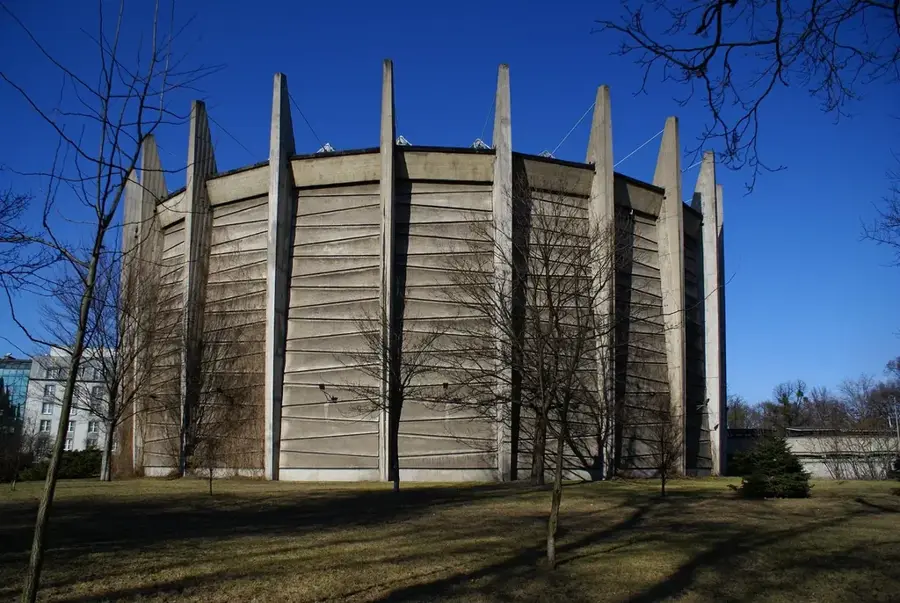
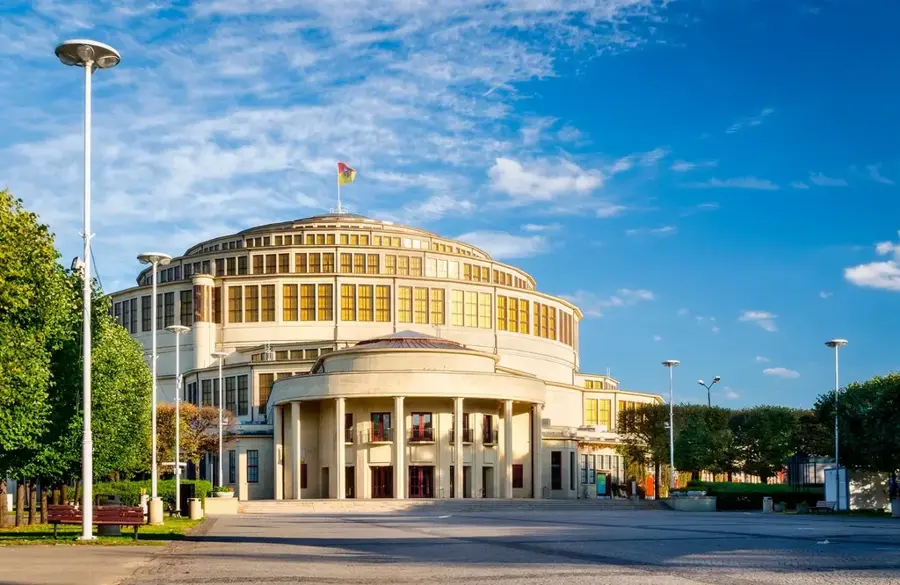
The Centennial Hall in Wrocław is a pioneering work of modern architecture and a milestone in the application of reinforced concrete. Designed by architect Max Berg, it was built between 1911 and 1913 to commemorate the 100th anniversary of the liberation wars against Napoleon. The hall is noted for its massive dome with a span of 65 meters, which at the time of its completion was the largest structure of its kind in the world. Its architectural form combines functional severity with innovative engineering, providing seating for up to 10,000 people. Throughout the century, it has served as a venue for major cultural and sporting events, as well as political congresses, such as the World Congress of Intellectuals in 1948. Since 2006, the Centennial Hall has been listed as a UNESCO World Heritage site for its significant influence on the development of 20th-century architecture. The surrounding area, featuring the pergola and the multimedia fountain, is now a major tourist and cultural hub in Wrocław.
The most pleasant time to visit is Jun–Aug.
| Jan | Feb | Mar | Apr | May | Jun | Jul | Aug | Sep | Oct | Nov | Dec | |
|---|---|---|---|---|---|---|---|---|---|---|---|---|
| Avg °C | -2 | -1 | 3 | 9 | 14 | 18 | 20 | 20 | 15 | 9 | 4 | 0 |
| Rain mm | 43 | 35 | 41 | 37 | 69 | 74 | 84 | 68 | 57 | 47 | 41 | 39 |
Notable places around
Where do you start? We build the route here, with stops and country notes along the way.
© OpenStreetMap contributors · OpenRouteService
Multi-purpose hall in Wrocław, built 1911-1913, a UNESCO World Heritage site.
Sculpture of a dromedary camel in the park near the Centennial Hall.
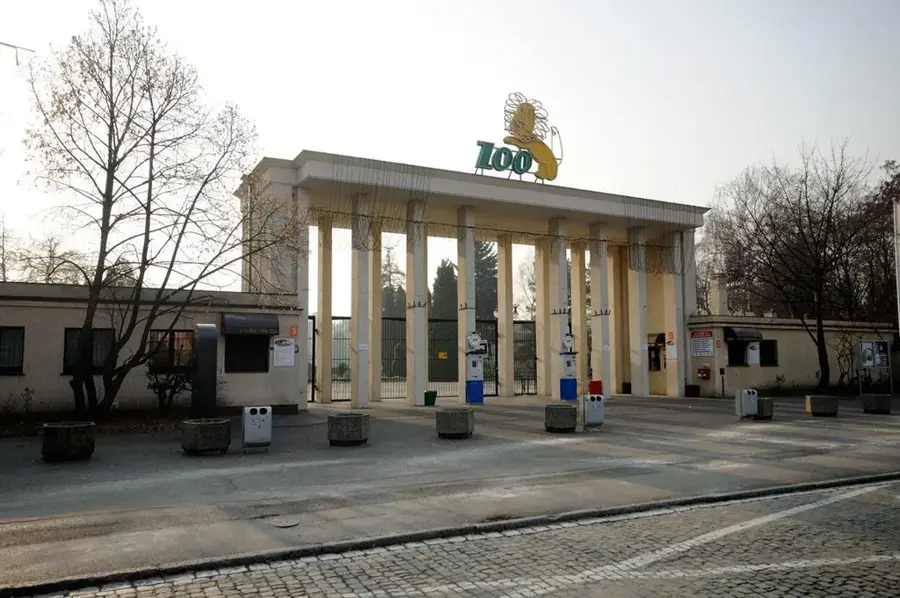
Zoo in Wrocław, one of the oldest and largest zoos in Poland.
Bridge in Wrocław, connects islands across the Oder River.
Park in northeastern Wrocław, with old trees and playgrounds.
Footbridge in Wrocław, spans the Oder River.
Large park in Wrocław, known for its Japanese garden and rhododendron field.