National Festival of Polish Song
One of Poland's most important music festivals, held annually since 1963 in June at the Opole amphitheatre and broadcast on television. Debut and premiere competitions featuring the biggest stars of the Polish stage.
PlizioGo
Try these traditional Silesian potato dumplings with a characteristic dent at a local restaurant near the main square.
Silesian beef roulade is a regional classic that is almost always served with a side of red cabbage.
Find a local milk bar (bar mleczny) to enjoy authentic, home-style dumplings that are also very budget-friendly.
A large, modern shopping mall conveniently located right in the city center for everyday needs and global brands.
Browse the market stalls for fresh, locally grown produce and jars of regional Silesian honey.
A sprawling park that also houses the city's zoo; excellent for long, relaxing walks among nature.
Quiet, well-maintained pedestrian and cycling paths right along the water, away from the city traffic.
Water temperature…
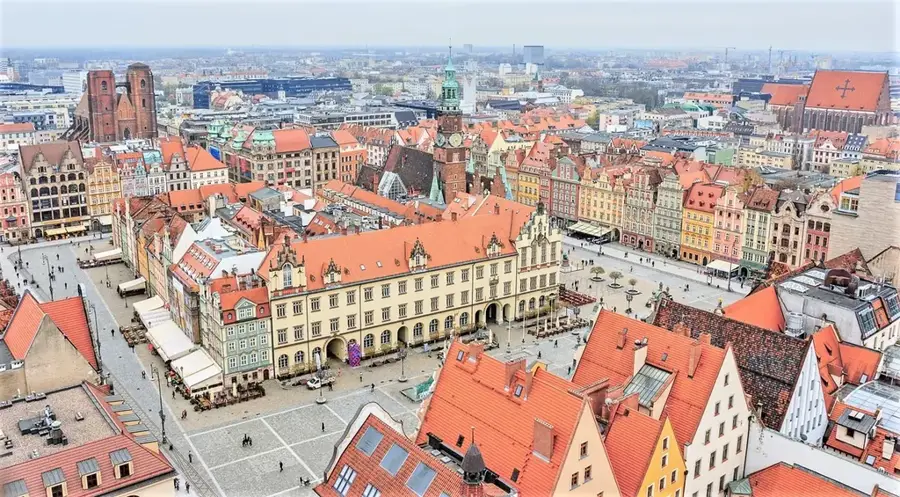
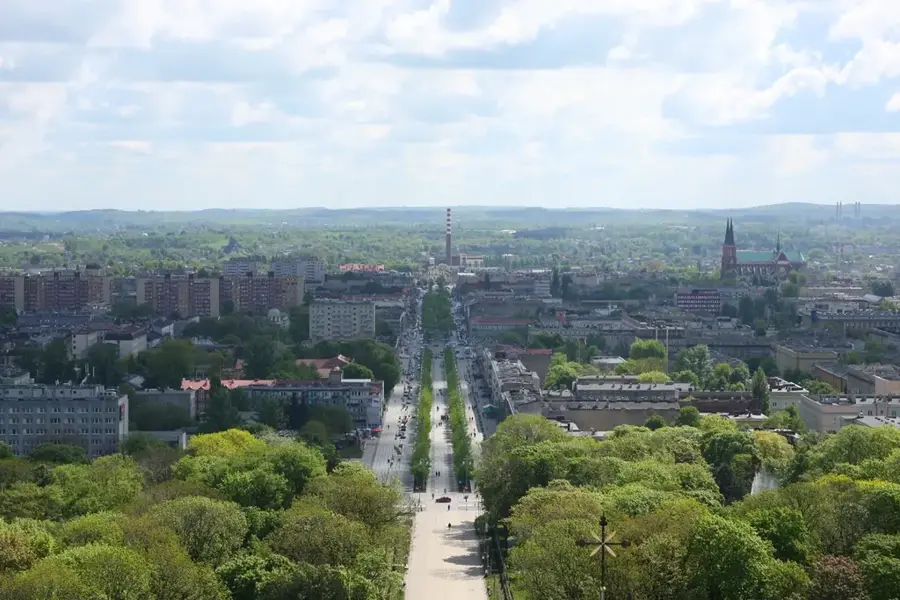
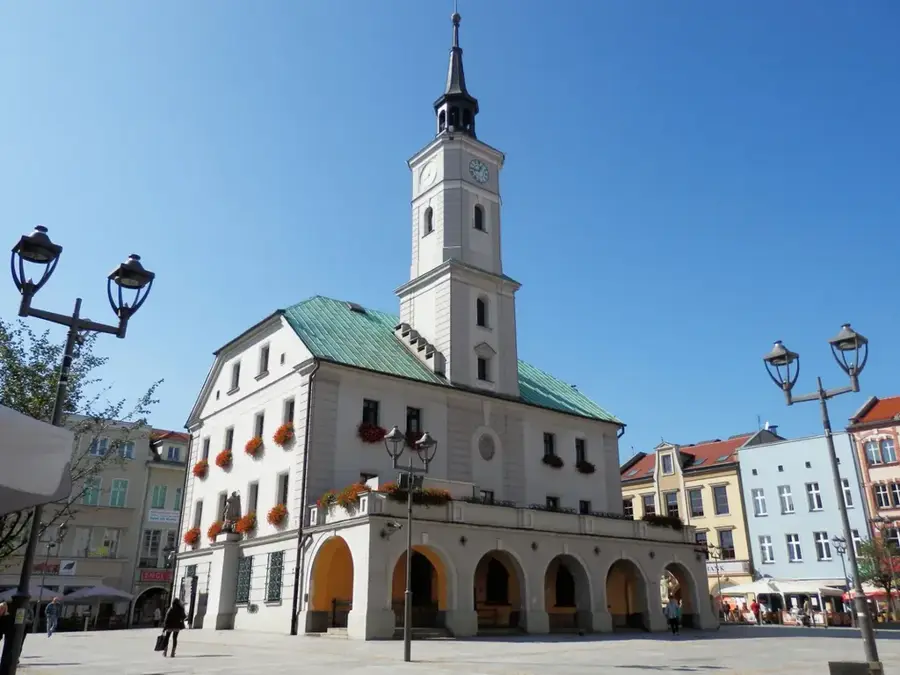
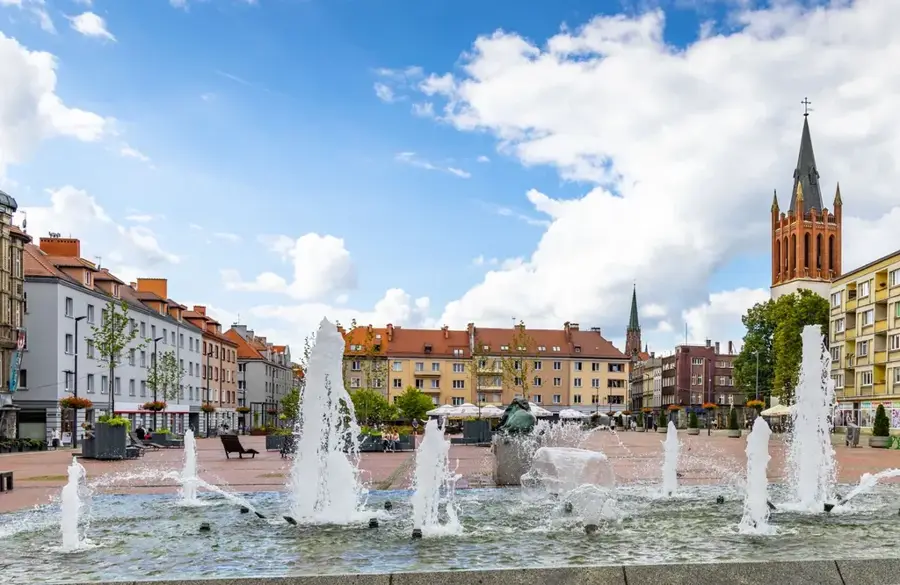
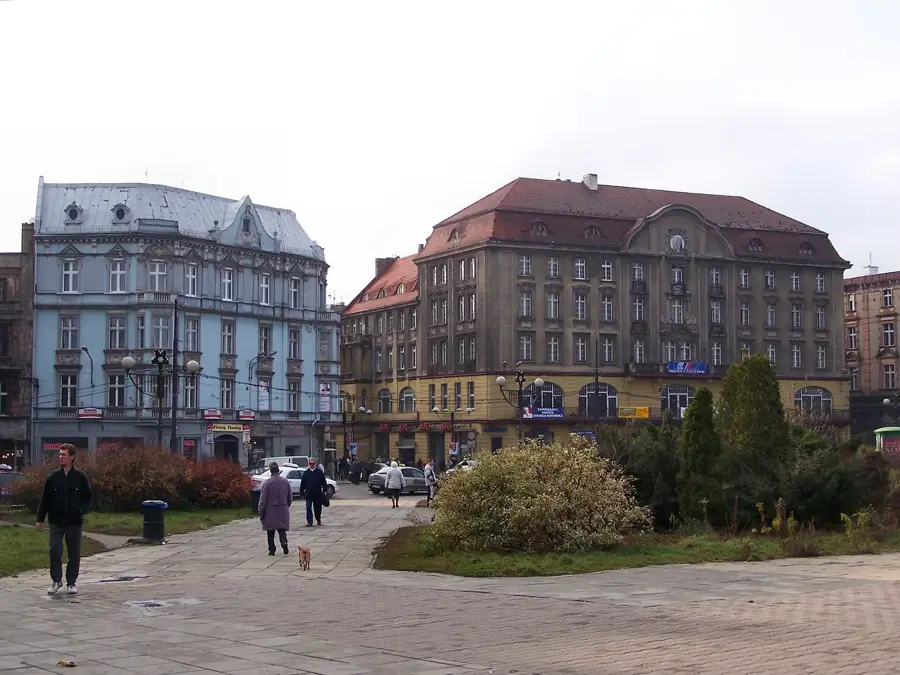
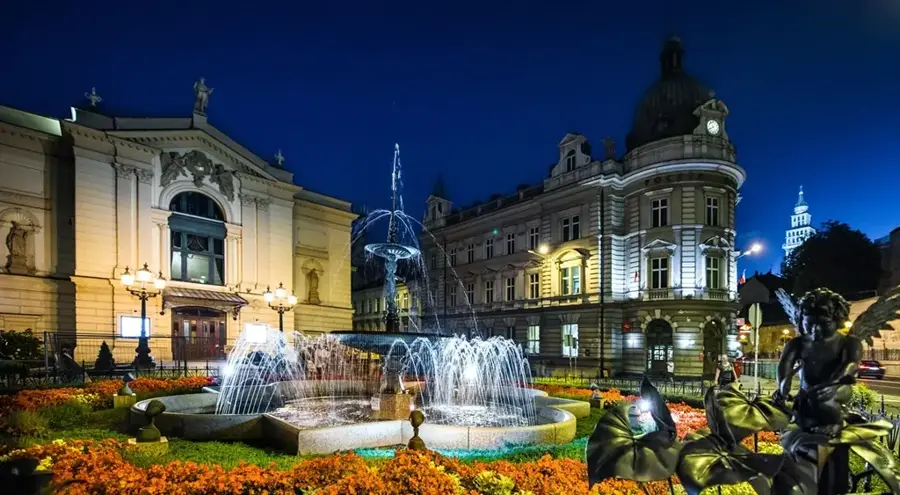
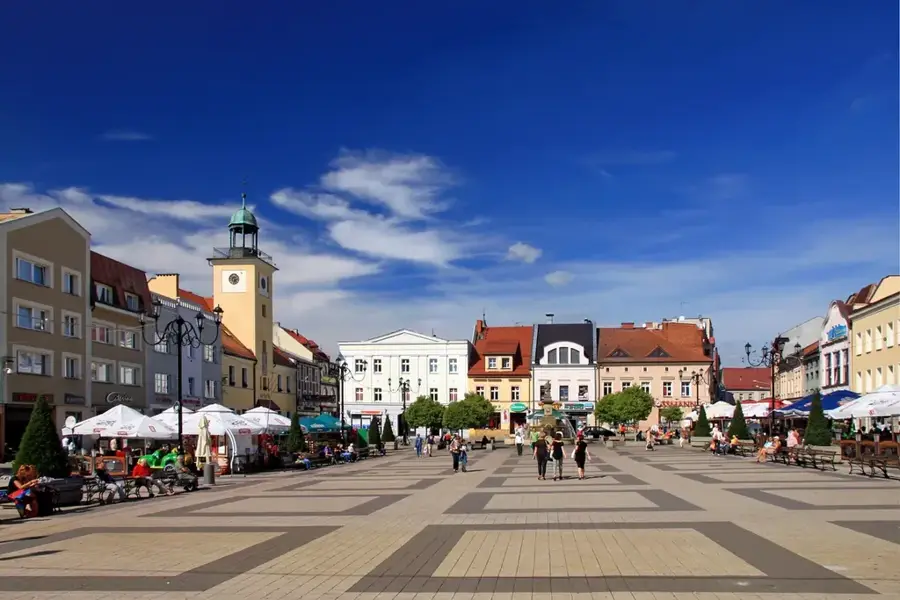
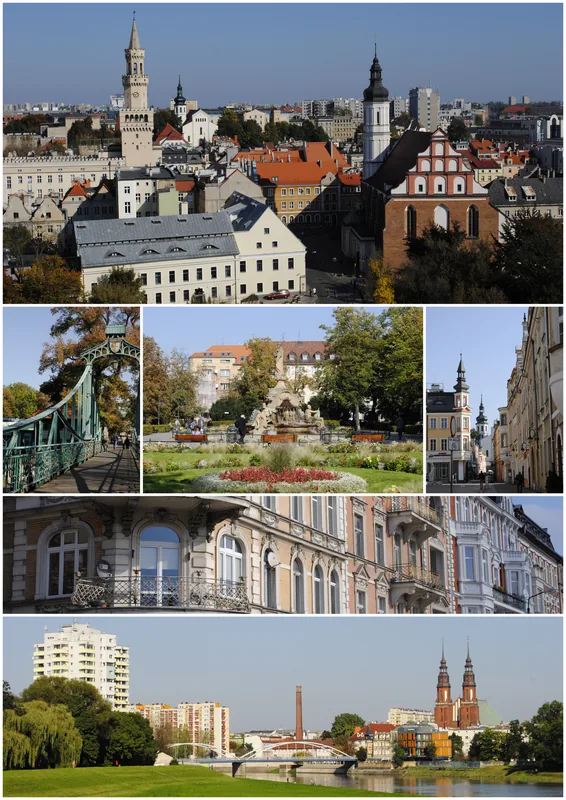
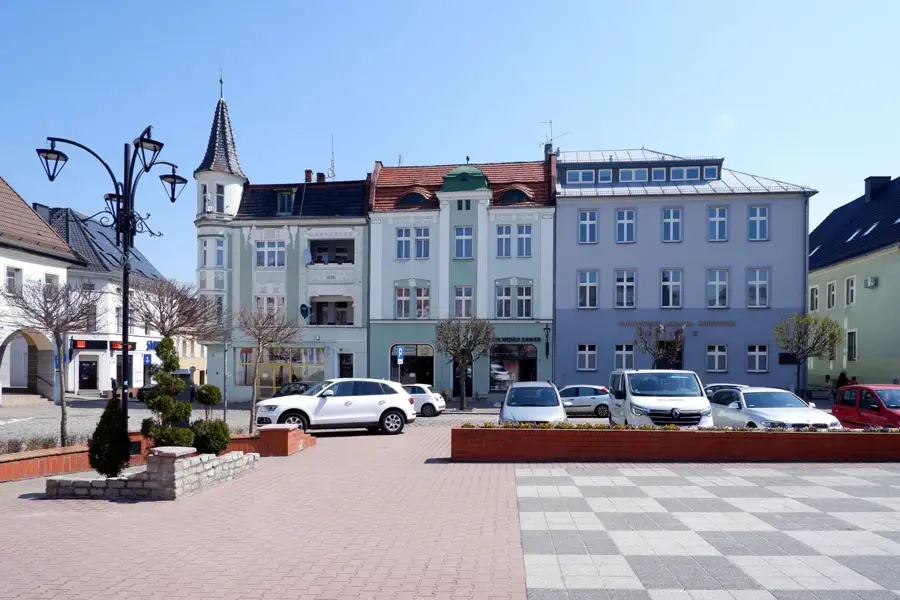
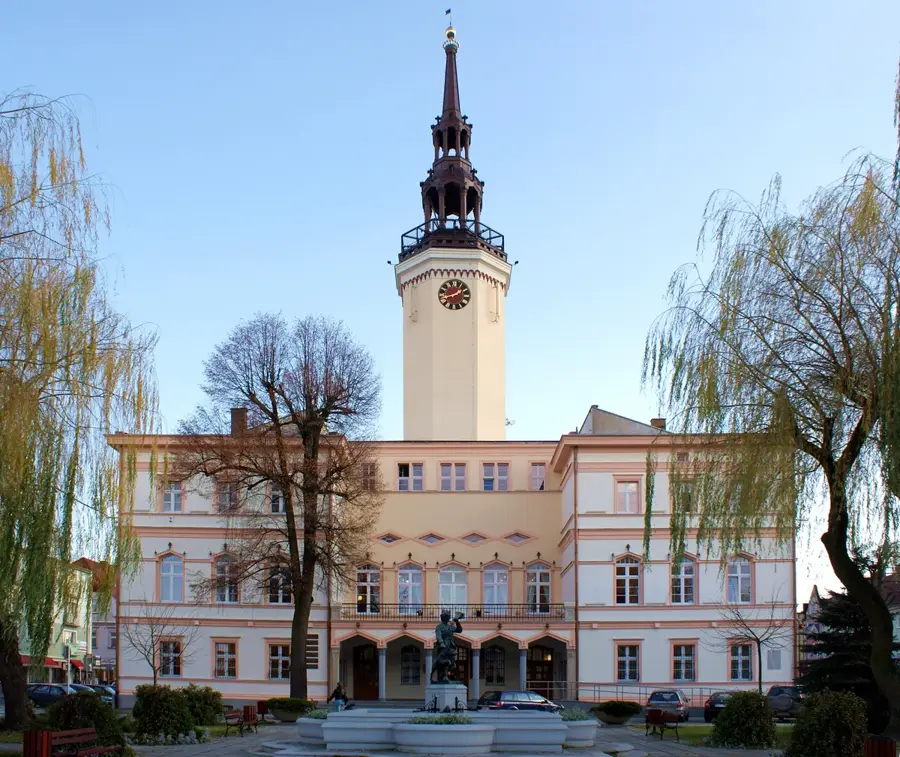
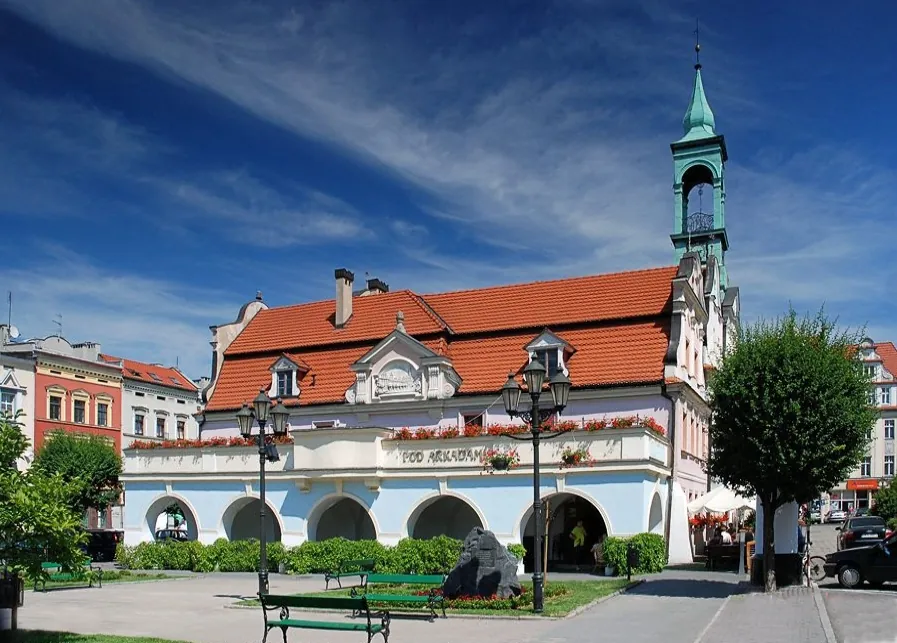
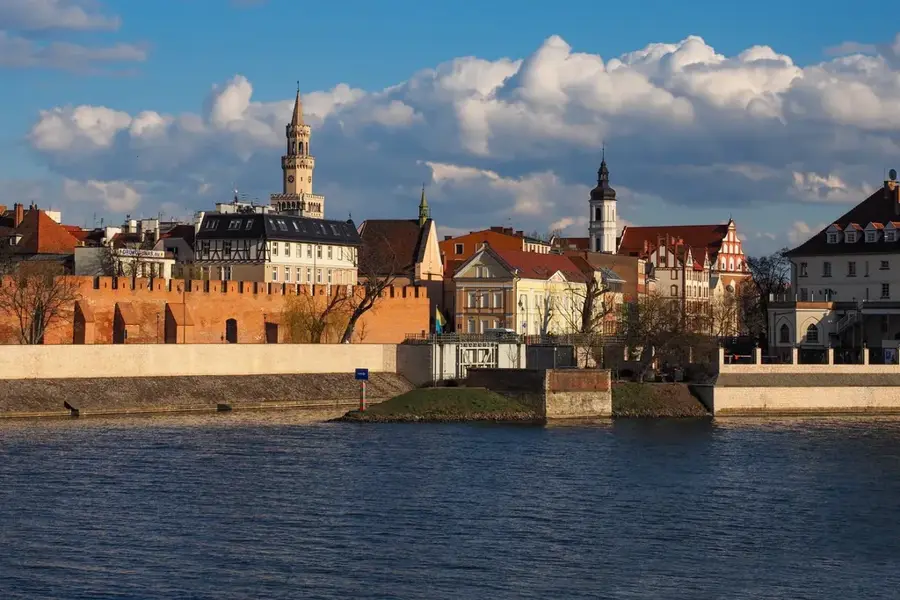
Opole is one of Poland's oldest cities and the historical capital of Upper Silesia, spanning both banks of the Oder River. Today, the city is widely celebrated as the "Capital of Polish Song," hosting the prestigious National Festival of Polish Song annually since 1963 in its iconic amphitheater. The urban landscape features the scenic "Opole Venice" along the Młynówka canal, where historic townhouses sit directly above the water's edge. A key landmark is the Piast Tower on Pasieka Island, the sole surviving structure of the former ducal castle and a symbol of the city's medieval heritage under the Piast dynasty. Opole serves as a major educational center with several universities and preserves a significant cultural influence from the region's German minority. The medieval Holy Cross Cathedral and the Town Hall, inspired by the Palazzo Vecchio in Florence, showcase the city's architectural richness. Its strategic location makes Opole a vital transportation hub and a center for the food and cement industries. Green areas like Bolko Island provide extensive recreational space near the city center.
The most pleasant time to visit is Jun–Aug.
| Jan | Feb | Mar | Apr | May | Jun | Jul | Aug | Sep | Oct | Nov | Dec | |
|---|---|---|---|---|---|---|---|---|---|---|---|---|
| Avg °C | -3 | -1 | 3 | 9 | 14 | 18 | 21 | 20 | 15 | 9 | 4 | -1 |
| Rain mm | 45 | 38 | 42 | 42 | 78 | 82 | 82 | 66 | 63 | 49 | 43 | 42 |
See what it looks like near Opole right now.
Opole: Cathedral of the Exaltation of the Holy Cross · 0.6 km · Open webcam on Windy · Webcams provided by Windy.com
Notable places around
Where do you start? We build the route here, with stops and country notes along the way.
© OpenStreetMap contributors · OpenRouteService
Your day in Opole begins in the charming Market Square with its Florentine-style Town Hall. From there, stroll to the towering Cathedral of the Holy Cross, then dive into the world of Polish music at the interactive Museum of Polish Song. At noon, climb the Piast Tower for a breathtaking view of the city. After descending, the picturesque Opole Venice awaits, an ideal spot for a relaxing lunch break by the canal. In the afternoon, cross the Odra River to the green Bolko Island, a perfect place for a restful walk. You'll end your day with a visit to the famous Opole Zoo before returning to the Old Town for dinner.
The morning starts under the town hall's porticos as rain hits the cobblestones. At noon, the Museum of Polish Song provides the perfect dry sanctuary with its interactive exhibits. In the afternoon, Opole Venice looks particularly mystical with the reflections in the water. We end the day at the zoo, where covered pavilions offer shelter while the nature outside breathes again.
A frosty morning begins at the town hall, where the scent of hot tea fills the air. At noon we warm up in the cathedral, then enjoy the modern heated spaces of the music museum. In the afternoon, frost sparkles on the bridges of Opole Venice. We end the day on Bolko Island, where bare trees form a quiet winter landscape before early darkness lights up the city.
Get in the saddle and start your tour at Opole's Town Hall. A short ride takes you to the remains of the Upper Castle before you cycle to the magnificent Cathedral of the Holy Cross. Climb the nearby Piast Tower for a fantastic view. At noon, glide along the picturesque 'Opole Venice' and enjoy the canal atmosphere. In the afternoon, pedal across the bridge to the green Bolko Island, which invites you for a relaxing circular tour. Spend some time at the extensive Opole Zoo before ending the day at the interactive Museum of Polish Song.
We cycle carefully through the wet streets of the old town to the town hall. At noon, we leave the bikes in a dry spot and explore the music museum. In the afternoon, the route follows the Młynówka canal, where trees offer natural protection. We end the day on Bolko Island, using paved paths to avoid the mud.
A refreshing winter tour starts at the main square. We cycle through the crisp air to the Upper Castle and warm up during visits. At noon, the tour leads over frosty bridges to Piast Island. In the afternoon, Bolko Island offers a quiet, snow-covered backdrop. We end the journey at the music museum, parking safely to finish the day indoors.
Start your day by parking your car near the Old Town. The first part of the day is a walking cluster: from the Town Hall in the Market Square to the Cathedral of the Holy Cross. Around noon, explore the charming 'Opole Venice', climb the Piast Tower for a great view, and enjoy lunch by the canal. In the afternoon, drive to Bolko Island, a large city park. There, you'll park again and spend the rest of the day walking through the park and enjoying an extensive visit to the modern Opole Zoo, the island's jewel. In the evening, drive back to the city or your hotel.
We use the car to commute dry between highlights. In the morning we park near the old town and visit the town hall. At noon, the drive leads to the museum by the amphitheater, where we can park right at the door. In the afternoon, we enjoy the view of Opole Venice from the warm car before heading to the zoo.
A relaxed winter day starts with a drive to the illuminated city center. We enjoy the warmth of the car between visits to the town hall and cathedral. At noon, the tour leads to Piast Island to visit the tower. We spend the afternoon on Bolko Island, warming up in the car after the walk, before ending the day at the zoo entrance.
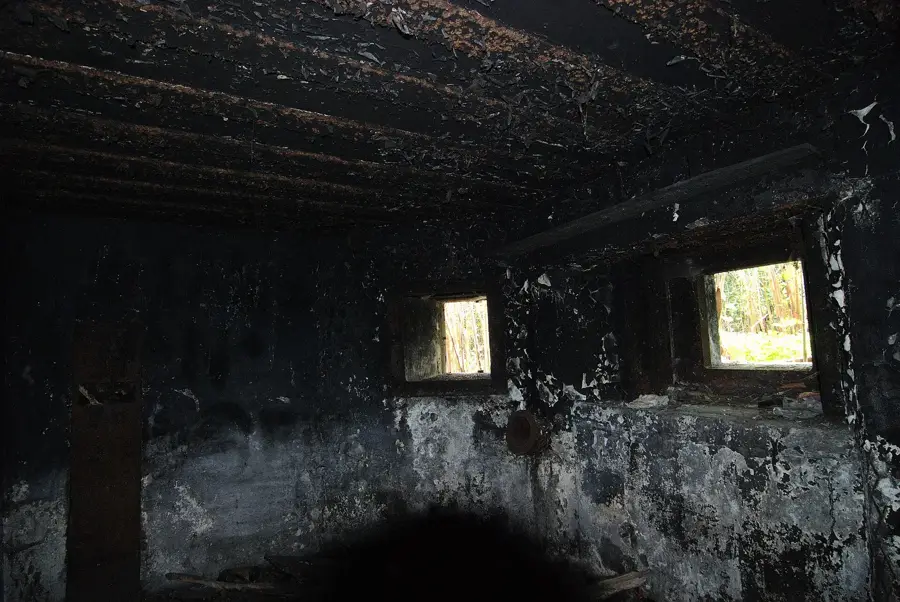
The Central Museum of Prisoners-of-War in Oppeln is dedicated to preserving the history of war captives.