Plizio Visual Lab

Pisac Ruins
Plizio editorial teamData Sources
Landmark
—°10
Pisac Ruins (Peru)

Weather…

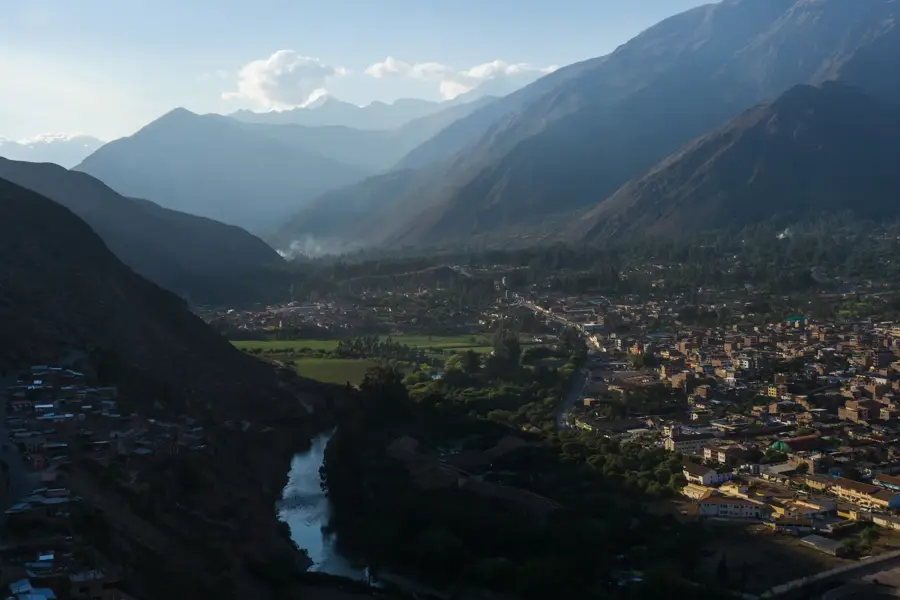
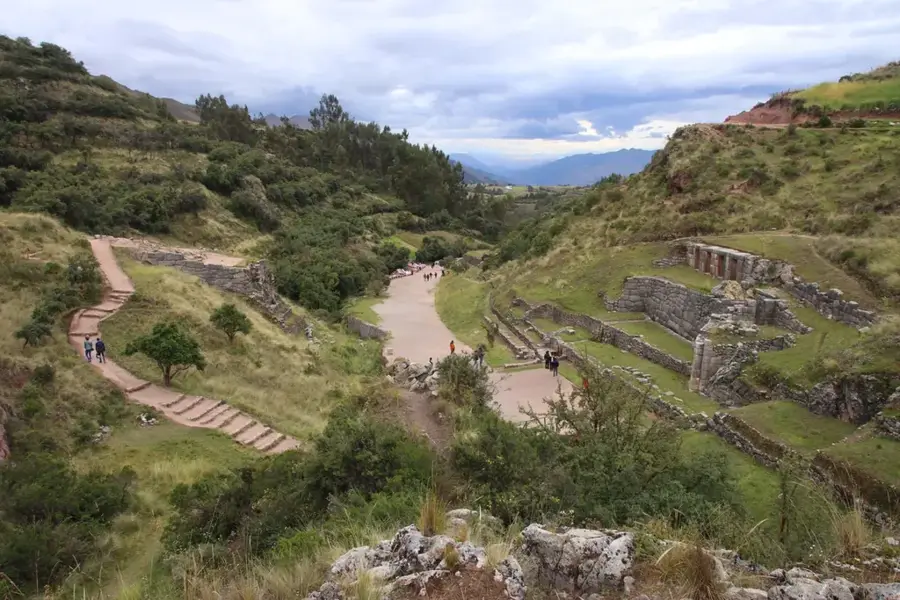
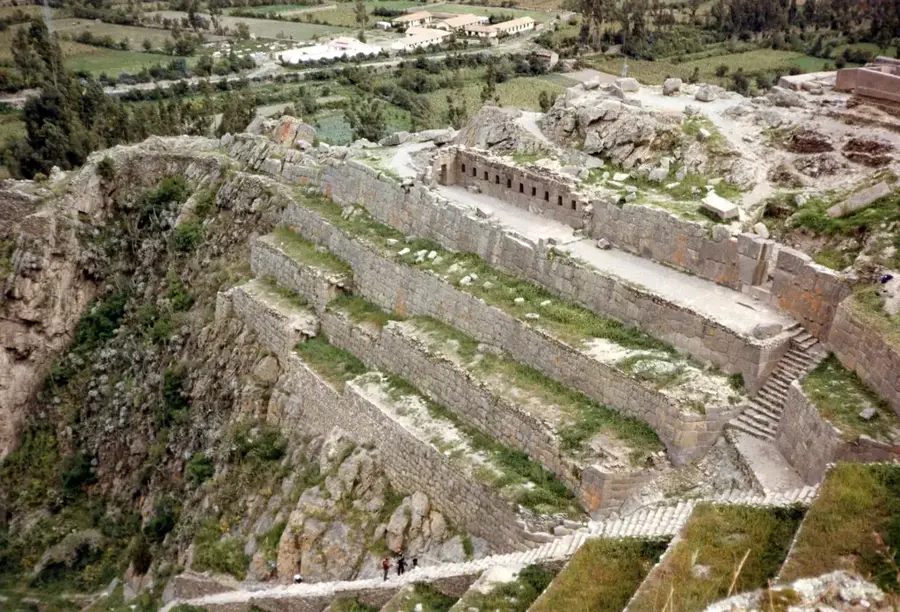
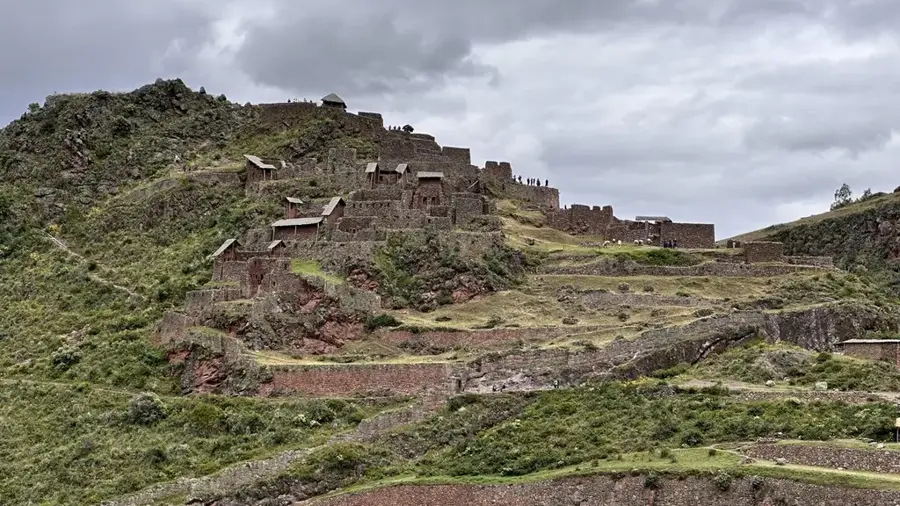
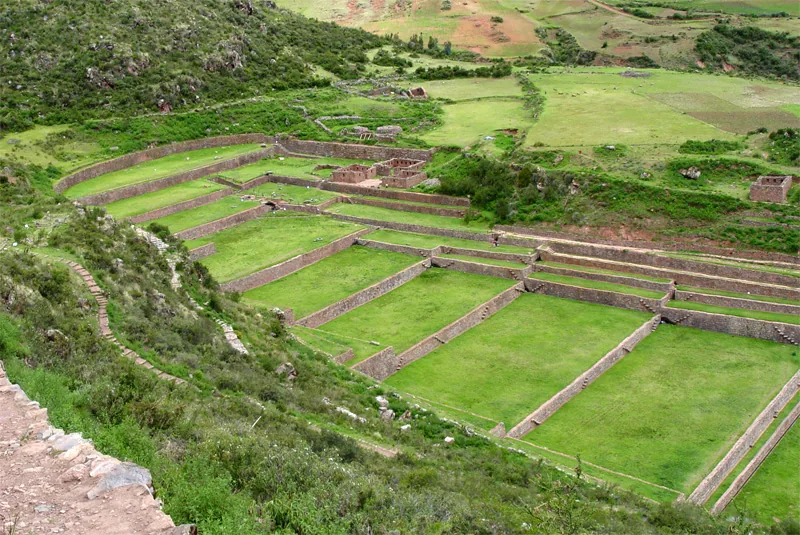
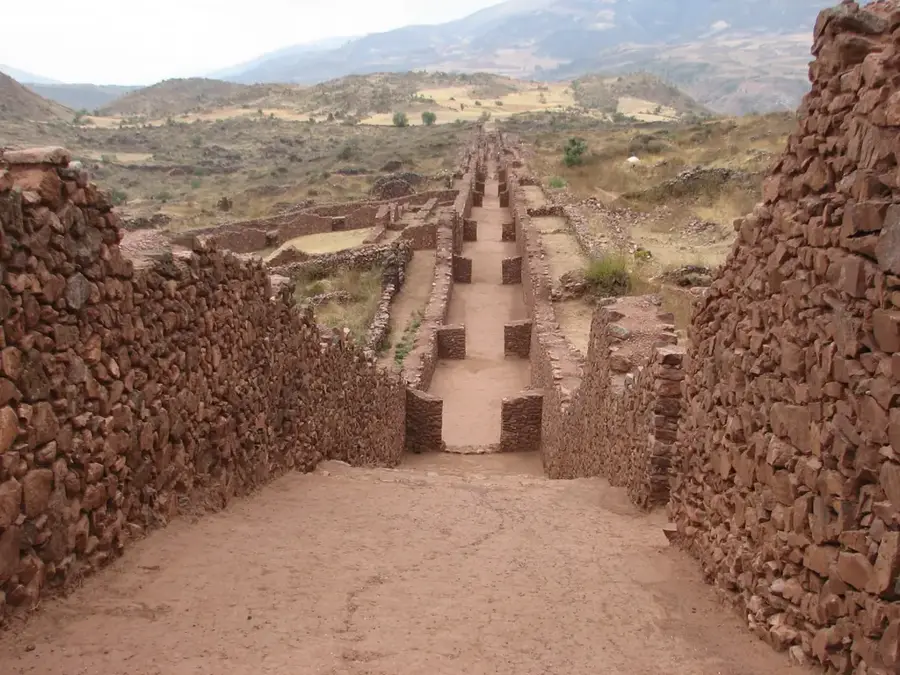
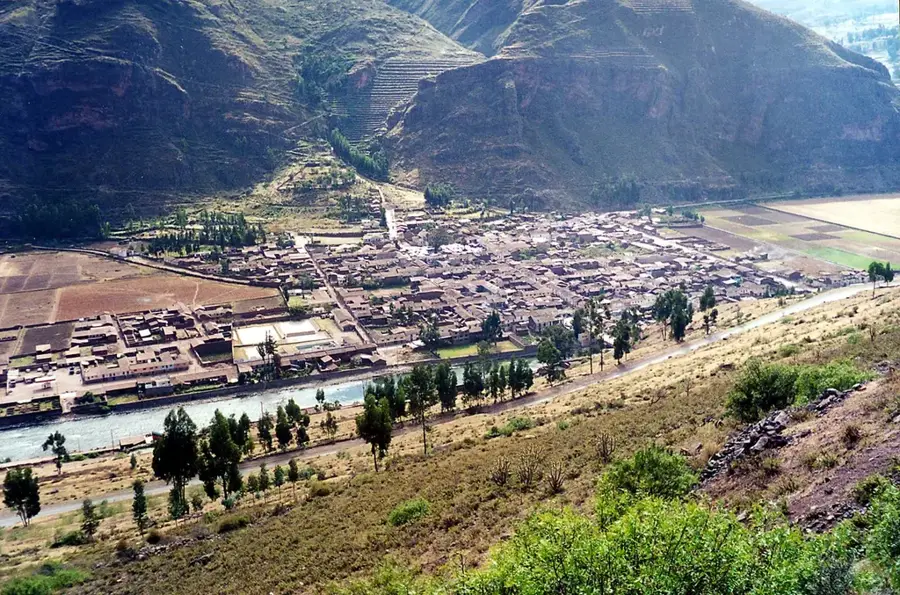
The ruins of Pisac, perched on a dramatic mountain spur overlooking the Sacred Valley, are among the most impressive archaeological sites in Peru. The complex was a multi-purpose center, featuring massive agricultural terraces, a military fortress, and a sacred religious sector. The stonemasonry in the Intihuatana (Sun Temple) area is of the highest quality, rivaling that of Machu Picchu. Pisac is also famous for its vast cemetery, the largest in the Inca Empire, where thousands of tombs are carved into the sheer cliff faces. From the ruins, visitors can enjoy panoramic views of the valley below and the ancient town of Pisac, known for its lively Sunday market. The site beautifully illustrates the Inca mastery of landscape integration, where architecture and nature exist in first-rate harmony.

Best time to visit & climate

The most pleasant time to visit is May, Aug, Sep.

JanFebMarAprMayJunJulAugSepOctNovDec
Avg °C998888789999
Rain mm129127964494118186372137

📋 Practical info

🚪
Visiting
The Pisac Ruins, an extensive Inca site with huge agricultural terraces, are open to the public. Entry is included in the tourist ticket (Boleto Turístico) that covers multiple sites in the Sacred Valley.
🕒
Typical hours
The site is typically open daily from 7:00 AM to 5:30 PM, sometimes with earlier entry. It is advisable to check official times locally as they may vary slightly by season.
📷
Photography
Photography is allowed without restrictions throughout the site; the terraces offer spectacular panoramic views. Permits are required for commercial photography or drones.
⏱️
Time needed
A thorough walk through the entire ruin site takes about two to three hours. Those who also want to climb the higher areas should allow extra time.
Combine with
Combine a visit to the Pisac Ruins with a stop at the nearby village market. Other Sacred Valley sites like Ollantaytambo, Moray, and the Maras Salt Mines can easily be combined.
🧭
Getting there
From Cusco, Pisac is reached in about one hour by shared taxi; the ruins are above the village. A taxi from the village to the ruin entrance is a comfortable alternative to the steep footpath.
💡
Insider tip
Purchase the Boleto Turístico in advance, which grants access to Pisac and other Sacred Valley sites. Wear sturdy footwear as the paths are rocky and sometimes slippery.

Geography

Coordinates
-13.41470, -71.84150

Facts

  • The site features some of the largest and most impressive agricultural terraces in the Andes.
  • Home to the largest pre-Columbian cemetery in the Americas, with over 3,000 tombs.
  • Includes a well-preserved 'Intihuatana' or sun-hitching stone used for astronomical rites.
  • The ruins are divided into four main groups: P'isaqa, Kalla Q'asa, Intihuatana, and Qanchis Raqay.
  • Was part of the royal estate of the Inca Emperor Pachacuti.
  • Strategic location that controlled the entrance to the Sacred Valley from the Amazon.
  • Features complex stone aqueducts that still provide water to the terraces.
  • The town at the foot of the mountain is famous for its traditional Andean market.

Explore nearby

Notable places around
Route planner — Car & Motorhome

Where do you start? We build the route here, with stops and country notes along the way.

Vehicle
Only stops with (optional):

© OpenStreetMap contributors · OpenRouteService

Sights in the town Pisac Ruins (10)

Wallwa Qhata🌿 nature

This mountain peak in the Andes features wide views over the Sacred Valley of the Incas.

Machu Kuntur Sinqa🌿 nature

The name of this Andean mountain peak translates to "old condor nose" in the Quechua language.

Pukara Pantillijlla🏺 historical

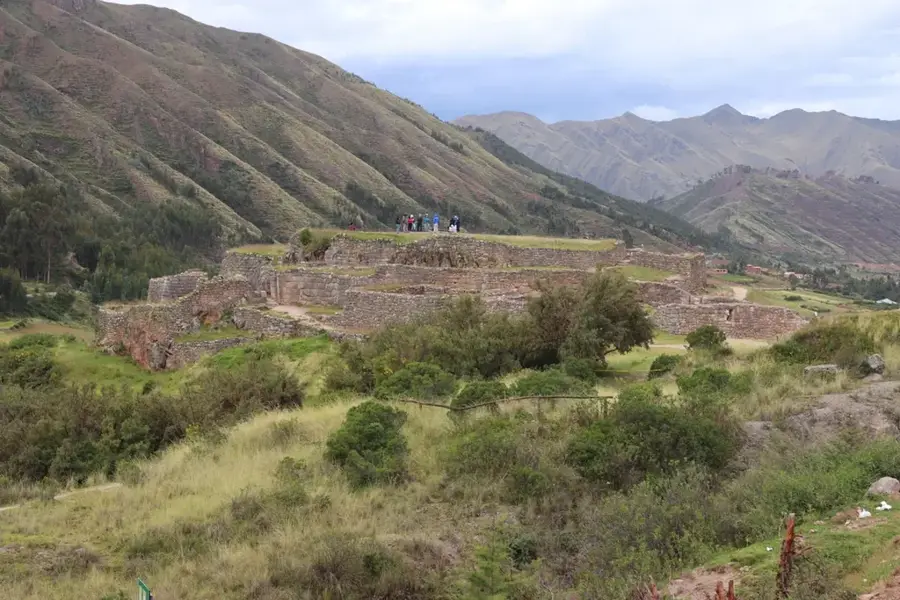
An ancient stone fortress ruin situated in the rugged terrain near Pisac.

Hatun Suyu Q'asa🌿 nature

A prominent Andean mountain pass and peak in the Sacred Valley region.

Q'allaqasa📍 landmark

This citadel section at Pisac is perched high above the valley and features ancient Inca buildings.

Tunel📍 landmark

A narrow tunnel carved directly into the mountain rock within the Pisac archaeological complex.

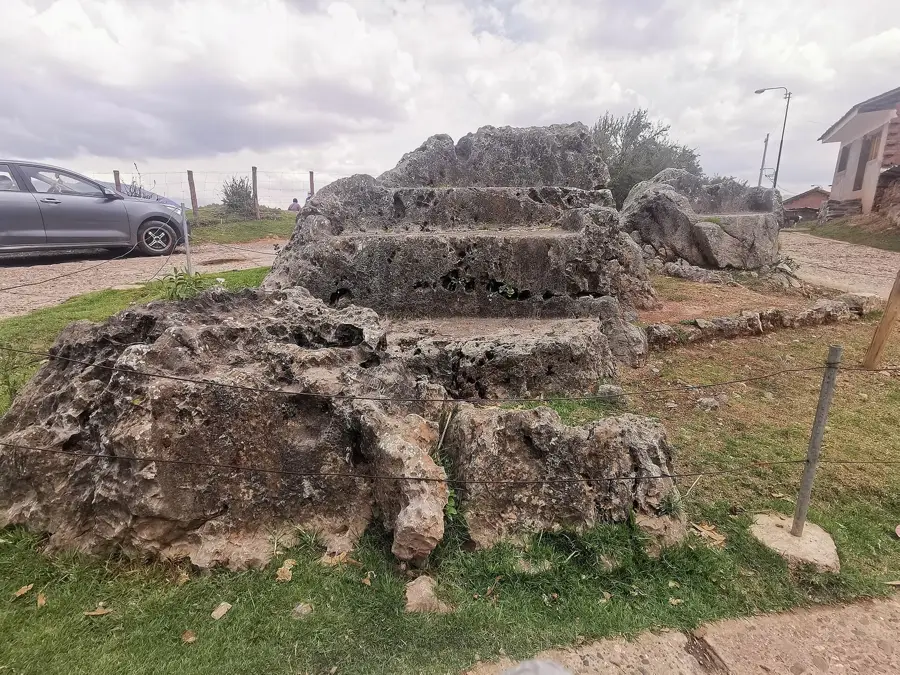
Ñusta Tiana📍 landmark

Known as the "Princess' Seat," this carved rock outcrop is a notable feature of the Pisac ruins.

Salita Cine Libre🎭 culture

This local arts centre near Pisac hosts independent film screenings and cultural events in an intimate setting.

Pisaq🏺 historical

Set high on a hillside overlooking the Urubamba River, this heritage archaeological site features extensive agricultural terraces and Incan ruins.

Ayahuasca-Wasi Maha Templo⛪ religious

This place of worship near Pisac serves as a spiritual retreat center focused on traditional Andean and Amazonian healing practices.

Sights nearby

Frequently asked questions

What is special about Pisac?
The huge terrace systems and the impressive mountain location.
Do you need a lot of time?
A half-day trip is recommended to explore everything.
Is there a market there?
Yes, the market in Pisac village is world-famous for handicrafts.
Is the path hard to hike?
It is steep but manageable, good shoes are a must.
Can you drive up by car?
Yes, you can take a taxi almost to the main entrance.
Pisac Ruins: where is it located?
Pisac Ruins is located in Peru.
Pisac Ruins: what is there to see?
Highlights include Wallwa Qhata, Machu Kuntur Sinqa, Pukara Pantillijlla.
Pisac Ruins: when is the best time to visit?
The most pleasant time to visit is May, Aug, Sep.
Pisac Ruins: why is it worth visiting?

The ruins of Pisac, perched on a dramatic mountain spur overlooking the Sacred Valley, are among the most impressive archaeological sites in Peru.
View on map → The Top 50 Attractions → OpenStreetMap →
South America
Explore with Plizio Discover more places in South America
More places in Peru →

Nearby cities

History & landmarks
Nature
More places