Plizio Visual Lab

Potato Park of Pisac
Plizio editorial teamData Sources
Agriculture
—°10
Potato Park of Pisac (Peru)

Weather…

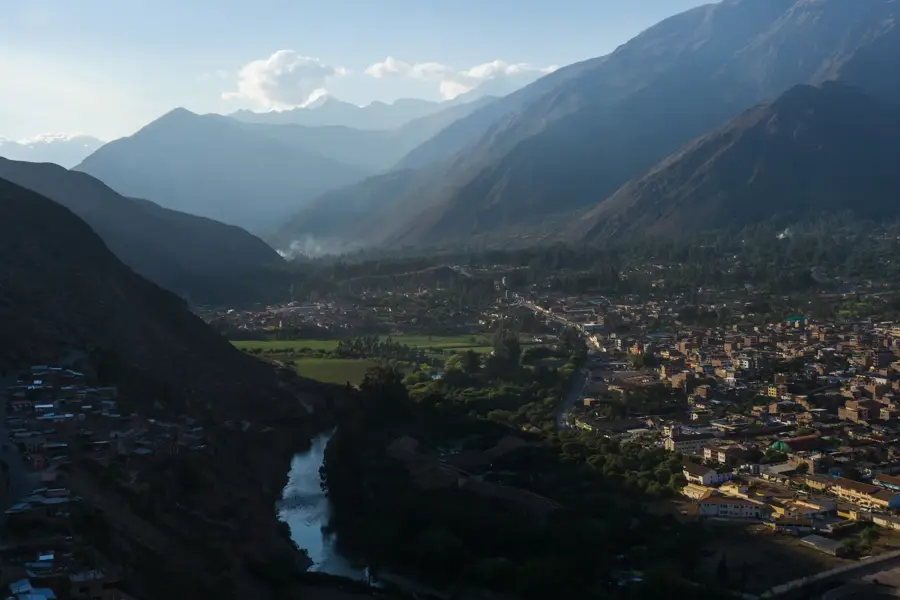
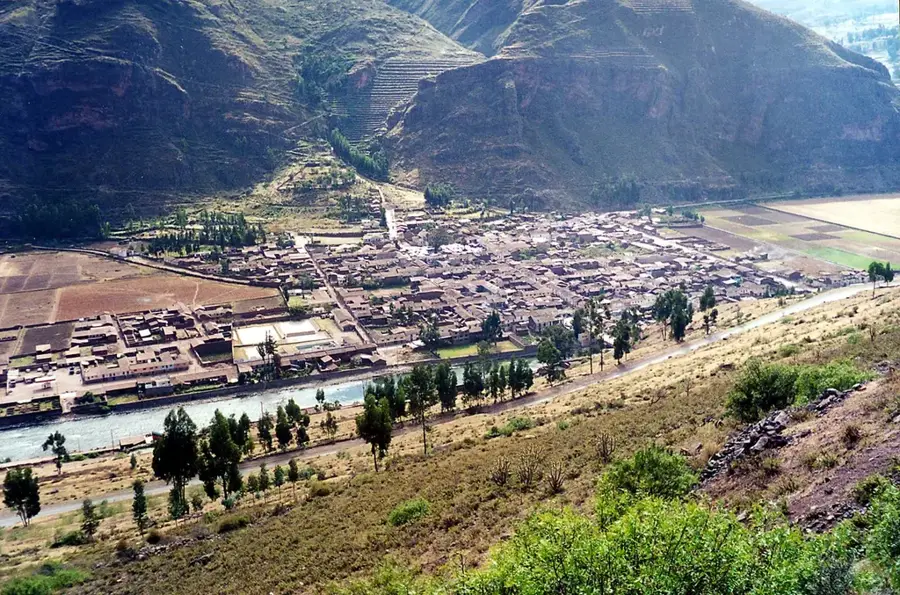
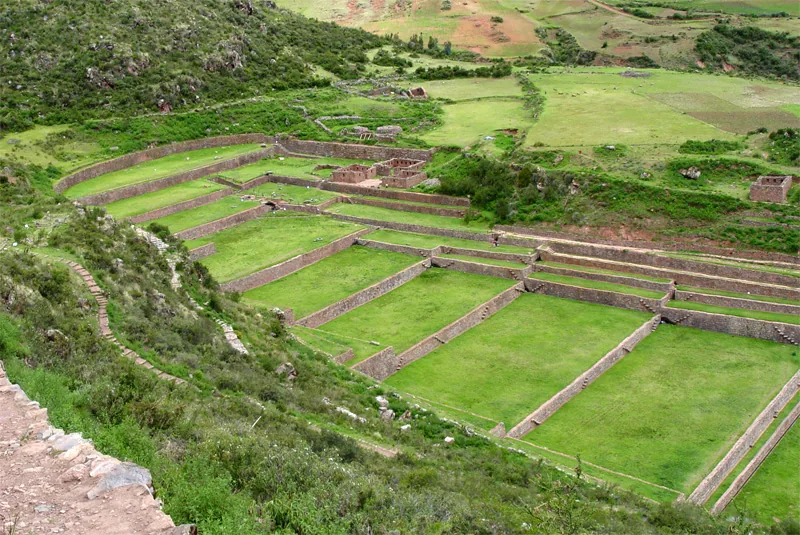
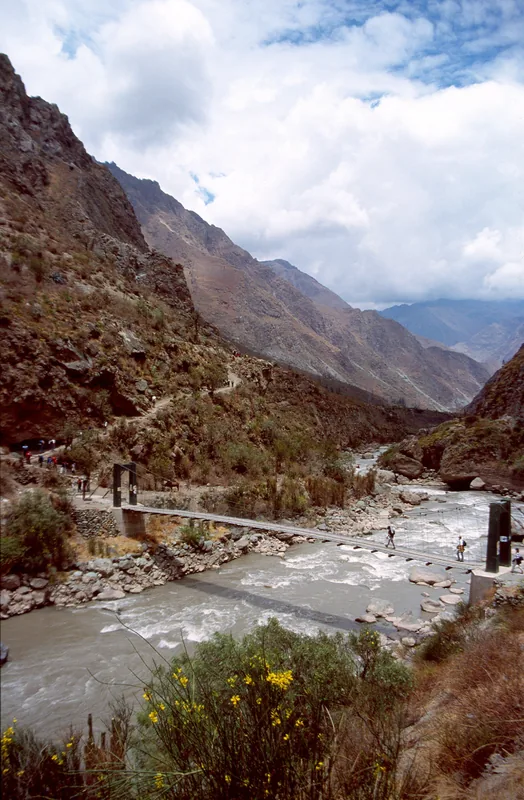
The Potato Park (Parque de la Papa) is a unique indigenous-led conservation area in the Sacred Valley near Pisac, dedicated to preserving Peru's incredible genetic diversity of native potatoes. Managed by five Quechua communities, the park protects over 1,300 varieties of potatoes in their natural habitat, many of which are found nowhere else on Earth. This 'biocultural heritage territory' is a living laboratory where ancient agricultural techniques are practiced alongside modern conservation efforts to combat climate change. Visitors can learn about the spiritual and cultural importance of the potato to Andean people while enjoying the remarkable mountain scenery and traditional textile workshops. The park stands as a global model for indigenous sovereignty and the protection of global food security.

Best time to visit & climate

The most pleasant time to visit is May, Aug, Sep.

JanFebMarAprMayJunJulAugSepOctNovDec
Avg °C998888789999
Rain mm129127964494118186372137

📋 Practical info

🏭
What is this place?
The Potato Park in Pisac (Parque de la Papa) is an agricultural protected area managed by indigenous communities, preserving over a thousand native potato varieties. It plays a central role in food sovereignty and agrobiodiversity conservation in the Peruvian Andes.
🚪
Visiting
The park is open to visitors and provides guided tours to explore the different potato fields and traditional cultivation methods. It is advisable to book tours in advance and respect the local communities, as it is a living cultural landscape.
👀
Where to view it
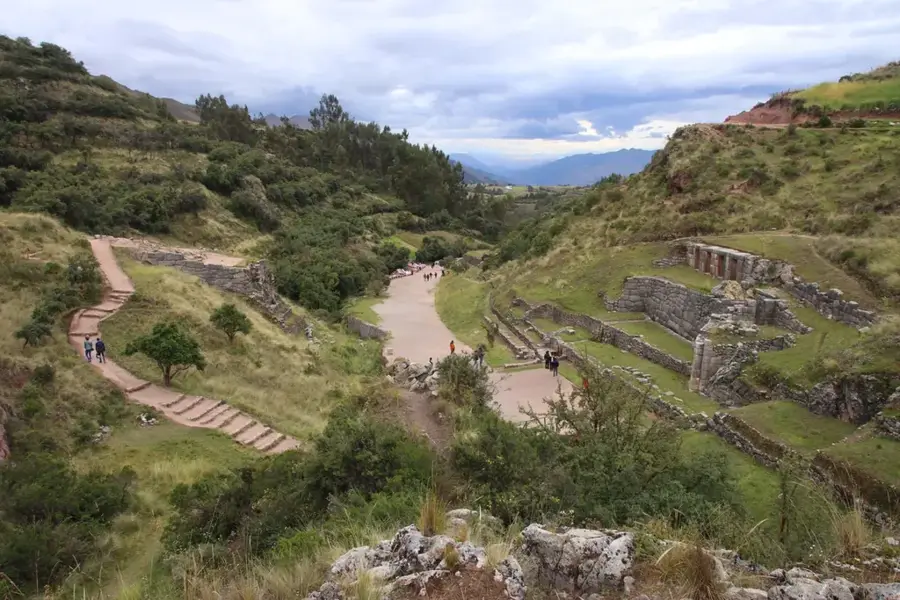
The best viewpoints are the hiking trails that wind through the terraced fields, offering broad views over the entire protected area and surrounding mountains. The higher paths in particular provide a panoramic vista of the colorful potato plots.
🧺
Local products
In the park, visitors can buy fresh potatoes of many varieties as well as derived products like chuno or potato bread. Local markets in Pisac also offer textiles and handicrafts from indigenous communities linked to potato cultivation.
📆
Active season
The main activity in the park occurs during planting season (September to November) and harvest season (March to May). During these times, communities are especially active, holding traditional ceremonies and festivals that visitors can witness.
Nearby
Combine the visit with the Inca site of Pisac and the colorful Sunday market. A trip to the nearby Urubamba Valley or the Maras salt pans also features a chance to explore the region's diverse cultural landscape.

Geography

Coordinates
-13.41660, -71.85000

Facts

  • Governed by approximately 6,000 members of local Quechua communities.
  • Protects one of the world's largest collections of potato varieties in their natural habitat.
  • Recognized globally by the UN for its innovative approach to biocultural conservation.
  • Includes diverse microclimates ranging from 3,200 to 5,000 meters in altitude.
  • Features a community-run restaurant, 'Papamarka', that serves traditional potato-based dishes.
  • Includes a seed bank that stores backup varieties for the entire region.
  • Promotes the use of traditional Andean medicinal plants and natural dyes.
  • A key project for the International Potato Center (CIP) to study climate-resilient crops.

Explore nearby

Notable places around
Route planner — Car & Motorhome

Where do you start? We build the route here, with stops and country notes along the way.

Vehicle
Only stops with (optional):

© OpenStreetMap contributors · OpenRouteService

Sights in the town Potato Park of Pisac (10)

Ñust'apata🌿 nature

A notable Andean peak situated within the traditional potato-growing regions.

Museo de Pisac🏛 museum

A local museum showcasing the archaeological and cultural heritage of the Pisac area.

Wanuwanupata📍 landmark

A traditional Andean site in the cultural landscape near Pisac.

Rakiyoq📍 landmark

An indigenous cultural attraction set amidst the high-altitude agricultural terraces.

Patapata🏺 historical

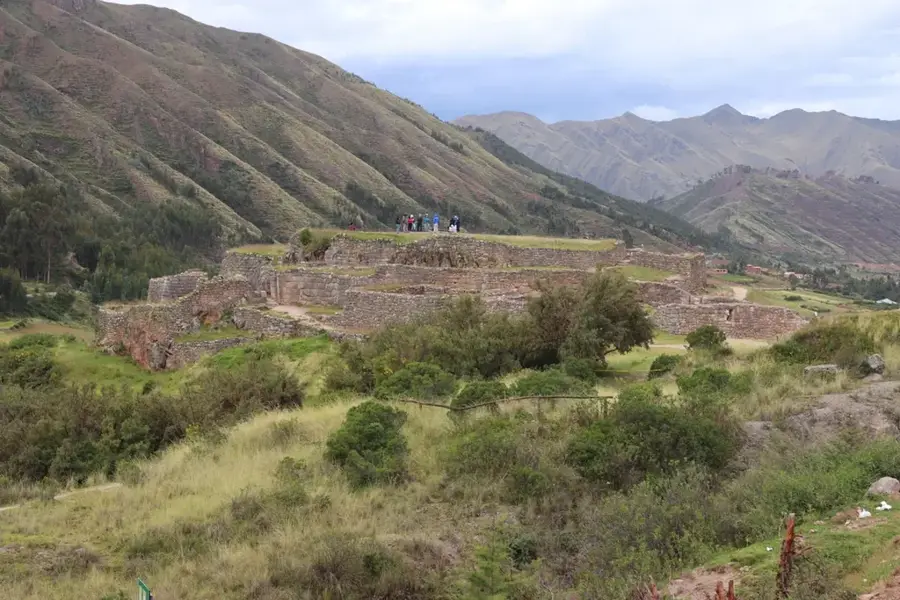
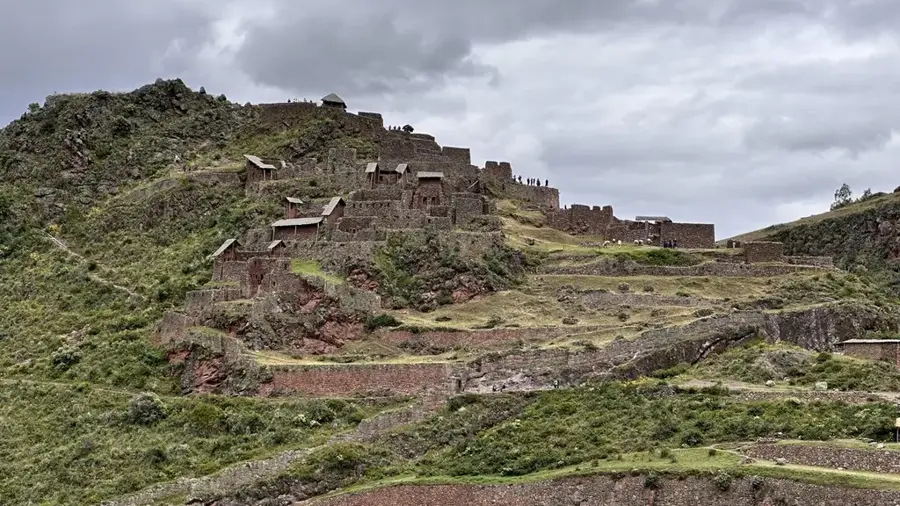
Ancient terraced ruins reflecting the advanced agricultural engineering of the Incas.

Mirador Taray🌿 nature

A roadside lookout offering dramatic views over the terraced slopes of the Sacred Valley.

Hatun Pukara🌿 nature

A rugged mountain peak towering over the high-altitude landscapes of the potato park.

Museo Viviente del Ande🏛 museum

A living museum dedicated to preserving and demonstrating traditional Andean weaving and farming practices.

Ayahuasca Ayllu📍 landmark

A local Christian community site set within the traditional Ayllu social structure.

Mercado de Abastos Pisac🎭 culture

An animated local food market where Andean communities gather to trade daily provisions.

🕒 07:00-17:00

Sights nearby

Frequently asked questions

What makes the Potato Park special?
It protects over 1,000 potato varieties and indigenous culture.
Can you taste the potatoes there?
Yes, traditional dishes are served on cultural tours.
How do you book a tour?
Best in advance online or through local agencies in Pisac.
Is it suitable for day trips?
Yes, it is an excellent day trip from Cusco.
Do I need to speak the language?
Spanish is helpful; tours are often translated.
Potato Park of Pisac: where is it located?
Potato Park of Pisac is located in Peru.
Potato Park of Pisac: what is there to see?
Highlights include Ñust'apata, Museo de Pisac, Wanuwanupata.
Potato Park of Pisac: when is the best time to visit?
The most pleasant time to visit is May, Aug, Sep.
Potato Park of Pisac: why is it worth visiting?

The Potato Park (Parque de la Papa) is a unique indigenous-led conservation area in the Sacred Valley near Pisac, dedicated to preserving Peru's incredible genetic diversity of native potatoes.
View on map → The Top 50 Attractions → OpenStreetMap →
South America
Explore with Plizio Discover more places in South America
More places in Peru →

Nearby cities

History & landmarks

Nature
More places