Plizio Visual Lab

Ausangate Alpaca Herds
Plizio editorial teamData Sources
Agriculture
—°4
Ausangate Alpaca Herds (Peru)

Weather…

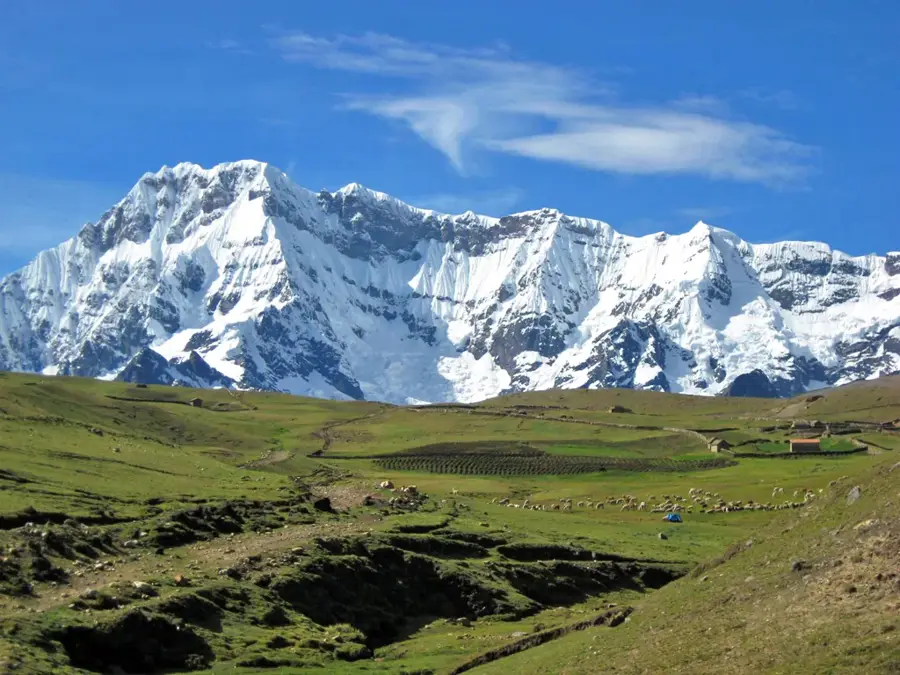
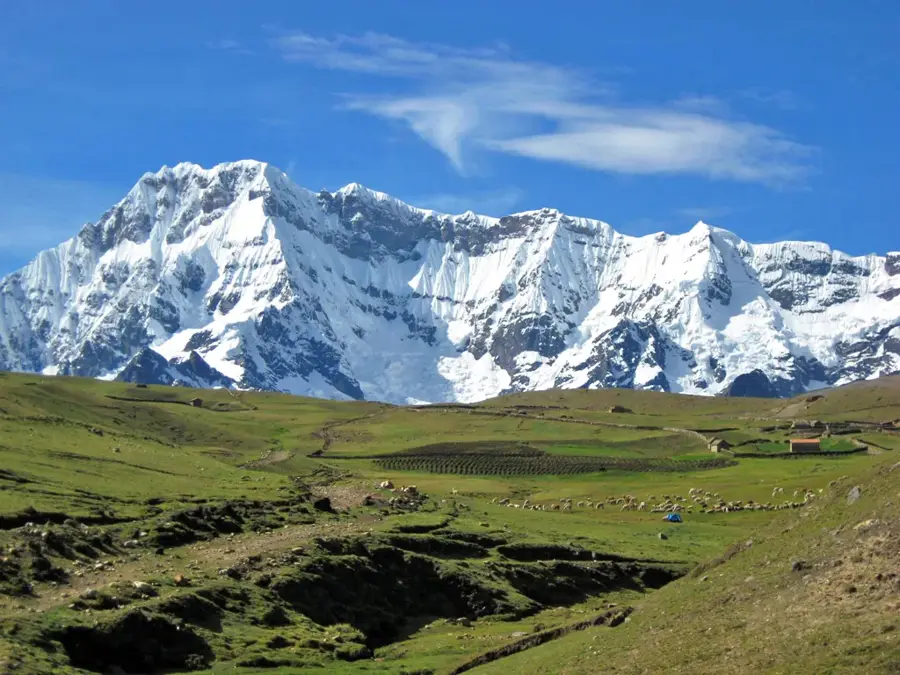
The alpaca herds at the foot of the Ausangate massif in the Cusco region represent a millennia-old tradition of Andean pastoralism. At 6,384 meters, Ausangate is one of the most sacred mountains (Apu) to the Inca and remains the heart of a region where life is still fundamentally shaped by alpaca breeding. These animals graze at high altitudes between 4,000 and 5,000 meters on specialized wetland meadows known as bofedales. Alpacas are primarily raised for their high-quality fiber, which is prized worldwide for its softness, thermal properties, and durability. Local Quechua-speaking communities have developed complex breeding techniques to maintain dozens of natural color shades without the need for artificial dyes. The annual shearing season is a significant cultural event, often accompanied by ancient religious rituals intended to protect the herds. This sustainable form of high-altitude farming helps preserve the delicate Andean ecosystem and supports the cultural continuity of indigenous mountain communities. For travelers, the sight of thousands of alpacas against the snowy backdrop of the Vilcanota range is a definitive Andean experience.

Best time to visit & climate

The most pleasant time to visit is May, Aug, Sep.

JanFebMarAprMayJunJulAugSepOctNovDec
Avg °C655554445666
Rain mm1271309245126119186465134

📋 Practical info

🏭
What is this place?
These high-altitude farming operations serve as the cultural and economic lifeblood for the indigenous communities living in the shadow of the sacred peak. They generally represent a deeply traditional form of sustainable agriculture that produces some of the finest natural fibers available in the Andes.
🚪
Visiting
Hikers trekking through the region will consistently find themselves walking right alongside these freely roaming herds in their spectacular natural habitat. Respectful observation is usually welcomed, and some local herding families may kindly invite passing trekkers to see their weaving processes up close.
👀
Where to view it
The most iconic and wide-open views of the livestock are typically found along the high mountain passes of the famed Ausangate Trek, set against snow-capped glaciers. The vividly colored glacial lakes also frequently serve as incredibly scenic backdrops for spotting large groups of grazing animals.
🧺
Local products
Travelers can typically purchase exceptionally high-quality, hand-woven textiles directly from the artisan families living in these remote mountainous settlements. Items like warm ponchos, intricately designed scarves, and colorful hats are usually made entirely from naturally dyed, locally sourced fleece.
📆
Active season
The pastures are occupied consistently throughout the year, but the crisp dry season from May to September is generally considered the best time for trekking safely. During the rainy season, the high-altitude trails can become exceptionally muddy and challenging, often obscuring the impressive landscape.
Nearby
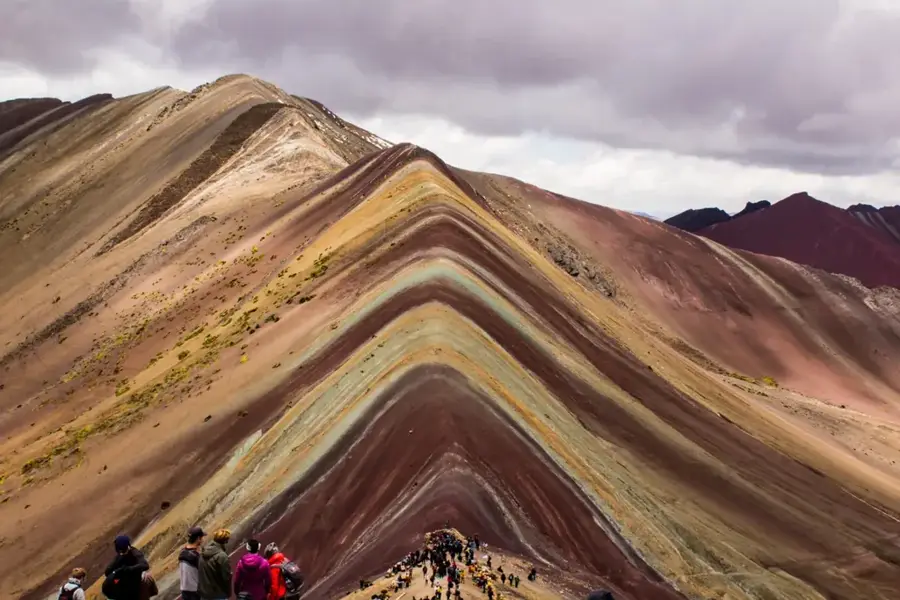
Encountering these majestic herds is seamlessly integrated into challenging multi-day treks that encircle the mountain or lead towards the famous Rainbow Mountain. Many intrepid visitors also routinely combine this profound high-altitude experience with a broader exploration of the cultural wonders situated around Cusco.

Geography

Coordinates
-13.78330, -71.21660

Facts

  • Ausangate is the fifth-highest peak in Peru, reaching 6,384 meters.
  • Alpacas are members of the camelid family and are native to the high Andes.
  • Alpaca fiber occurs naturally in more than 20 distinct color shades.
  • Herds are commonly grazed at elevations exceeding 4,500 meters above sea level.
  • Alpaca fiber is approximately three times warmer than standard sheep's wool.
  • Communities near Ausangate still use pre-Columbian weaving and dyeing techniques.

Explore nearby

Notable places around

Route planner — Car & Motorhome

Where do you start? We build the route here, with stops and country notes along the way.

Vehicle
Only stops with (optional):

© OpenStreetMap contributors · OpenRouteService

Sights in the town Ausangate Alpaca Herds (4)

Mariposa🌿 nature

A mountain peak in the Andes, historically referenced under its indigenous names like Santa Katalina urqu.

Yanajaja🌿 nature

An Andean mountain peak characterized by the rugged terrain of the Cusco region.

Yanacucho🌿 nature

A steep mountain peak rising prominently in the Peruvian Andes.

Pacchanta Thermal Baths🎡 recreation

Open-air thermal pools surrounded by the rugged peaks of the Andes.

🕒 24/7💶

Sights nearby

Frequently asked questions

Can you visit the alpaca herds at Ausangate?
Yes, they are an integral part of the local community and can often be seen on the hiking trails.
Should you feed the animals?
No, let the animals graze in peace and do not feed them.
What is the altitude at Ausangate?
You are moving at over 4,000 meters altitude here, so good acclimatization is important.
Can you buy alpaca wool on-site?
In the villages around Ausangate, local artisans often sell textiles.
Do you need a guide for a hike?
Due to the altitude and route, an experienced mountain guide is highly recommended.
Ausangate Alpaca Herds: where is it located?
Ausangate Alpaca Herds is located in Peru.
Ausangate Alpaca Herds: what is there to see?
Highlights include Mariposa, Yanajaja, Yanacucho.
Ausangate Alpaca Herds: when is the best time to visit?
The most pleasant time to visit is May, Aug, Sep.
Ausangate Alpaca Herds: why is it worth visiting?

The alpaca herds at the foot of the Ausangate massif in the Cusco region represent a millennia-old tradition of Andean pastoralism.
View on map → The Top 50 Attractions → OpenStreetMap →
South America
Explore with Plizio Discover more places in South America
More places in Peru →

Nearby cities

History & landmarks
Nature
More places