Plizio Visual Lab

Reisa National Park
Plizio editorial teamData Sources
park
—°
Reisa National Park (Norway)

Weather…

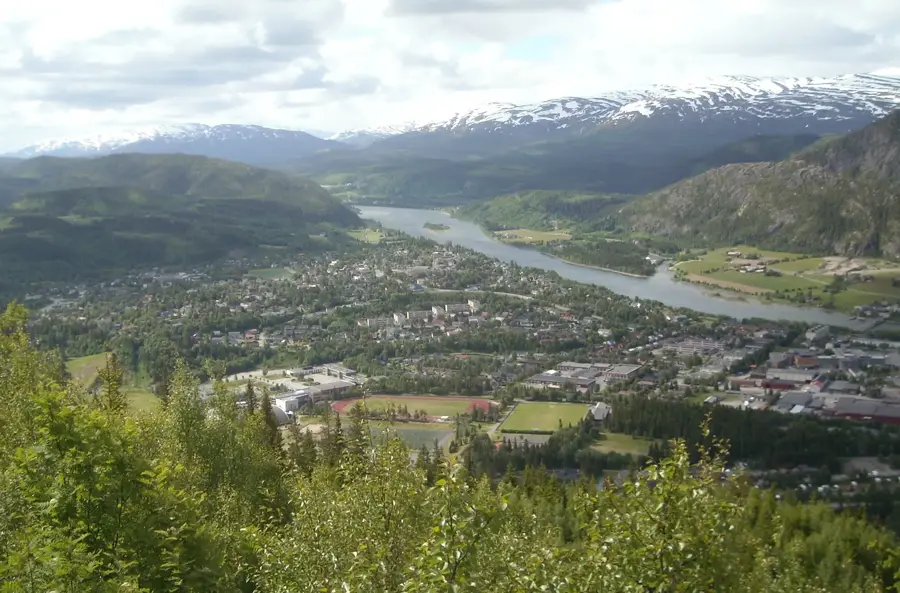
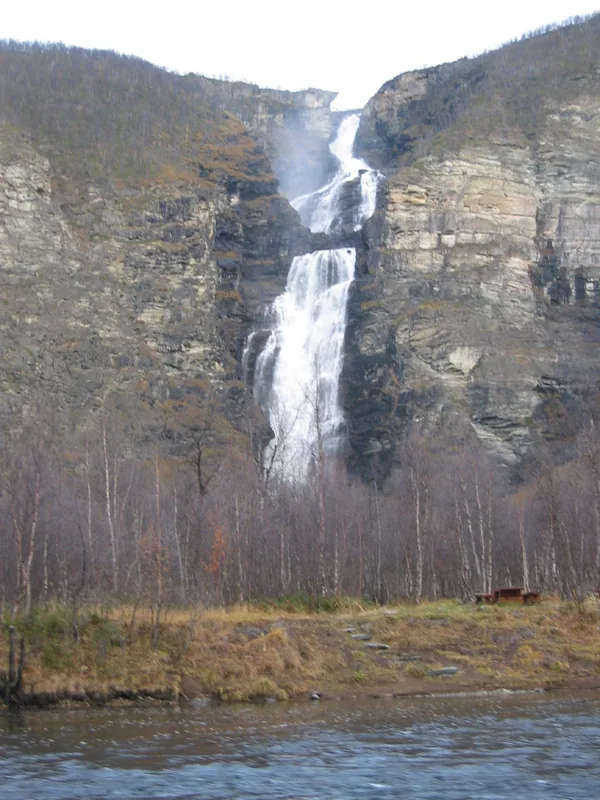
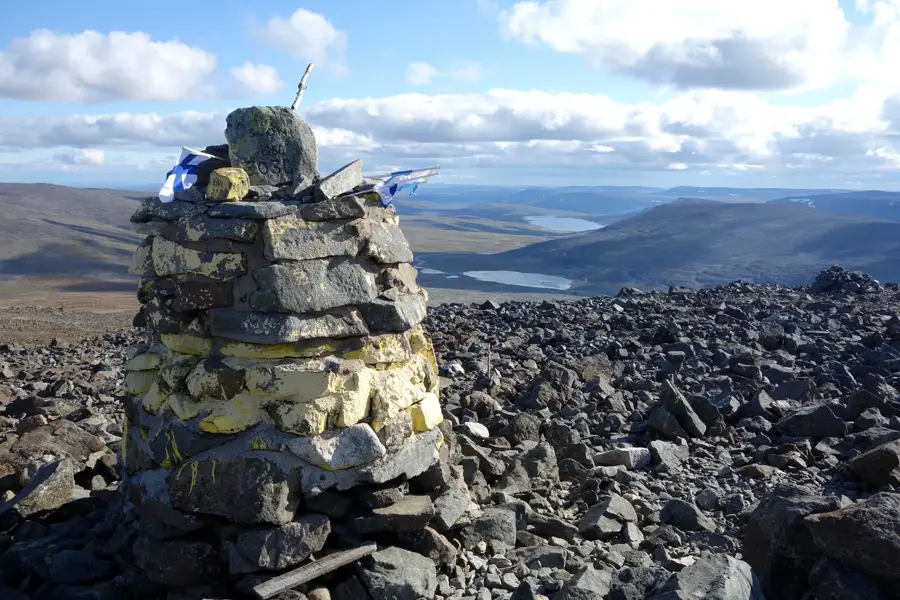
Reisa National Park is located in the far north of Norway and is characterized by the mighty Reisa River, which has carved a deep valley into the mountain plateau over millennia. Founded in 1986, the park covers an area of 803 square kilometers and features one of the most spectacular canyon landscapes in the Arctic. An absolute landmark is Mollisfossen, a waterfall that plunges loudly into the valley with a free fall of 269 meters. The vegetation is surprisingly lush for these latitudes and provides a habitat for a variety of animal species, including moose, wolverines, and rare birds of prey such as the golden eagle. The history of the park is closely linked to the culture of the Sámi and Kven people, who have used the area for hunting and reindeer herding for generations. Visitors often reach the heart of the park by traditional riverboat, which allows for an authentic wilderness experience. The untouched nature and silence of the North Scandinavian mountain world make Reisa a secret tip for adventurers seeking seclusion and raw beauty.

📋 Practical info

🧭
Getting there
Reisa National Park is often accessed by riverboat up the Reisa River or by long hikes from the surrounding plateau. The main gateway is typically the nearby community hub of Storslett.
📅
Best season
The main visiting season is late summer from July to August when the snow has melted. Winters are exceptionally long, dark, and demanding, suitable only for specialized cold-weather expeditions.
⛰️
Terrain & paths
The park is characterized by deep, dramatic canyons and a remote arctic river valley. You will traverse dense forests, rocky riverbanks, and steep gorges near the massive Mollisfossen waterfall.
🎒
What to bring
Essential equipment includes robust waterproof boots, strong insect repellent for the summer mosquitoes, and warm layers. River travelers should also carefully prepare for cold water conditions.
🅿️
Parking
Parking is generally available at designated visitor centers or road ends near the national park boundaries, from where visitors typically begin their extensive hiking or local riverboat journeys.
⚠️
Safety
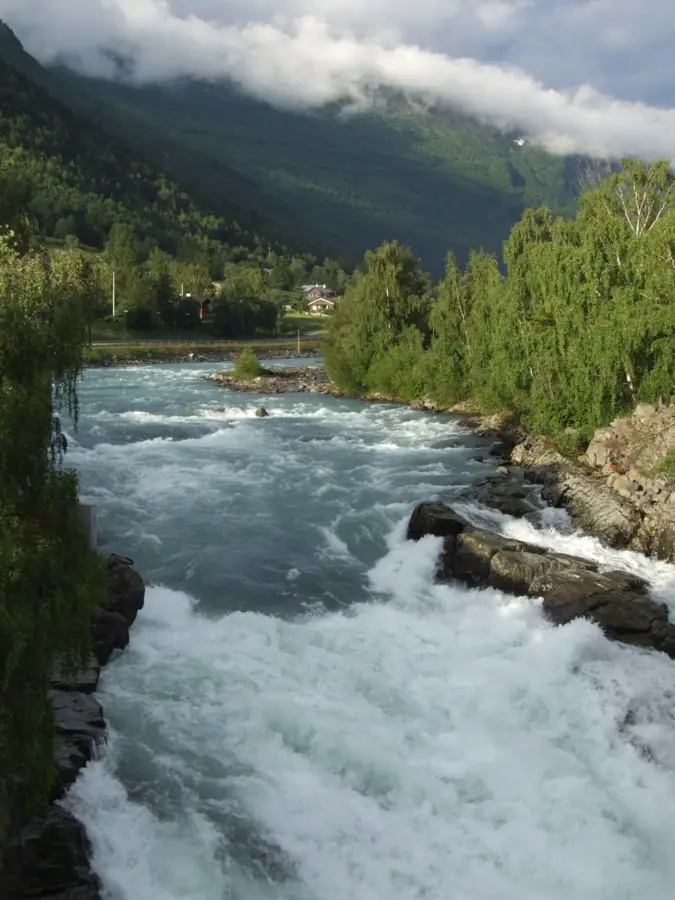
Fast-flowing river currents and steep canyon drops present serious natural hazards. Mobile phone coverage is extremely poor in the deep valleys, requiring absolute self-sufficiency and planning.
⏱️
Time needed
Visitors usually spend a full day taking a traditional riverboat to the waterfall and hiking back. Extended wilderness trekking entirely across the vast park can easily take three to five days.

Geography

Coordinates
69.25000, 21.50000

Facts

  • National park was officially founded in 1986
  • Home to the Mollisfossen waterfall (269 m fall height)
  • Area covers a total of 803 square kilometers
  • Known for its deep canyons and gorges
  • Important habitat for the wolverine and the golden eagle
  • Access to the park is often by traditional riverboats

Explore nearby

Notable places around
Route planner — Car & Motorhome

Where do you start? We build the route here, with stops and country notes along the way.

Vehicle
Only stops with (optional):

© OpenStreetMap contributors · OpenRouteService

Sights nearby

Frequently asked questions

How do you reach Reisa National Park?
Best reached by boat from Saraelv or on foot through the Reisa Valley.
What is the main attraction?
The spectacular waterfalls, especially Mollisfossen.
Is the park suitable for beginners?
The terrain is demanding; good equipment and experience are required.
Is accommodation available?
There are simple huts within the park and camping options.
When is the best time to go?
July to September, when the snow has melted and trails are passable.
Reisa National Park: where is it located?
Reisa National Park is located in Norway.
Reisa National Park: why is it worth visiting?

Reisa National Park is located in the far north of Norway and is characterized by the mighty Reisa River, which has carved a deep valley into the mountain plateau over millennia.
View on map → The Top 50 Attractions → Most beautiful beaches → OpenStreetMap →
Europe
Explore with Plizio Discover more places in Europe
More places in Norway →

Nearby cities

History & landmarks