Plizio Visual Lab

Jotunheimen National Park
Plizio editorial teamData Sources
Mountain
—°3
Jotunheimen National Park (Norway)

Weather…

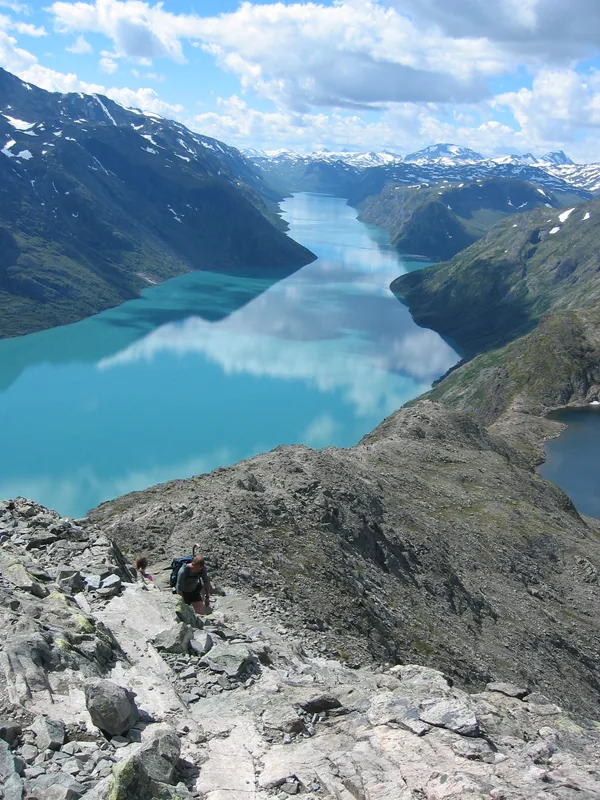
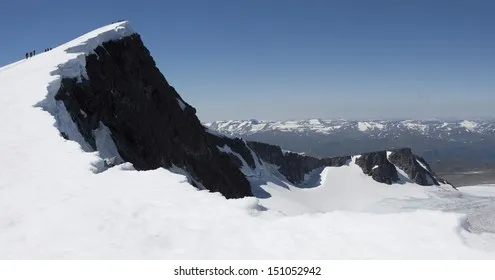
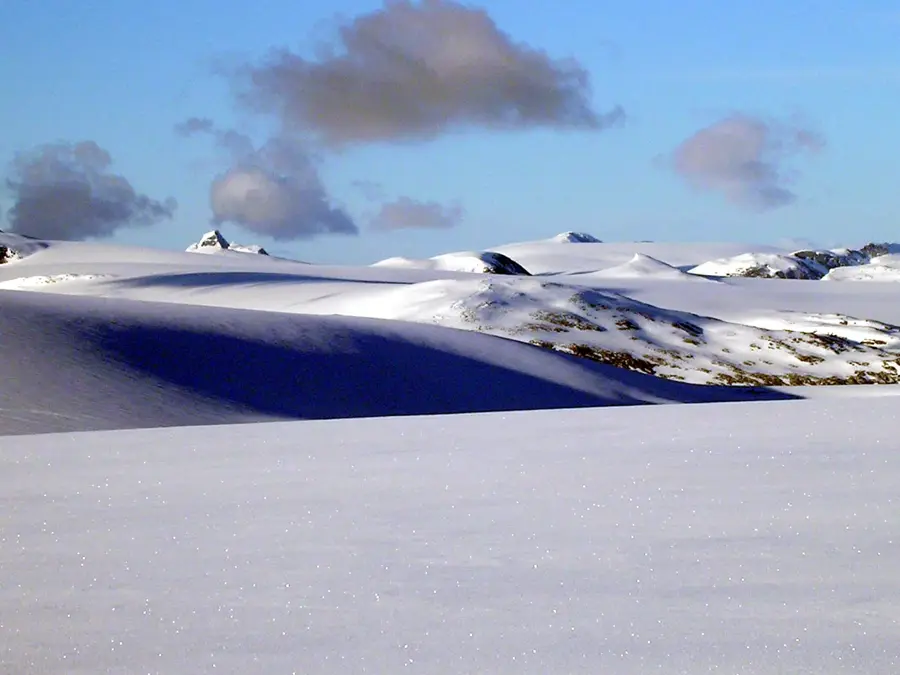
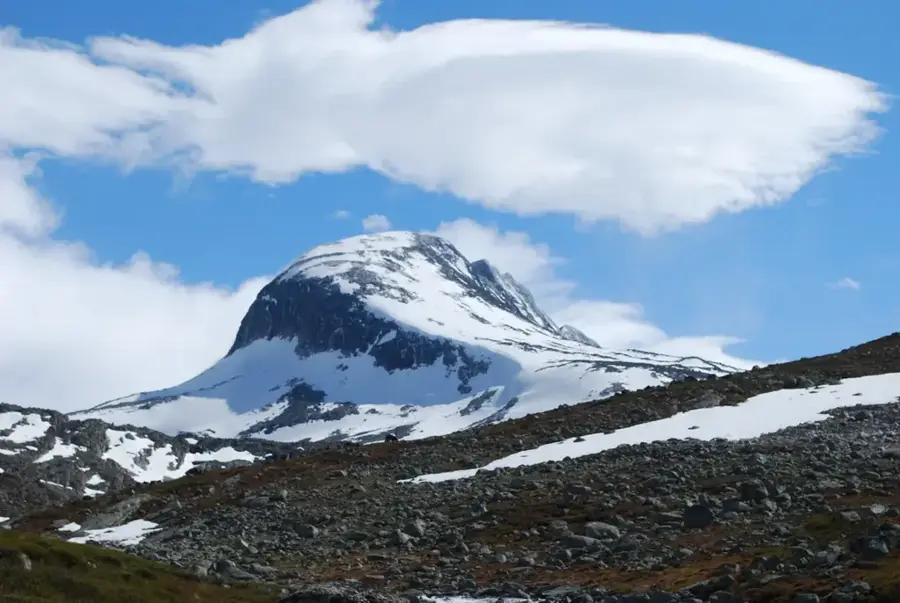
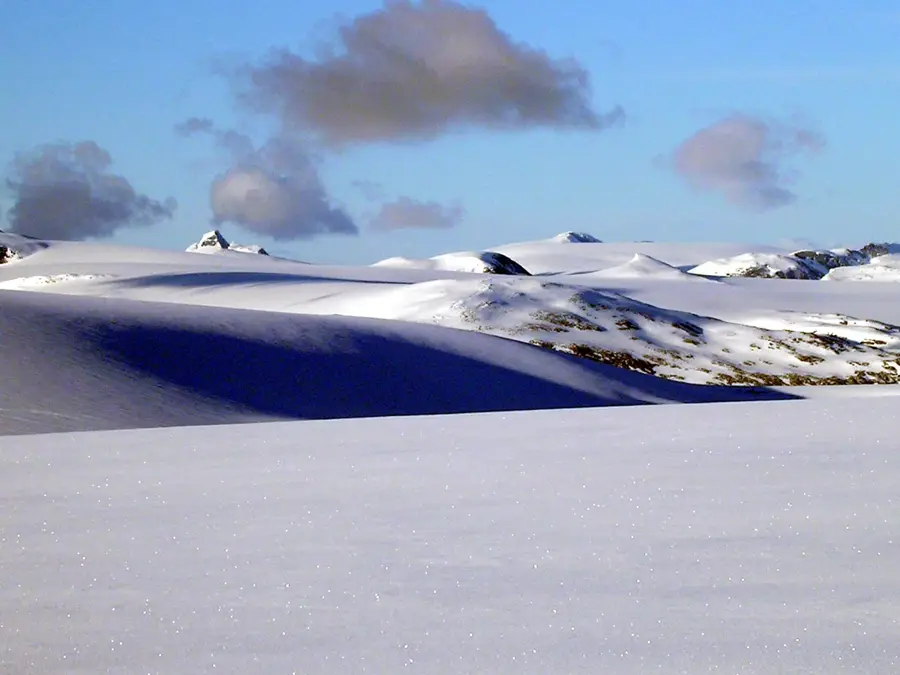
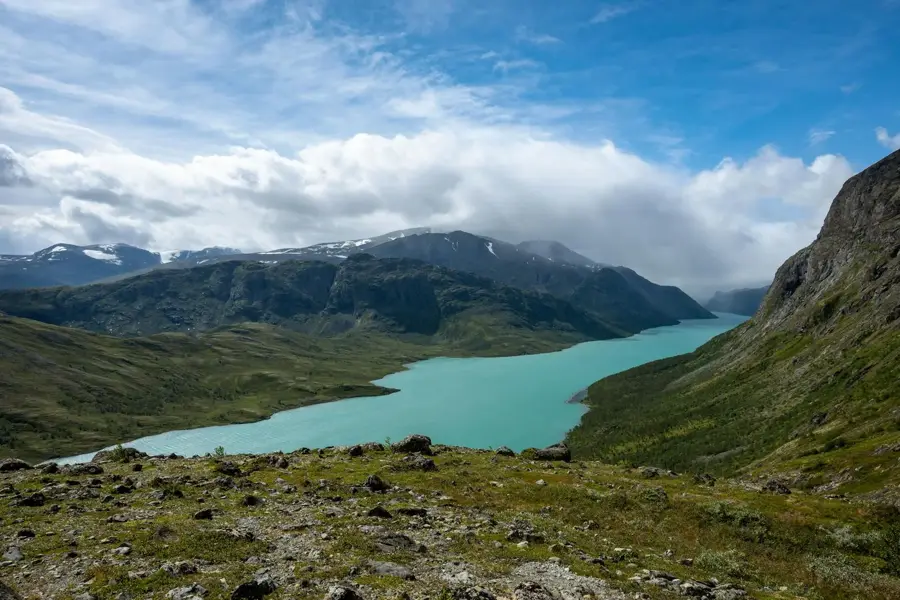
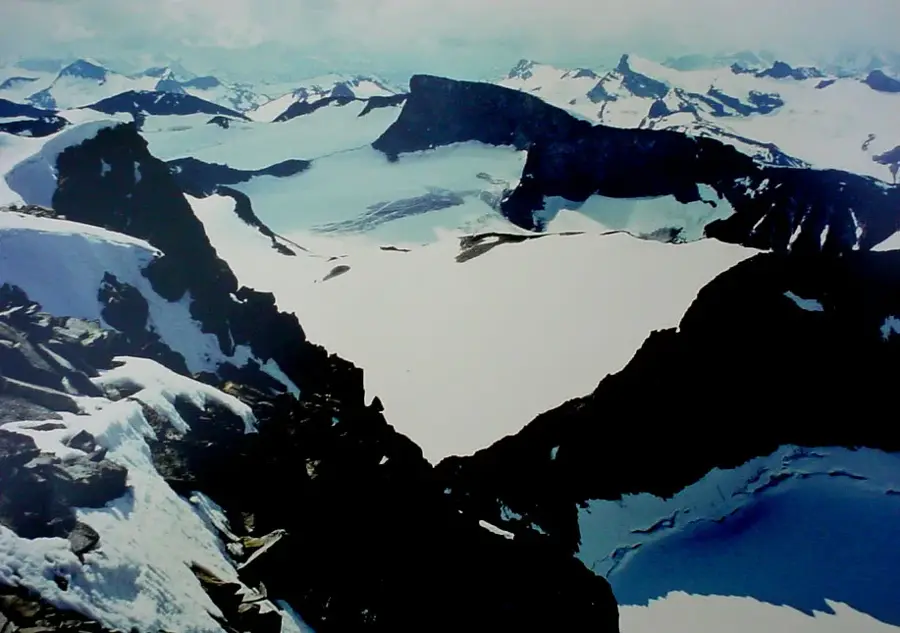
Jotunheimen National Park, established in 1980, is the heart of the Norwegian high mountains and home to the highest peaks in Scandinavia. Its name translates to 'Home of the Giants,' referring to the more than 250 peaks that rise above 2,000 metres. Spanning 1,151 square kilometres, the park features a dramatic landscape of deep blue glacial lakes, jagged ridges, and massive ice fields. Galdhøpiggen, the highest mountain in Norway at 2,469 metres, is the park's most iconic landmark and a premier destination for trekkers. Geologically, the area is composed of exceptionally hard gabbro rock, which has resisted erosion to form the characteristic sharp mountain profiles. Despite the extreme elevation, the flora is remarkably diverse, featuring specialized species like the glacier crowfoot that blooms at record altitudes. Historically, Jotunheimen is deeply embedded in Norwegian national identity and literature, famously inspiring Henrik Ibsen's 'Peer Gynt.' Today, it remains a world-class destination for high-altitude adventure and a critical sanctuary for alpine wildlife like the golden eagle.

Best time to visit & climate

The most pleasant time to visit is Jun–Aug.

JanFebMarAprMayJunJulAugSepOctNovDec
Avg °C-11-10-8-3271095-2-7-10
Rain mm735153599111614213995867872

📋 Practical info

🧭
Getting there
The imposing mountain range is usually approached via the highly scenic national routes that border its edges. Well-known mountain lodges generally offer the most frequent starting points for excursions into the high peaks.
📅
Best season
The period from mid-July to late August is typically considered the optimal window for crossing the high passes. Because snow can persist here year-round, off-season tours are often safe only for genuine alpine experts.
⛰️
Terrain & paths
This dramatic alpine environment presents itself with jagged mountain ridges, extremely steep ascents, and rocky valleys. Hikers often have to navigate large scree fields and occasionally cross summer snow patches safely.
🎒
What to bring
Rigid mountain boots with an absolutely reliable tread are of utmost importance for moving safely through the scree fields. Comprehensive alpine weather gear, including gloves and a warm hat, is essentially mandatory here.
🅿️
Parking
Parking spaces are largely restricted to the mountain lodges and special designated zones along the access roads. During the busiest weeks, it is often highly recommended to reserve in advance or simply use local shuttle buses.
⚠️
Safety
The rugged alpine terrain demands a high level of physical fitness and very careful, forward-looking route planning. Fast-moving storms can quickly bring freezing rain, drastically increasing the risk of hypothermia.
⏱️
Time needed
Tackling the famous high peaks typically requires a full, grueling day spanning anywhere from eight to twelve hours. Shorter, easier walks in the valleys, however, generally keep visitors occupied for just three to five hours.

Geography

Coordinates
61.50000, 8.33330

Facts

  • Established in 1980
  • Total area: 1,151 km²
  • Highest mountain: Galdhøpiggen (2,469 m)
  • Over 250 peaks above 2,000 metres
  • Home to the glacier crowfoot flower
  • Famous hiking trail: Besseggen Ridge

Explore nearby

Notable places around
Route planner — Car & Motorhome

Where do you start? We build the route here, with stops and country notes along the way.

Vehicle
Only stops with (optional):

© OpenStreetMap contributors · OpenRouteService

Sights in the town Jotunheimen National Park (3)

Skarddalseggje📍 landmark

A prominent mountain ridge in Norway's Jotunheimen National Park.

Visbreatinden📍 landmark

A high mountain peak in the alpine landscape of Jotunheimen.

Skarddalstinden📍 landmark

A peak in the Jotunheimen massif, popular among experienced hikers.

Sights nearby

Frequently asked questions

Which is the highest mountain in Jotunheimen?
Galdhøpiggen, at 2469 m, is the highest mountain in Norway and Northern Europe.
Is the hike over the Besseggen ridge difficult?
It is a demanding 6-8 hour hike with some steep sections. Surefootedness is required.
Are there glaciers in Jotunheimen?
Yes, there are numerous glaciers such as Bøverbreen. Do not walk on them without a guide.
Can you drive through the park?
The Sognefjell road (FV55) runs along the edge of the park and is Northern Europe's highest mountain pass.
When do the mountain lodges open?
Most lodges open in late June and close in mid-September.
Jotunheimen National Park: where is it located?
Jotunheimen National Park is located in Norway.
Jotunheimen National Park: what is there to see?
Highlights include Skarddalseggje, Visbreatinden, Skarddalstinden.
Jotunheimen National Park: when is the best time to visit?
The most pleasant time to visit is Jun, Aug.
Jotunheimen National Park: why is it worth visiting?

Jotunheimen National Park, established in 1980, is the heart of the Norwegian high mountains and home to the highest peaks in Scandinavia.
View on map → The Top 50 Attractions → Most beautiful beaches → OpenStreetMap →
Europe
Explore with Plizio Discover more places in Europe
More places in Norway →

Nearby cities

History & landmarks