Plizio Visual Lab

Aurlandsdalen
Plizio editorial teamData Sources
valley
—°1
Aurlandsdalen (Norway)

Weather…

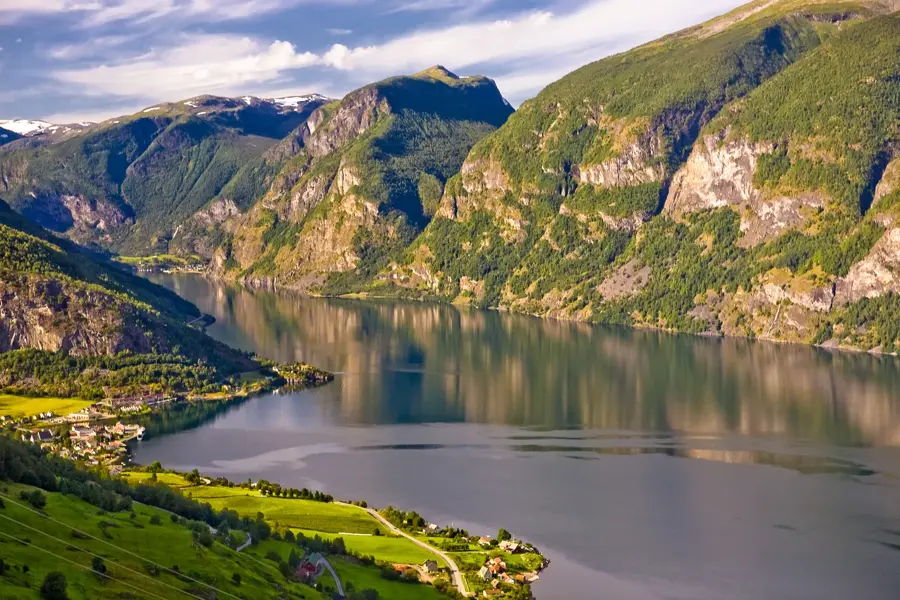
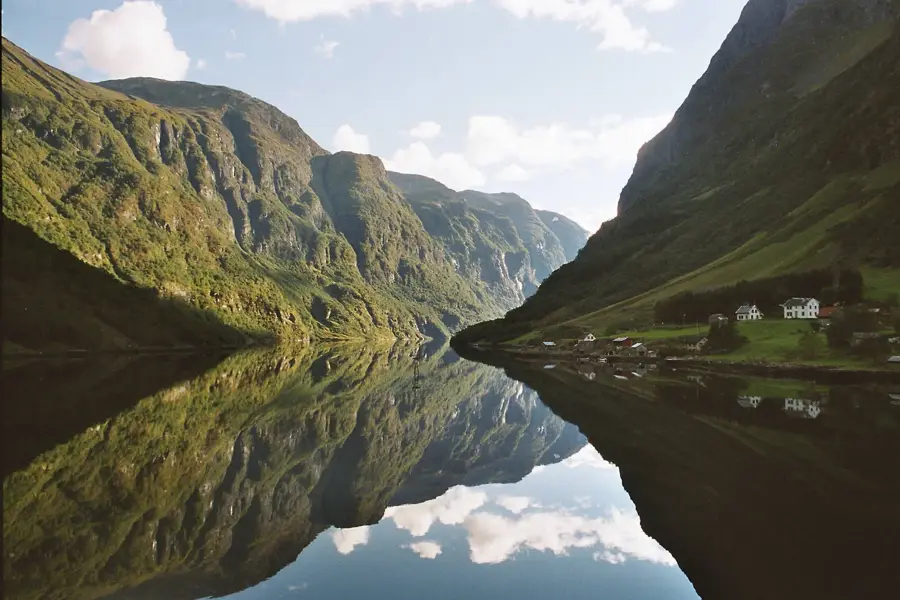
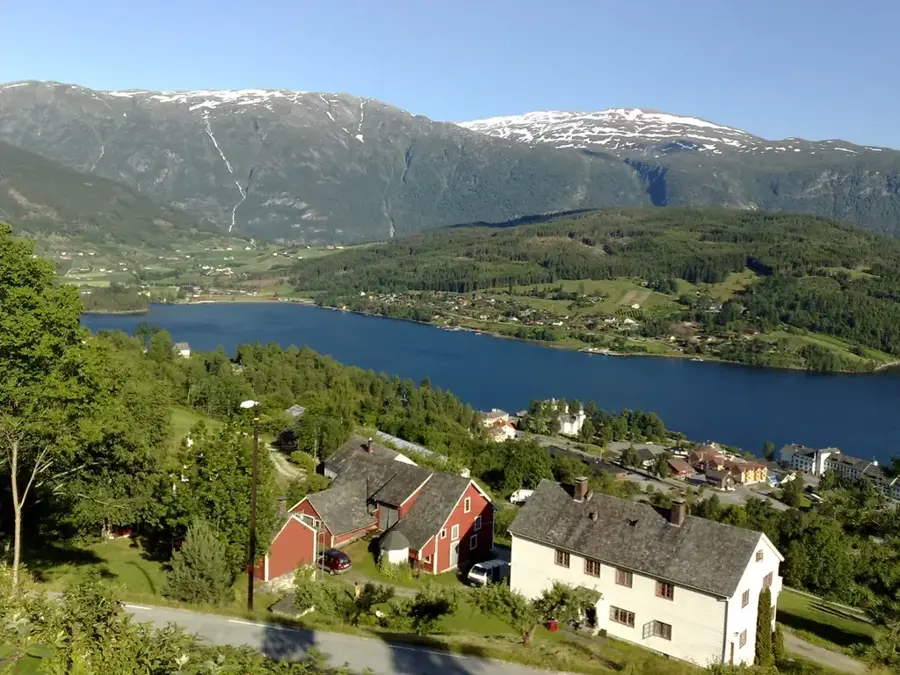
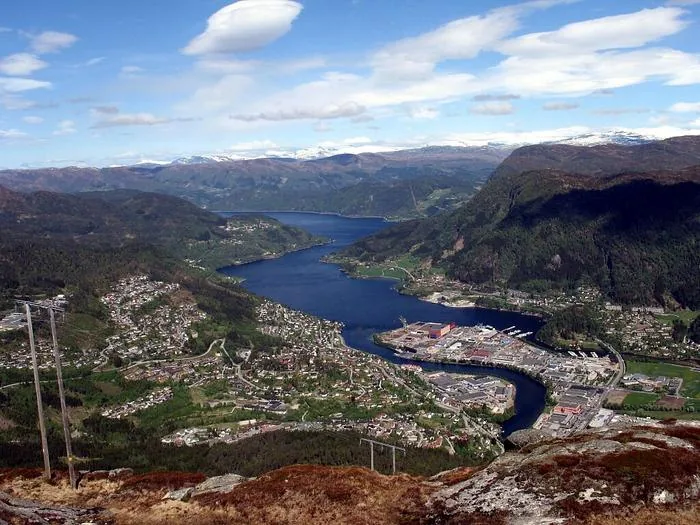
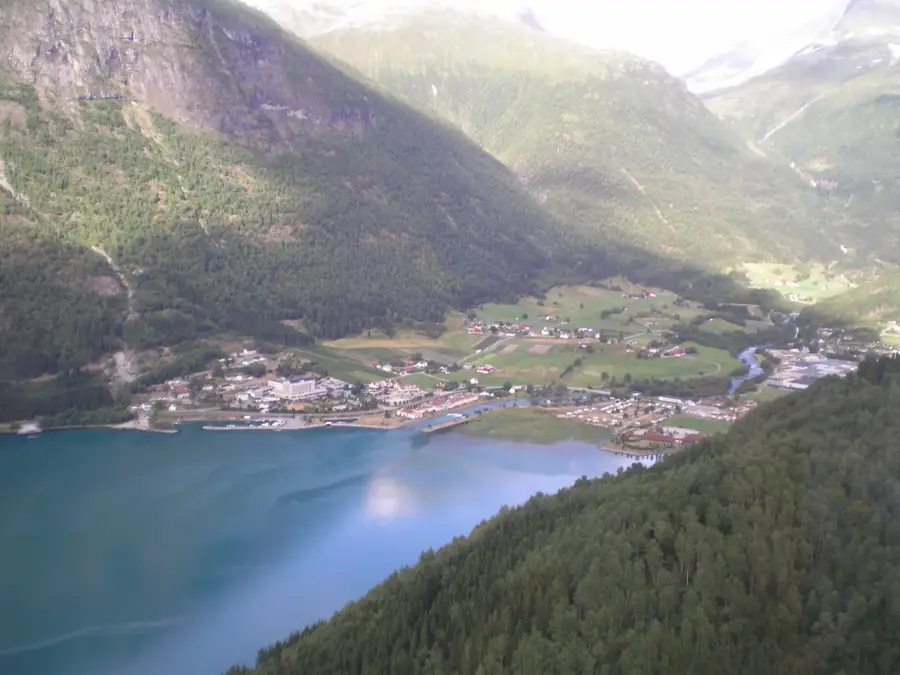
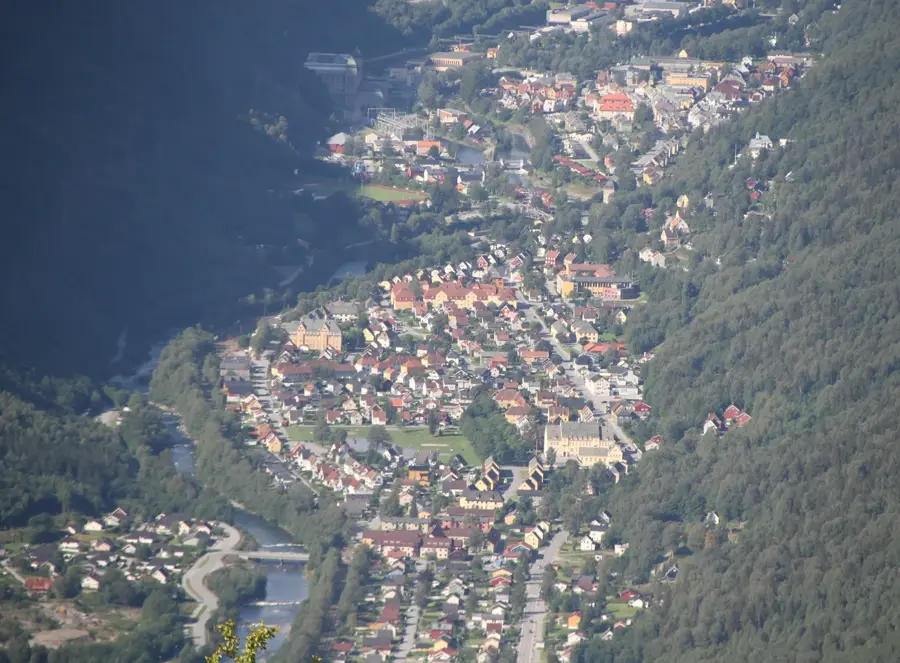
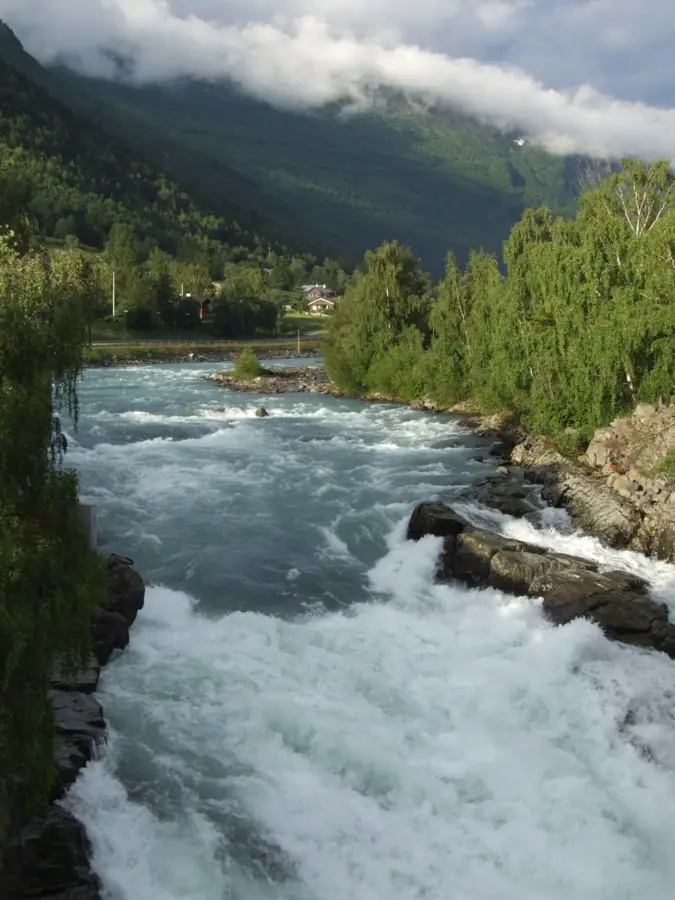
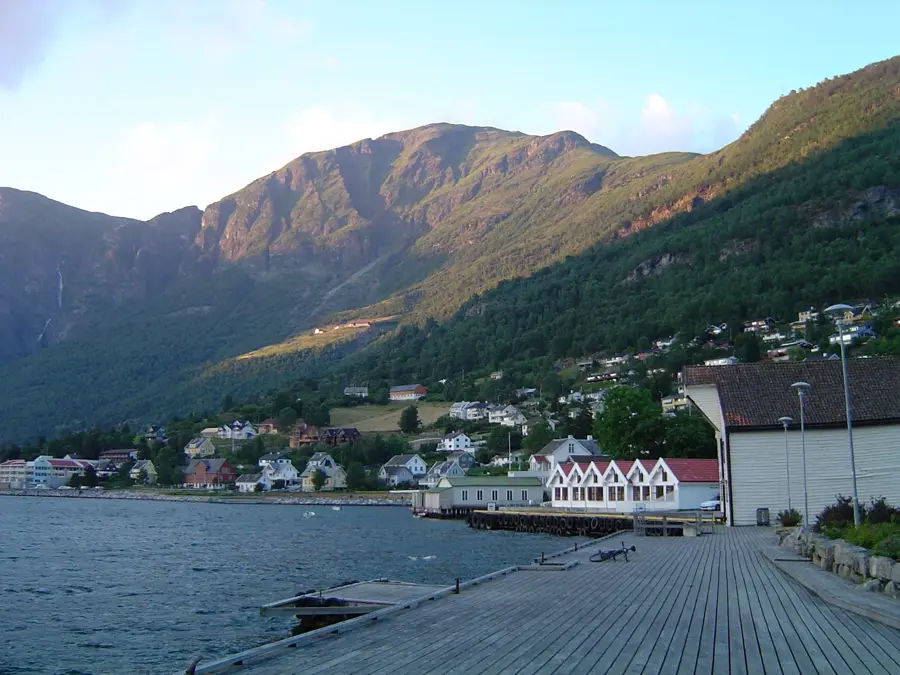
Aurlandsdalen Valley, often called the 'Grand Canyon of Norway', is a deeply incised valley stretching from the high Hardangervidda plateau down to the Aurlandsfjord. Geologically, the valley was formed by intense erosion from rivers and glaciers carving through diverse rock layers, ranging from granite to phyllite. This geological variety results in an exceptionally rich flora, with over 500 recorded plant species. Historically, the valley served as a major trade route between Eastern and Western Norway, where livestock and goods were driven across the rugged mountains. Abandoned mountain farms such as Sinjarheim bear witness to the challenging life of early settlers and the agricultural use of steep slopes. In modern times, the region was reshaped by large-scale hydroelectric projects, influencing the landscape with dams and tunnels. Today, Aurlandsdalen is one of the country's most iconic hiking destinations, offering dramatic vistas of waterfalls and sheer cliff faces.

Best time to visit & climate

The most pleasant time to visit is Jun–Aug.

JanFebMarAprMayJunJulAugSepOctNovDec
Avg °C-9-9-7-3161095-1-6-8
Rain mm174124127106116138169173175165169182

📋 Practical info

🧭
Getting there
This renowned Western Norwegian valley is highly accessible via public transport, with special bus services regularly dropping hikers at popular trailheads like Østerbø. For those driving, the route from the nearby fjord towns gives spectacular scenery, though the mountain roads can be exceptionally narrow.
📅
Best season
The classic hiking season is short, typically running from mid-July to September, ensuring the high passes are largely free of deep snow. Attempting the hike too early in the summer can mean confronting dangerous, fast-flowing snowmelt rivers and slippery, snow-covered paths that are hard to navigate.
⛰️
Terrain & paths
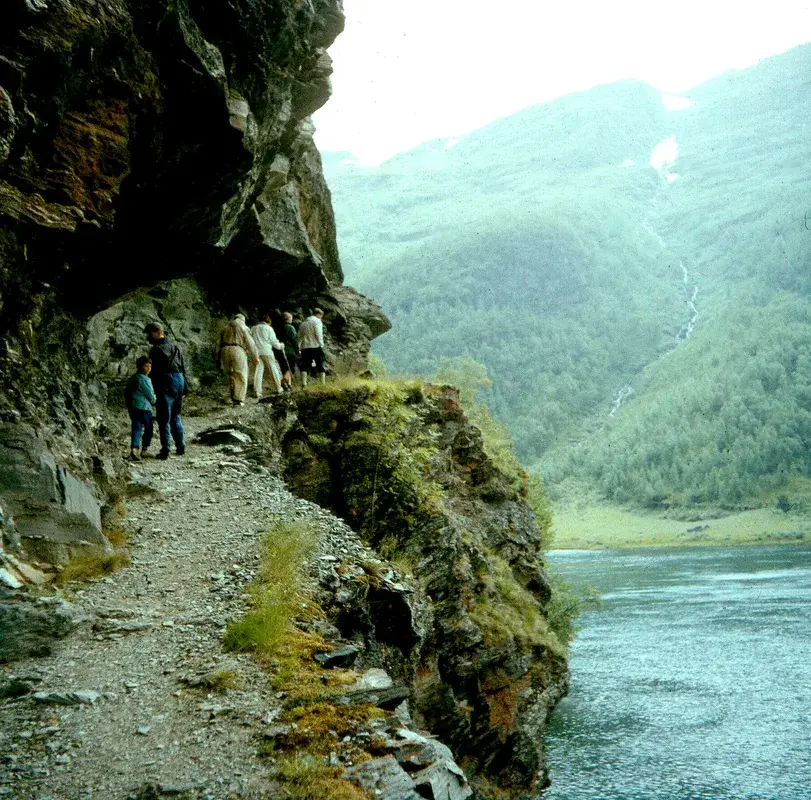
The trail descends dramatically through the valley, featuring a mix of relatively flat pastoral sections and steep, rocky drops alongside roaring waterfalls. The path is generally well-marked but undeniably rugged, requiring hikers to clamber over boulders and carefully navigate along narrow, exposed ledges.
🎒
What to bring
High-quality, waterproof hiking boots with rigid ankle support are crucial for handling the uneven, rocky trails and frequent stream crossings. Hikers should pack a comprehensive mountain day-kit, including high-energy food, abundant water, and multiple layers of clothing to handle rapid, severe weather shifts.
🅿️
Parking
Many visitors utilize the parking areas in Aurland or Flåm and rely on the dedicated shuttle buses to reach the higher starting points, making it a linear hike. Parking at the actual trailheads like Østerbø is possible but spaces are heavily limited, making the public bus system the highly preferred logistical choice.
⚠️
Safety
The sheer drops alongside the trail and the potential for dangerously slippery rock surfaces in wet weather require constant vigilance and steady footing. Weather in the valley can deteriorate rapidly, bringing cold rain and poor visibility, so rigorously checking the mountain forecast before departure is absolutely essential.
⏱️
Time needed
Hiking the most popular, dramatic section of the valley from Østerbø to Vassbygdi takes a full day, usually requiring six to eight hours of solid, demanding walking. Factoring in transport time to and from the trailheads, visitors should dedicate an entire long day to fully experiencing this spectacular natural landscape.

Geography

Coordinates
60.83330, 7.33330

Facts

  • The classic hiking route through the valley is approximately 20 kilometers long.
  • The valley is home to more than 500 different plant species.
  • The abandoned farm Sinjarheim was in use as early as 1000 AD.
  • The Aurland I power station is one of the most powerful in Norway.
  • The elevation drop during the valley hike is approximately 800 meters.
  • Østerbø was once a vital resting place for travelers crossing the mountains.

Explore nearby

Notable places around
Route planner — Car & Motorhome

Where do you start? We build the route here, with stops and country notes along the way.

Vehicle
Only stops with (optional):

© OpenStreetMap contributors · OpenRouteService

Sights in the town Aurlandsdalen (1)

Aurland Hydroelectric Power Station📍 landmark

A hydroelectric plant in the Aurlandsdalen valley, harnessing energy from nearby waterfalls and rivers.

Sights nearby

Frequently asked questions

How long does the hike through Aurlandsdalen take?
The classic hike from Østerbø to Vassbygdi takes about 6 to 7 hours for the 19 km distance.
When is the best time to visit the valley?
The best time is from late June to September, when trails are snow-free and mountain cabins are open.
Is there bus transport for hikers?
Yes, a hiker's bus connects Vassbygdi, Aurland, and Flåm several times daily during the summer season.
Is the hike suitable for children?
Yes, it is manageable for children aged 7-8 and up with hiking experience, as the trail is mostly downhill.
What are the highlights along the route?
Highlights include the Vetlahelvete pothole, historic farms like Sinjarheim, and spectacular waterfalls.
Aurlandsdalen: where is it located?
Aurlandsdalen is located in Norway.
Aurlandsdalen: when is the best time to visit?
The most pleasant time to visit is Jun, Aug.
Aurlandsdalen: why is it worth visiting?

Aurlandsdalen Valley, often called the 'Grand Canyon of Norway', is a deeply incised valley stretching from the high Hardangervidda plateau down to the Aurlandsfjord.
View on map → The Top 50 Attractions → Most beautiful beaches → OpenStreetMap →
Europe
Explore with Plizio Discover more places in Europe
More places in Norway →

Nearby cities

History & landmarks