Sildajazz
International jazz festival held every August on the second weekend in Haugesund. Around 70 bands and hundreds of musicians perform at over 200 events across the town.
PlizioGo
Haugesund is built on the herring trade; look for seafood restaurants along the Smedasundet strait.
Enjoy a rich, creamy local fish soup at the cozy waterfront cafes.
Grab this traditional Norwegian cinnamon roll from a bakery on Haraldsgata.
Norway's longest pedestrian street is filled with independent boutiques and cozy cafes.
A large mall slightly outside the center, handy for practical shopping needs.
A popular, peaceful hiking and recreation area with lakes just east of the city.
A tranquil park not far from the center, excellent for a relaxing afternoon.
A classic, quiet city park right next to the town hall.
Water temperature…
International jazz festival held every August on the second weekend in Haugesund. Around 70 bands and hundreds of musicians perform at over 200 events across the town.
Norway's leading film festival, held every August in Haugesund, featuring the national Amanda Award ceremony. It screens Norwegian and international films and draws filmmakers from around the world.
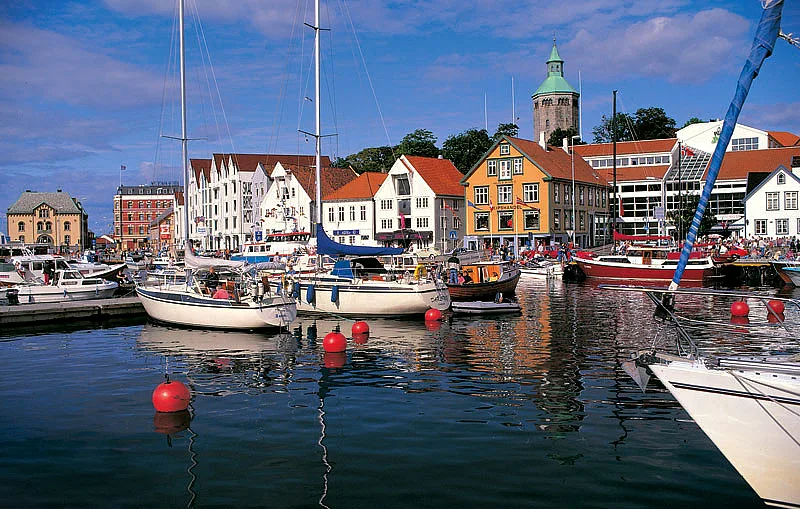
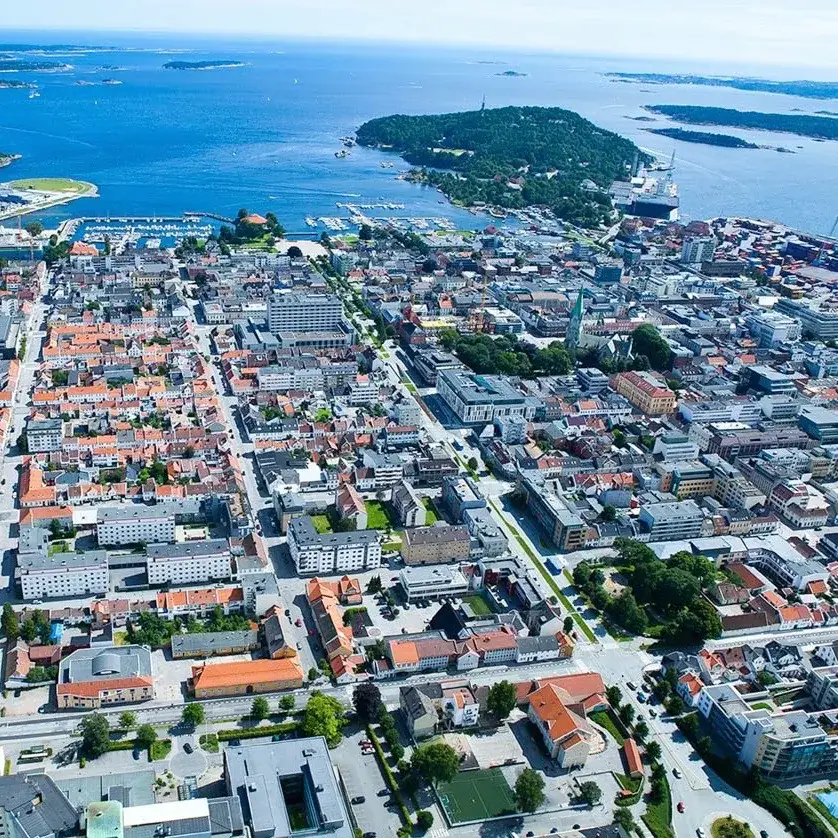
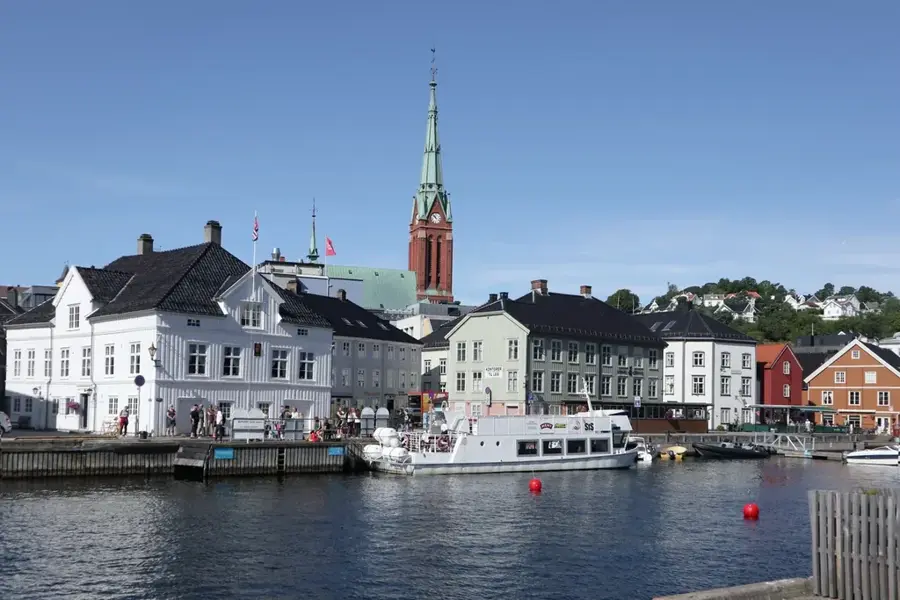
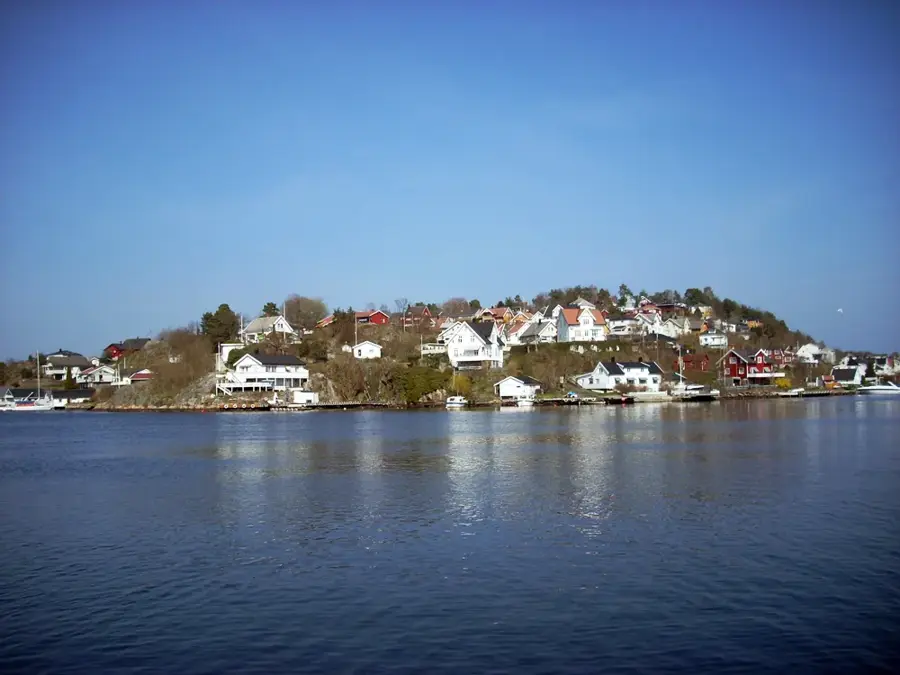
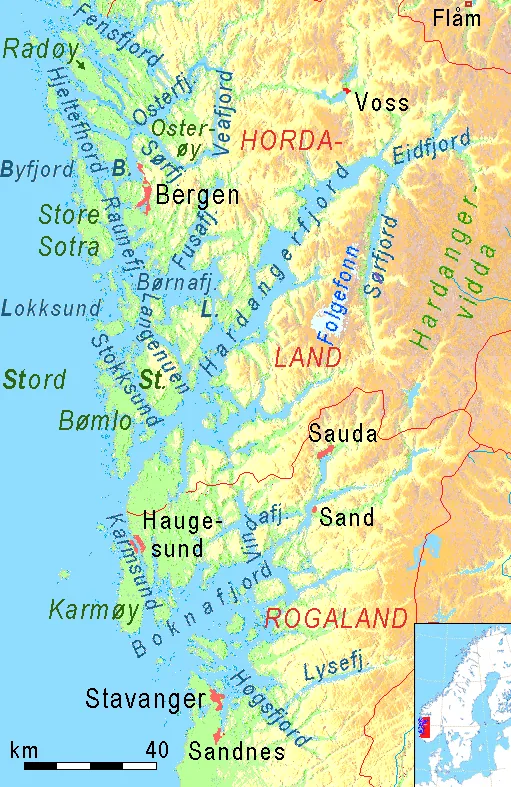
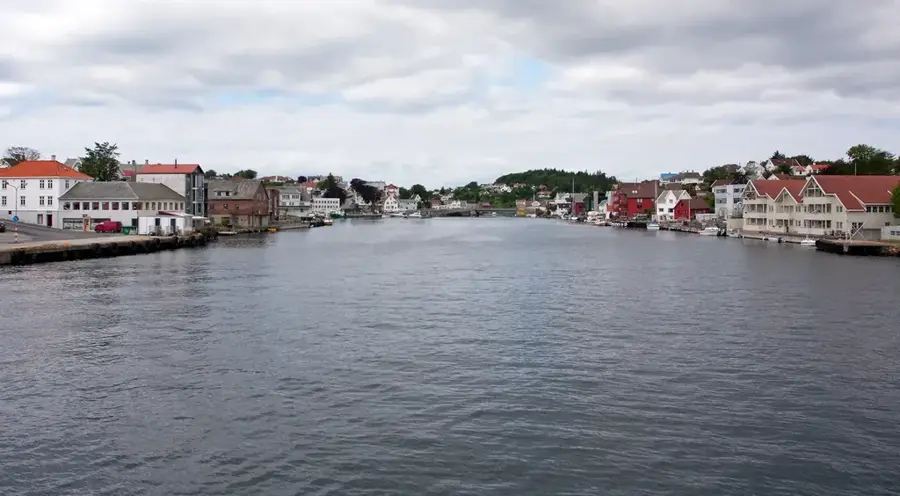
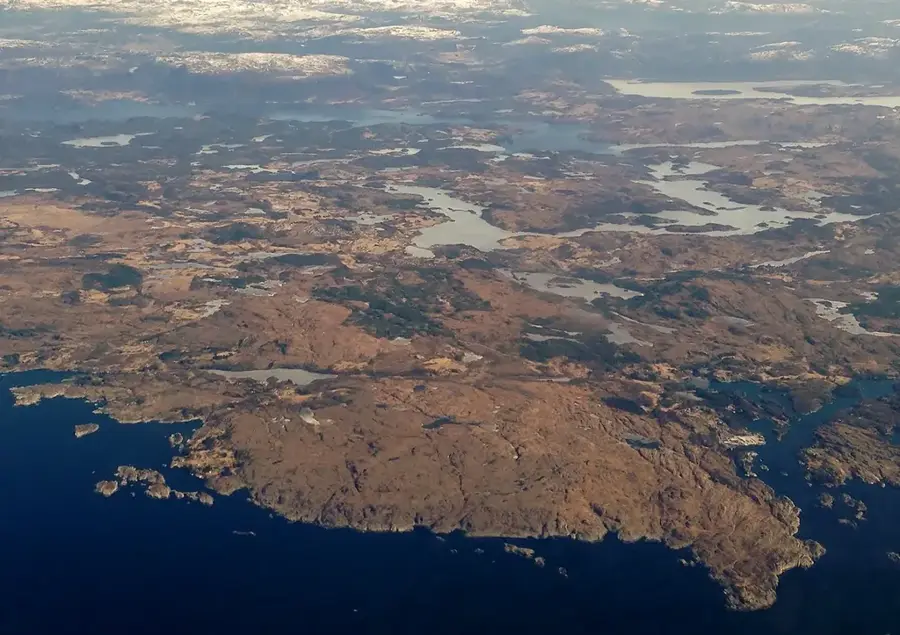
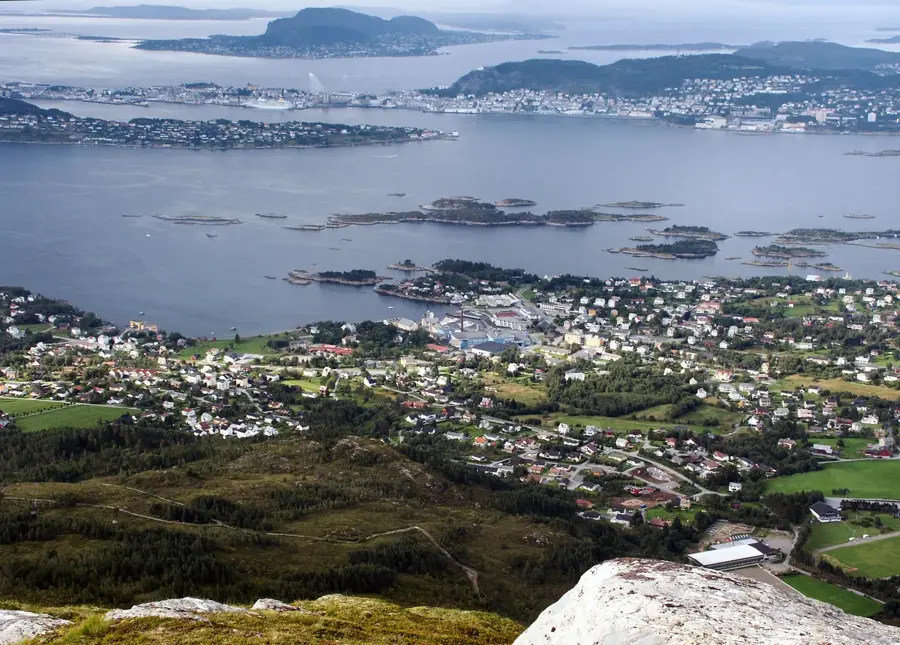
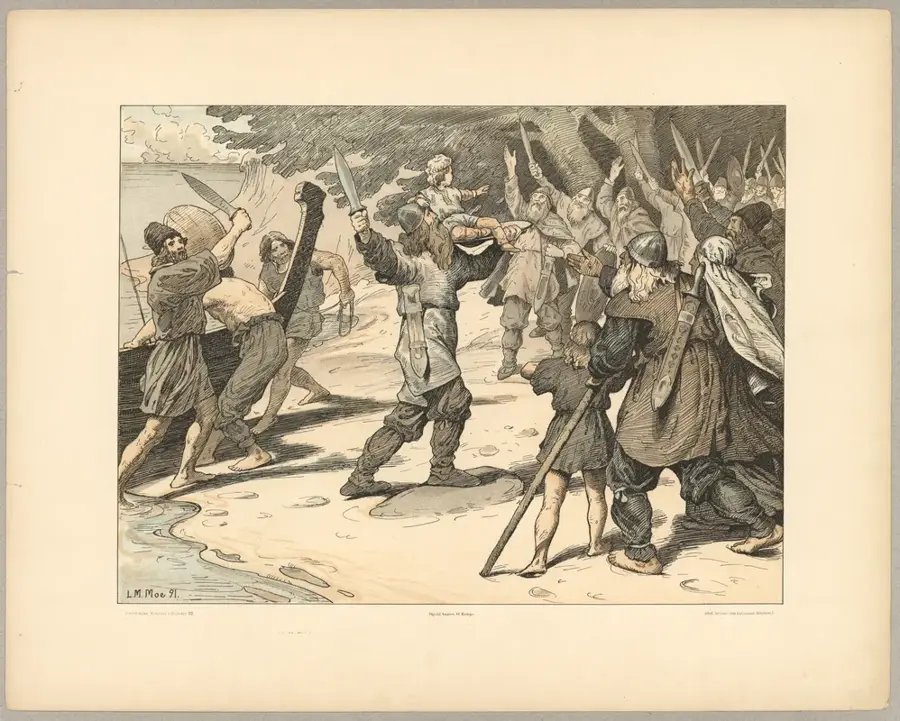
Haugesund is located on the west coast of Norway in Rogaland county and is known as the 'Home of the Viking Kings.' The city holds profound historical significance as the nearby Avaldsnes was the site of Norway's first royal seat. The Haraldshaugen national monument was erected in 1872 to commemorate the millennium of Norway's unification by Harald Fairhair and marks the king's alleged burial site. Economically, Haugesund experienced rapid growth in the 19th century due to herring fishing, which established the city as one of the country's premier fishing ports. Today, Haugesund is a modern maritime hub, heavily influenced by the offshore oil and gas industry as well as shipbuilding. Culturally, the city hosts the annual Norwegian International Film Festival and Sildajazz, one of Norway's largest jazz festivals. Its coastal location provides access to memorable landscapes, including the islands of Karmøy and Utsira. Haugesund uniquely blends millennia of Viking history with modern maritime innovation and urban flair.
The most pleasant time to visit is Jun–Aug.
| Jan | Feb | Mar | Apr | May | Jun | Jul | Aug | Sep | Oct | Nov | Dec | |
|---|---|---|---|---|---|---|---|---|---|---|---|---|
| Avg °C | 1 | 0 | 2 | 6 | 9 | 13 | 15 | 15 | 12 | 8 | 4 | 2 |
| Rain mm | 255 | 177 | 164 | 121 | 108 | 112 | 134 | 169 | 209 | 230 | 248 | 270 |
See what it looks like near Haugesund right now.
Haugesund: Haraldshaugen Camping AS · 2 km · Open webcam on Windy · Webcams provided by Windy.com
Notable places around
Where do you start? We build the route here, with stops and country notes along the way.
© OpenStreetMap contributors · OpenRouteService
A walk through Haugesund takes you from the green heart of Byparken to the solemn architecture of the Town Hall and Vår Frelsers Church. In the morning, discover Norway's maritime heritage at the Karmsund Folk Museum before viewing the mysterious 'The Rising Tide' sculptures. After a fresh fish lunch at the lively harbour, a refreshing walk leads you north to Haraldshaugen, the national monument where history meets the rugged coastline. A day filled with culture and sea air.
Start your day in the City Park, where the rain brings out the lush greens, then seek shelter under the grand columns of the award-winning Town Hall. At midday, Vår Frelsers Church provides a serene dry haven before you dive into local maritime history at the indoor Karmsund Folk Museum. In the afternoon, the bronze horses of 'The Rising Tide' look especially atmospheric in the rain. Enjoy a slow lunch at the harbour to warm up. Finish at Haraldshaugen. The raw North Sea weather adds a dramatic Viking feel to the national monument before heading back to the cozy city lights.
Experience City Park in the winter frost, as the Town Hall gleams in the soft Nordic morning light. The air is crisp and refreshing. At midday, the heated Vår Frelsers Church offers a moment of peace, followed by the cozy warmth of the Karmsund Museum indoors. By the harbour, 'The Rising Tide' horses are often dusted with frost in the early afternoon. A hot coffee with lunch is now a necessity. With sunset around 15:30, you'll reach Haraldshaugen during the blue hour. The illuminated monuments against the snow create a magical scene before retreating to the center.
Get on your bike and start your exploration at the elegant Town Hall. A short ride takes you to the Karmsund Museum for a dive into maritime history. In the morning, cycle along the coast to the monumental Haraldshaugen. After lunch, the route heads inland to the tranquil Djupadalen, perfect for a nature break. The afternoon brings a sporting challenge with the climb to Steinsfjellet, which is rewarded with a breathtaking view. An active day combining city, coast, and nature.
Cycle carefully to the Town Hall; the wet streets glisten in the grey light. Karmsund Museum offers a dry break for culture enthusiasts. At noon, head to Haraldshaugen. The rain blowing off the sea makes for a bracing and athletic ride. A warm lunch is your reward. In the afternoon, the tour goes to Djupadalen. The forest trails smell fresh from the rain but can be muddy. The climb to Steinsfjellet is mystical in the fog. Finish the day in the city center. The lights reflect beautifully on the wet asphalt as you park your bike for the evening.
A crisp start at the Town Hall. The clear air makes the city look sharp and bright. Warm up briefly inside the Karmsund Museum. At noon, cycle to Haraldshaugen. The North Atlantic wind is icy, but the view of the snow-covered islands is breathtaking. In the afternoon, ride through wintery Djupadalen. The snowy paths dampen all sounds. The climb to Steinsfjellet is tough but keeps your blood pumping. Before darkness falls, return to the center. The festive lights (in Dec/Jan) welcome you back to the cozy shopping streets.
By car, you can effortlessly reach the highlights around Haugesund. Start the day with a panoramic view from Steinsfjellet. A short stop at the tranquil Djupadalen offers a nature break before you drive to the historic Haraldshaugen on the coast. At noon, park in the center to see the Town Hall and have lunch. In the afternoon, drive to the harbour to immerse yourself in the maritime world of the Karmsund and Dokken museums, ending the day between history and the sea.
Start comfortably at Steinsfjellet; the rain might hide the distant view but creates a mystical atmosphere with the clouds. Enjoy the nature of Djupadalen from your car. At noon, drive to Haraldshaugen. Park close to the monument to keep your walk in the rain short. Follow this with a cozy lunch in the city center. In the afternoon, visit Vår Frelsers Church and the Karmsund Museum – both provide excellent shelter and deep cultural insights. Finish your day at the Dokken Museum on Hasseløy island. The old wooden buildings are especially atmospheric in the rain, telling tales of the herring era.
Start at the frosty Steinsfjellet. The road is cleared and offers great views of the snowy surroundings. Djupadalen looks like a fairy-tale forest in winter. At noon, drive to Haraldshaugen. The sea breeze is cold, but the car heater is waiting for you. A warm lunch in the city center will bolster you. In the afternoon, visit Vår Frelsers Church and the Karmsund Museum. The interiors are wonderfully heated, providing a contrast to the crisp winter air. Finish with a visit to the Dokken Museum. In the dark, the historical buildings are atmospherically lit before you wrap up your day.
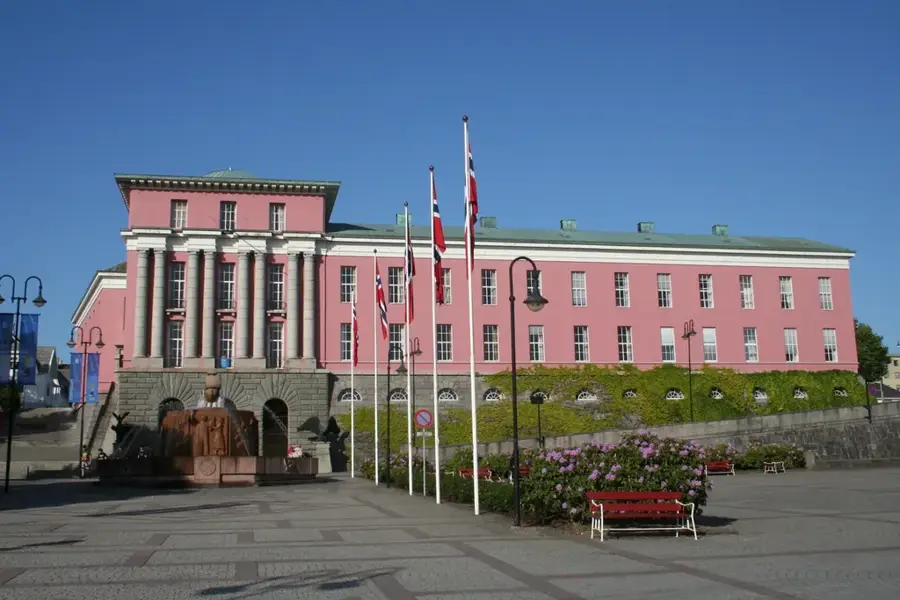
Haugesund City Hall is a prominent neo-classical building and the administrative heart of the city.