Plizio Visual Lab
Scupi Archaeological Site
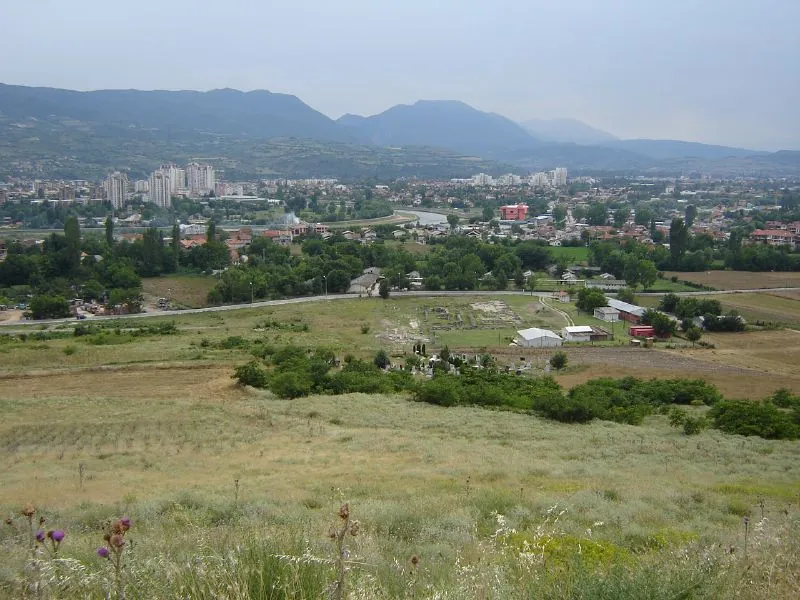
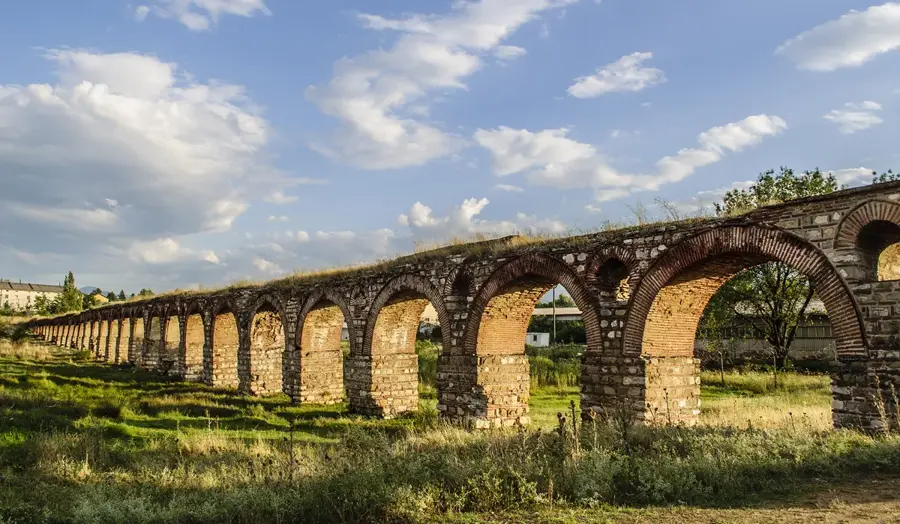
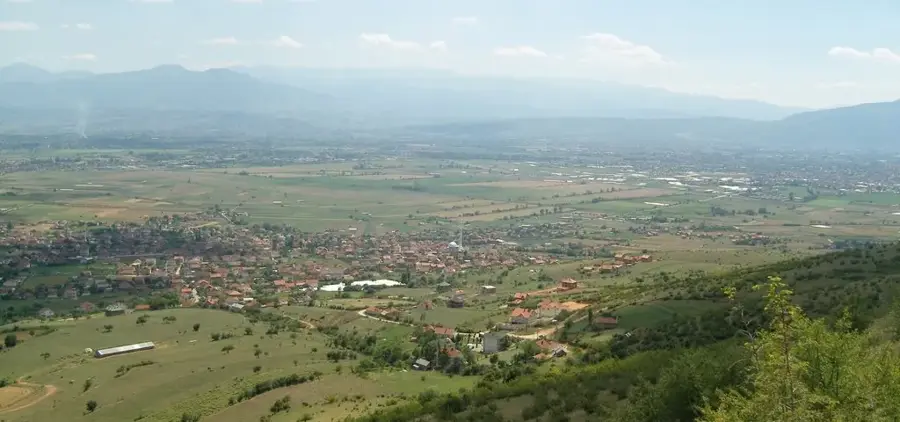
The Scupi Archaeological Site is located on the outskirts of modern-day Skopje, near the village of Zlokukjani. Founded by the Romans as a military camp in the 2nd century BC, it became a significant administrative center and was granted the status of a Roman colony under Emperor Domitian in 81 AD. Known as Colonia Flavia Aelia Scupi, it served as the capital of the province of Dardania. The site contains impressive remains of a Roman theatre capable of seating 3,000 spectators, a monumental basilica, public baths, and a large necropolis. In 518 AD, a catastrophic earthquake completely destroyed the city, leading the survivors to relocate and found the precursor to medieval Skopje. Excavations have revealed intricate floor mosaics and advanced urban planning, providing vital insights into the Roman presence in the central Balkans. Today, it is protected as a national cultural monument of North Macedonia.
- Location: North Macedonia
- Nearby: Tetovo Trade Hub (35 km)
Best time to visit & climate
The most pleasant time to visit is Jun–Aug.
| Jan | Feb | Mar | Apr | May | Jun | Jul | Aug | Sep | Oct | Nov | Dec | |
|---|---|---|---|---|---|---|---|---|---|---|---|---|
| Avg °C | -1 | 1 | 5 | 10 | 15 | 19 | 23 | 23 | 18 | 12 | 6 | 0 |
| Rain mm | 77 | 68 | 73 | 66 | 76 | 57 | 37 | 39 | 68 | 88 | 97 | 85 |
📋 Practical info
Geography
Facts
- Granted the status of a Roman colony in 81 AD
- Served as the capital of the Roman province of Dardania
- Features a Roman theatre that seated 3,000 people
- Destroyed by a massive earthquake in 518 AD
- Located at the confluence of the Lepenec and Vardar rivers
- Excavations have revealed numerous mosaics and inscriptions
Explore nearby
Notable places around
Route planner — Car & Motorhome
Where do you start? We build the route here, with stops and country notes along the way.
© OpenStreetMap contributors · OpenRouteService
Sights in the town Scupi Archaeological Site (1)
Sights nearby
Frequently asked questions
What was Scupi?
Is there a theater in Scupi?
Where is the archaeological site located?
Are there information boards?
Can the site be visited for free?
Scupi Archaeological Site: where is it located?
Scupi Archaeological Site: when is the best time to visit?
Scupi Archaeological Site: why is it worth visiting?

Nearby cities
History & landmarks
Nature

More places