Plizio Visual Lab
Malagarasi Swamps
Weather…
Water temperature…
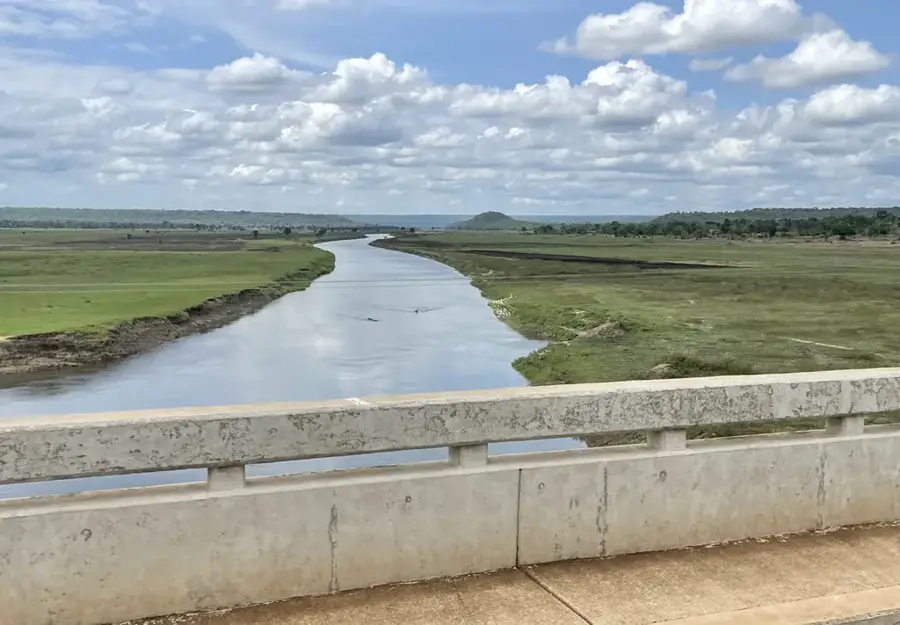
The Malagarasi Swamps extend along the Malagarasi River in eastern Burundi, forming one of the most significant wetland ecosystems in East Africa. This expansive complex of permanent marshes, lakes, and floodplains is internationally recognized as a Ramsar site for its ecological importance. The swamps are particularly renowned as one of the few remaining habitats in Burundi for the elusive Shoebill stork (Balaeniceps rex). These prehistoric-looking birds find good nesting and hunting grounds within the dense stands of papyrus and reeds. Beyond the Shoebill, the area supports a rich biodiversity, including hippopotamuses, various fish species, and a wide array of waterfowl. Geographically, the Malagarasi River acts as a natural border between Burundi and Tanzania, draining a large portion of the central highlands. The remote nature of this region has helped preserve its wilderness, making it a critical focus for international conservation efforts aimed at protecting endangered species and maintaining the hydrological balance of the Malagarasi-Muyovozi basin.
- Location: Burundi
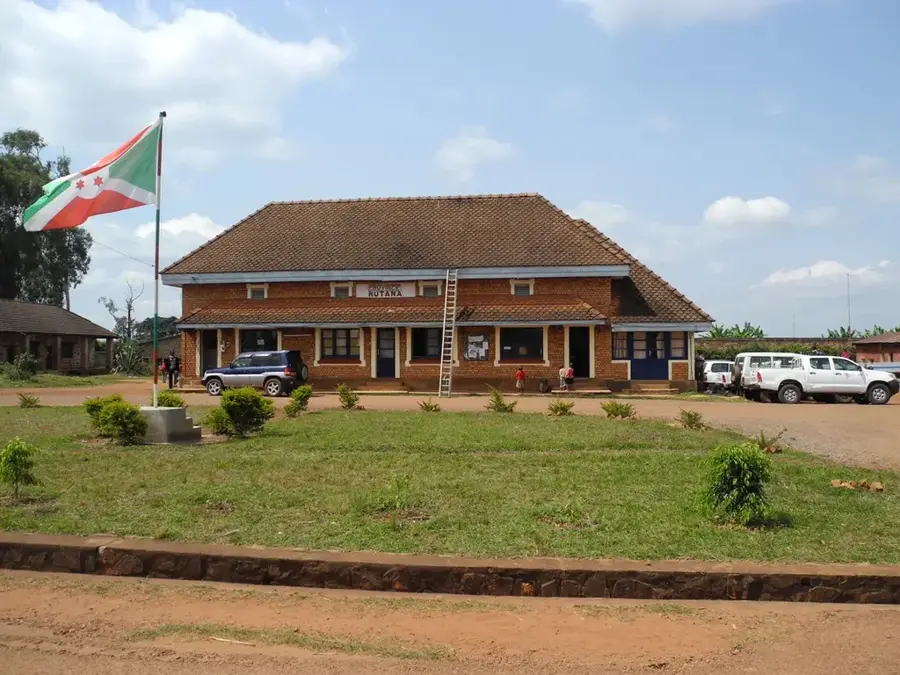
- Nearby: Rutana (22 km)
Best time to visit & climate
The most pleasant time to visit is Jun–Aug.
| Jan | Feb | Mar | Apr | May | Jun | Jul | Aug | Sep | Oct | Nov | Dec | |
|---|---|---|---|---|---|---|---|---|---|---|---|---|
| Avg °C | 21 | 21 | 21 | 21 | 20 | 19 | 19 | 21 | 23 | 22 | 21 | 21 |
| Rain mm | 178 | 137 | 169 | 150 | 59 | 9 | 6 | 13 | 26 | 76 | 209 | 177 |
📋 Practical info
Geography
Facts
- The Malagarasi Swamps are part of an internationally recognized Ramsar wetland site.
- The Shoebill stork is considered a vulnerable species with a limited range in the region.
- The Malagarasi River is approximately 475 kilometers long, spanning Burundi and Tanzania.
- This wetland complex acts as a natural water purification system for the river basin.
- Scientists have identified over 50 distinct species of fish within the swamp waters.
- The area is a crucial transboundary ecosystem shared between Burundi and Tanzania.
Explore nearby
Notable places around


Route planner — Car & Motorhome
Where do you start? We build the route here, with stops and country notes along the way.
© OpenStreetMap contributors · OpenRouteService
Sights nearby
Frequently asked questions
Can you see the shoebill here?
How do you reach the swamps?
Are there crocodiles in the swamps?
When is the best time to travel?
Is a permit required?
Malagarasi Swamps: where is it located?
Malagarasi Swamps: when is the best time to visit?
Malagarasi Swamps: why is it worth visiting?

Nearby cities


History & landmarks
Nature
More places