Plizio Visual Lab
Rif Cliffs
Weather…
Water temperature…
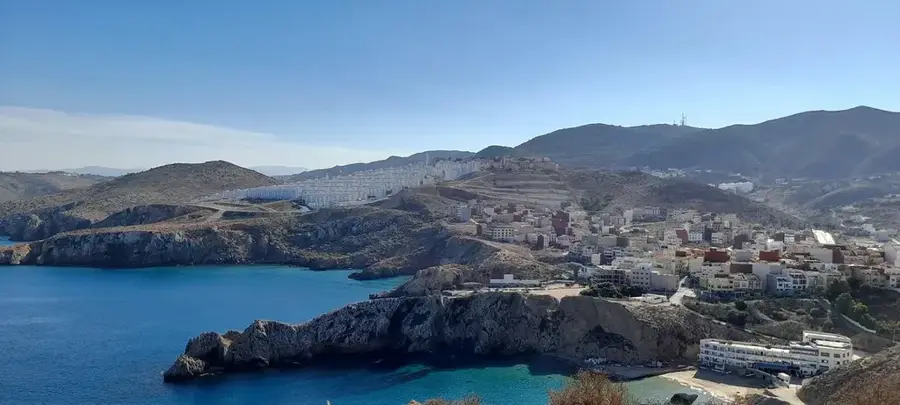
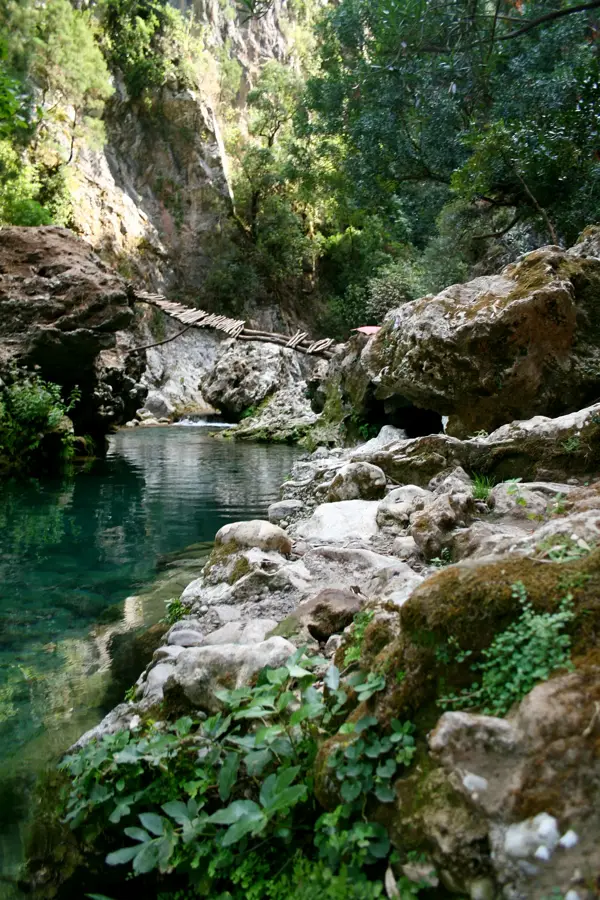
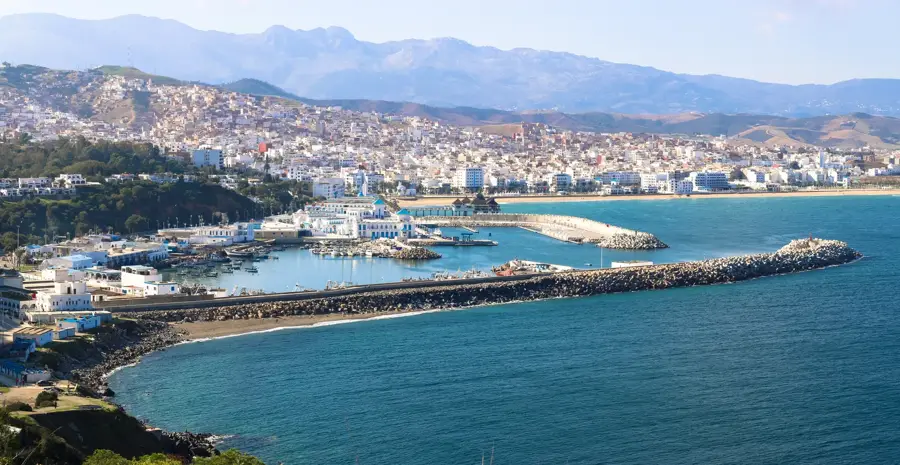
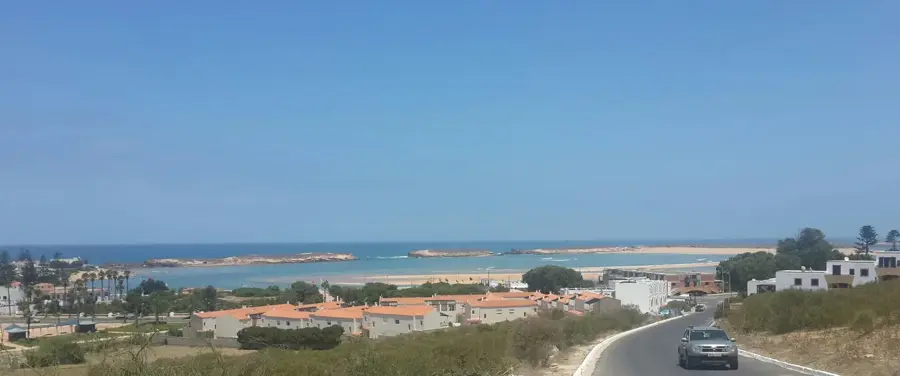
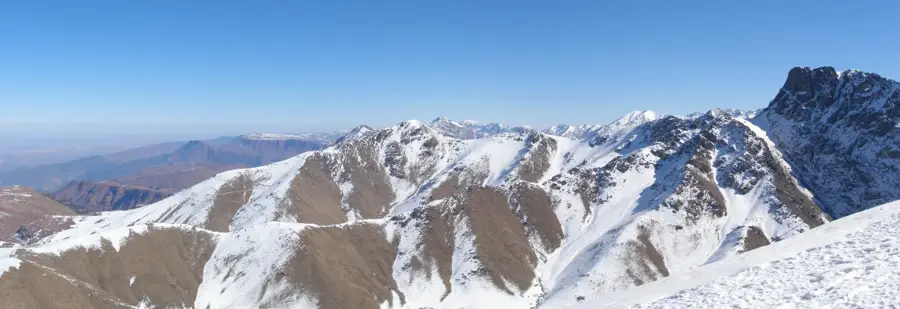
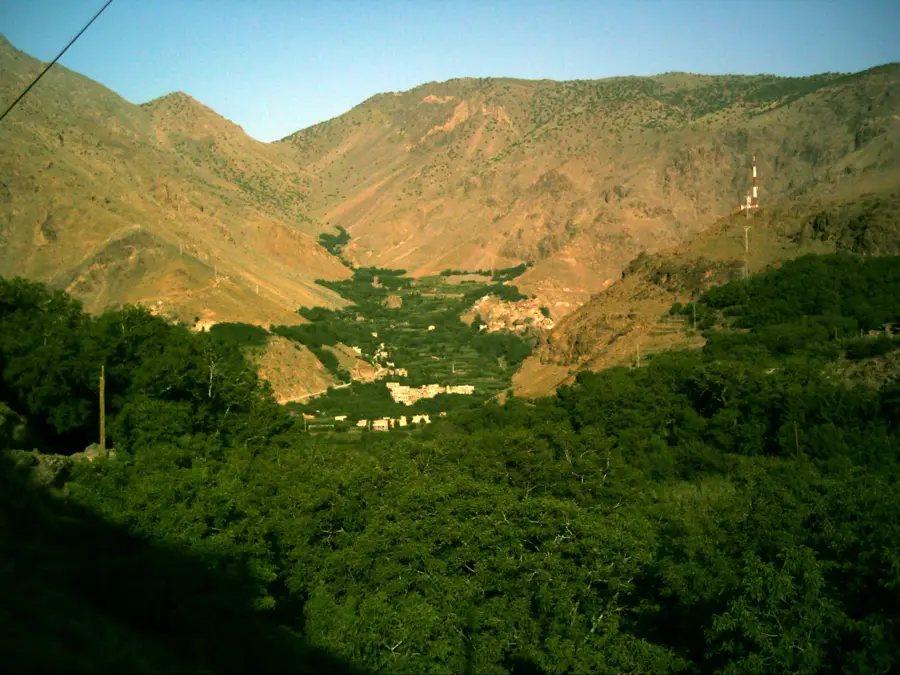
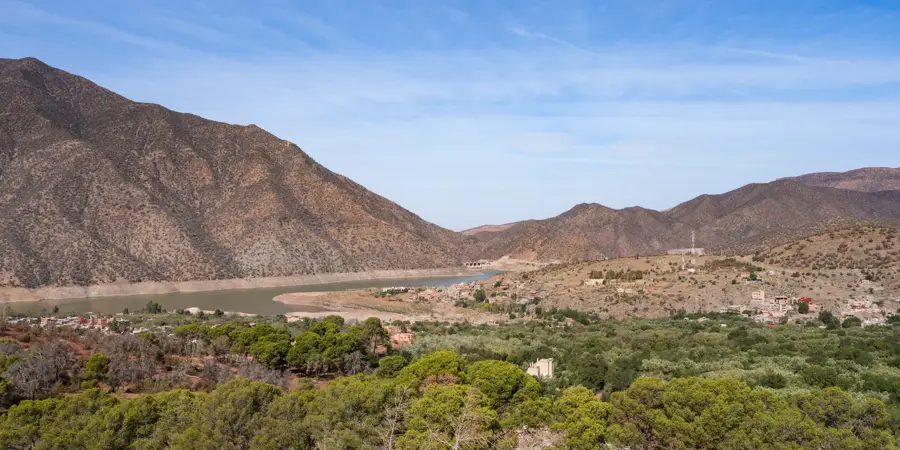
The cliffs of the Rif Mountains stretch along Morocco's Mediterranean coast, forming a dramatic barrier between the hinterland and the sea. This region is geologically young and primarily composed of limestone, leading to steep precipices and rugged rock formations that sometimes plunge directly into the deep blue water. The cliffs host a unique flora and fauna, including rare birds of prey and Mediterranean plant species adapted to the salty air. Numerous small coves and fishing villages are found along the coast, many of which are accessible only by sea. The isolation caused by the difficult terrain helped preserve traditional lifestyles and local dialects in the Rif for centuries. Today, the cliffs are a magnet for hikers and nature lovers, while cities like Al Hoceima serve as economic hubs for the region.
- Location: Morocco
- Nearby: Martil (27 km)
Best time to visit & climate
The most pleasant time to visit is Jun, Jul, Sep.
| Jan | Feb | Mar | Apr | May | Jun | Jul | Aug | Sep | Oct | Nov | Dec | |
|---|---|---|---|---|---|---|---|---|---|---|---|---|
| Avg °C | 13 | 13 | 15 | 16 | 18 | 21 | 24 | 25 | 22 | 20 | 16 | 14 |
| Rain mm | 59 | 60 | 68 | 49 | 23 | 4 | 1 | 4 | 24 | 61 | 81 | 72 |
📋 Practical info
Geography
Facts
- The cliffs are predominantly composed of Mesozoic limestone
- The highest point in the Rif is 2,456 meters (Mount Tidirhine)
- The coastline is characterized by tectonic uplift
- Rare monk seals were historically sighted along these cliffs
- The area is part of the Intercontinental Biosphere Reserve
- Al Hoceima sits on a rocky plateau overlooking the cliffs
Explore nearby
Notable places around
Route planner — Car & Motorhome
Where do you start? We build the route here, with stops and country notes along the way.
© OpenStreetMap contributors · OpenRouteService
Sights nearby
Frequently asked questions
What is special about the Rif cliffs?
Are there beaches there?
How to hike there?
Is it family-friendly?
Are there restaurants?
Rif Cliffs: where is it located?
Rif Cliffs: when is the best time to visit?
Rif Cliffs: why is it worth visiting?

Nearby cities


History & landmarks
More places