Plizio Visual Lab

Vojnik Range
Plizio editorial teamData Sources
Mountain
—°1
Vojnik Range (Montenegro)

Weather…

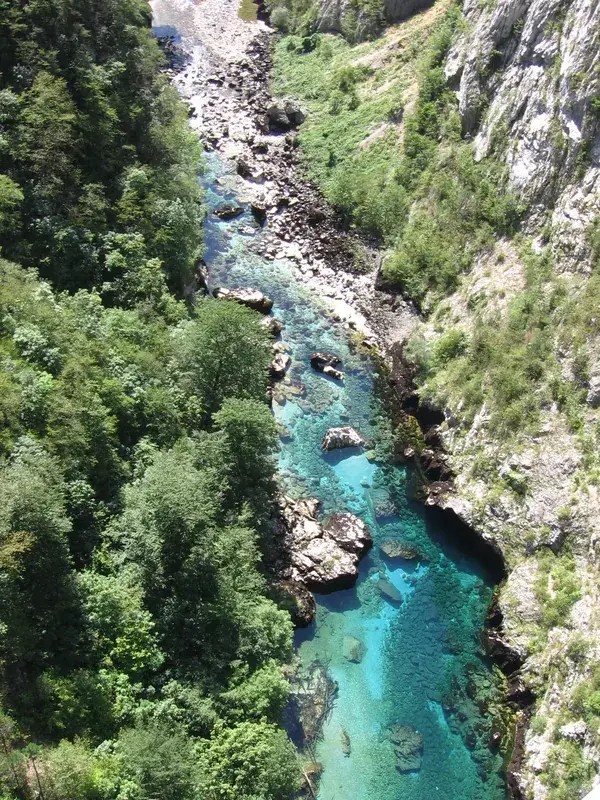
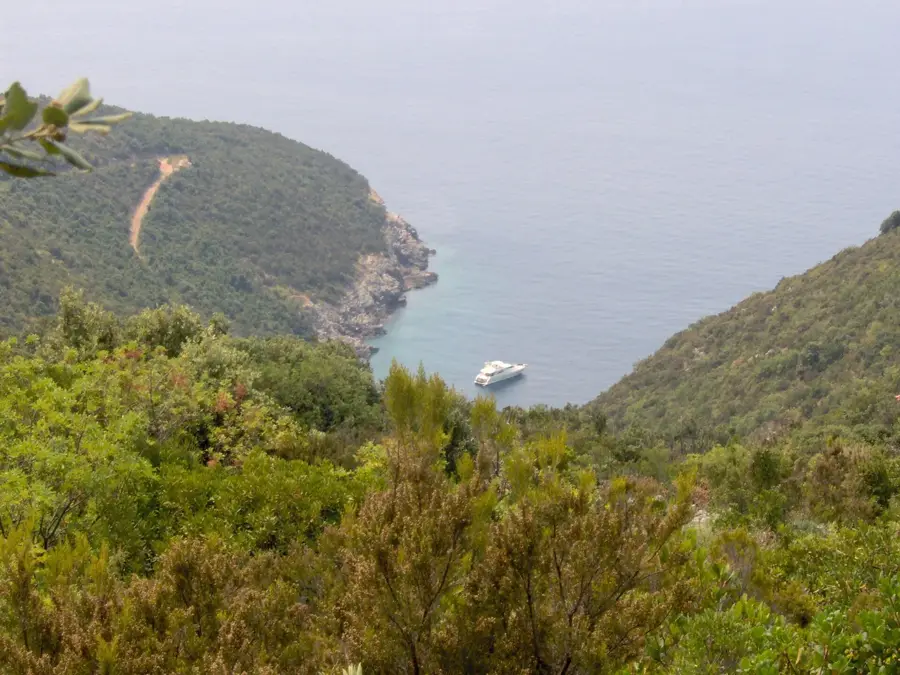
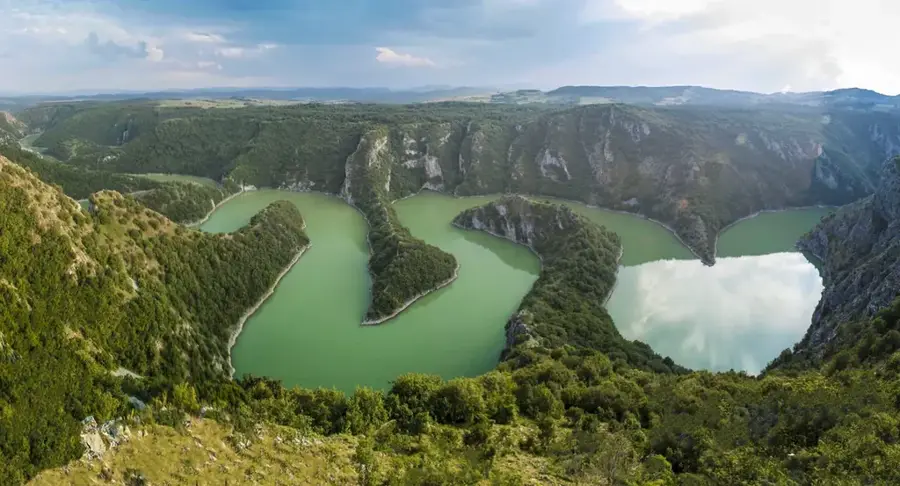
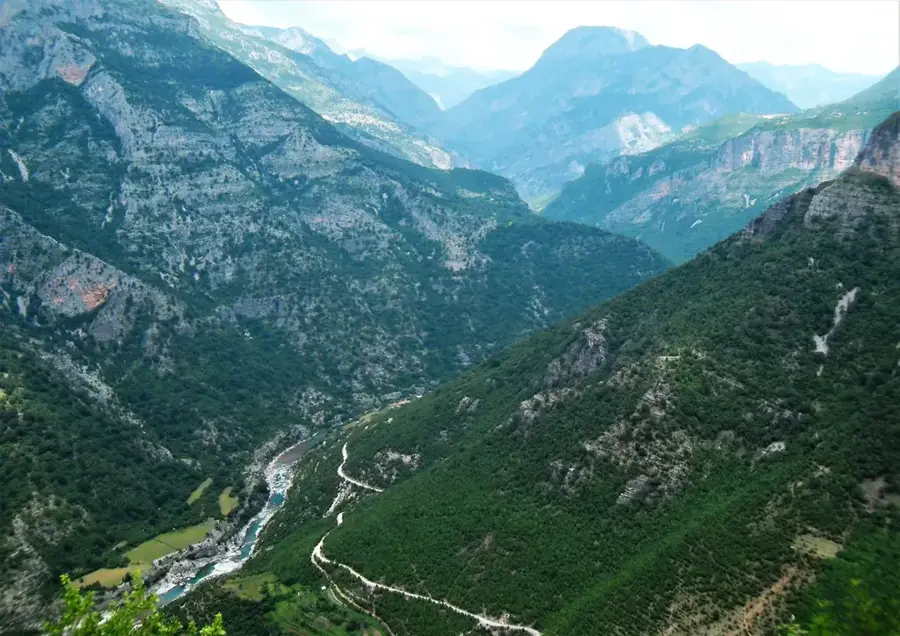
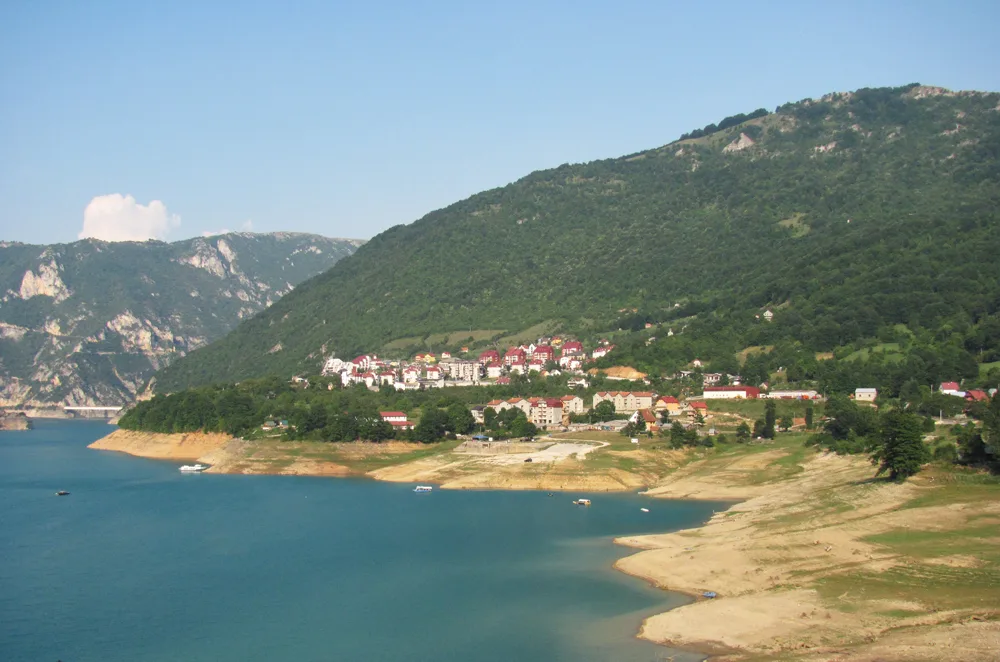
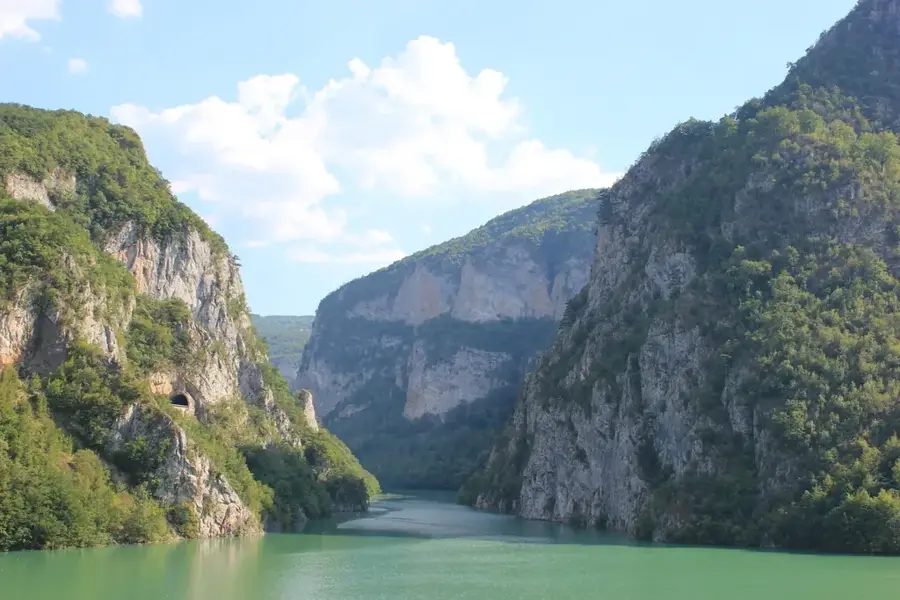
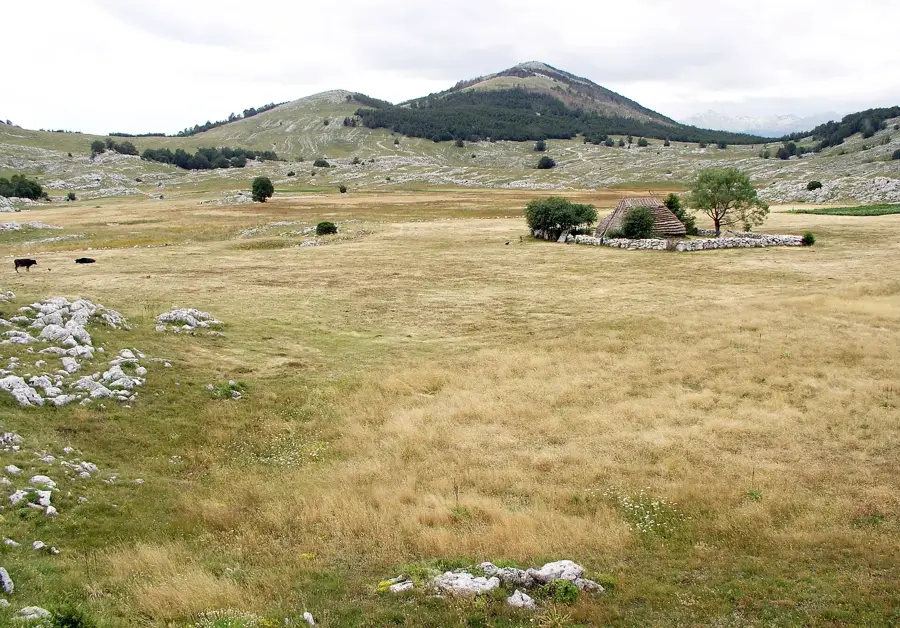
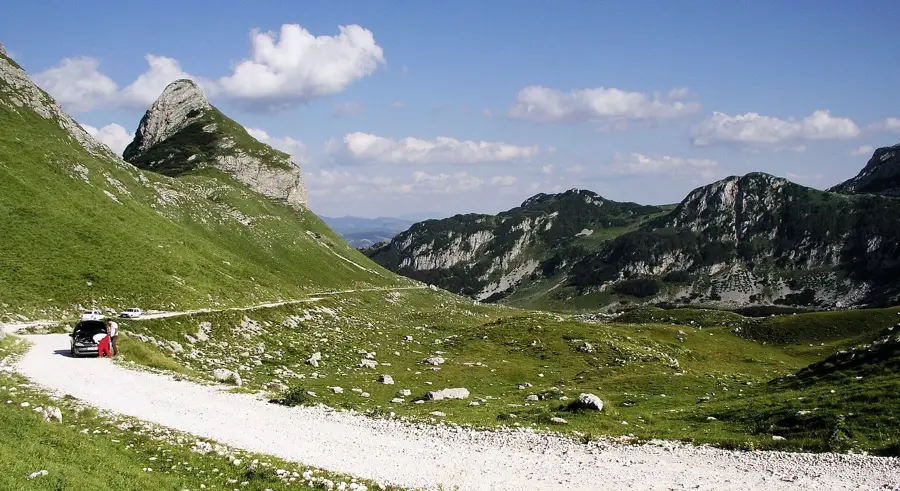
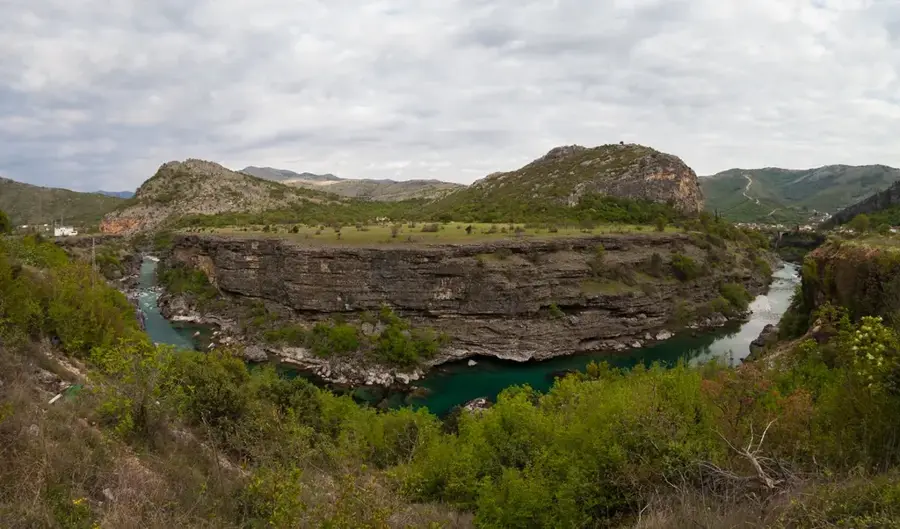
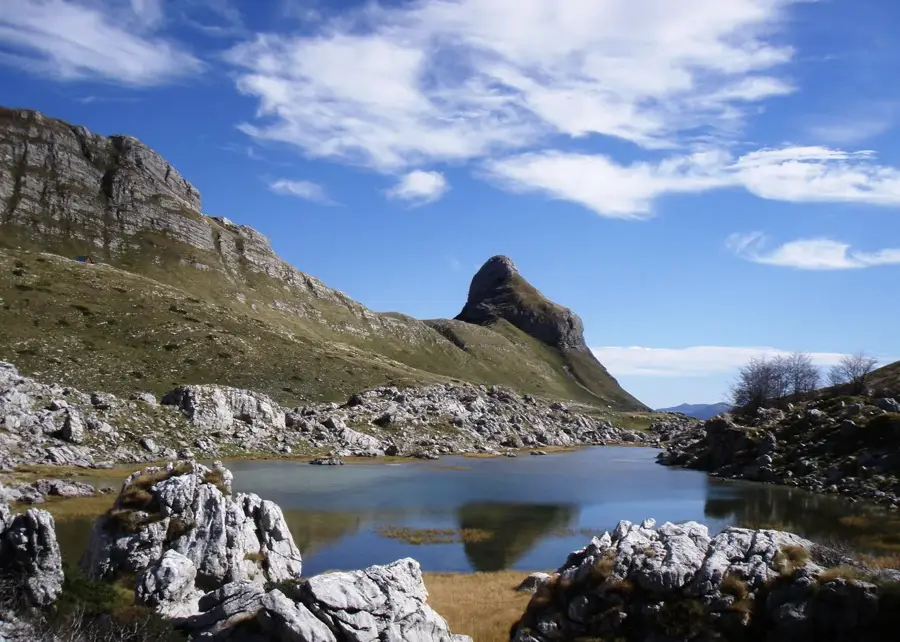
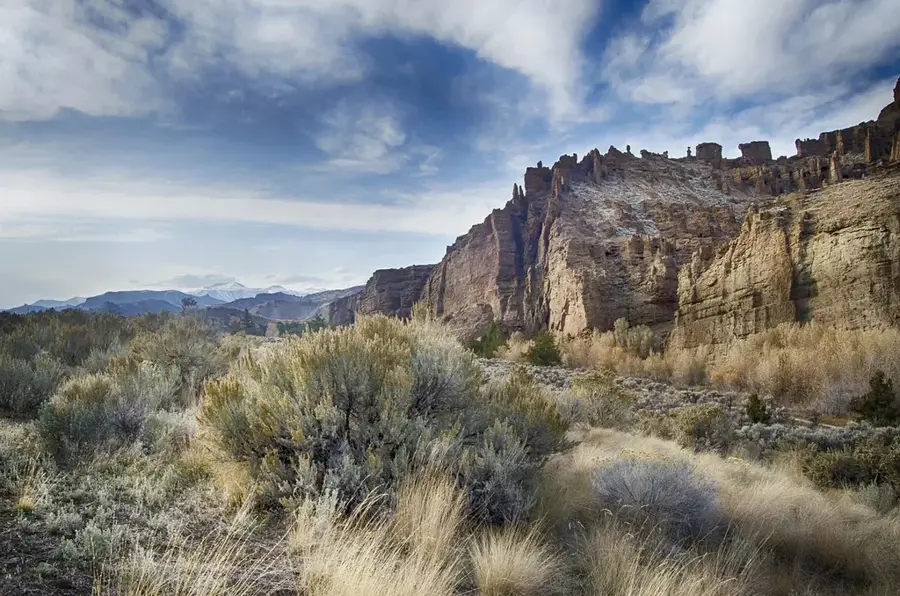
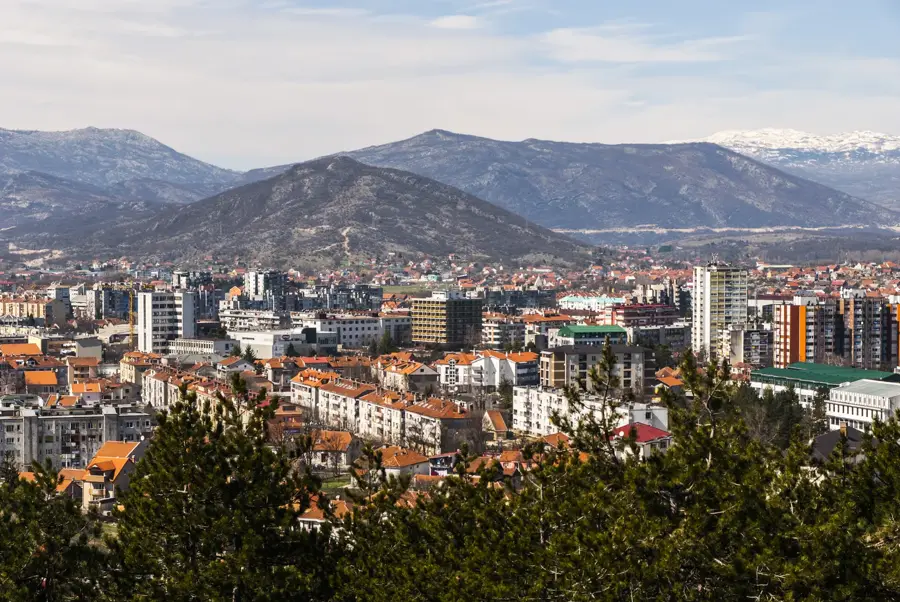
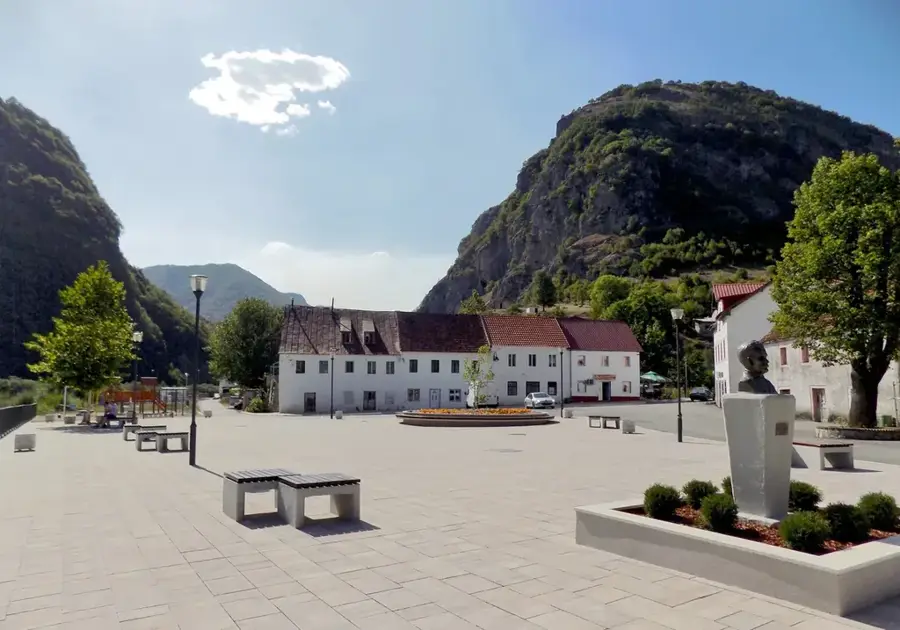
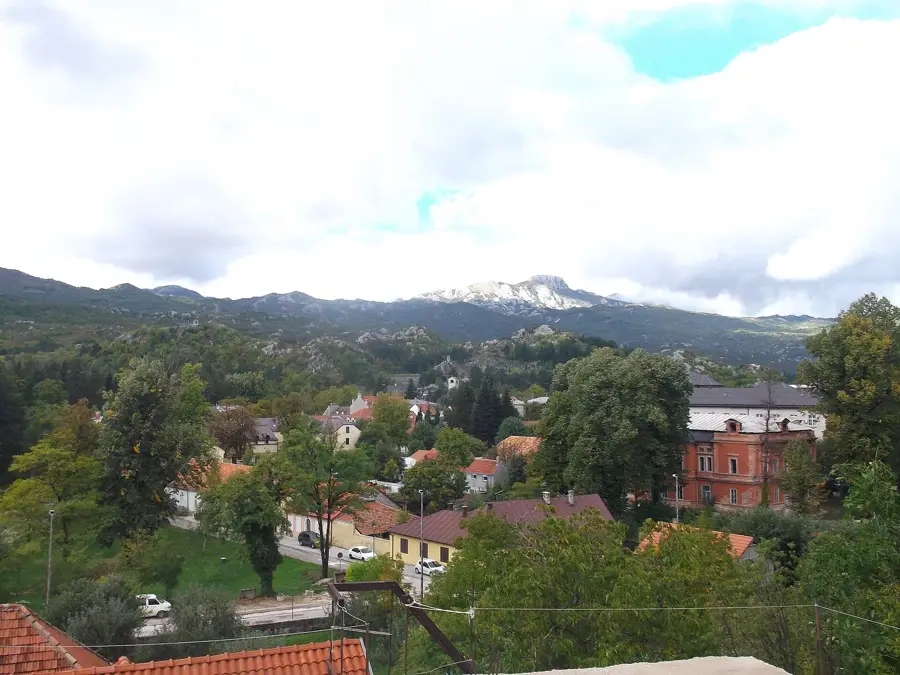
The Vojnik mountain range is an imposing limestone massif in north-central Montenegro, rising directly north of the city of Nikšić. Its highest peak reaches an elevation of 1998 meters, making Vojnik one of the most prominent mountains of the Dinaric Alps in this region. The geology of the range is characterized by extreme karst, with numerous deep shafts, caves, and rugged rock formations that often make access difficult. Dense beech forests are found in the lower elevations, while the summit region is marked by bare rocks and alpine meadows hosting a specific flora. Historically, the mountains served as a natural sanctuary and barrier during various wars, separating the Nikšić field from the Durmitor highlands. Today, Vojnik is a popular destination for mountaineers and hikers who appreciate untouched nature and challenging climbs. From the summit, clear weather has a magnificent view of the Nikšić lakes and the distant Maglić and Bioč massifs. The climate is harsh, with long-lasting snow cover that often remains in deep sinkholes until early summer.

Best time to visit & climate

The most pleasant time to visit is Jun–Aug.

JanFebMarAprMayJunJulAugSepOctNovDec
Avg °C-2-127111518181394-1
Rain mm1341311219389835249104124162152

📋 Practical info

🧭
Getting there
This mountain range located west of Nikšić is generally approached using local country roads branching from the main highway. Visitors typically start their exploratory hikes near the small rural settlements scattered around the mountain's base.
📅
Best season
Late spring through mid-autumn typically provides the best conditions for exploring the heavily forested terrain and fascinating karst phenomena. Winters here are generally harsh and snowy, significantly obscuring the hidden landscape features.
⛰️
Terrain & paths
The range features an intriguing combination of densely forested lower sections and uneven higher areas marked by complex karst formations. Hikers will generally navigate a landscape full of natural sinkholes, rocky outcrops, and thick woods.
🎒
What to bring
Sturdy hiking boots with excellent ankle support are typically vital when walking over the highly irregular and unpredictable karst terrain. A comprehensive navigational toolset is highly recommended to avoid losing orientation in the deep forests.
🅿️
Parking
Finding parking typically means looking for safe, informal pull-offs along the unpaved approach roads west of the city. Visitors should generally ensure their parked vehicles do not disrupt local logging activities or rural traffic flow.
⚠️
Safety
The numerous hidden holes and sudden drops typical of karst environments represent the most significant and constant hazard here. Visitors should typically stay entirely on clearly identifiable paths to avoid accidental falls into concealed cavities.
⏱️
Time needed
Depending on the intended depth of exploration, hiking through this forested range usually takes anywhere from three to six hours. Traversing the difficult karst sections naturally slows down typical walking speeds considerably.

Geography

Coordinates
42.85940, 19.04310

Facts

  • The highest peak is at 1998 meters.
  • Composed of massive Triassic limestone.
  • Separates Nikšić from the Durmitor area.
  • Rich in vertical caves and shafts.
  • Important hiking area without mass tourism.
  • Home to rare alpine plant species.

Explore nearby

Notable places around
Route planner — Car & Motorhome

Where do you start? We build the route here, with stops and country notes along the way.

Vehicle
Only stops with (optional):

© OpenStreetMap contributors · OpenRouteService

Sights in the town Vojnik Range (1)

Studena

Studena is a mountain in the Vojnik range, Montenegro. The peak provides views of the surrounding karst landscape.

Sights nearby

Frequently asked questions

Where is the Vojnik range located?
North of Nikšić, between the Krnovo highlands and the Piva area.
What does the name Vojnik mean?
The name translates to 'soldier', referring to the mountain's proud and rugged appearance.
How high is the highest peak of Vojnik?
The highest point reaches 1998 meters above sea level.
Is the range forested?
The lower slopes are densely forested, while the summit regions consist of bare, rugged limestone rock.
When should you hike in Vojnik?
June to October is good; in winter, snow lies very deep and lasts for a long time here.
Vojnik Range: where is it located?
Vojnik Range is located in Montenegro.
Vojnik Range: when is the best time to visit?
The most pleasant time to visit is Jun, Aug.
Vojnik Range: why is it worth visiting?

The Vojnik mountain range is an imposing limestone massif in north-central Montenegro, rising directly north of the city of Nikšić.
View on map → The Top 50 Attractions → OpenStreetMap →
Europe
Explore with Plizio Discover more places in Europe
More places in Montenegro →

Nearby cities

History & landmarks
Nature
More places