Plizio Visual Lab
Gradina
Weather…
Water temperature…
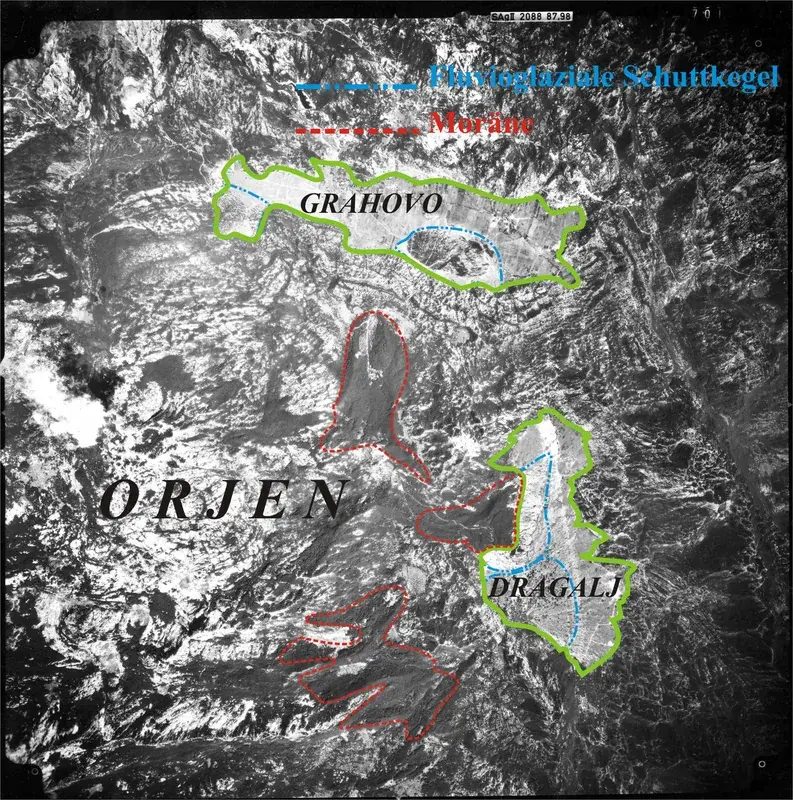
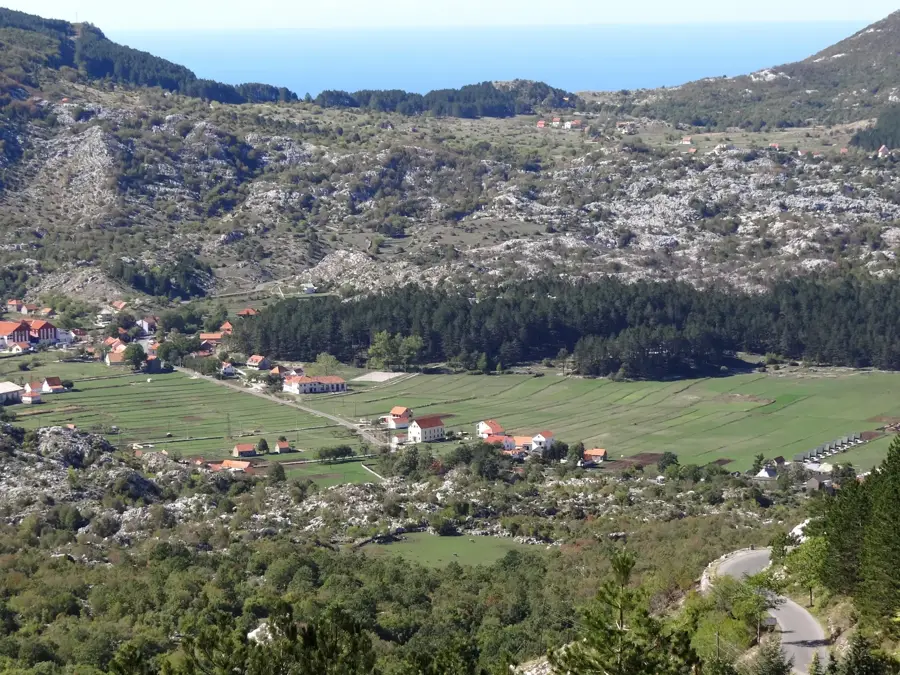
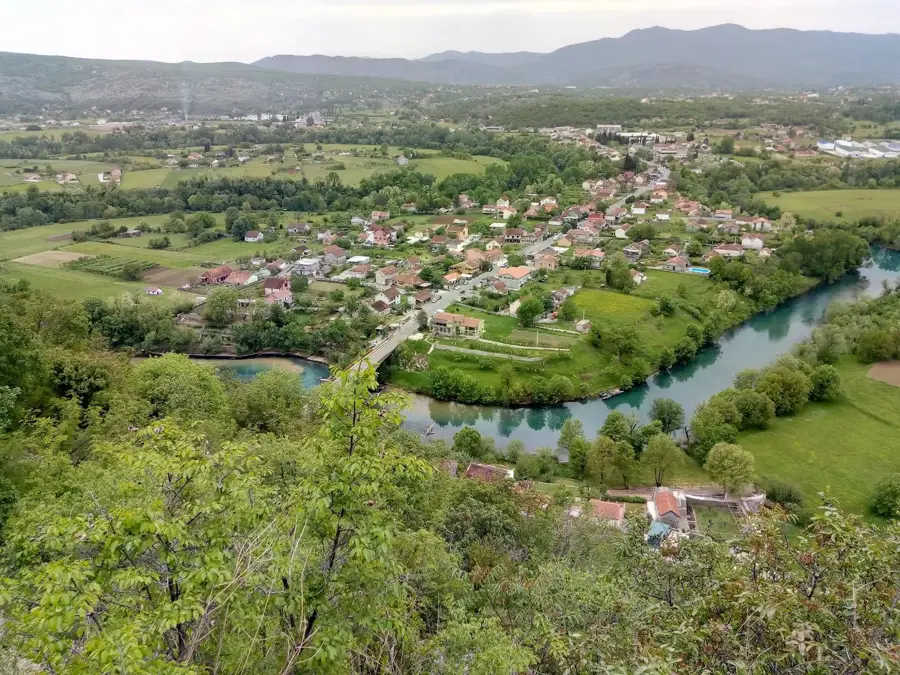
Gradina near Martinići, close to the town of Danilovgrad, is one of Montenegro's most significant early medieval archaeological sites, frequently identified by scholars as the historic city of Lontodokla mentioned by Emperor Constantine Porphyrogenitus. Systematic excavations have unearthed the remains of a monumental 9th or 10th-century basilica, which was once among the largest Christian places of worship in the region, underscoring Doclea's (Duklja) importance as a political power center. Among the most intriguing finds are intricate stone carvings and fragments that document the artistic transition from Late Antiquity to the Early Middle Ages in the Balkan region. It is widely believed that Gradina functioned as a residence for the early rulers of the Vojislavljević dynasty before the capital was moved to Skadar. Its strategic location within the Zeta Valley allowed for effective control over fertile plains and vital trade routes connecting the coast to the interior. Today, the site is a protected cultural monument providing archaeologists with invaluable insights into the formation of the first Slavic state entities on Montenegrin soil.
- Location: Montenegro
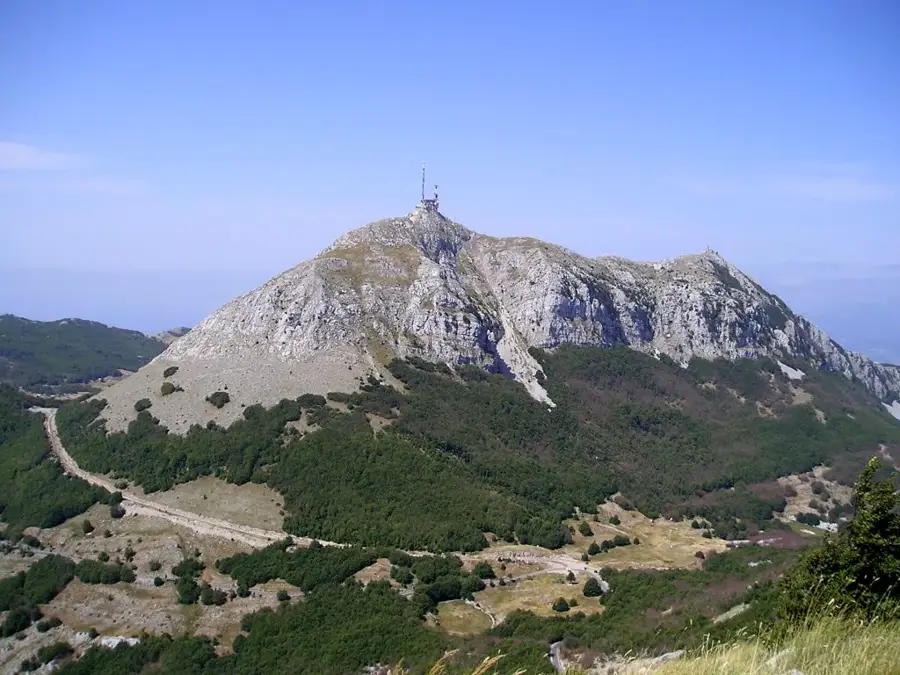
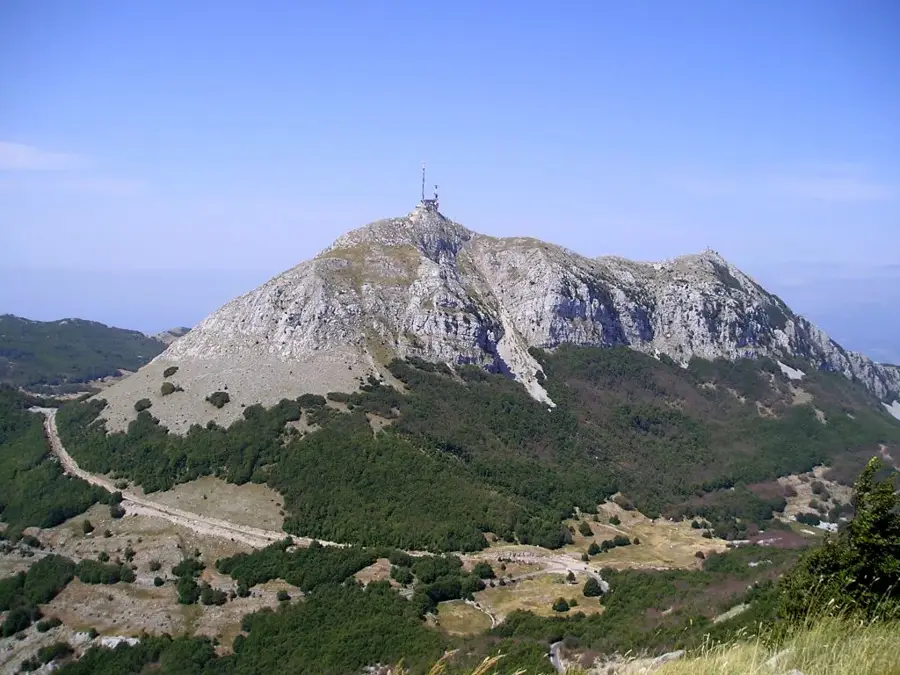
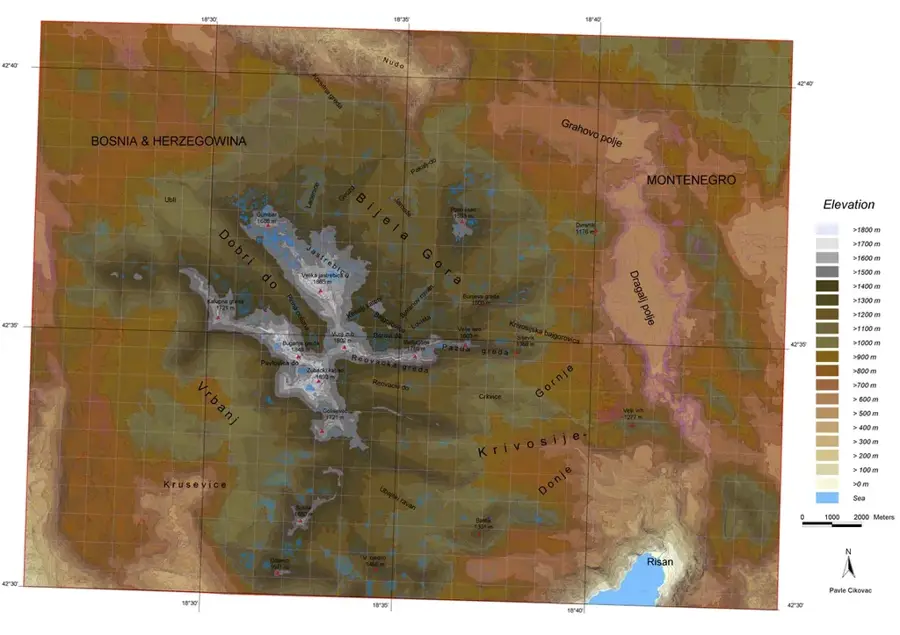
- Nearby: Lovcen National Park (9 km)
Best time to visit & climate
The most pleasant time to visit is Jun–Aug.
| Jan | Feb | Mar | Apr | May | Jun | Jul | Aug | Sep | Oct | Nov | Dec | |
|---|---|---|---|---|---|---|---|---|---|---|---|---|
| Avg °C | 4 | 5 | 8 | 12 | 16 | 20 | 24 | 24 | 19 | 14 | 10 | 6 |
| Rain mm | 156 | 152 | 138 | 103 | 89 | 67 | 42 | 43 | 116 | 138 | 187 | 178 |
📋 Practical info
Geography
Facts
- Identified with the historical city of Lontodokla
- Monumental basilica from the 9th or 10th century
- Former residence of the Vojislavljević dynasty
- Significant finds of stone architectural sculpture
- Located in the fertile Zeta Valley near Danilovgrad
- Systematic archaeological studies began in 1972
Explore nearby
Notable places around


Route planner — Car & Motorhome
Where do you start? We build the route here, with stops and country notes along the way.
© OpenStreetMap contributors · OpenRouteService
Sights in the town Gradina (1)
Sights nearby
Frequently asked questions
What does 'Gradina' mean?
Which Gradina is the most famous in Montenegro?
What can you see in Gradina?
Is Gradina developed for tourism?
When should you visit Gradina?
Gradina: where is it located?
Gradina: when is the best time to visit?
Gradina: why is it worth visiting?

Nearby cities
History & landmarks
More places