Plizio Visual Lab
Wadan Archaeological Sites
Weather…
Water temperature…
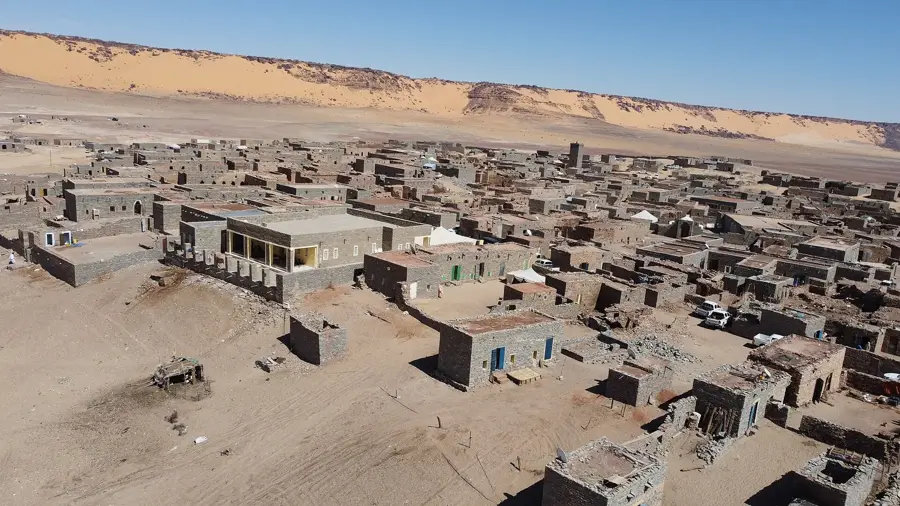
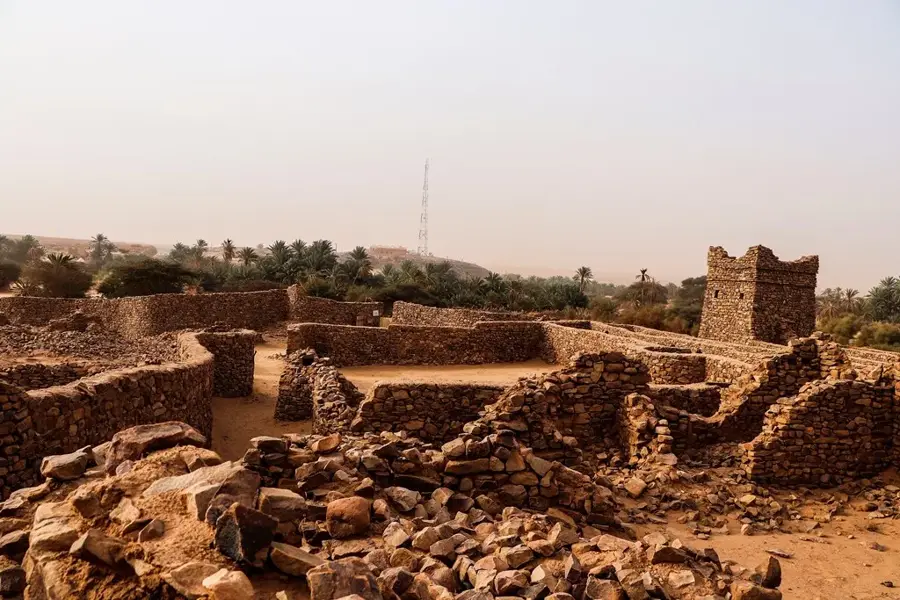
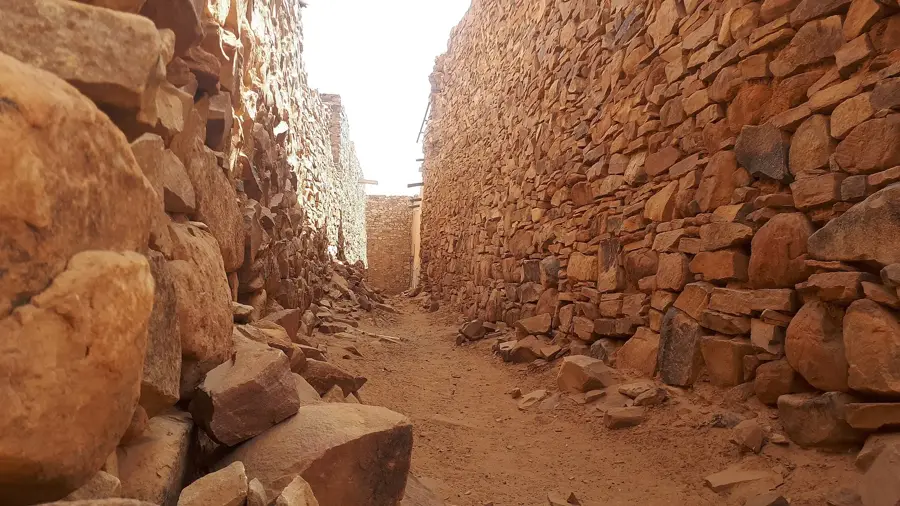
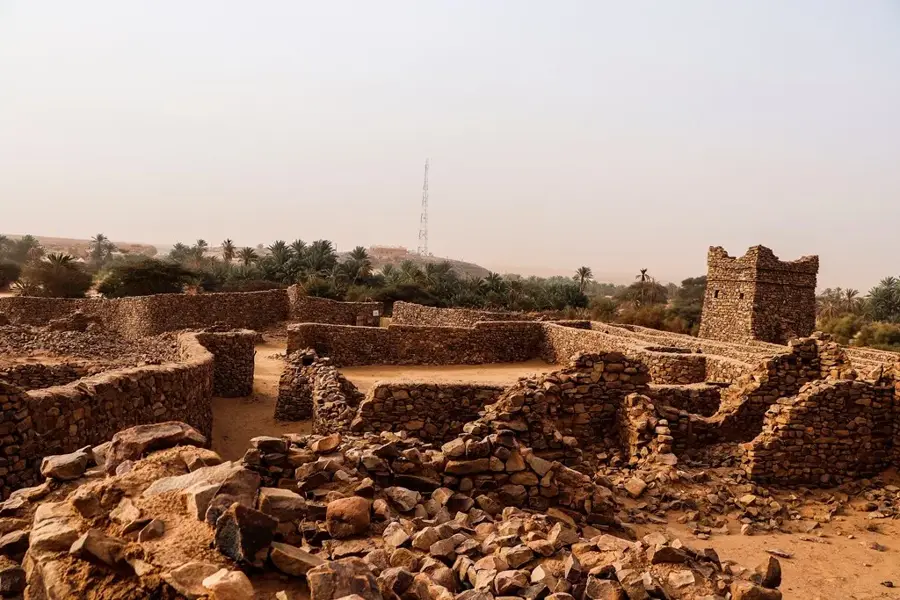
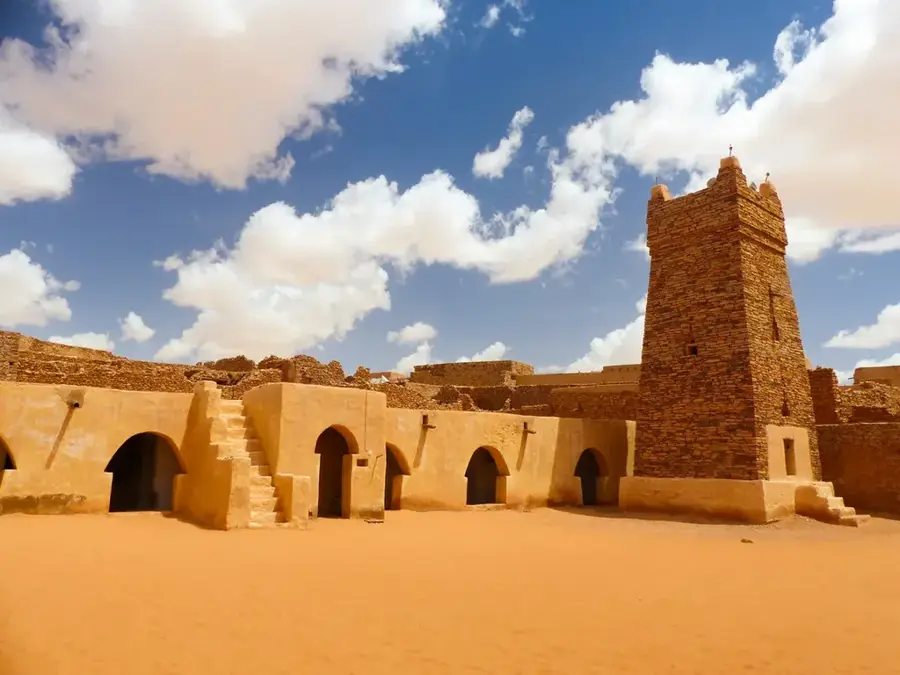
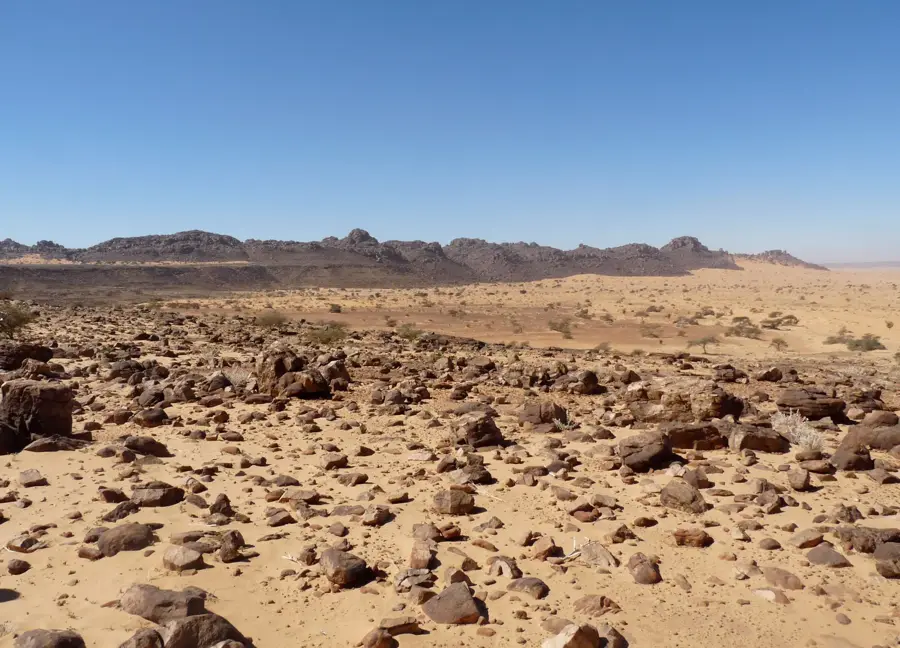
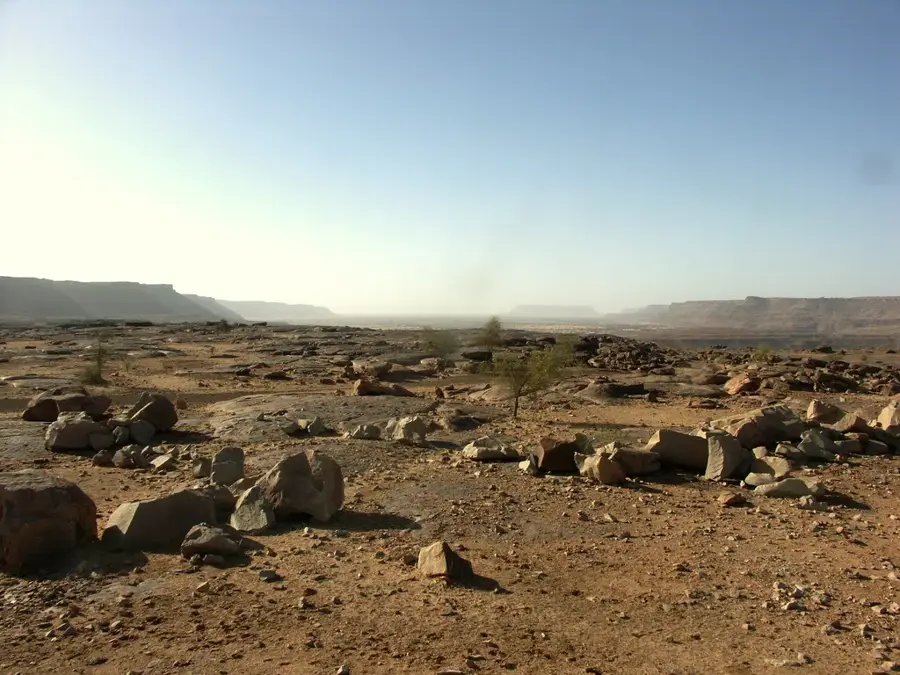
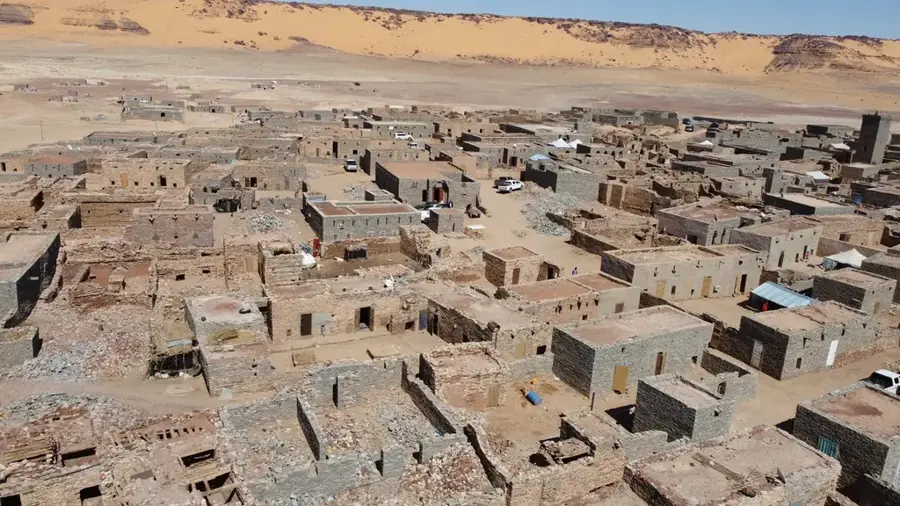
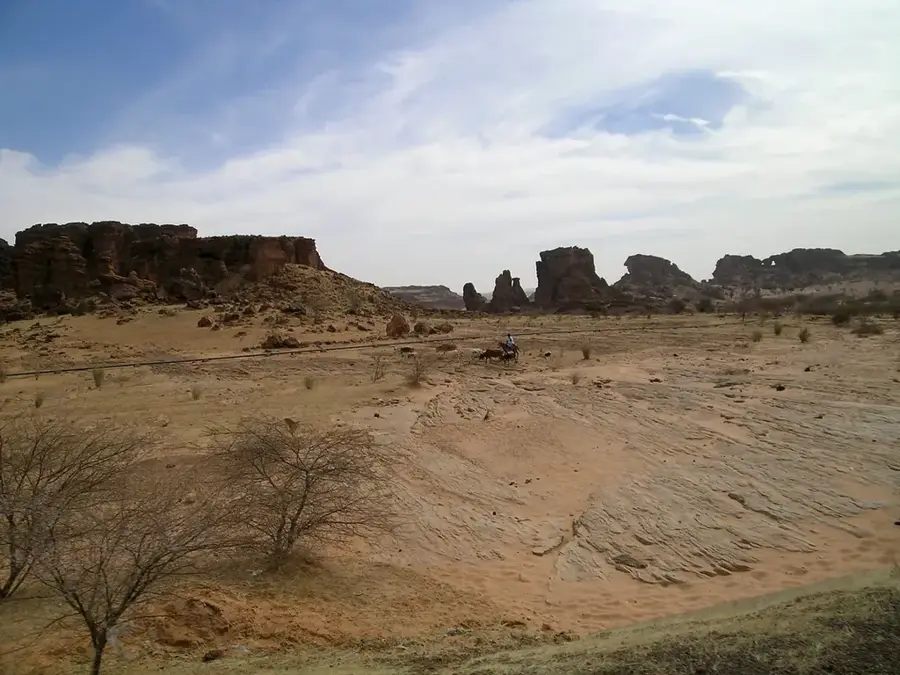
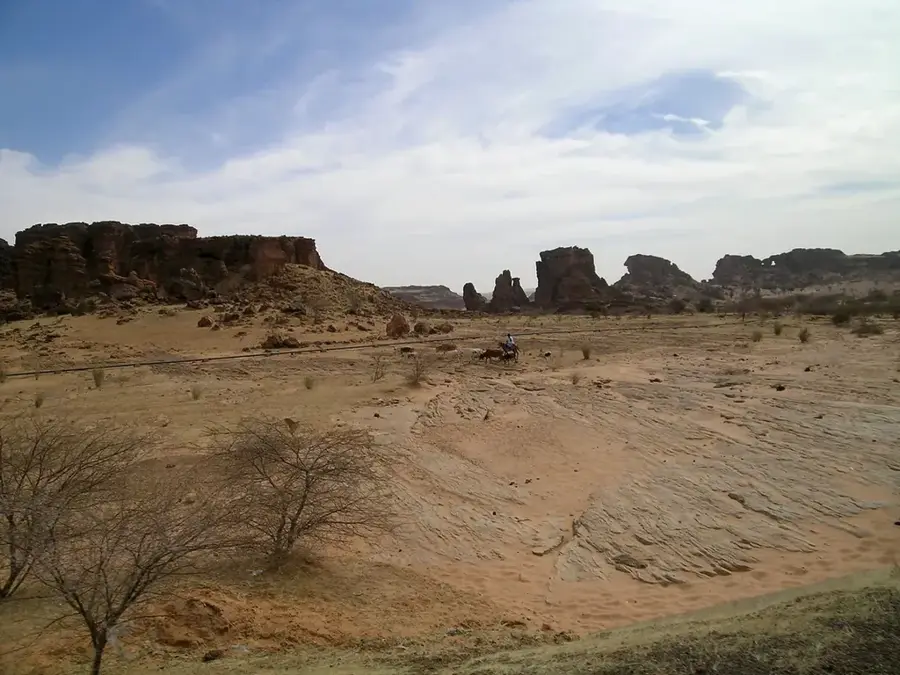
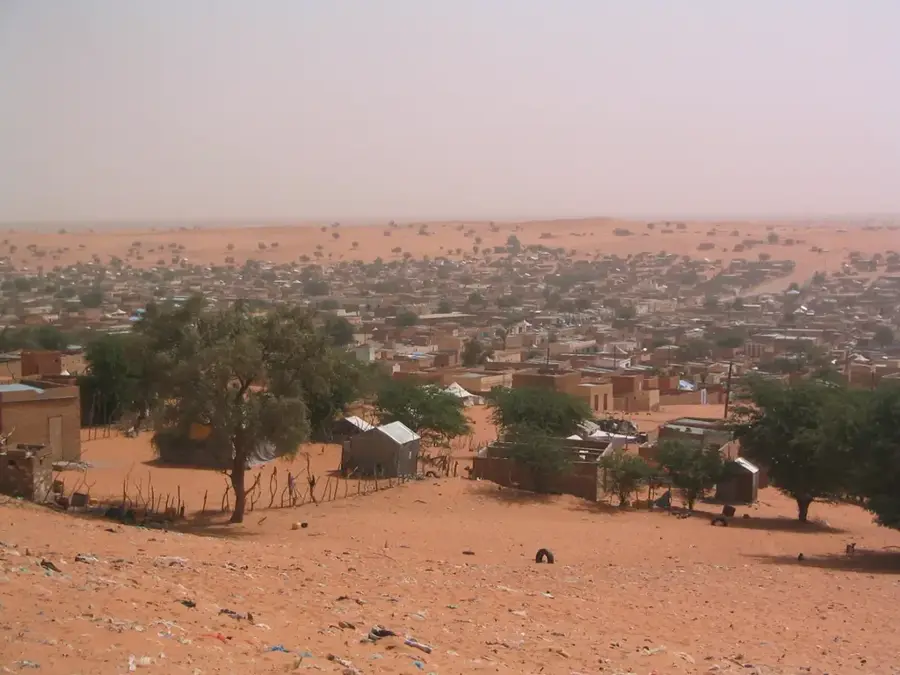
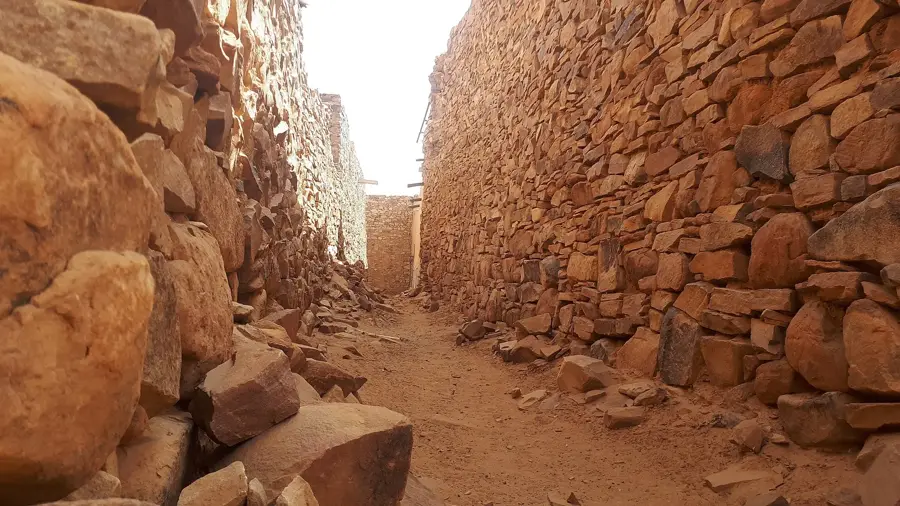
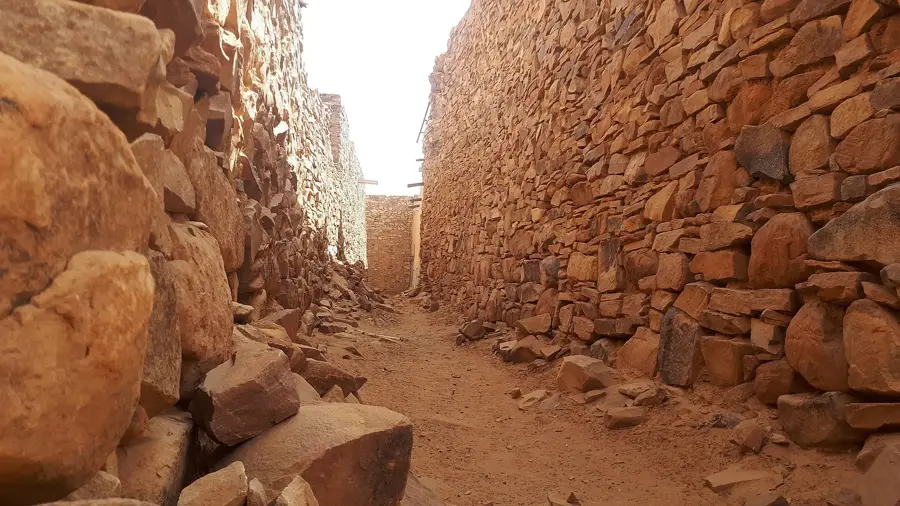
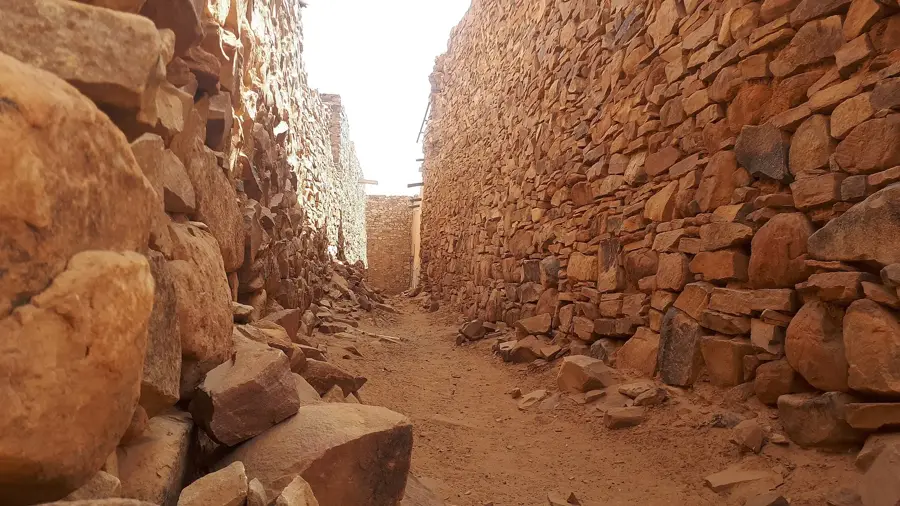
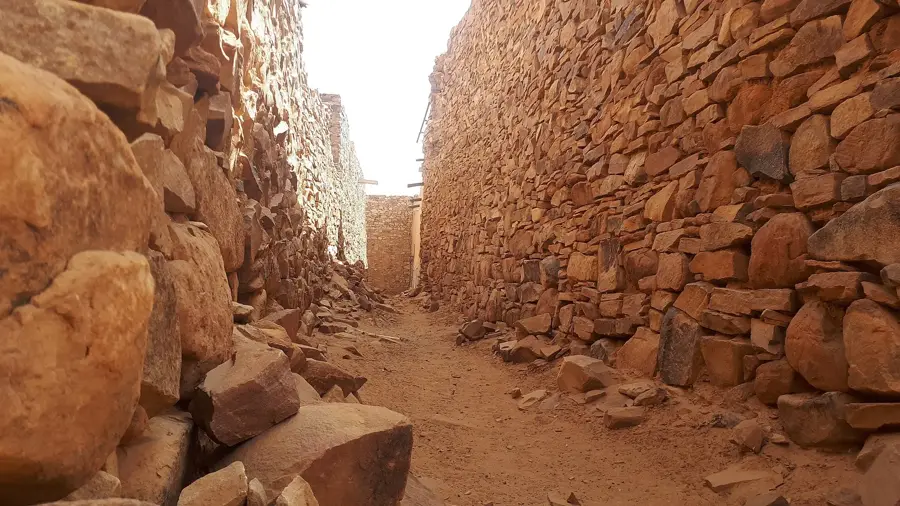
The archaeological sites surrounding the historic town of Wadan offer a profound look into the golden age of Trans-Saharan trade that flourished from the 11th century onwards. These sites comprise the ruins of fortified settlements (ksour), ancient mosques, and scholarly residences built from dry stone, reflecting Wadan’s status as a former intellectual and spiritual capital. As part of a UNESCO World Heritage area, these findings are crucial for understanding the historical connectivity between the Maghreb and Sub-Saharan Africa. Researchers have documented sophisticated irrigation systems and urban layouts that allowed these communities to thrive in one of the world's most extreme desert environments. Many of the structures remain partially submerged by the encroaching dunes of the Sahara, creating a hauntingly beautiful landscape. Exploring these ruins reveals the legacy of a time when salt and gold were traded alongside manuscripts and scientific knowledge.
Best time to visit & climate
The most pleasant time to visit is Feb, Mar, Nov.
| Jan | Feb | Mar | Apr | May | Jun | Jul | Aug | Sep | Oct | Nov | Dec | |
|---|---|---|---|---|---|---|---|---|---|---|---|---|
| Avg °C | 16 | 18 | 22 | 26 | 30 | 32 | 34 | 34 | 32 | 28 | 22 | 17 |
| Rain mm | 1 | 1 | 2 | 0 | 1 | 2 | 3 | 13 | 12 | 38 | 1 | 2 |
📋 Practical info
Geography
Facts
- Evidence of human habitation 50,000 years ago
- Rock paintings from 5000 BCE
- Site covers approximately 10 km²
- Berber fortress dating to 11th century
- Protected status since 1982
- New petroglyphs discovered in 2020
Explore nearby
Notable places around

Route planner — Car & Motorhome
Where do you start? We build the route here, with stops and country notes along the way.
© OpenStreetMap contributors · OpenRouteService
Sights nearby
Frequently asked questions
When is the best time to visit Wadan?
Is there an entrance fee?
Is photography allowed at the ruins?
How much time should I allocate?
Is the site accessible?
Wadan Archaeological Sites: where is it located?
Wadan Archaeological Sites: when is the best time to visit?
Wadan Archaeological Sites: why is it worth visiting?

Nearby cities


History & landmarks
More places