Plizio Visual Lab
Kiffa
ℹ️Practical info — Kiffa
▾
🌤 Weather — 5 days
📍 Nearby
Sights nearby
💡 Tips
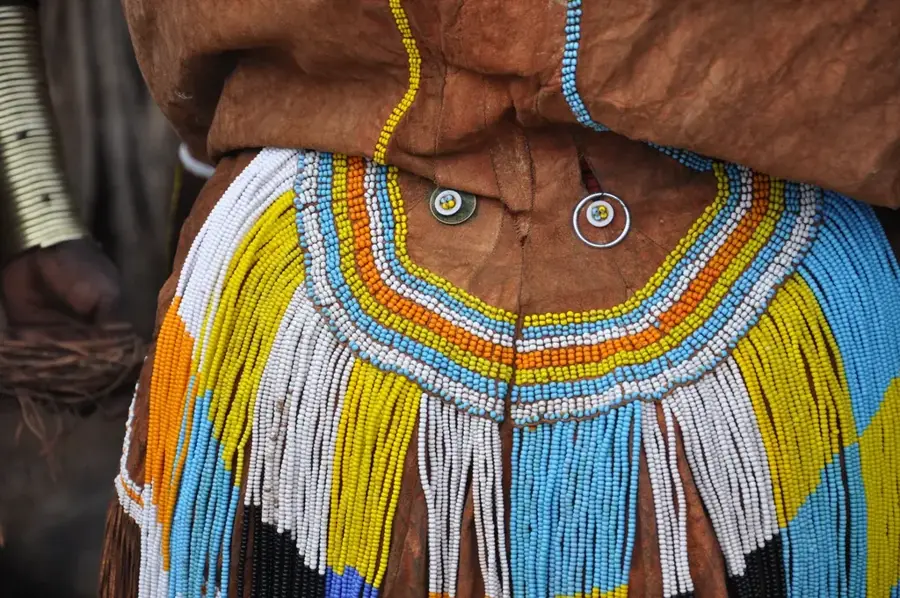
- Look for the famous Kiffa glass beads, traditionally handmade by local women using powder-glass.
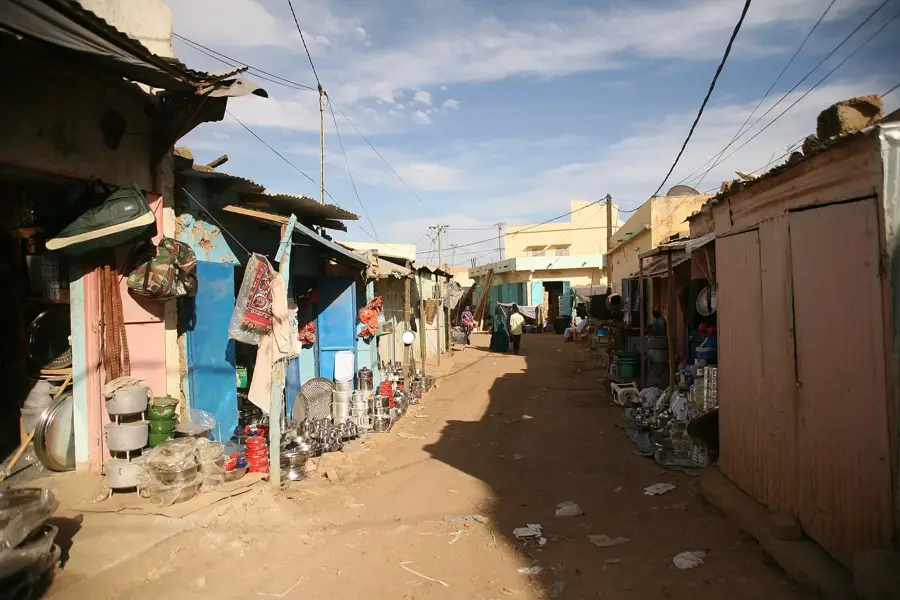
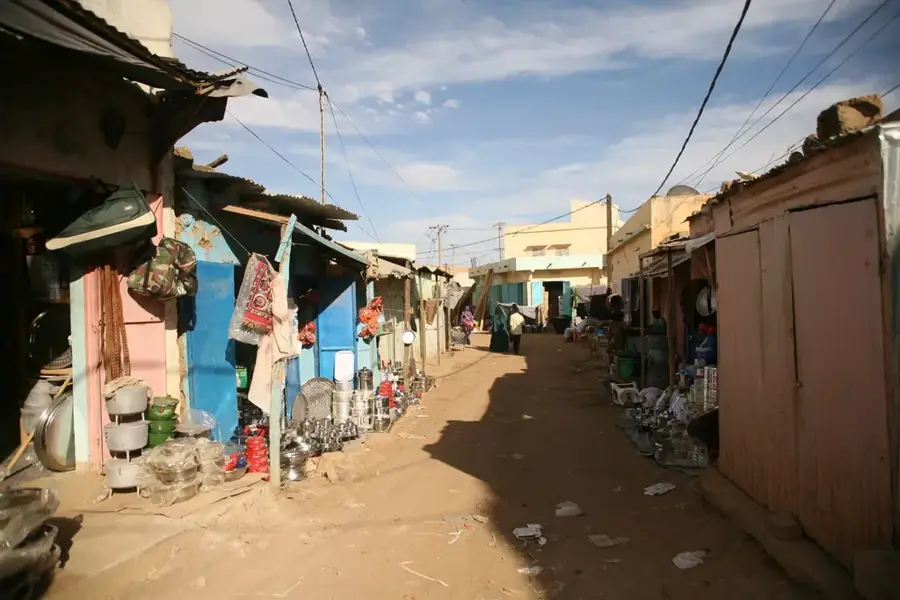
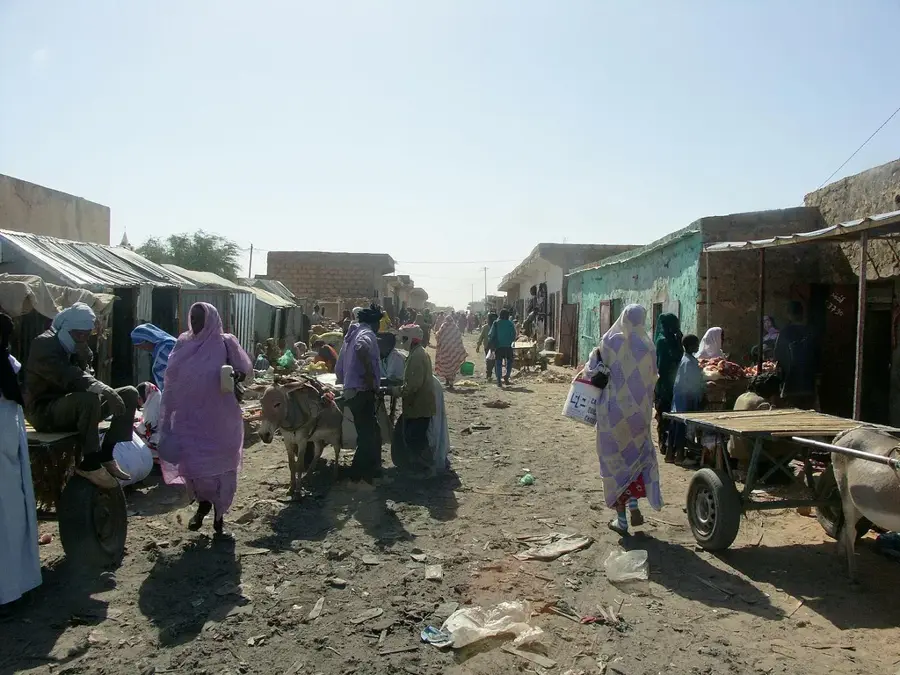
- Polite bargaining is expected at the Central Market (Souk); it is part of the local social fabric.
- Visit the Grand Mosque, a significant architectural and civic landmark in the heart of the town.
- Carry plenty of cash, as international credit cards are rarely accepted in local shops.
- Plan your explorations for early morning or late afternoon to avoid the peak Sahelian heat.
🍽 Food
Traditional mint tea, the heart of local social life; enjoy it slowly in a shaded café.
Roast lamb, often prepared for special guests and found in larger restaurants.
Sweet and fresh varieties sold in the central souk by traders from the Assaba region.
🛍 Shopping · 🧘 Quiet spots
Unique works of art made from powder-glass, used as talismans or fine jewelry.
Handcrafted jewelry with traditional geometric patterns, a highlight of the local market.
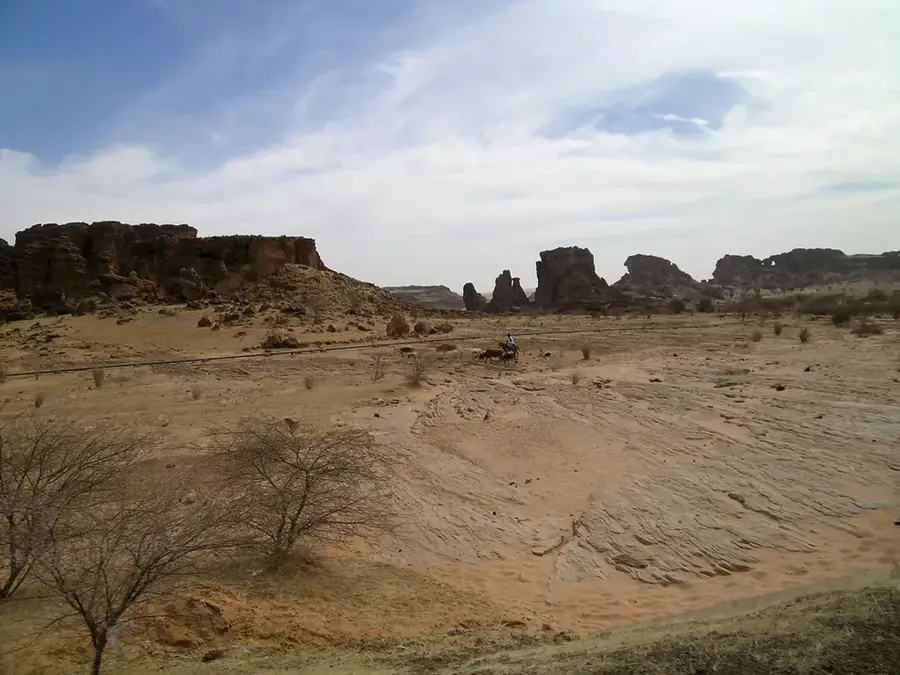
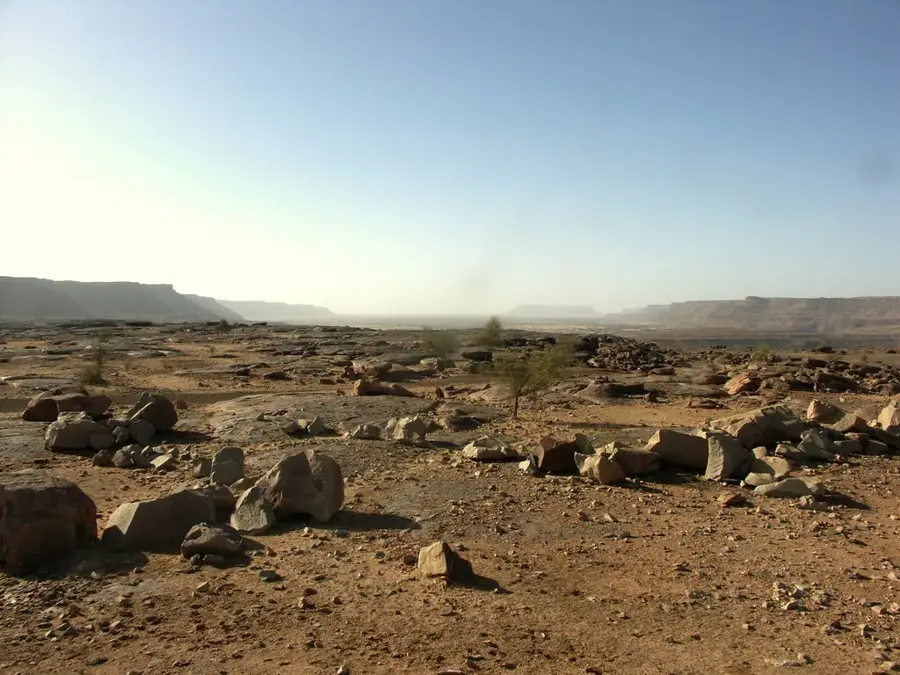
Head to the rocky heights at sunset for an impressive panoramic view over the Sahel landscape.
A rugged area for hiking, famous for its rare relict population of West African crocodiles.
Water temperature…
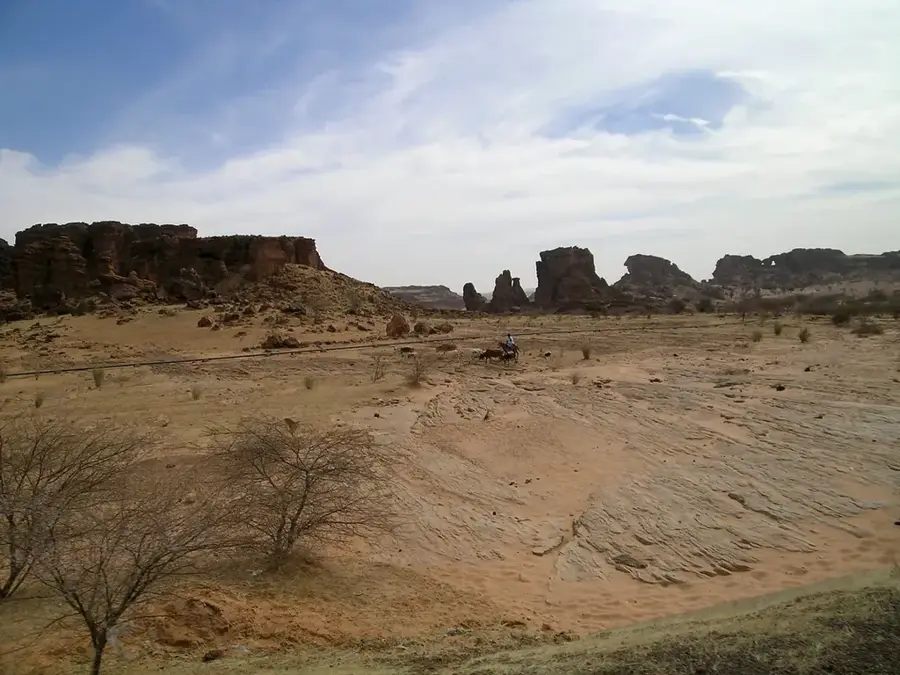
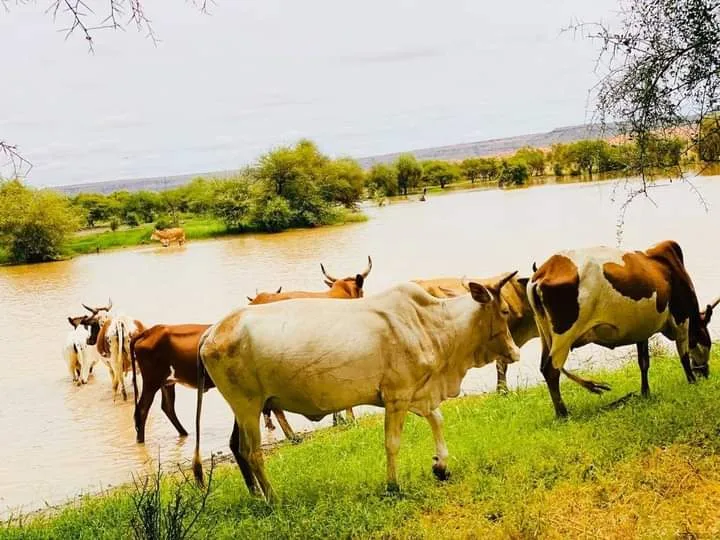
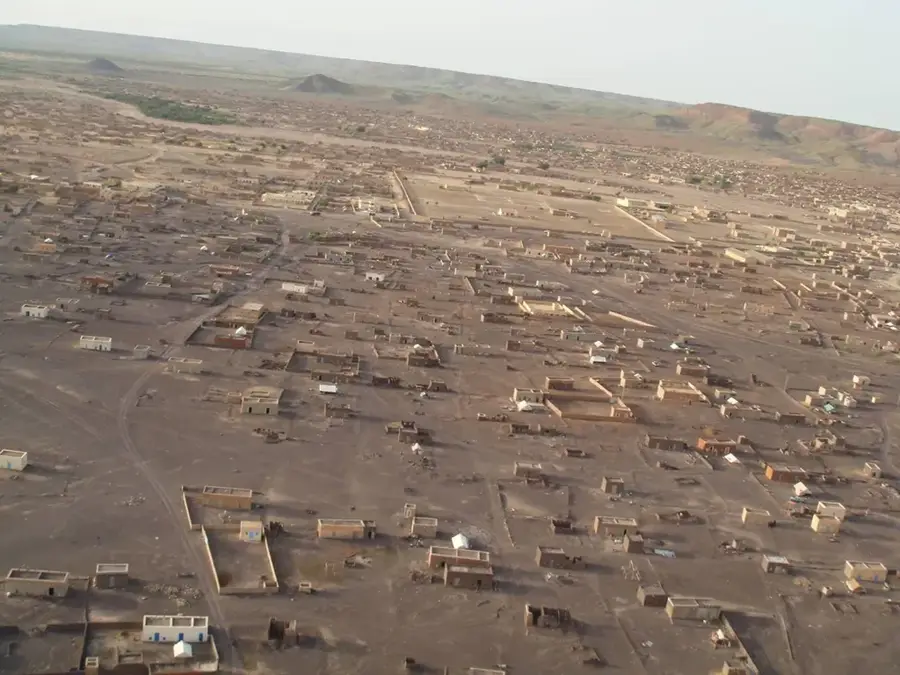
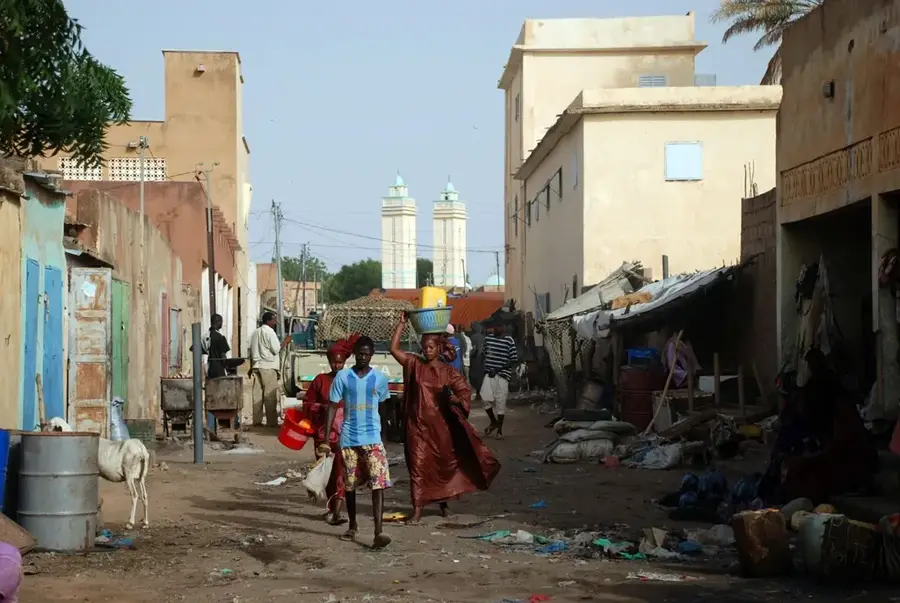
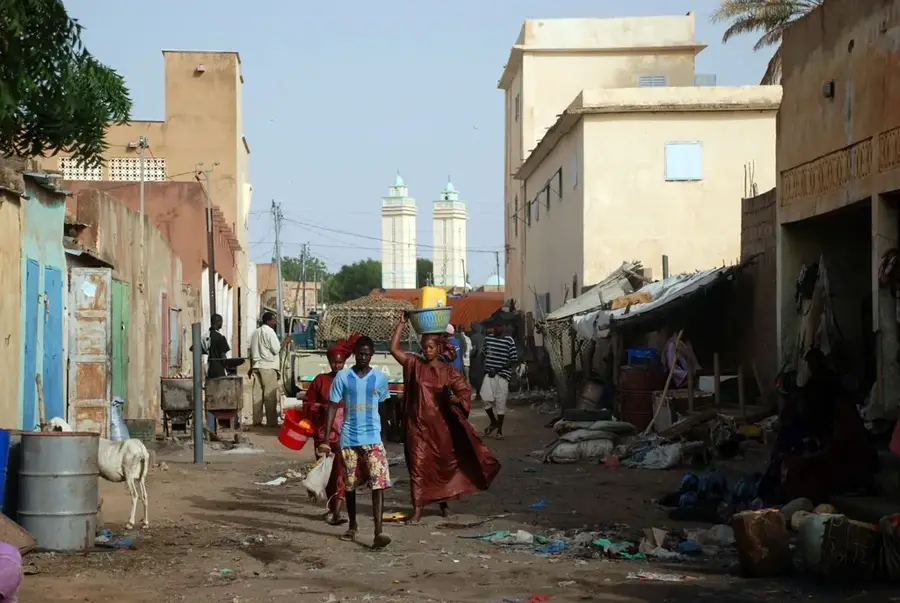
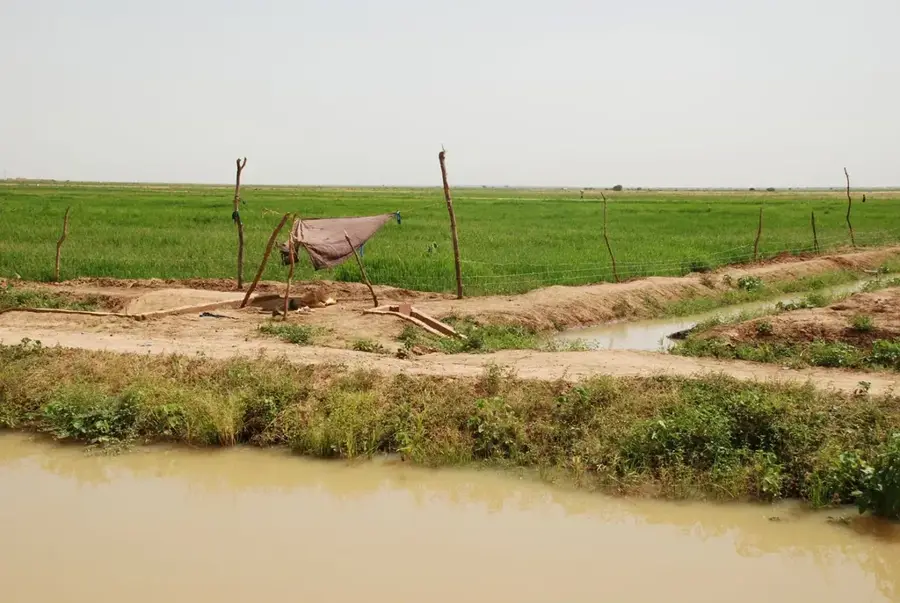
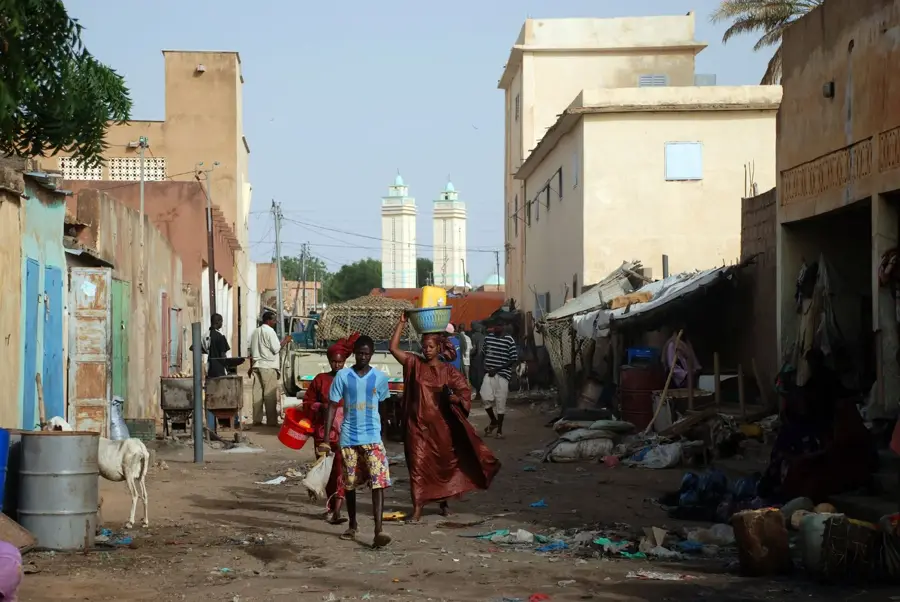
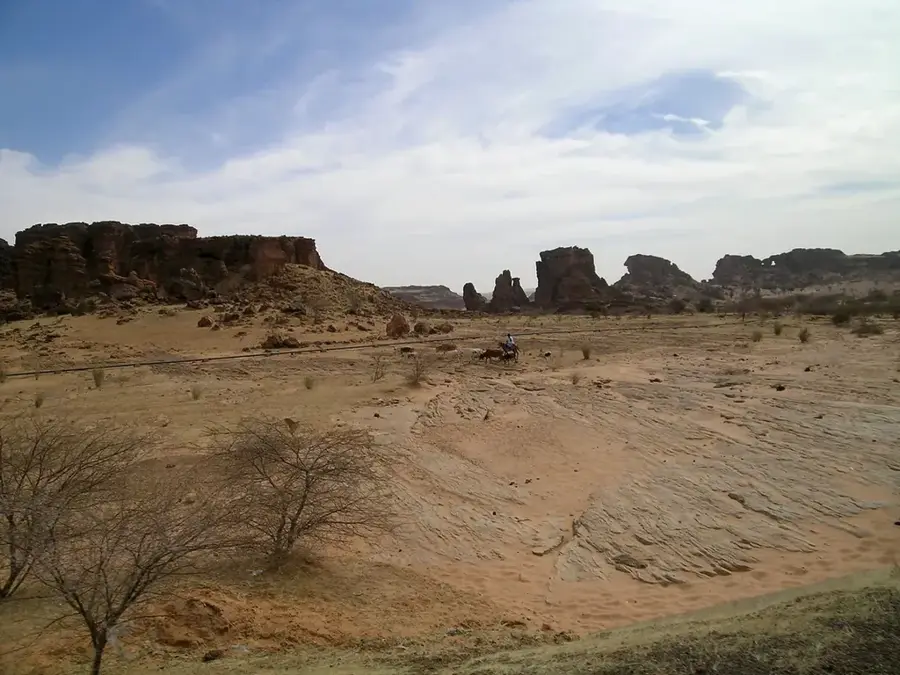
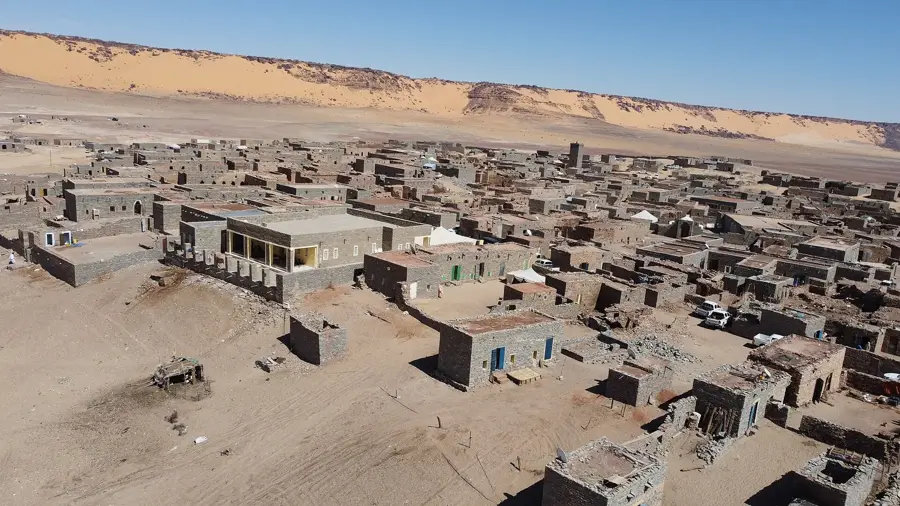
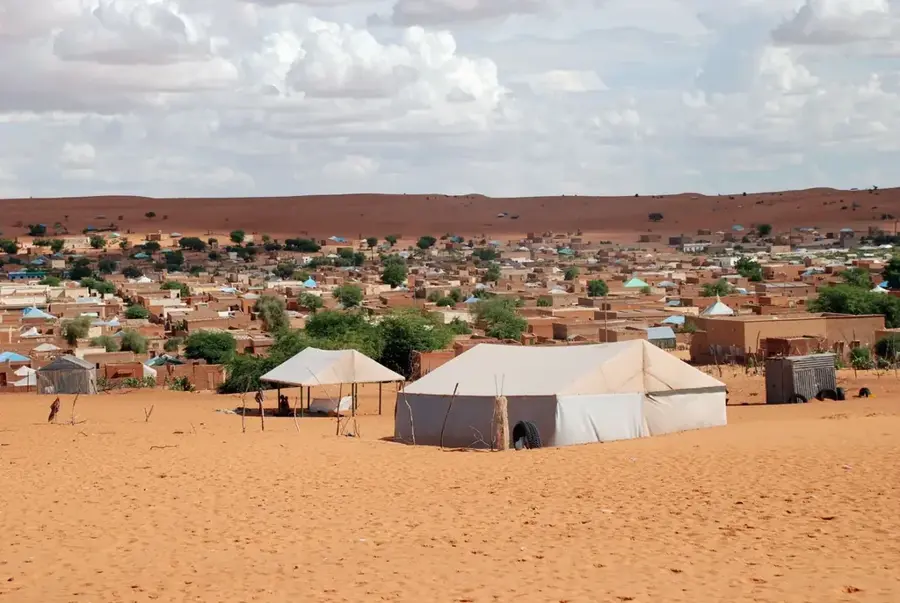
Kiffa is a prominent city in southern Mauritania and the administrative capital of the Assaba region. It is globally renowned for a specific and highly specialized craft: the production of Kiffa beads. These intricate glass beads are handmade by local women using powdered glass and ancient firing techniques, resulting in unique geometric patterns that are highly prized by collectors worldwide. Geographically, Kiffa sits at a crucial junction on the 'Route de l'Espoir' (Road of Hope), the nation's primary east-west highway connecting the capital, Nouakchott, to the remote eastern provinces. This strategic location has made Kiffa a major inland trading hub, particularly for livestock and agricultural goods produced in the surrounding semi-arid regions. The city’s architecture features traditional Sahelian mud-brick structures designed to withstand the intense Saharan heat. As a cultural crossroads, Kiffa is a bustling marketplace where nomadic Saharan traditions meet more sedentary agricultural lifestyles. For travelers, the city gives an authentic desert experience, complete with bustling markets and a landscape that transitions from rolling sand dunes to rugged rocky plateaus. Its historical and economic significance makes it an essential stop for anyone exploring the Mauritanian interior.
- Location: Mauritania
- Nearby: Barkéol (36 km)
- Population: ~62.051 (2026)
Best time to visit & climate
The most pleasant time to visit is Jan, Feb, Dec.
| Jan | Feb | Mar | Apr | May | Jun | Jul | Aug | Sep | Oct | Nov | Dec | |
|---|---|---|---|---|---|---|---|---|---|---|---|---|
| Avg °C | 22 | 25 | 29 | 32 | 35 | 35 | 32 | 30 | 30 | 30 | 27 | 23 |
| Rain mm | 1 | 1 | 1 | 0 | 4 | 24 | 90 | 142 | 90 | 17 | 1 | 0 |
Geography
Facts
- population: approx. 60,000
- region: Assaba
- elevation: approx. 150 m
- airport: Kiffa Airport
- main products: millet, sorghum, livestock
- distance to Nouakchott: approx. 500 km
Explore nearby
Notable places around


Route planner — Car & Motorhome
Where do you start? We build the route here, with stops and country notes along the way.
© OpenStreetMap contributors · OpenRouteService
Frequently asked questions
What is Kiffa?
Are accommodations available there?
What is the best travel time?
Are there local markets?
Is the city suitable for solo travelers?
Kiffa: where is it located?
Kiffa: when is the best time to visit?
Kiffa: why is it worth visiting?

Nearby cities