Plizio Visual Lab
Zouérat
ℹ️Practical info — Zouérat
▾
🌤 Weather — 5 days
📍 Nearby
Sights nearby
💡 Tips
- Prep for the iron ore train: Bring ski goggles and a scarf to protect yourself from the pervasive black dust.
- Board at Fderik instead: This nearby stop is often easier and less chaotic than the main mining yards in Zouérat.
- Dress in layers: The desert is scorching during the day, but it gets freezing on top of the train at night.
- Check departure times: The train has no fixed schedule; visit the SNIM office to get an estimate for the day.
- Pack enough supplies: Bring plenty of water and snacks for the 20+ hour journey toward the coast.
🍽 Food
Try this unique local fusion at small eateries in the town center, a popular and filling choice for travelers.
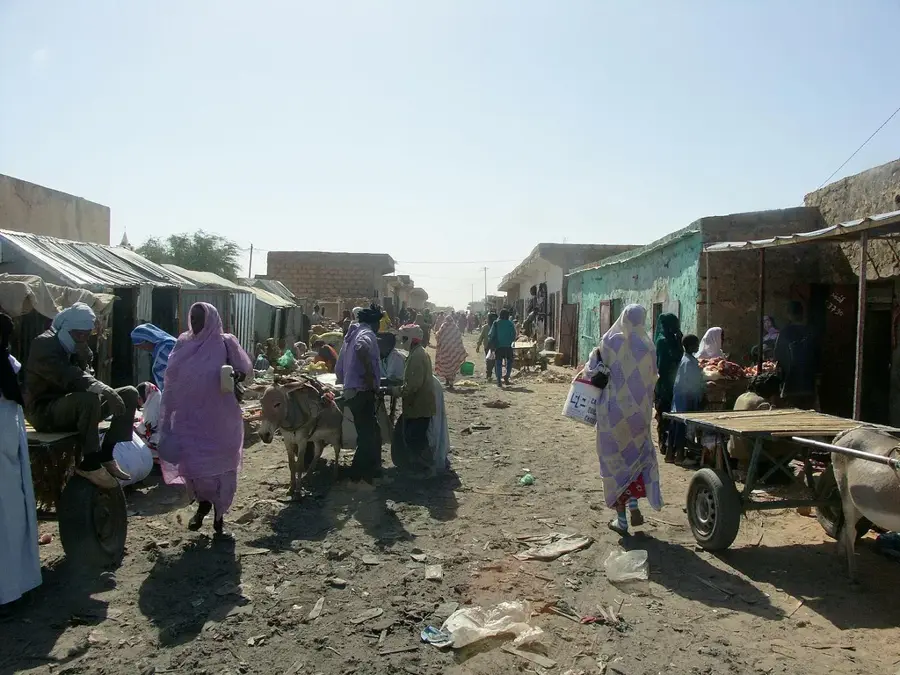
Look for grill spots near the market serving slow-roasted goat or camel meat with fresh bread.
The social glue of the city; enjoy the traditional three-glass ritual in any local establishment.
🛍 Shopping · 🧘 Quiet spots
The place to buy a Dara’a (traditional robe) or a Shemagh (scarf) to protect you from the desert wind.
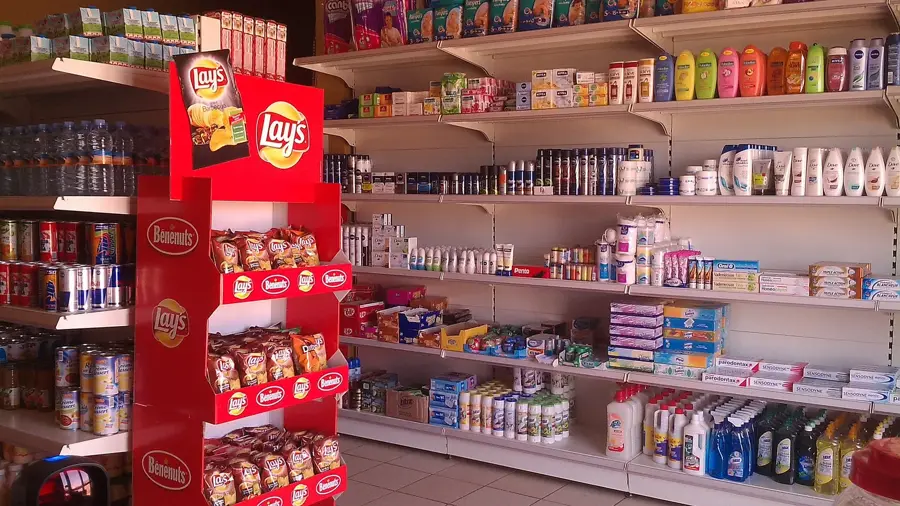
Look for practical items like blankets and flashlights, which are essential for the iron ore train journey.
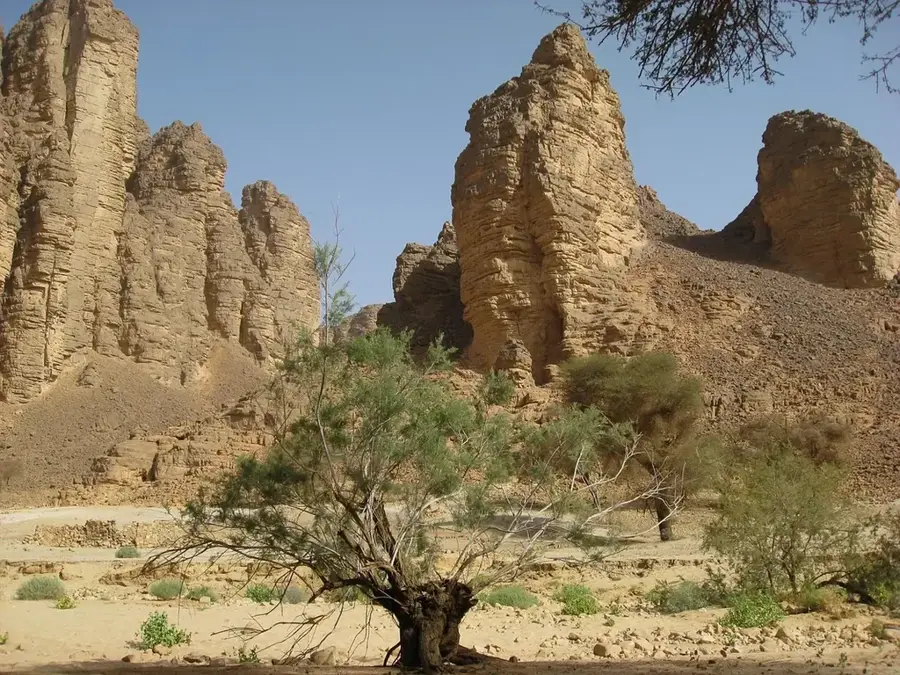
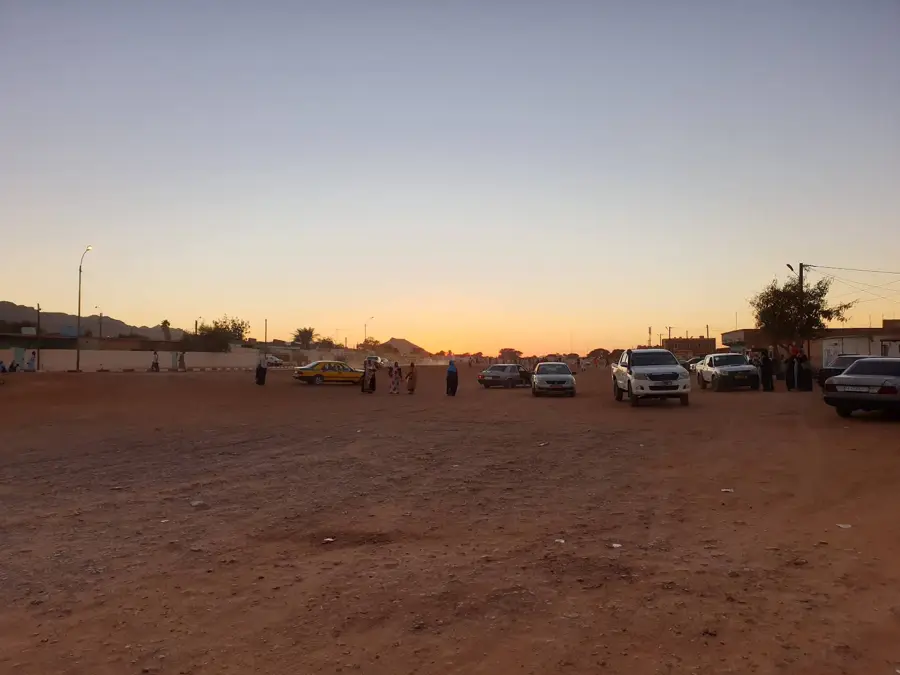
Head to the edge of town at sunset for views of the highest mountain in Mauritania reflecting the golden light.
Move just a few kilometers away from the town's lights to experience the profound silence and a crystal-clear Saharan sky.
Water temperature…
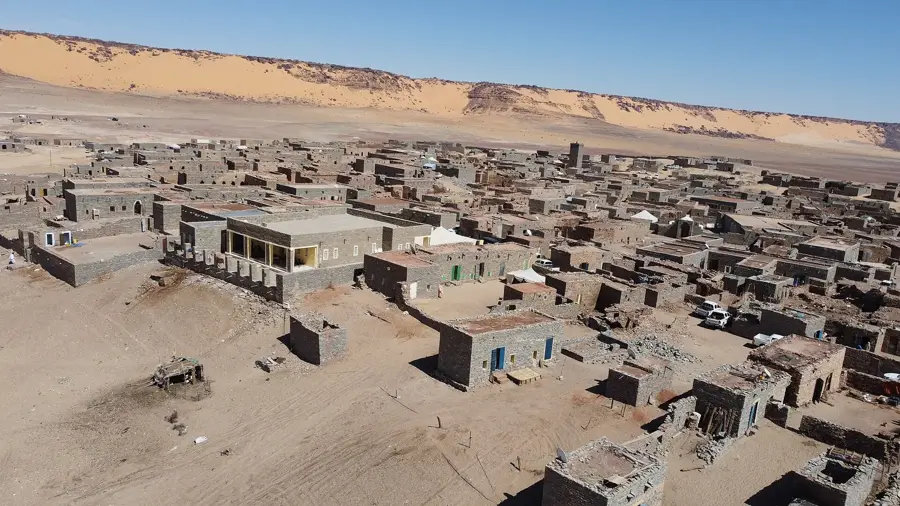
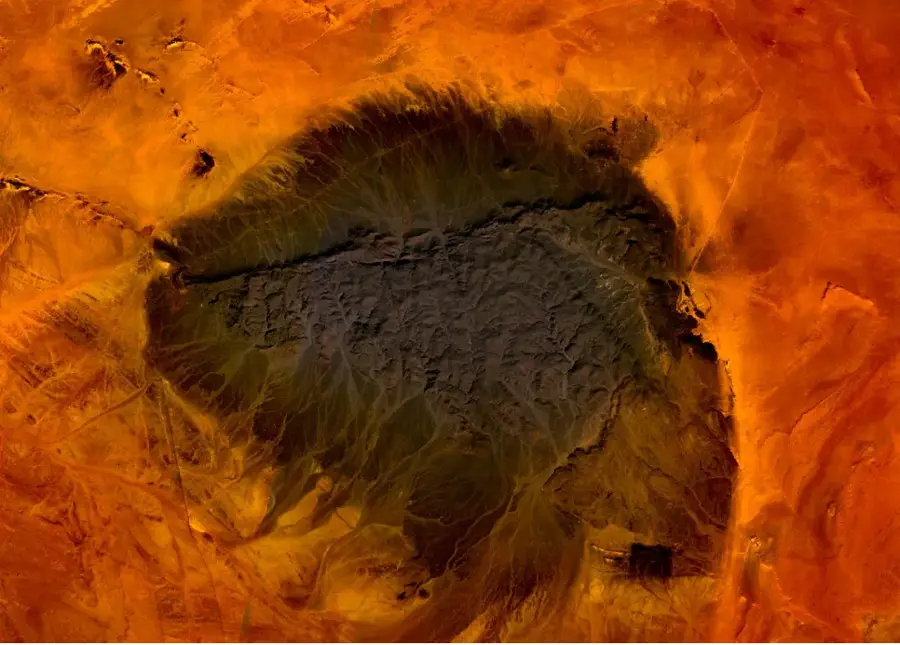
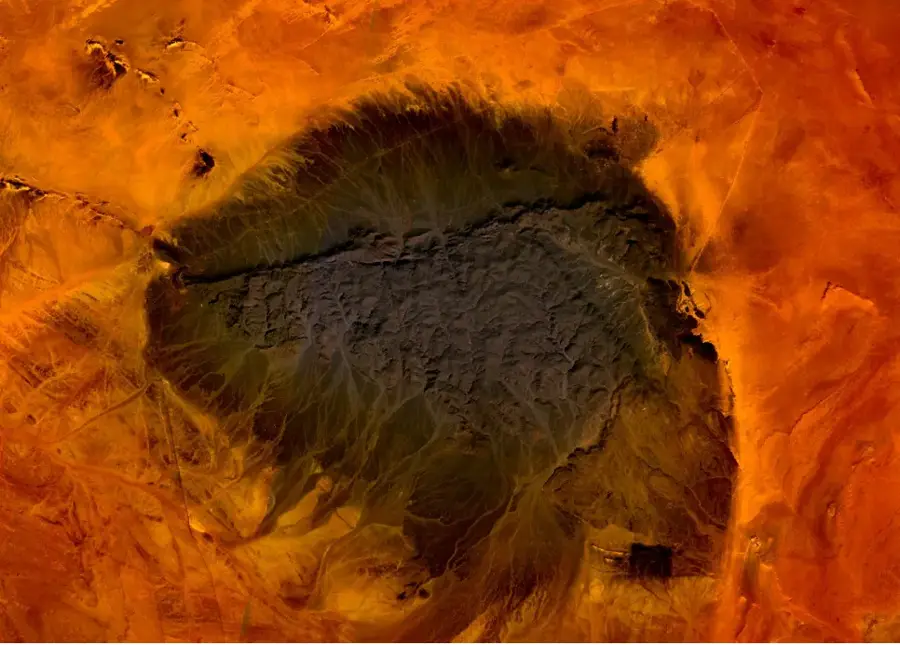
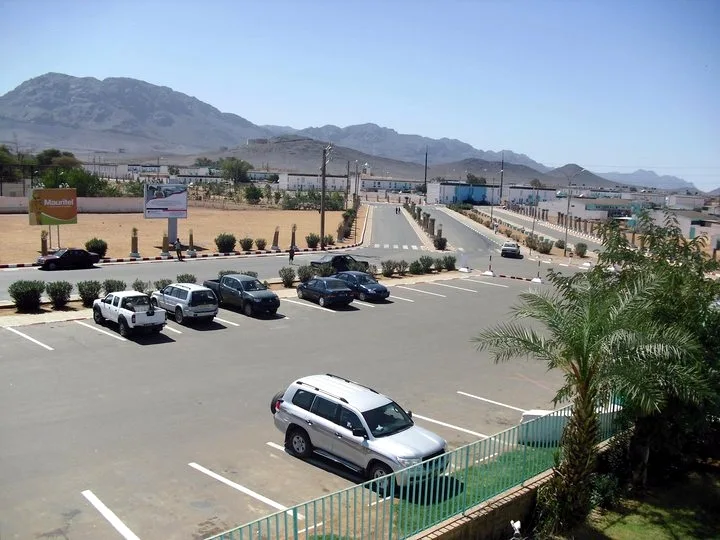
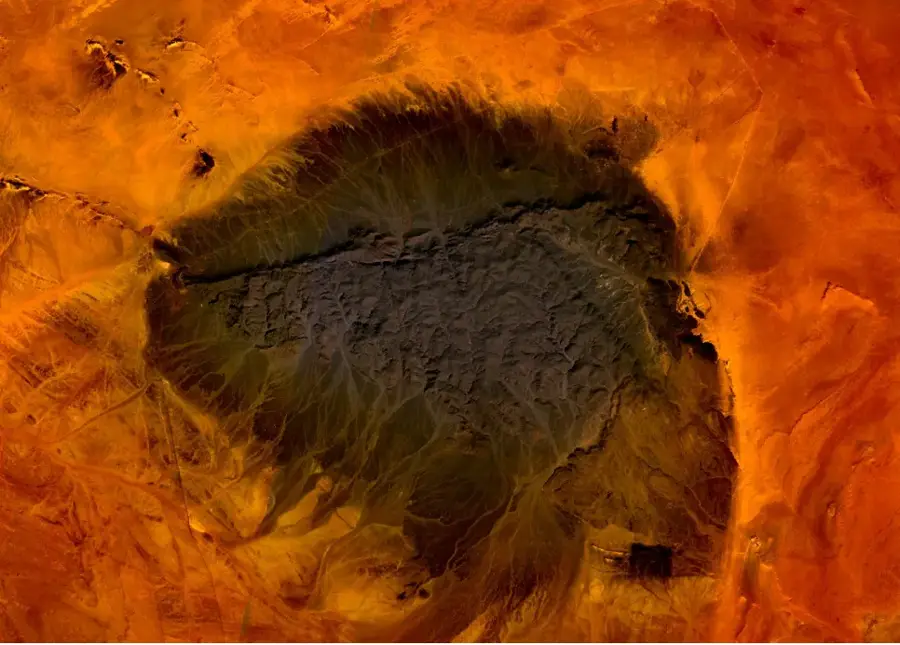
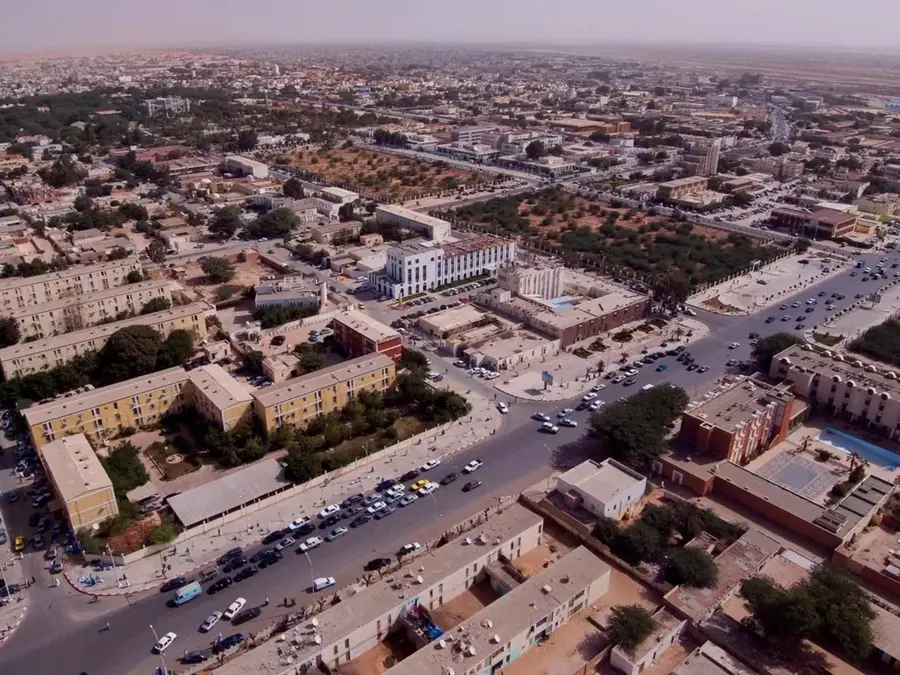
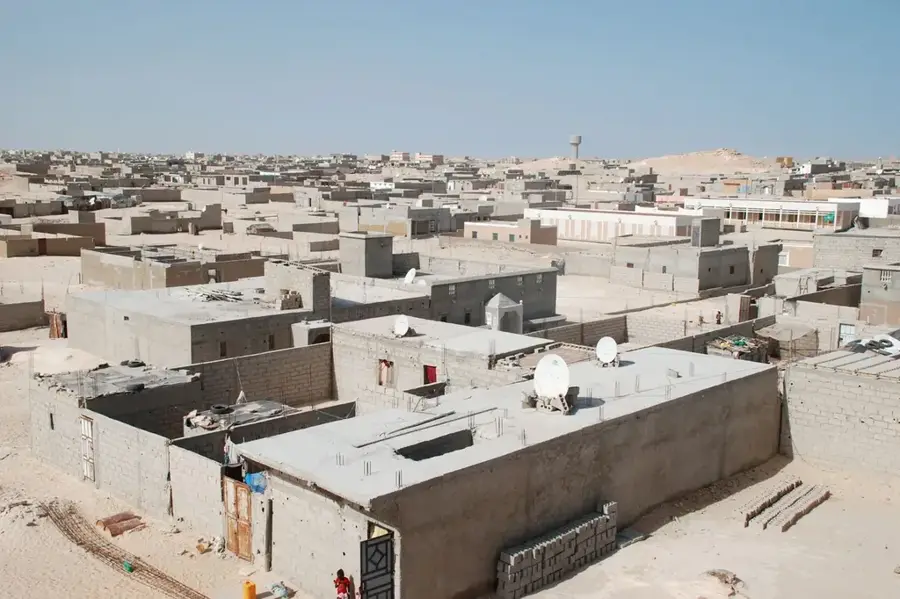
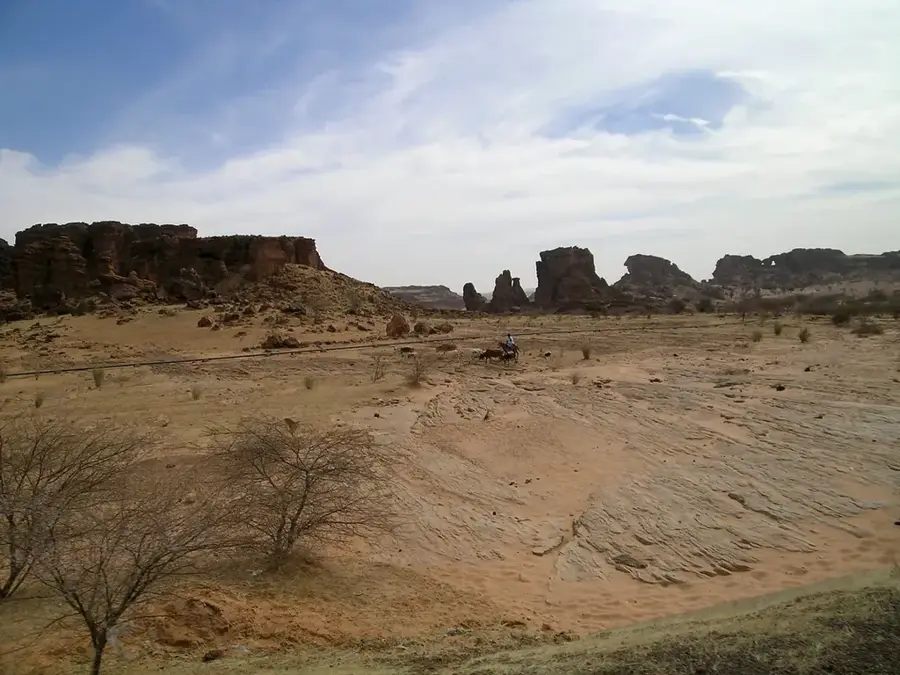
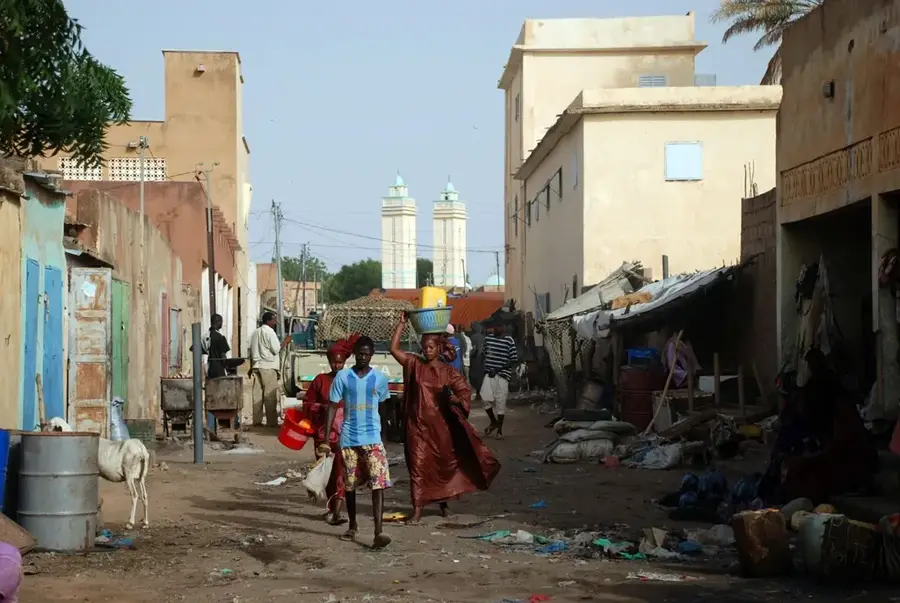
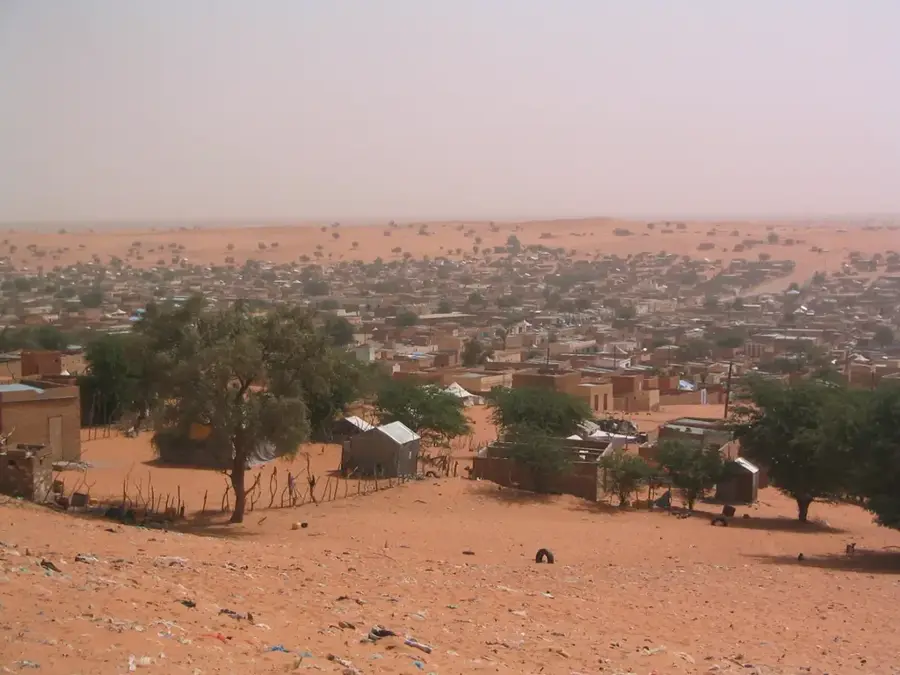
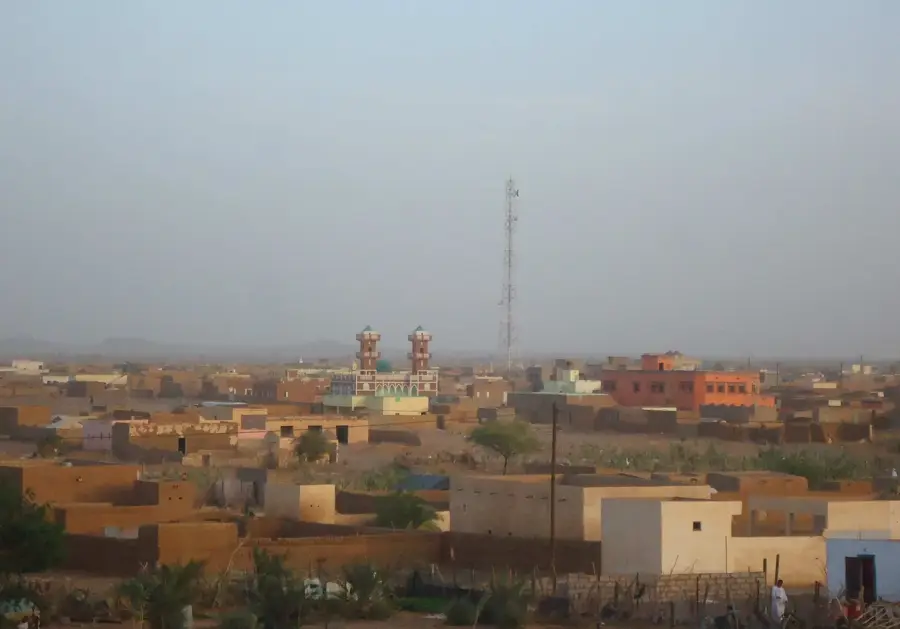
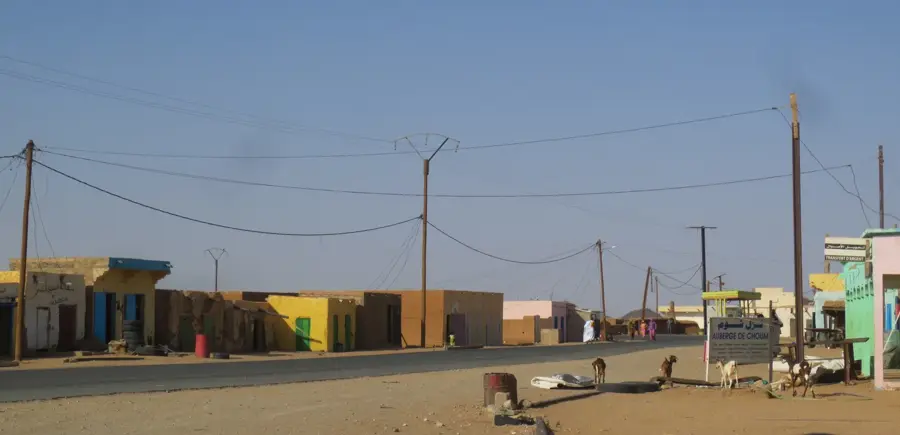
Zouérat is the industrial heart of Mauritania, a mining city located deep in the north at the edge of the Kediet ej Jill, the country's highest mountain. The city was established in the mid-20th century following the discovery of massive iron ore deposits, which today serve as the backbone of the national economy. The urban landscape is defined by vast open-pit mines and heavy industrial facilities that operate continuously in the harsh Saharan climate. Zouérat is world-famous as the terminus of the "Desert Train," one of the longest and heaviest trains in existence, which transports iron ore over 700 kilometers through the desert to the Atlantic port of Nouadhibou. For intrepid travelers, the city is the starting point for an extreme journey riding atop the iron ore wagons, an experience known for its intensity and sweeping desert scenery. Despite its remote location, the mining industry has fostered a multicultural population and provided the city with essential infrastructure, making it a unique outpost of human activity in the middle of the Sahara.
- Location: Mauritania
- Nearby: Fdérik (27 km)
- Population: ~55.183 (2026)
Best time to visit & climate
The most pleasant time to visit is Feb, Mar, Nov.
| Jan | Feb | Mar | Apr | May | Jun | Jul | Aug | Sep | Oct | Nov | Dec | |
|---|---|---|---|---|---|---|---|---|---|---|---|---|
| Avg °C | 16 | 18 | 22 | 25 | 28 | 31 | 34 | 34 | 32 | 28 | 22 | 17 |
| Rain mm | 3 | 2 | 1 | 0 | 0 | 3 | 1 | 8 | 12 | 15 | 2 | 2 |
Geography
Facts
- population: approx. 40,000
- railway to Nouadhibou: 650 km
- annual iron production: approx. 12 million tons
- mining company: SNIM
- elevation: approx. 350 m
- distance to Nouakchott: 650 km
Explore nearby
Notable places around
Route planner — Car & Motorhome
Where do you start? We build the route here, with stops and country notes along the way.
© OpenStreetMap contributors · OpenRouteService
Frequently asked questions
What is Zouérat famous for?
Are there tourist attractions there?
How is access to the city?
Is the surrounding landscape beautiful?
Is the region safe?
Zouérat: where is it located?
Zouérat: when is the best time to visit?
Zouérat: why is it worth visiting?

Nearby cities
History & landmarks
Nature
More places