Plizio Visual Lab
Gorgol
ℹ️Practical info — Gorgol
▾
🌤 Weather — 5 days
📍 Nearby
Sights nearby
💡 Tips
- Visit the Kaédi Regional Hospital, world-famous for its award-winning beehive-style earthen architecture.
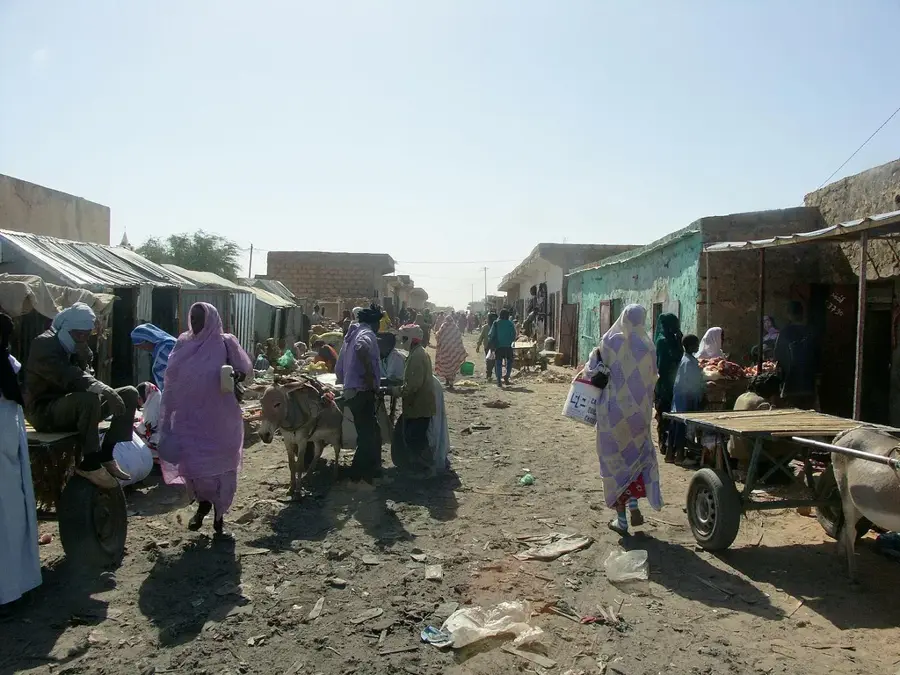
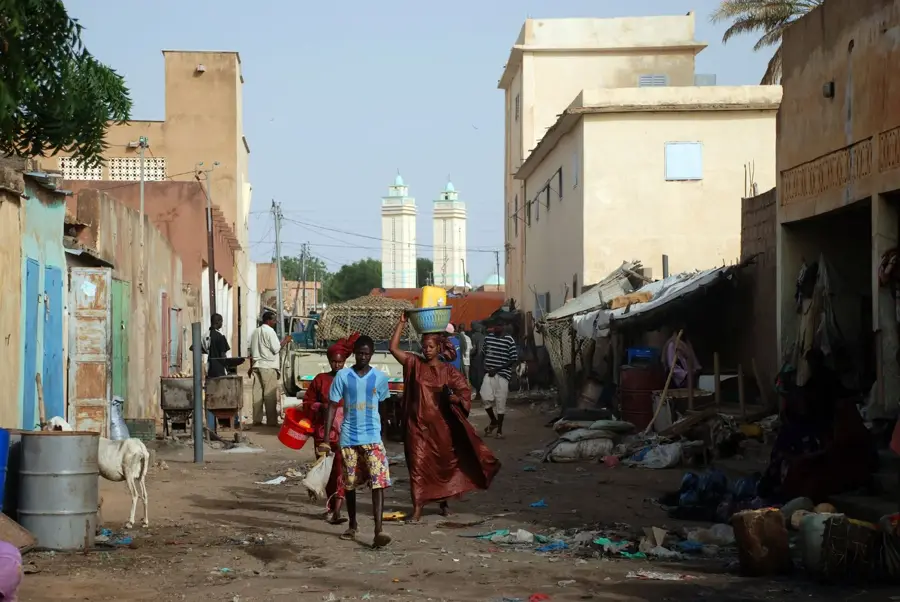
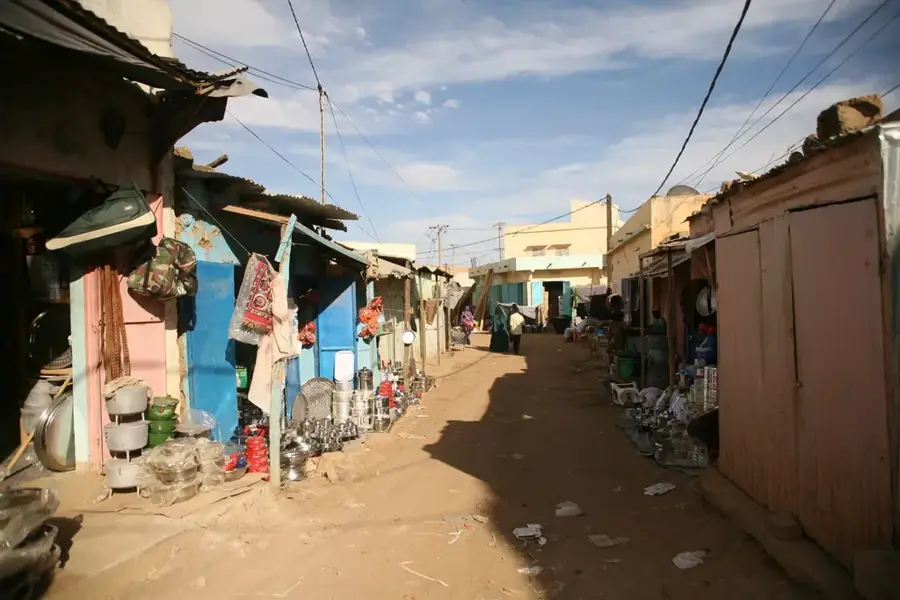
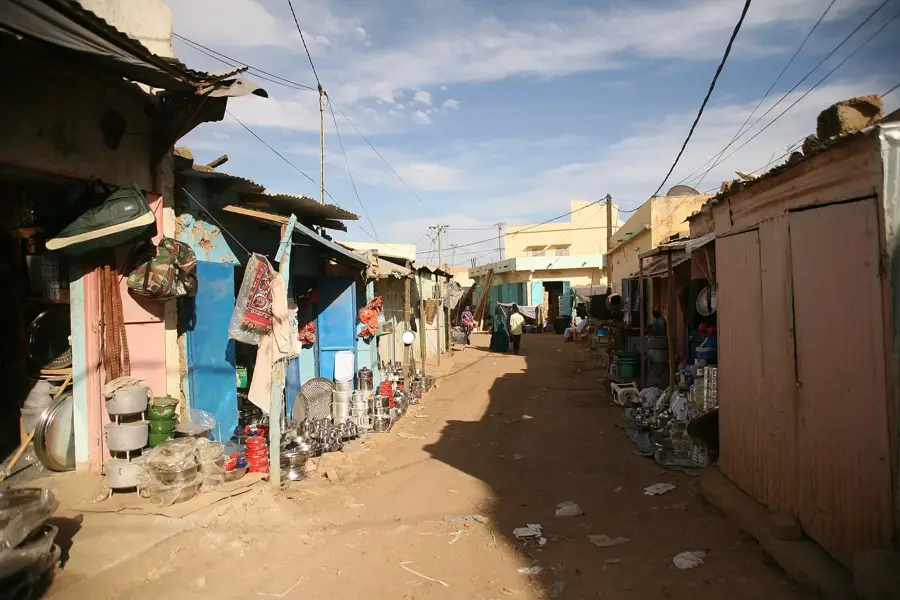
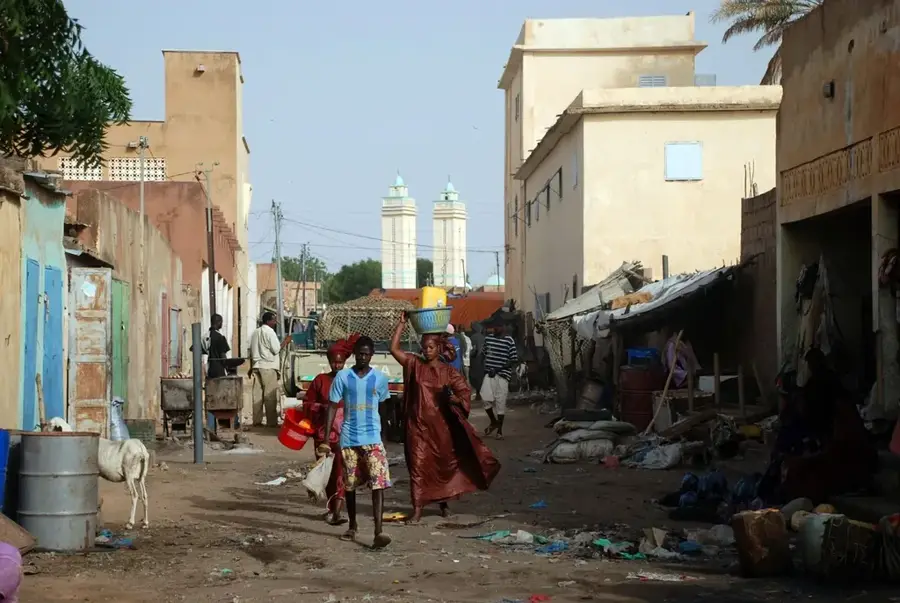
- The Kaédi market is one of Mauritania's most colorful; it is the best place to find local fabrics and handmade clay cookware.
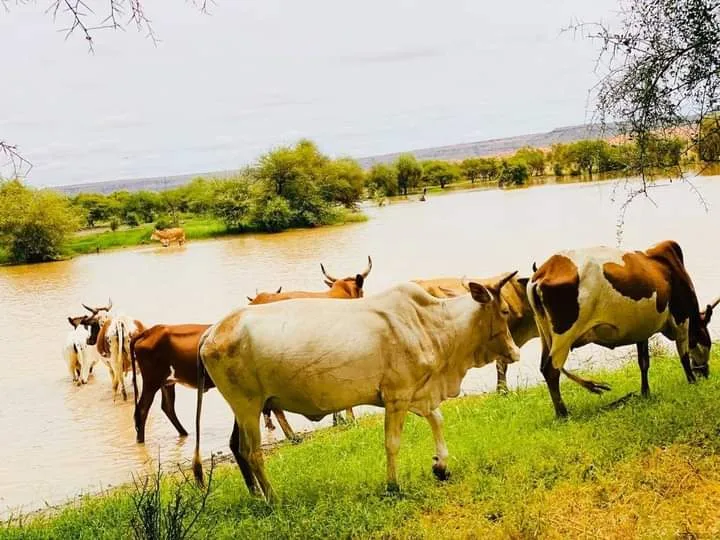
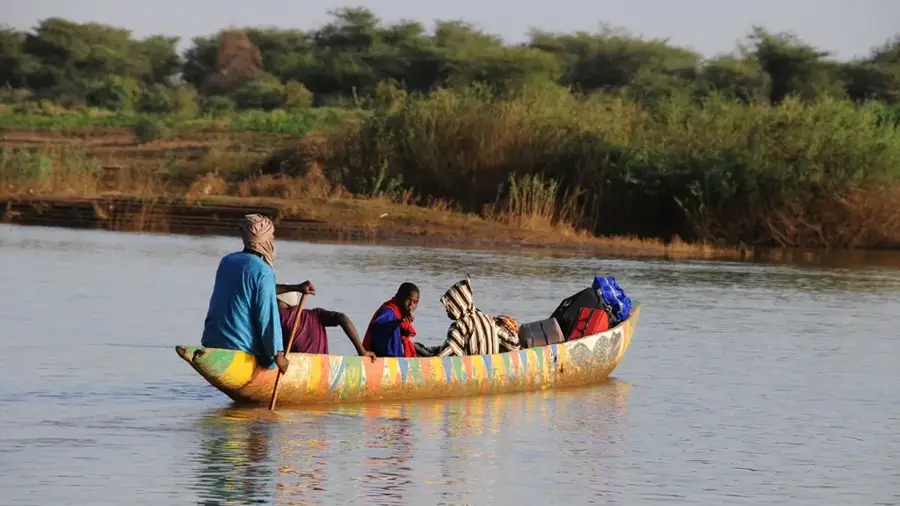
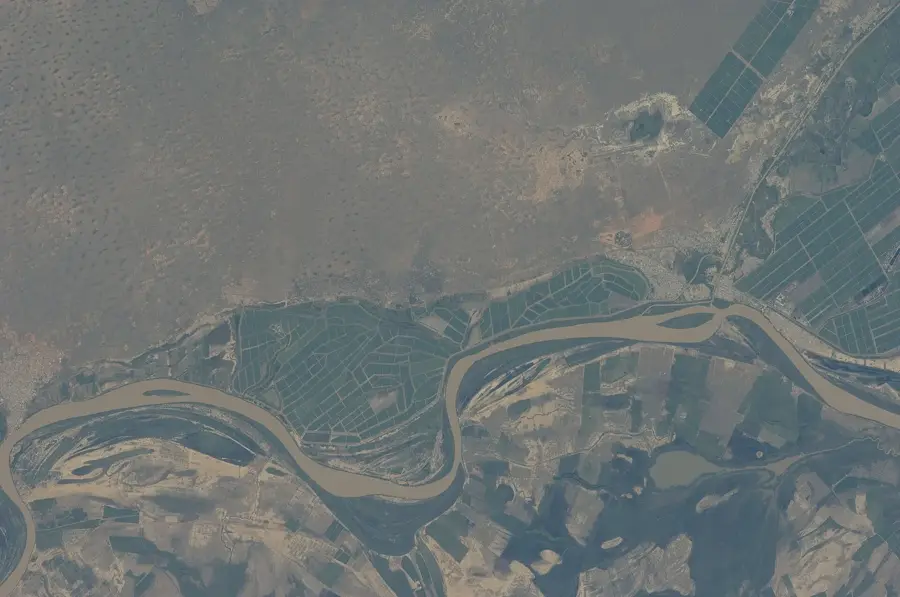
- Explore the confluence of the Gorgol and Senegal Rivers, a fertile area great for birdwatching and seeing river life.
- Wear sturdy shoes when visiting the market areas, as the unpaved streets can be muddy after any rainfall.
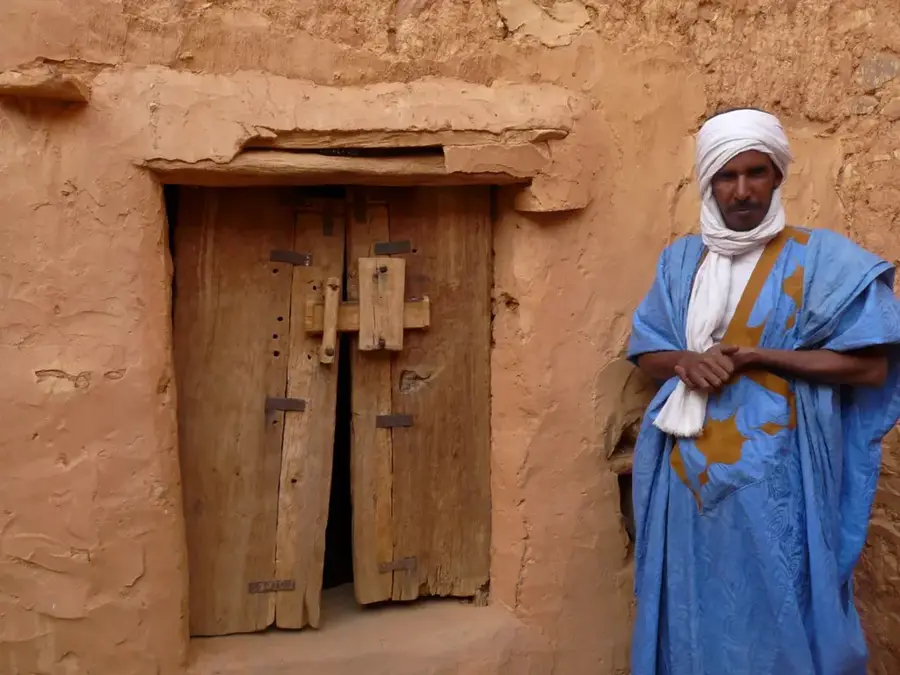
- Kaédi is a cultural melting pot; be respectful of the diverse traditions of the Fula, Soninke, and Wolof people living here.
🍽 Food
A local variant of Cheeb, often prepared with spicy regional seasonings and dried fish.
A creamy drink made from baobab fruit, which is very nutritious with a tangy-sweet flavor.
Commonly found in southern markets as a sweet snack or a side dish for savory meals.
🛍 Shopping · 🧘 Quiet spots
Handmade pots and bowls from Kaédi are famous for their durability and traditional decorations.
Beautiful indigo-dyed fabrics created by local women with intricate traditional patterns.
Sturdy mats made from reeds or grass, typical of households in the Gorgol valley.
A peaceful natural spot at the edge of town, first-rate for quiet observation of the water and birds.
The inner gardens of the Kaédi hospital are architecturally designed to provide natural cooling and calm.
Water temperature…
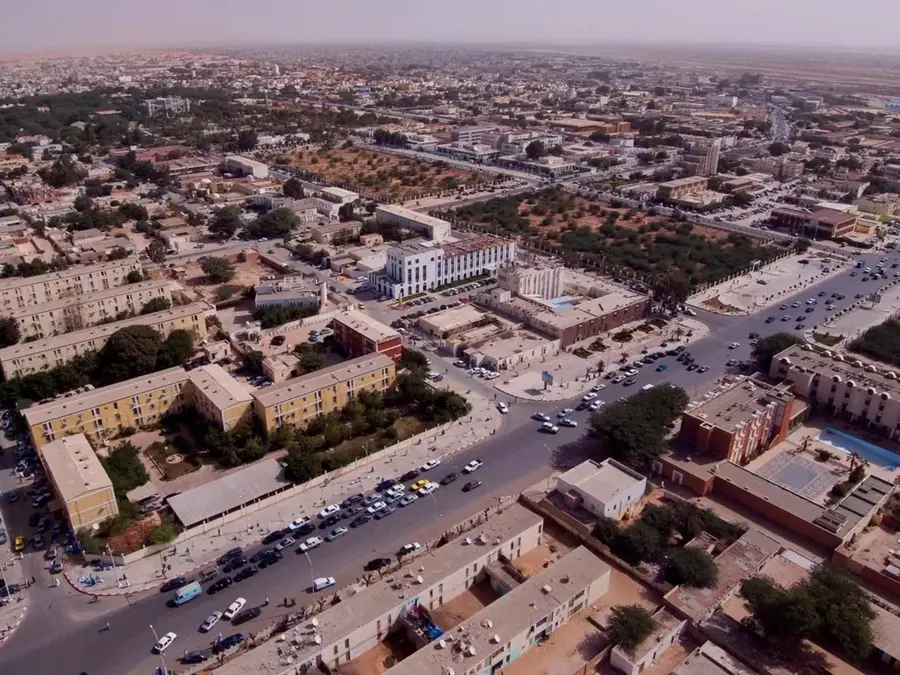
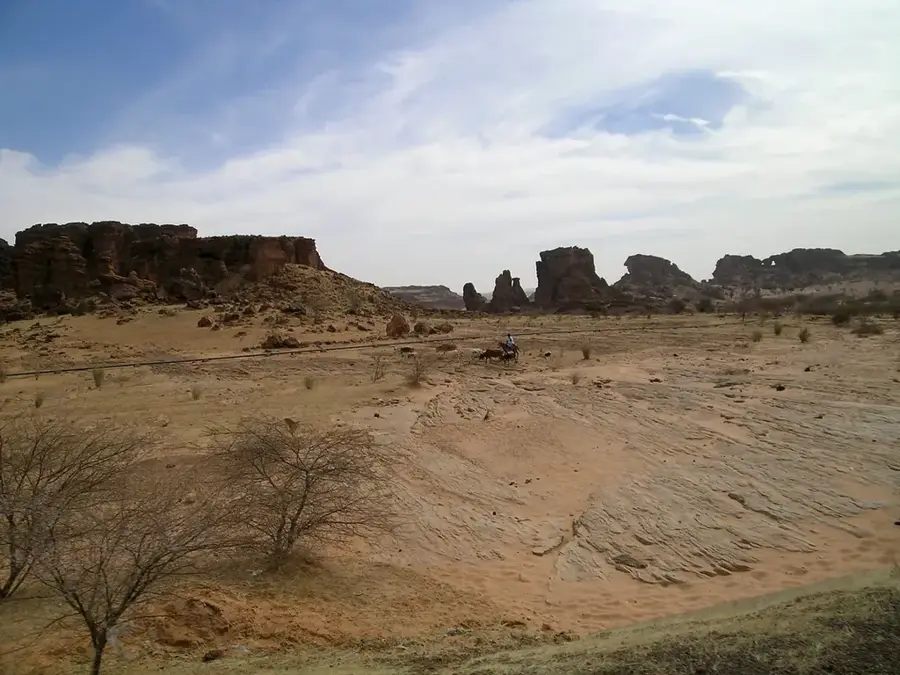
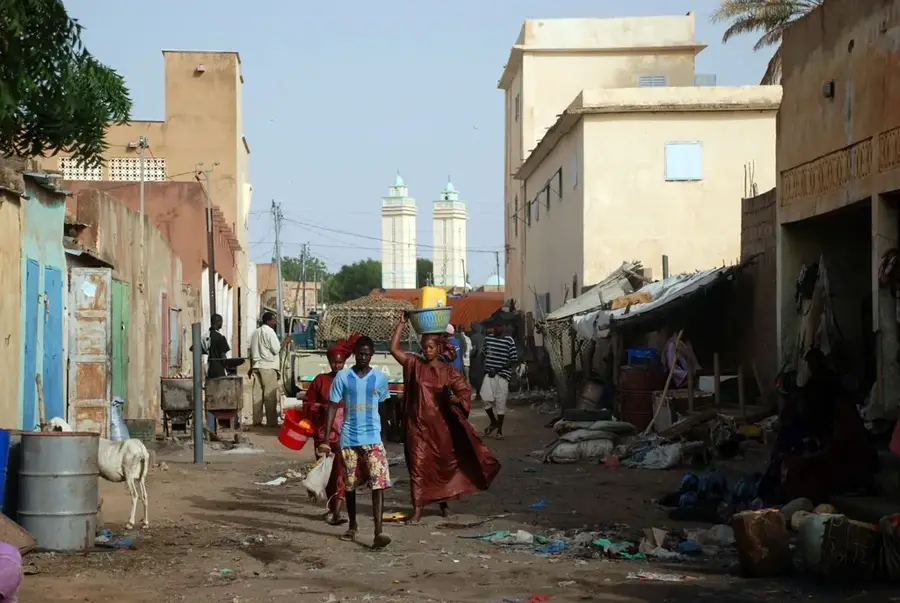
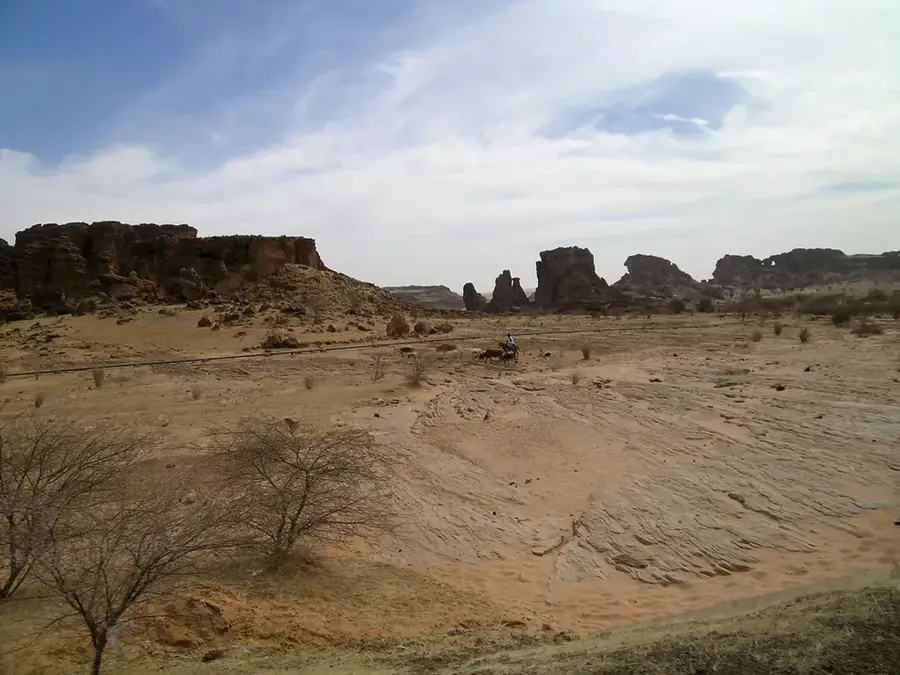
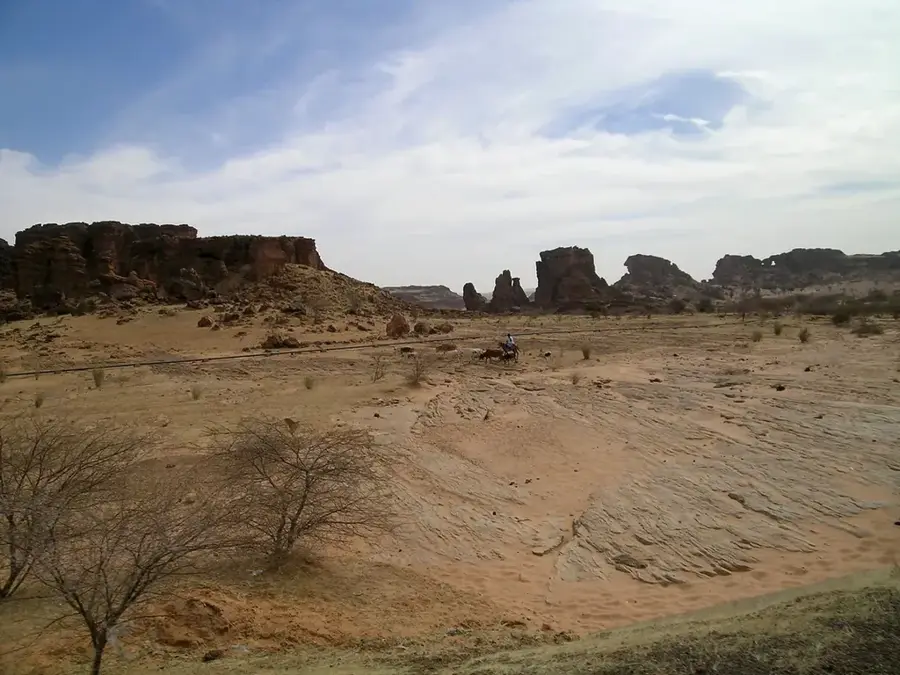
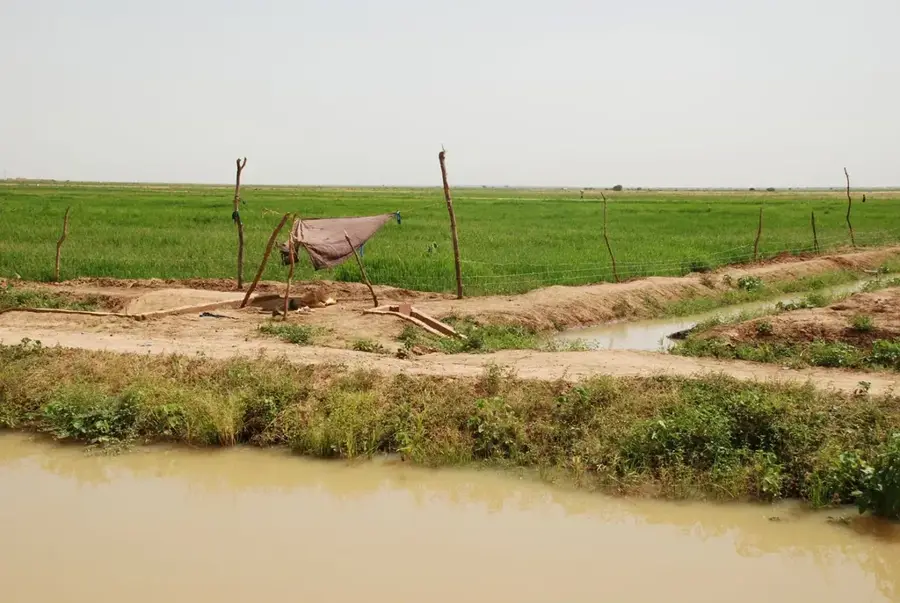
Gorgol is a significant settlement area and administrative region in southern Mauritania, strategically positioned along the fertile banks of the Senegal River. With the town of Kaédi serving as its primary hub, the area is a vital center for riverside agriculture, producing essential crops like sorghum, millet, and rice for the national market. The region is characterized by its rich cultural diversity, being home to a harmonious mix of Pulaar, Soninke, and Wolof communities. This cultural plurality is reflected in the local music, traditional crafts, and the bustling daily markets that define the area's social life. The geography of Gorgol provides a stark contrast to the Saharan sands further north, offering a lush landscape that supports both farming and livestock. As a gateway for cross-border trade with Senegal, Gorgol remains a dynamic area where traditional Sahelian architecture meets modern regional development, making it an essential destination for understanding the socio-economic heartbeat of Mauritania.
- Location: Mauritania
- Top sights: Kaédi · Gorgol River
- Nearby: Bababé (55 km)
- Population: ~56.283 (2026)
Best time to visit & climate
The most pleasant time to visit is Jan, Feb, Dec.
| Jan | Feb | Mar | Apr | May | Jun | Jul | Aug | Sep | Oct | Nov | Dec | |
|---|---|---|---|---|---|---|---|---|---|---|---|---|
| Avg °C | 23 | 26 | 29 | 32 | 35 | 35 | 32 | 30 | 29 | 30 | 27 | 24 |
| Rain mm | 1 | 0 | 0 | 2 | 1 | 21 | 84 | 140 | 112 | 15 | 2 | 0 |
Geography
Facts
- Suburb of Kaédi.
- Population: approximately 5,000.
- Elevation: 20 m above sea level.
- Annual rainfall: 600 mm.
- Home to Kaédi Airport.
- Agricultural zone for rice and cotton.
Explore nearby
Notable places around


Route planner — Car & Motorhome
Where do you start? We build the route here, with stops and country notes along the way.
© OpenStreetMap contributors · OpenRouteService
Sights in the town Gorgol (2)
Frequently asked questions
What is Gorgol?
How to reach Gorgol?
Are there attractions?
What is the climate?
Is it touristic?
Gorgol: where is it located?
Gorgol: what is there to see?
Gorgol: when is the best time to visit?
Gorgol: why is it worth visiting?

Nearby cities