Plizio Visual Lab
Aïoun
ℹ️Practical info — Aïoun
▾
🌤 Weather — 5 days
📍 Nearby
Sights nearby
💡 Tips
- The town is a major transit hub; the climate is extremely hot and dry, so dress appropriately.
- Shared bush taxis (sept-places) are the main mode of transport; always agree on the fare beforehand.
- ATMs can be unreliable; bring enough cash (Ouguiya) from the capital.
- Visit local markets in the early morning before the midday heat peaks.
- Respect local Islamic customs, especially during the holy month of Ramadan.
🍽 Food
At small local eateries around the market area.
Found at traditional restaurants or roadside grills.
A refreshing local drink available from market vendors.
🛍 Shopping · 🧘 Quiet spots
Spices, textiles, and everyday household goods.
Leather goods and traditional Moorish handicrafts.
A quiet place for a walk during a desert sunset.
Peaceful community spaces outside of prayer times.
Water temperature…
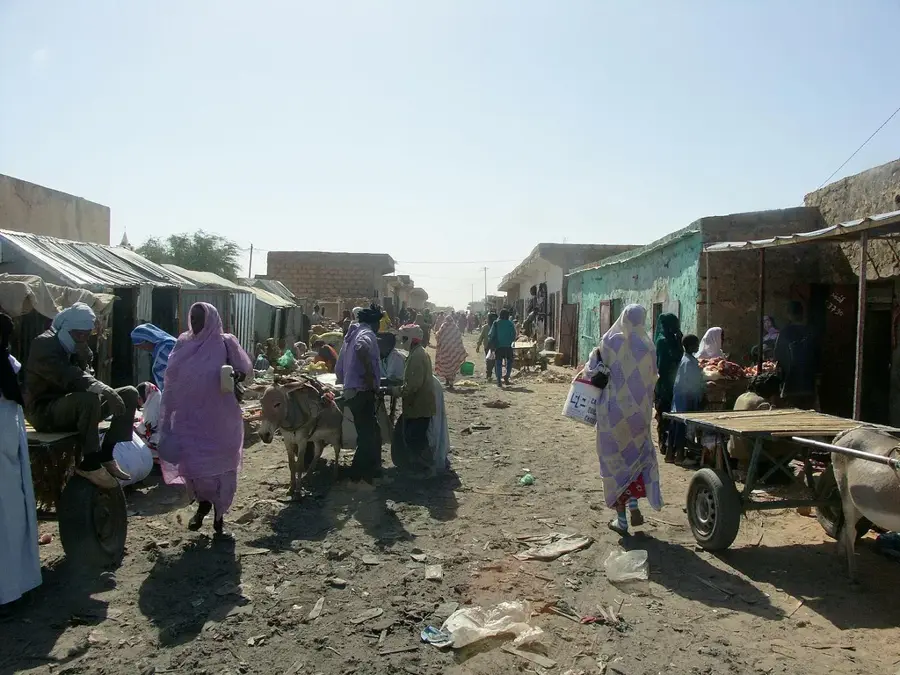
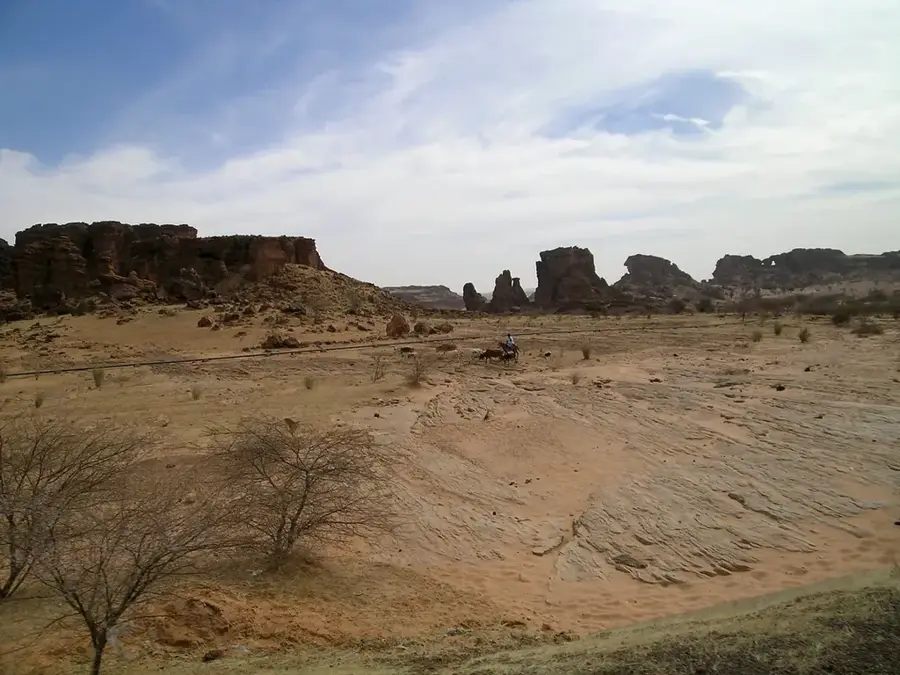
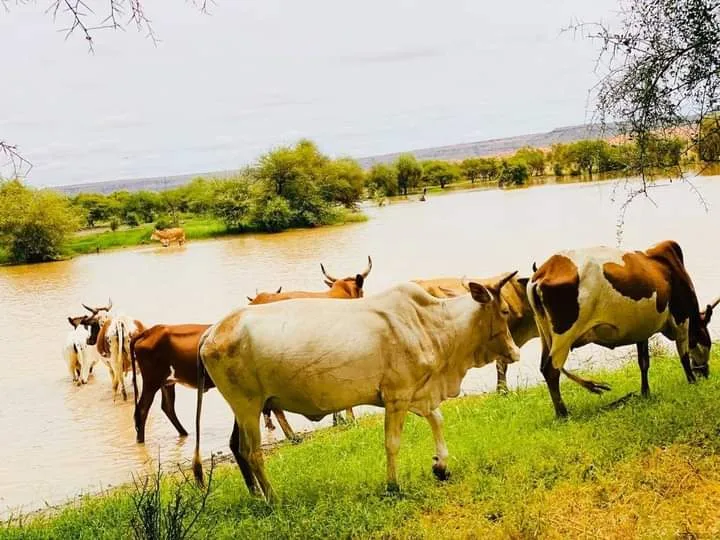
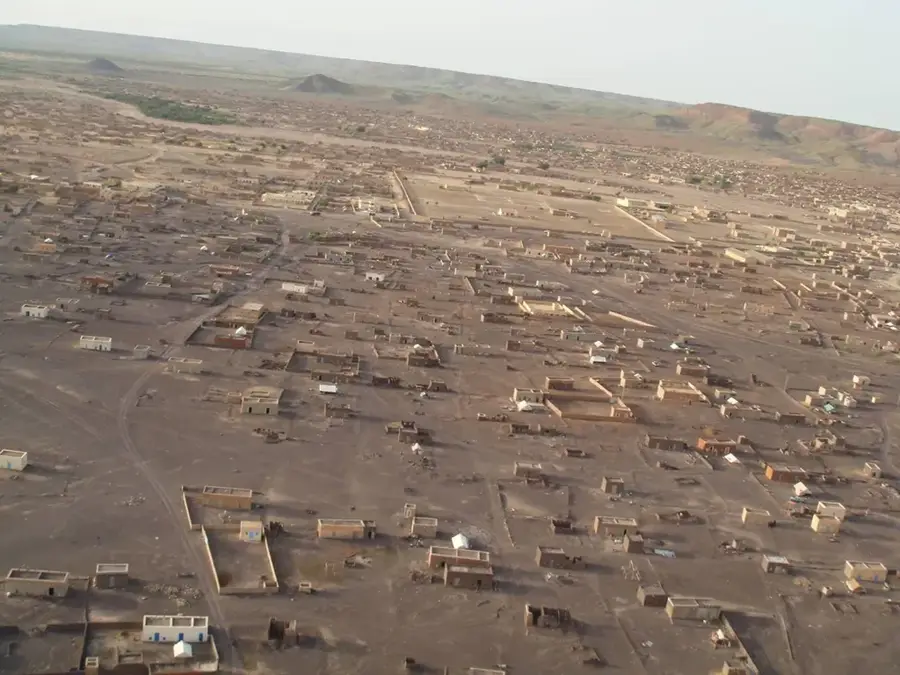
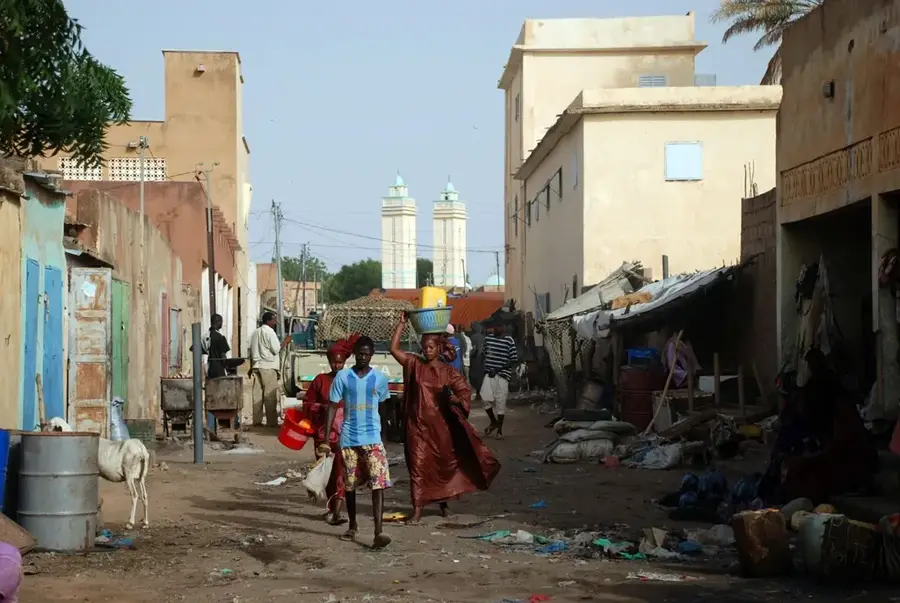
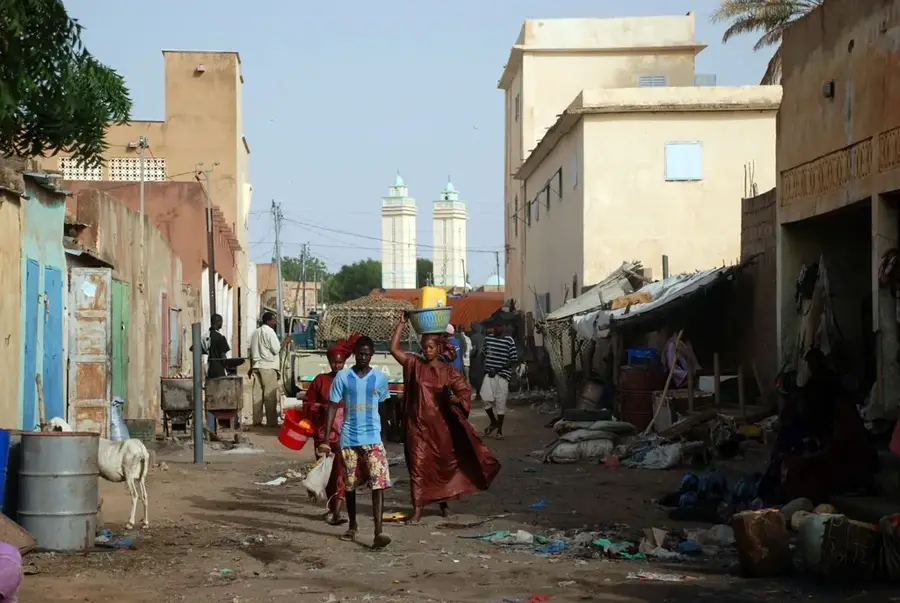
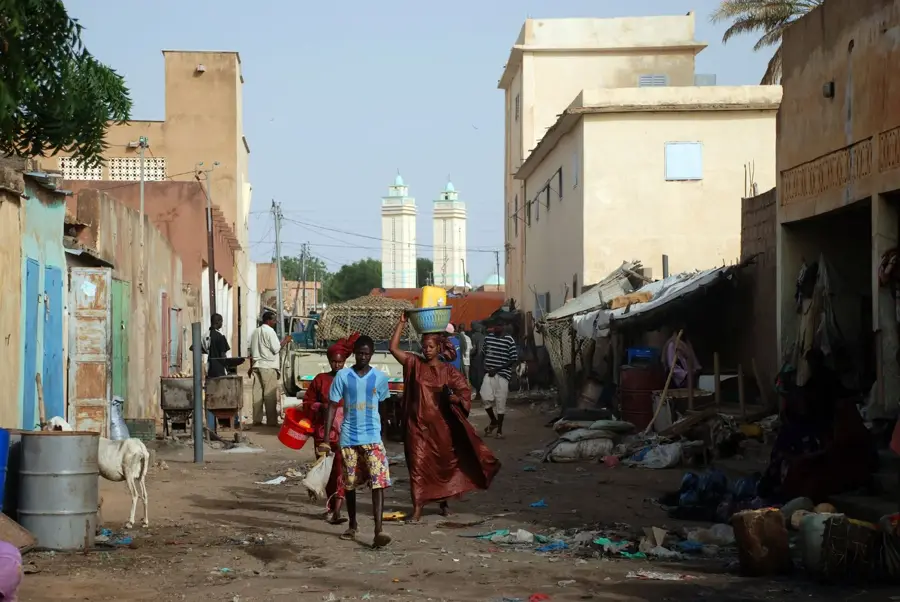
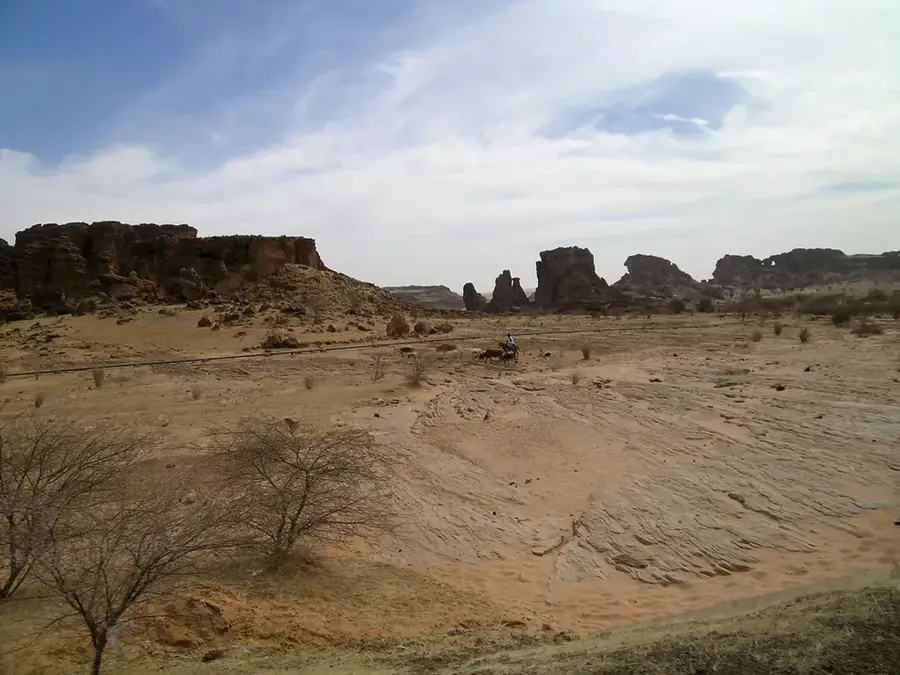
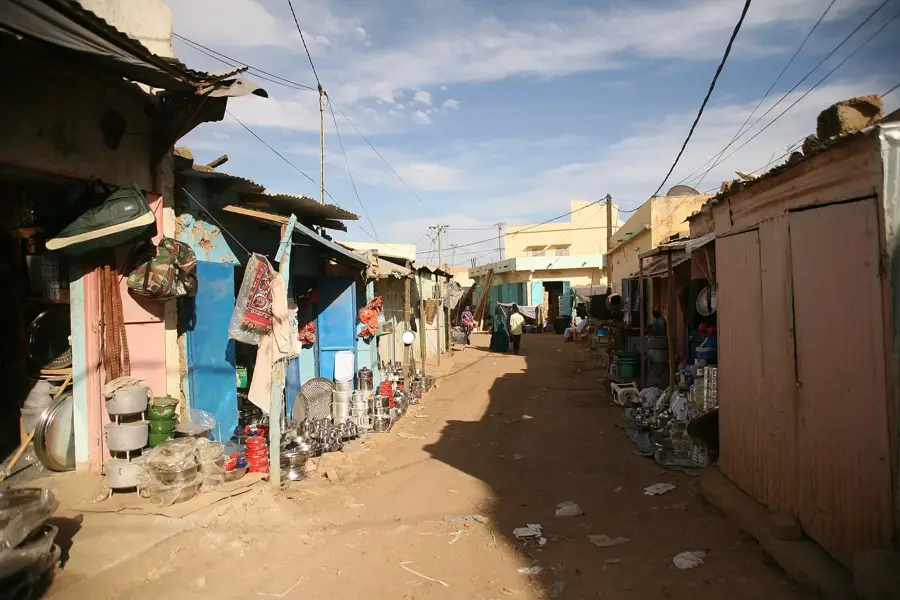
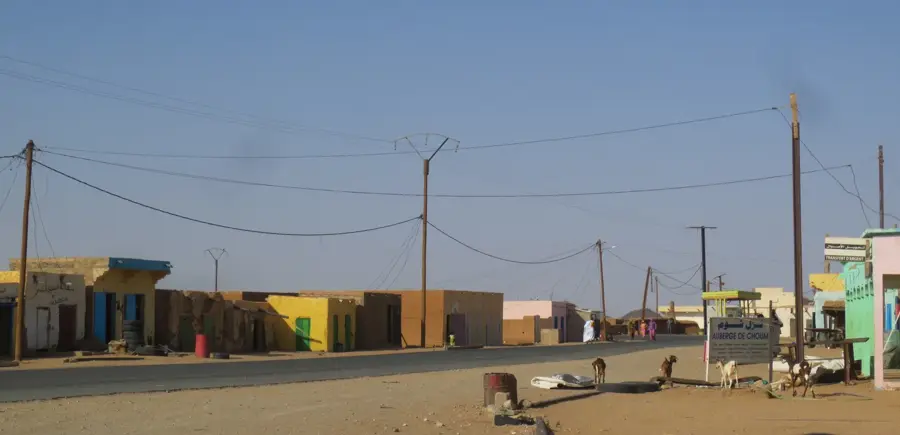
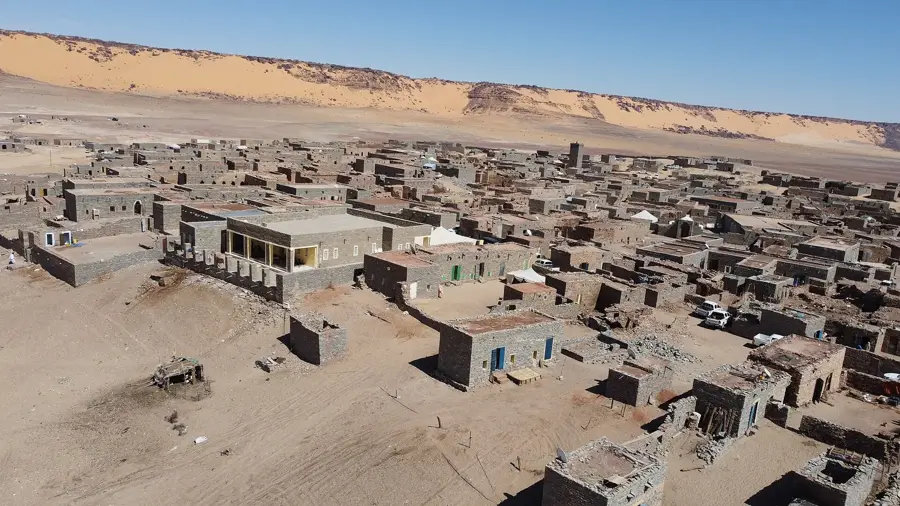
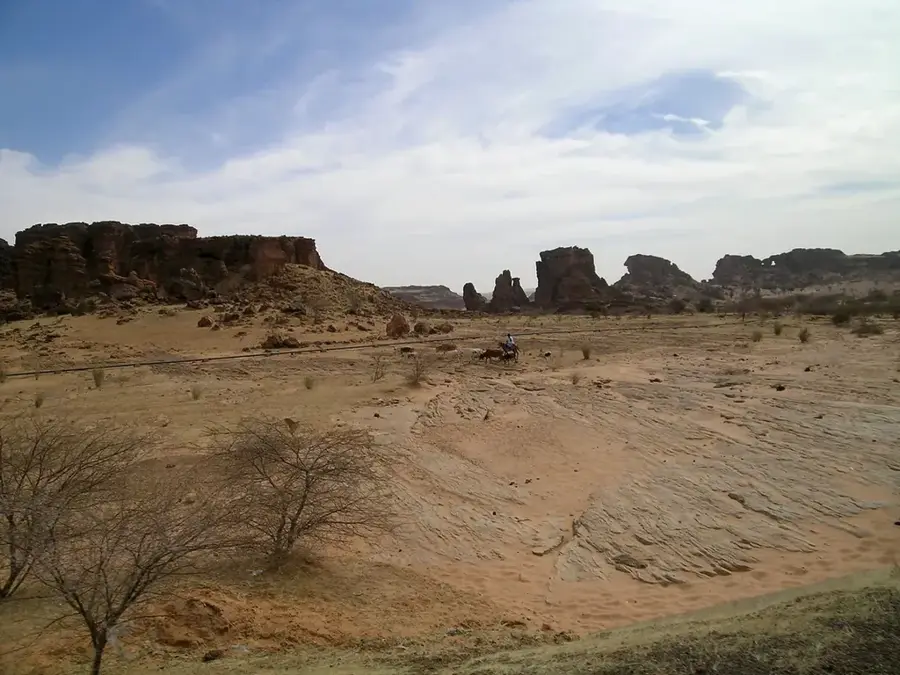
Aïoun, also known as Aïoun el Atrouss, is the capital city of the Hodh El Gharbi region in southeastern Mauritania. Tucked away among the striking red sandstone formations of the Affollé Hills, the city provides one of the most photogenic settings in the Mauritanian interior. Its significance is primarily driven by its location on the 'Route de l'Espoir' (Road of Hope), the country's most important land transport artery. This makes Aïoun a bustling transit point for travelers, traders, and goods moving between the Atlantic coast and the remote eastern reaches near the Malian border. The city serves as an essential administrative and educational hub for the region, housing a local university that attracts students from across the surrounding provinces. Culturally, Aïoun is a meeting point for diverse desert communities, and its expansive market is a showcase of Saharan trade, featuring everything from textiles to traditional livestock. The architecture blends functional modern government buildings with traditional dwellings built to withstand the Saharan environment. Despite the harsh desert climate, the city’s presence in such a dramatic landscape, where the reddish cliffs meet the golden dunes, makes it a unique and memorable stop for those exploring the deep interior of Mauritania.
- Location: Mauritania
- Top sights: Ayoun el Atrous (department) · Ayoun el Atrous
- Nearby: Tintane-Nord (70 km)
- Population: ~28.174 (2026)
Best time to visit & climate
The most pleasant time to visit is Jan, Feb, Dec.
| Jan | Feb | Mar | Apr | May | Jun | Jul | Aug | Sep | Oct | Nov | Dec | |
|---|---|---|---|---|---|---|---|---|---|---|---|---|
| Avg °C | 21 | 24 | 28 | 32 | 35 | 35 | 32 | 30 | 30 | 30 | 26 | 22 |
| Rain mm | 0 | 1 | 0 | 0 | 5 | 24 | 84 | 152 | 75 | 17 | 1 | 0 |
Geography
Facts
- Founded in the early 1970s.
- Population: approximately 20,000.
- Elevation: 250 m above sea level.
- Annual rainfall: 300 mm.
- Capital of Hodh El Gharbi region since 1975.
- Distance from Nouakchott: 700 km.
Explore nearby
Notable places around



Route planner — Car & Motorhome
Where do you start? We build the route here, with stops and country notes along the way.
© OpenStreetMap contributors · OpenRouteService
Sights in the town Aïoun (2)
Frequently asked questions
What is Aïoun known for?
Best time to visit?
How is the traffic?
Are there markets?
What should I eat?
Aïoun: where is it located?
Aïoun: what is there to see?
Aïoun: when is the best time to visit?
Aïoun: why is it worth visiting?

Nearby cities