Plizio Visual Lab
Yélimané
ℹ️Practical info — Yélimané
▾
🌤 Weather — 5 days
📍 Nearby
Sights nearby
💡 Tips
- Visit the town during market days to experience the animated Soninke culture and cross-border trade activity.
- Notice the large 'migrant villas' funded by the diaspora in Europe, which dominate the local skyline.
- Travel from Kayes using shared 'sept-places' taxis, but allow extra time for the often poor road conditions.
- Learn a few basic Soninke greetings like 'N'ga katu' (Good day) to gain the respect of the local community.
- Always carry photocopies of your passport due to frequent security checkpoints near the Mauritanian border.
🍽 Food
A creamy and filling dish often served with beef in local eateries near the main square.
A traditional breakfast staple usually enriched with yogurt or soured milk.
A spicy and refreshing homemade drink sold in small bags at the weekly market.
🛍 Shopping · 🧘 Quiet spots
The Soninke are famous for their deep blue, hand-dyed textiles with intricate patterns.
Handcrafted durable footwear made from local leather is a common find in the market area.
Due to the border proximity, you can often find tea and veils imported from neighboring Mauritania.
Walking toward the Mauritanian border has vast views and a break from the market's noise.
The areas between the modern diaspora villas often have quiet shaded spots under large trees.
A historically significant and usually very quiet location in the center of the town.
Water temperature…
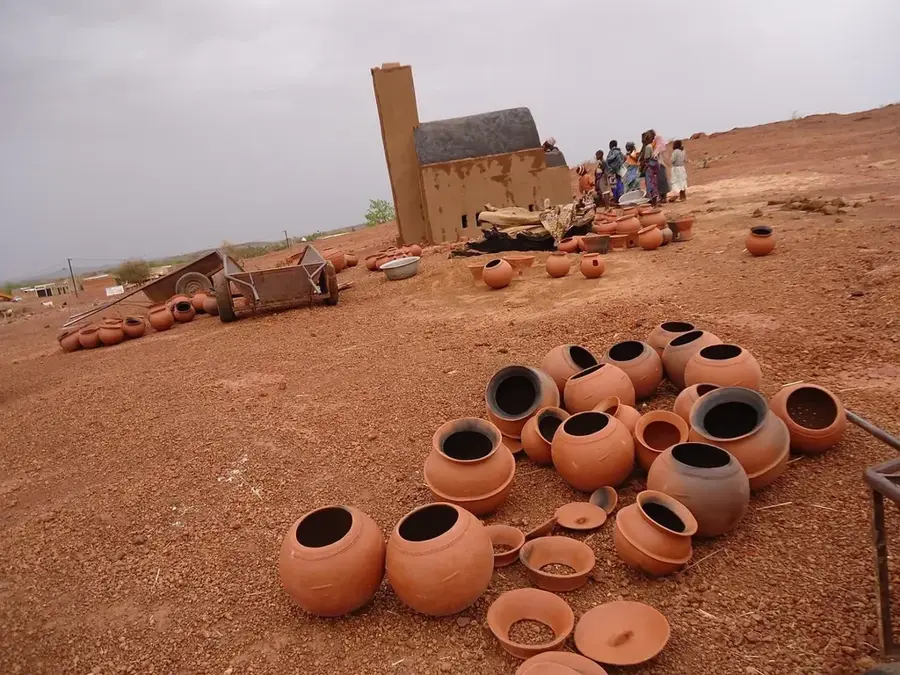
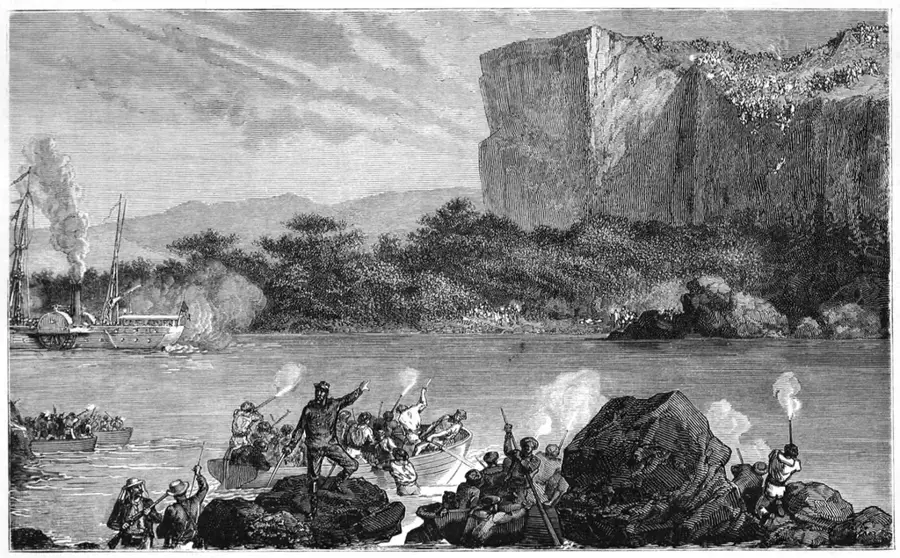
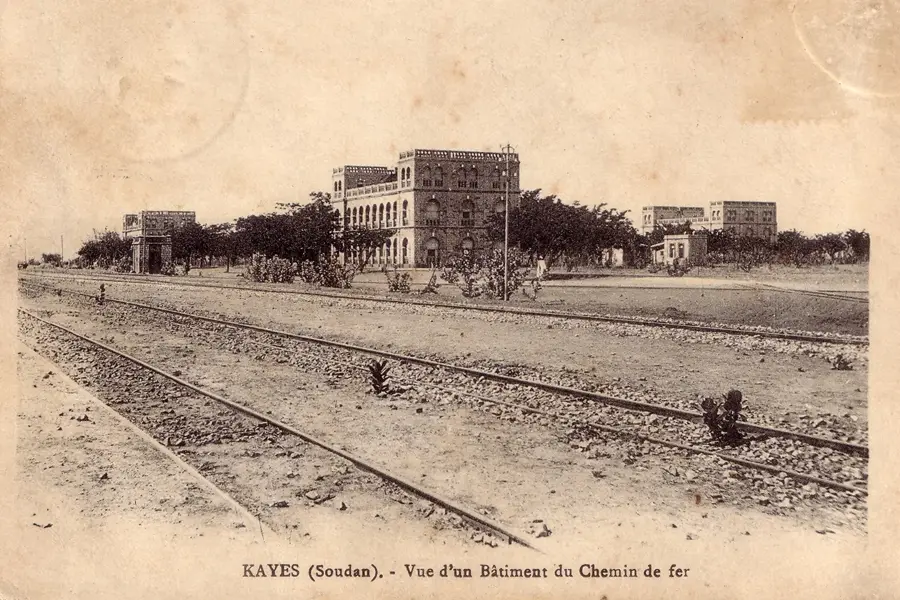
Yélimané is the capital of the eponymous cercle in the Kayes Region of western Mali. The town is situated in a semi-arid zone characterized by the fringes of the Sahara to the north and more fertile plains to the south. Historically, Yélimané is known for its resistance against French colonial rule in the late 19th century. A unique feature of the town is its strong connection to the diaspora; a significant portion of the male population works in Europe, particularly France, supporting local development through massive remittances. These funds are channeled into building schools, hospitals, and infrastructure projects, making Yélimané a model for migratory self-help. Local agriculture focuses on growing millet, sorghum, and peanuts, though irregular rainfall remains a constant challenge. Despite the dry environment, there are significant livestock holdings that play an essential role in the local economy.
Best time to visit & climate
The most pleasant time to visit is Jan, Nov, Dec.
| Jan | Feb | Mar | Apr | May | Jun | Jul | Aug | Sep | Oct | Nov | Dec | |
|---|---|---|---|---|---|---|---|---|---|---|---|---|
| Avg °C | 24 | 27 | 30 | 34 | 36 | 33 | 29 | 27 | 27 | 28 | 26 | 24 |
| Rain mm | 1 | 0 | 0 | 1 | 15 | 94 | 193 | 252 | 164 | 43 | 2 | 0 |
Geography
Facts
- Center of the Soninké people in the region
- Founded during colonial expansion in 1886
- High migration rate to France (over 30%)
- Important market for grain trade
- Features a modern hospital funded by migrants
- Climate is shaped by the hot Harmattan wind phase
Explore nearby
Notable places around



Route planner — Car & Motorhome
Where do you start? We build the route here, with stops and country notes along the way.
© OpenStreetMap contributors · OpenRouteService
Sights in the town Yélimané (1)
Frequently asked questions
How long to stay in Yélimané?
When is the best time to visit?
How to get there?
Are there local markets?
Is the city family-friendly?
Yélimané: where is it located?
Yélimané: when is the best time to visit?
Yélimané: why is it worth visiting?

Nearby cities
History & landmarks
More places