Plizio Visual Lab
Nioro du Sahel
ℹ️Practical info — Nioro du Sahel
▾
🌤 Weather — 5 days
📍 Nearby
Sights nearby
💡 Tips
- Start your explorations in the early morning, as temperatures in this Sahelian town rise extremely high by midday.
- Nioro has a deeply rooted Sufi tradition; dress conservatively and respect local religious customs.
- Always carry a light scarf to protect your face and eyes from sudden, dusty desert winds.
- The roads in the region can be rough; a 4x4 vehicle is highly recommended for exploring the surroundings.
🍽 Food
A specialty of the Sahel, often offered in small, traditional restaurants.
A sweetish, fermented millet porridge often sold on the street as a nutritious breakfast.
In the evenings, you will find stalls on street corners serving spiced meat grilled over a wood fire.
🛍 Shopping · 🧘 Quiet spots
In the market, you will find delicate silverwork influenced by the nomadic neighbors.
Sturdy leather sandals and handmade bags are popular and authentic souvenirs.
Head to the outskirts of town to peacefully admire the vastness of the Sahel landscape.
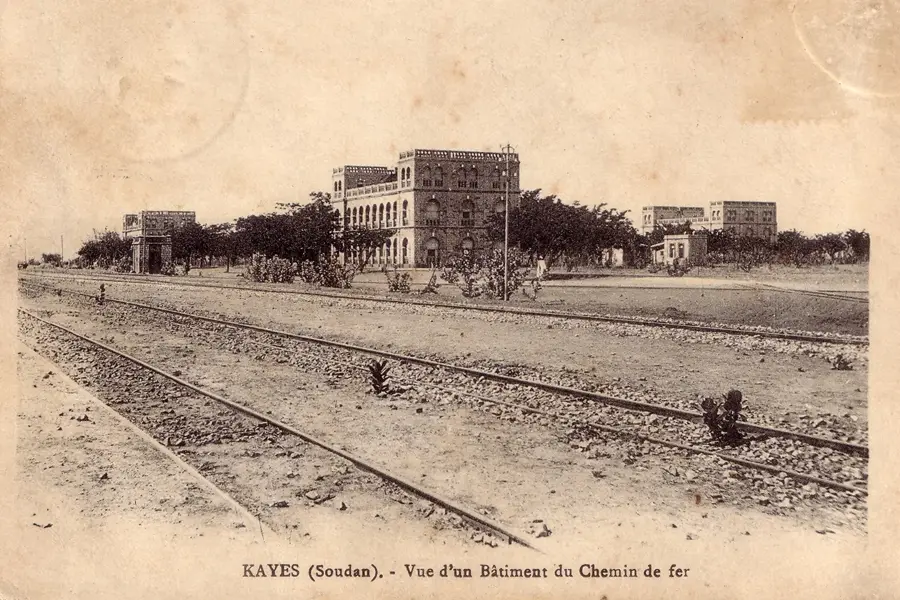
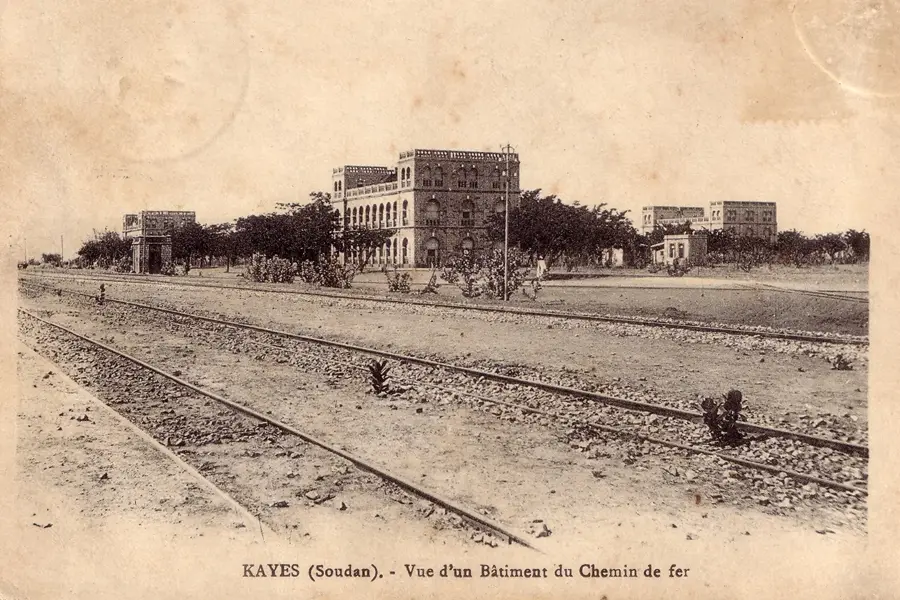
The area around the colonial remnants has a quiet place to reflect on history.
Water temperature…
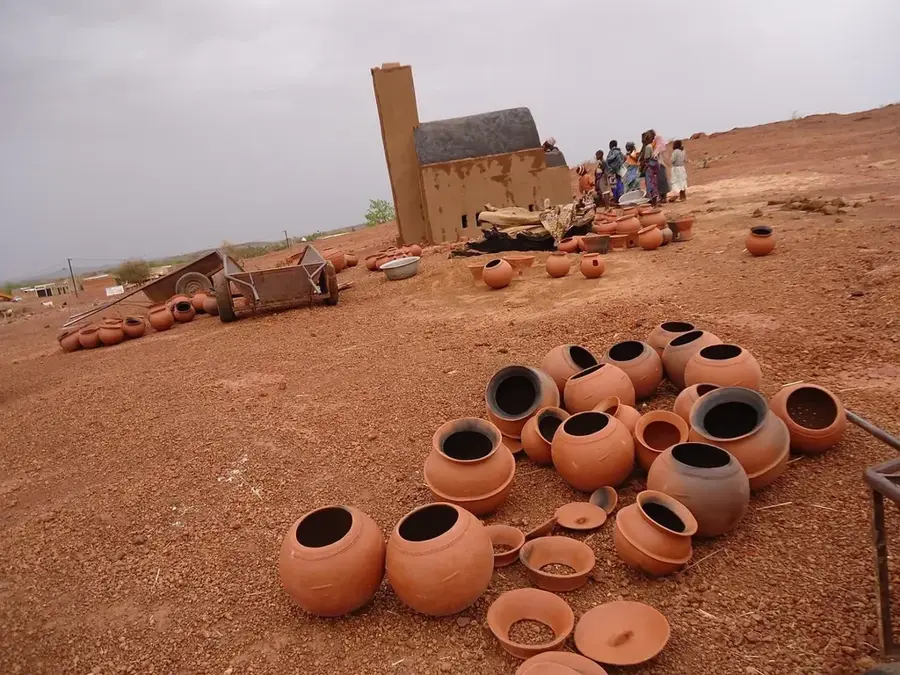
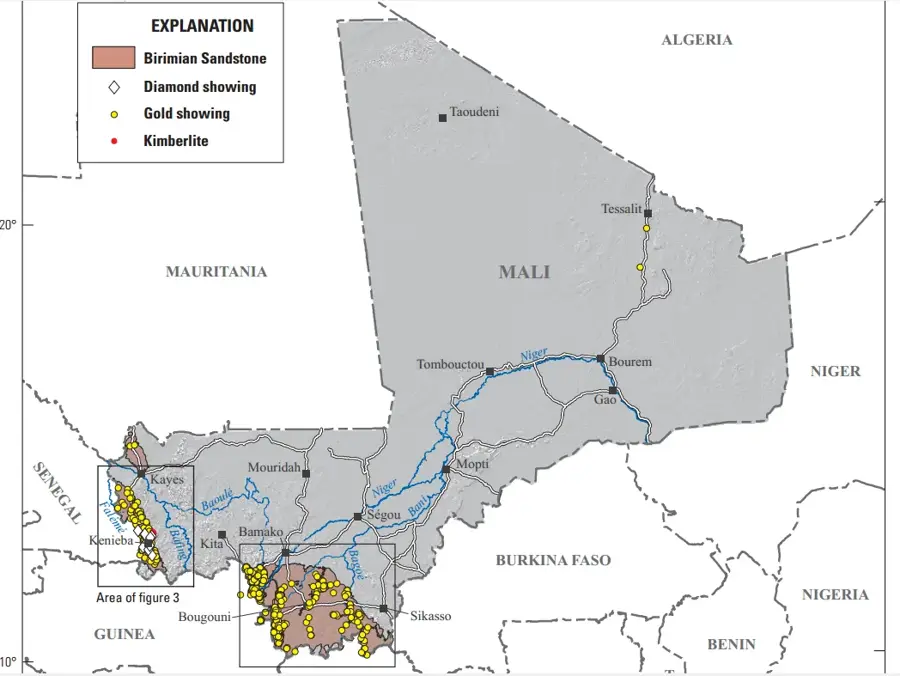
Nioro du Sahel is located in northwestern Mali within the Kayes Region, near the Mauritanian border, and serves as a major religious and historical hub. Founded in the 17th century by the Bambara people, it gained international prominence in the 19th century as the capital of the Toucouleur Empire under the leadership of Al-Hajj Umar Tall. The city is a vital spiritual center for Sufism, specifically the Tijaniyya brotherhood, drawing thousands of pilgrims annually to its sacred sites. Geographically situated at the transition zone between the savannah and the Sahara Desert, it is a significant trading post for livestock and agricultural goods between Mali and Mauritania. Despite the arid climate and its relatively remote location, the city has preserved a strong sense of religious scholarship and cultural autonomy. The urban landscape is characterized by its large mosques and traditional earth-brick structures that define its skyline. Today, Nioro du Sahel remains a strategic border town and a center of Islamic learning, embodying the resilience of Sahelian societies in the face of environmental challenges.
- Location: Mali
- Population: ~51.933 (2025)
Best time to visit & climate
The most pleasant time to visit is Jan, Feb, Dec.
| Jan | Feb | Mar | Apr | May | Jun | Jul | Aug | Sep | Oct | Nov | Dec | |
|---|---|---|---|---|---|---|---|---|---|---|---|---|
| Avg °C | 22 | 25 | 29 | 33 | 35 | 33 | 29 | 27 | 28 | 28 | 26 | 22 |
| Rain mm | 1 | 1 | 0 | 5 | 19 | 96 | 182 | 251 | 152 | 37 | 1 | 0 |
Geography
Facts
- Nioro du Sahel was established around 1650 by the Bambara people.
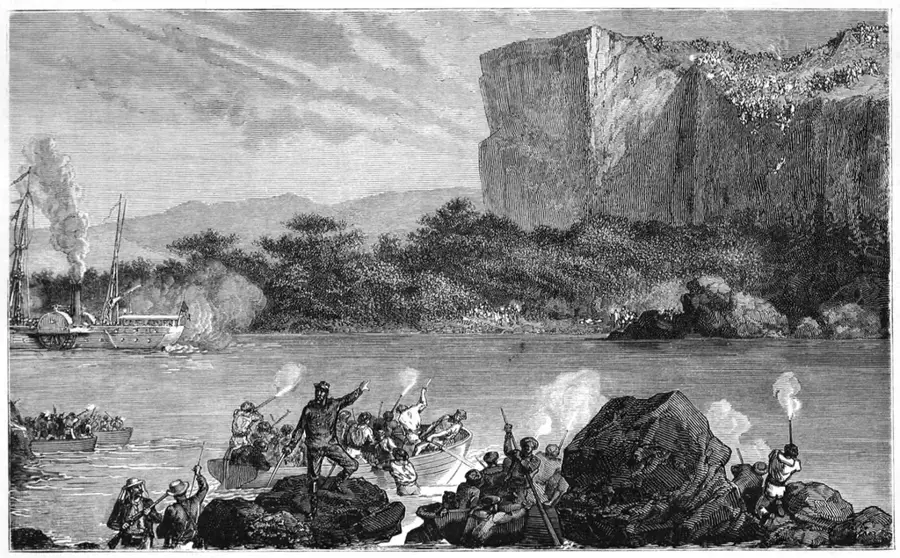
- It became the capital of the Toucouleur Empire after its conquest in 1854.
- The city is located approximately 400 kilometers north of the regional city of Kayes.
- It is a premier spiritual destination for the Tijaniyya Sufi order in West Africa.
- The city's Great Mosque is a centerpiece of local religious and social life.
- Nioro is a critical trade link for livestock moving between Mali and Mauritania.
Explore nearby
Notable places around

Route planner — Car & Motorhome
Where do you start? We build the route here, with stops and country notes along the way.
© OpenStreetMap contributors · OpenRouteService
Sights in the town Nioro du Sahel (1)
Frequently asked questions
What makes Nioro du Sahel special?
How to get to Nioro du Sahel?
Best season to visit?
Is it a tourist location?
Are there accommodations?
Nioro du Sahel: where is it located?
Nioro du Sahel: when is the best time to visit?
Nioro du Sahel: why is it worth visiting?

Nearby cities

History & landmarks
More places