Plizio Visual Lab

Kaarta Plateau
Plizio editorial teamData Sources
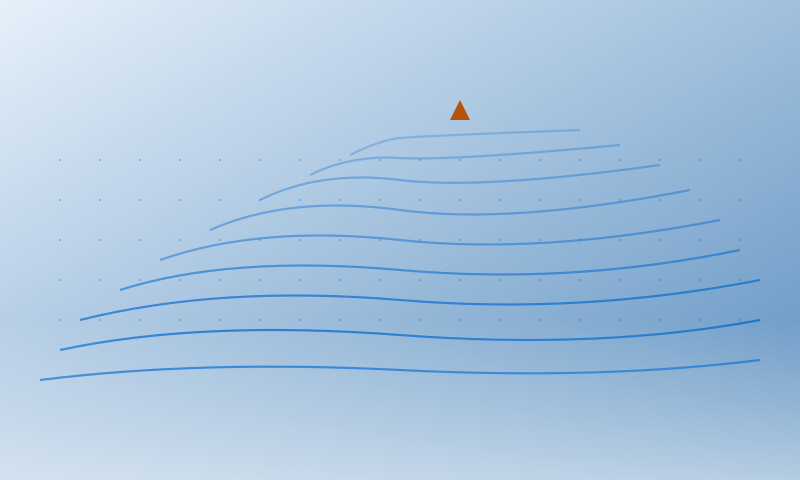
Relief
—°
Kaarta Plateau (Mali)

Weather…

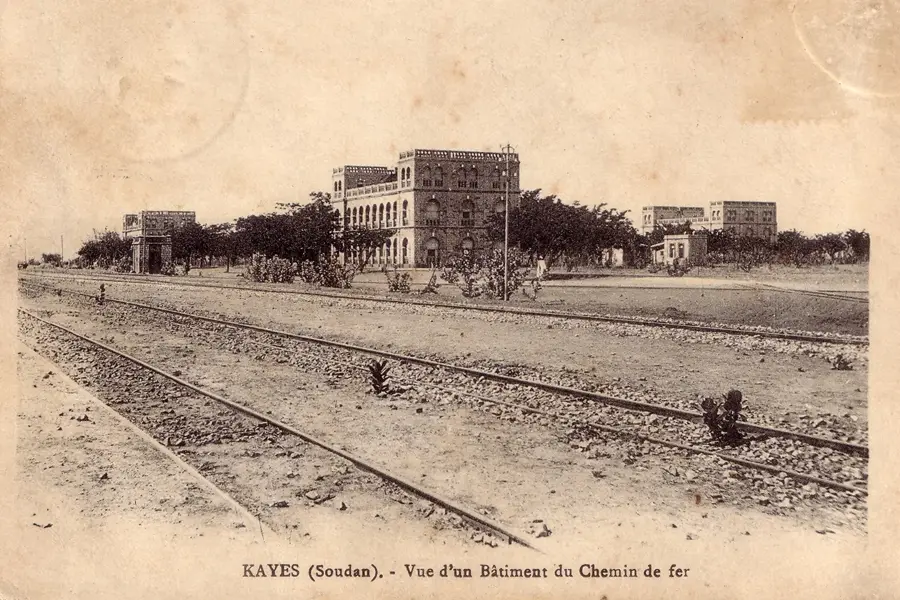
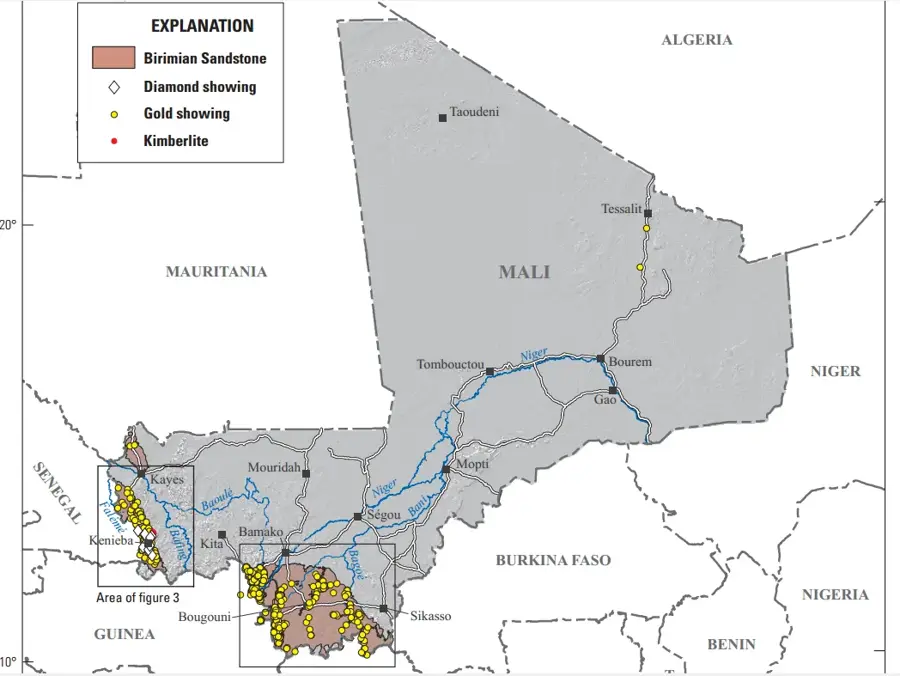
The Kaarta Plateau is a vast upland region in western Mali, historically significant as the center of the Bambara Kingdom of Kaarta during the 18th and 19th centuries. Geographically, the area is characterized by a rugged terrain of sandstone formations, steep escarpments, and deep ravines that provided natural defenses throughout history. The plateau maintains an average elevation between 300 and 500 meters, rising sharply above the surrounding Sahelian plains. The region experiences a semi-arid climate, with vegetation consisting mainly of acacia trees and drought-resistant shrubs adapted to prolonged dry seasons. Archaeological findings suggest that the plateau has been inhabited since prehistoric times, when the environmental conditions were significantly wetter than today. In modern times, the Kaarta Plateau serves as a critical grazing ground for nomadic pastoralists, though its remote location and difficult terrain present significant challenges for infrastructure development.

Best time to visit & climate

The most pleasant time to visit is Jan, Feb, Dec.

JanFebMarAprMayJunJulAugSepOctNovDec
Avg °C222529333533292728282622
Rain mm110519961822511523710

📋 Practical info

🧭
Getting there
Access to this historically significant high plateau in western Mali is typically via regional roads from nearby towns. It is advisable to use a robust off-road vehicle due to the generally unpaved and potentially rough local tracks in this remote area.
📅
Best season
The best time to explore the Kaarta Plateau is generally during the cooler dry season, which usually lasts from November to February. During these months, the weather is significantly more tolerable, avoiding the extreme heat and heavy rains of the wet season.
⛰️
Terrain & paths
The terrain across the plateau consists primarily of vast elevated plains and occasionally rocky landscape typical of western Mali. Visitors should expect mostly uneven ground, requiring steady navigation across an environment that is historically rich but geologically rugged.
🎒
What to bring
Essential gear includes plenty of drinking water, comprehensive sun protection, and sturdy walking boots to handle the rocky plateau. Since amenities are incredibly scarce in this historic region, travelers must bring all necessary food, navigation tools, and emergency supplies.
🅿️
Parking
Parking is generally informal and can usually be found at the edges of the closest local settlements or where dirt roads end. It is highly recommended to arrange for secure parking and a local guide in the nearest town before proceeding deeper into the Kaarta Bambara historical area.
⚠️
Safety
Visitors must exercise caution regarding extreme daytime temperatures, the risk of dehydration, and the lack of nearby medical facilities. Staying informed about the current regional security situation in western Mali is crucial, and traveling with a knowledgeable local guide is strongly advised.
⏱️
Time needed
Exploring the remnants of the Kaarta Bambara Empire on the plateau typically requires a full day of driving and brief walks. Due to the vast distances and the challenging access routes, planning a multi-day expedition with overnight camping might be necessary for a thorough visit.

Geography

Coordinates
15.00000, -9.50000

Facts

  • The plateau was the heartland of the Kaarta Kingdom (c. 1650–1854).
  • The average elevation of the plateau ranges between 300 and 500 meters.
  • The geological base is composed of Paleozoic sandstone formations.
  • Administratively, the region falls mostly within the Kayes Region of Mali.
  • Annual rainfall in the area is often lower than 500 mm.
  • Nioro du Sahel, located at the edge of the plateau, is a key religious center.

Explore nearby

Notable places around

Route planner — Car & Motorhome

Where do you start? We build the route here, with stops and country notes along the way.

Vehicle
Only stops with (optional):

© OpenStreetMap contributors · OpenRouteService

Sights nearby

Frequently asked questions

How challenging is hiking on the Kaarta-Plateau?
The plateau requires good stamina; trails are often unmarked and the terrain is rugged.
What is the best time to visit?
The best time is during the cooler dry season, roughly from November to February.
Are there parking facilities at Kaarta-Plateau?
Official parking is scarce; usually you must park vehicles in nearby villages.
Are there toilets or restaurants on site?
No, the area is wild. You should bring your own provisions and water.
What is the weather risk on the plateau?
Extremely hot and dry during the day; sudden dust storms can limit visibility.
Kaarta Plateau: where is it located?
Kaarta Plateau is located in Mali.
Kaarta Plateau: when is the best time to visit?
The most pleasant time to visit is Jan, Feb, Dec.
Kaarta Plateau: why is it worth visiting?

The Kaarta Plateau is a vast upland region in western Mali, historically significant as the center of the Bambara Kingdom of Kaarta during the 18th and 19th centuries.
View on map → The Top 50 Attractions → OpenStreetMap →
Africa
Explore with Plizio Discover more places in Africa
More places in Mali →

Nearby cities

History & landmarks
More places