Plizio Visual Lab
Kayes
ℹ️Practical info — Kayes
▾
🌤 Weather — 5 days
📍 Nearby
Sights nearby
💡 Tips
- Kayes is extremely hot, often called the 'pressure cooker of Africa'; plan all activities for early morning.
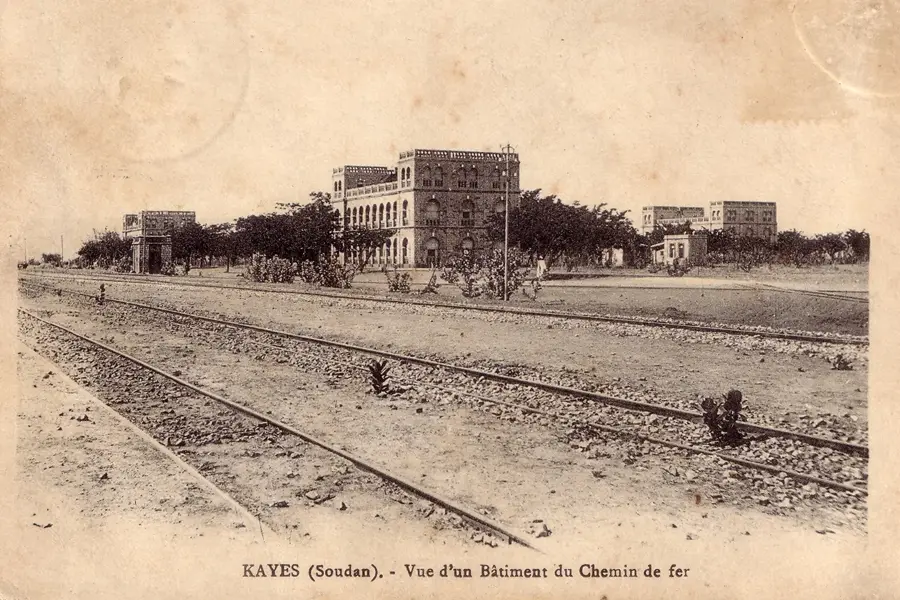
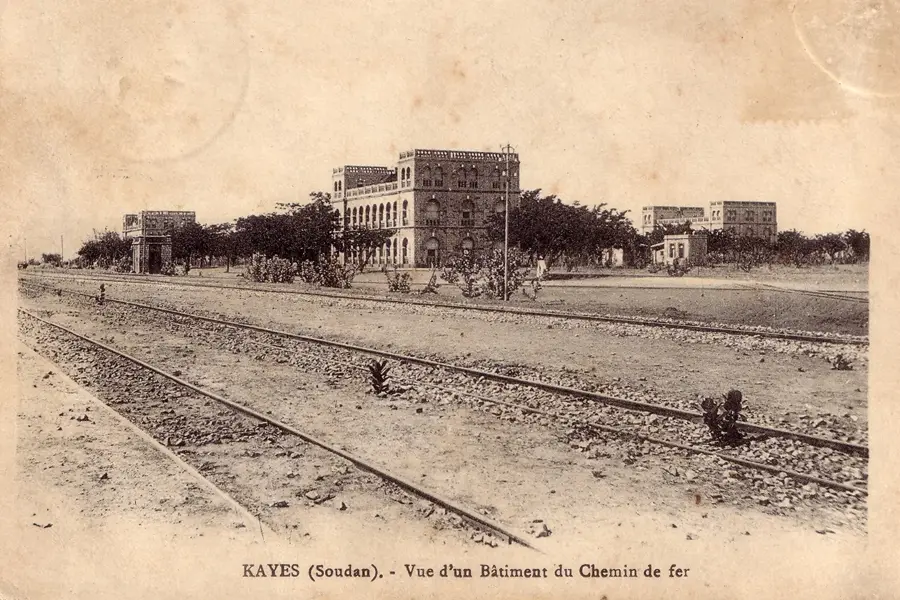
- The train station is a historical landmark, even if passenger services are irregular.
- Drink plenty of water and seek shade during the midday hours to avoid heatstroke.
- Explore the banks of the Senegal River in the late afternoon when the temperature drops slightly.
- Modest dress is recommended out of respect for the predominantly Muslim local culture.
🍽 Food
Enjoy fresh fish from the Senegal River, usually grilled or in a rich sauce.
A hearty Malian meat stew with peanut butter served with rice.
If visiting during the season, the local mangoes are exceptional.
🛍 Shopping · 🧘 Quiet spots
Look for beautifully dyed Bazin or wax prints in the main market.
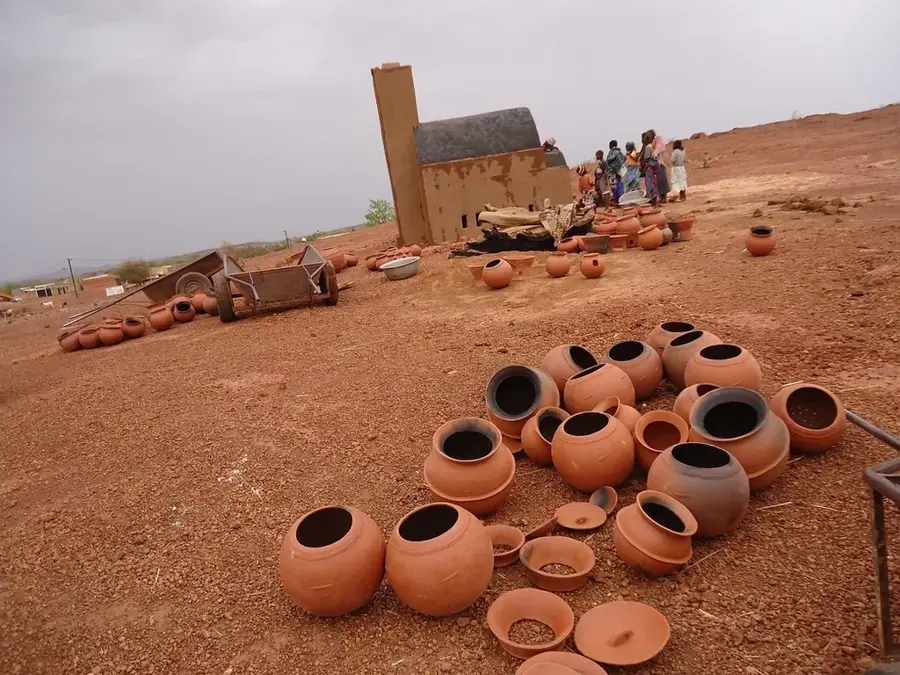
Small wooden carvings or leather items can be found in the commercial center.
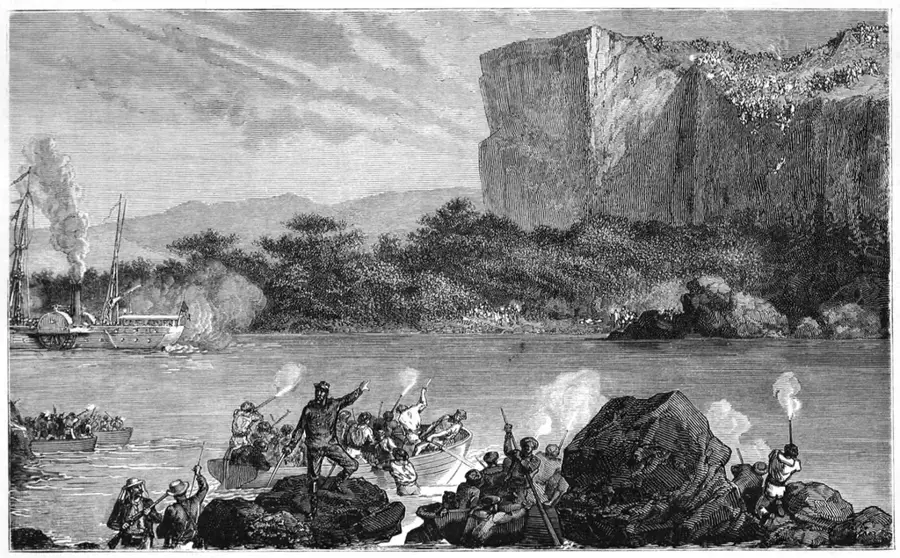
A short distance from the city, these historic waterfalls offer a scenic and relatively peaceful escape.
Explore the ruins of this historic French fort just outside the city for a quiet historical walk.
Water temperature…
Kayes, the capital of Mali's first administrative region, is situated on the banks of the Senegal River in the western part of the country. Founded by the French in 1881 as a strategic military and trading post, it served as the first capital of French Sudan from 1892 to 1899. Often referred to as the 'pressure cooker of Africa,' Kayes is renowned for being one of the hottest inhabited places on the continent due to its location in a valley surrounded by iron-rich mountains. The completion of the Dakar-Niger railway in 1904 transformed the city into a major transport hub linking the African interior to the Atlantic coast. The city's landscape is dotted with colonial-era architecture, most notably its railway station and various administrative buildings. In the modern era, Kayes remains a critical gateway for trade with Senegal and a central logistics point for the region's expanding gold mining operations. Despite its extreme environmental conditions, the city continues to play a vital role in Mali's national economy and regional cross-border commerce.
- Location: Mali
- Population: ~194.716 (2026)
Best time to visit & climate
The most pleasant time to visit is Jan, Nov, Dec.
| Jan | Feb | Mar | Apr | May | Jun | Jul | Aug | Sep | Oct | Nov | Dec | |
|---|---|---|---|---|---|---|---|---|---|---|---|---|
| Avg °C | 24 | 28 | 31 | 34 | 36 | 33 | 29 | 28 | 28 | 28 | 27 | 25 |
| Rain mm | 1 | 0 | 1 | 1 | 13 | 65 | 166 | 250 | 171 | 39 | 2 | 0 |
Geography
Facts
- Kayes served as the capital of French Sudan between 1892 and 1899.
- The city is frequently cited as the hottest inhabited place in Africa.
- The Dakar-Niger railway reached Kayes in 1904, boosting its regional trade.
- It is the capital of the first administrative region of Mali.
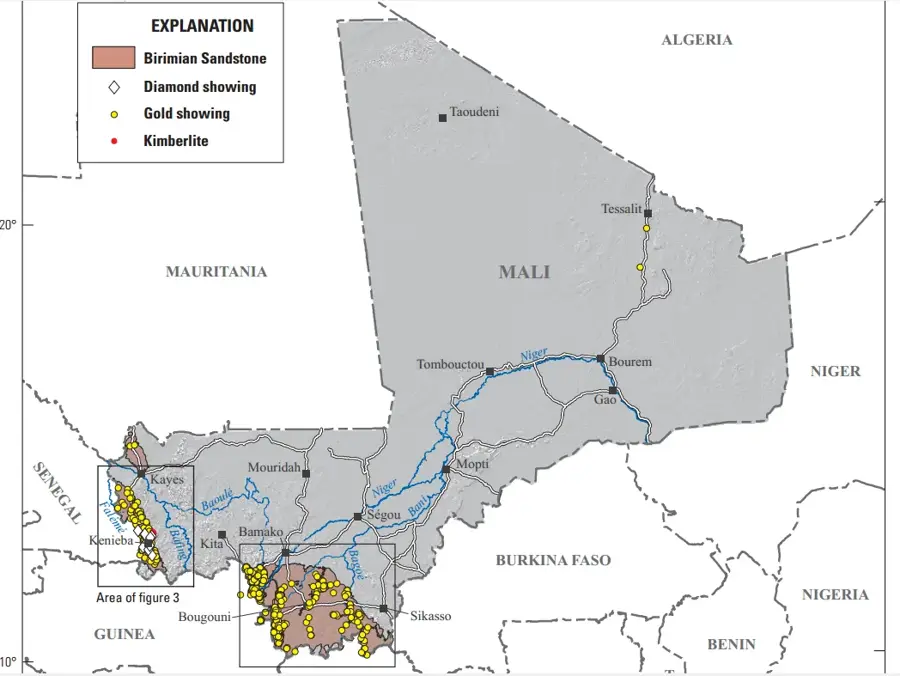
- The surrounding area is rich in gold deposits, driving the local economy.
- The city's name originates from the Soninke word for a low-lying, flooded area.
Explore nearby
Notable places around


Route planner — Car & Motorhome
Where do you start? We build the route here, with stops and country notes along the way.
© OpenStreetMap contributors · OpenRouteService
Sights in the town Kayes (1)
Frequently asked questions
How many days should I plan for Kayes?
When is the best time to visit Kayes?
What is the best way to get to Kayes?
What local specialties should I try?
Is Kayes a family-friendly destination?
Kayes: where is it located?
Kayes: when is the best time to visit?
Kayes: why is it worth visiting?

Nearby cities
History & landmarks
More places