Plizio Visual Lab

Trakai Historical National Park
Plizio editorial teamData Sources
park
—°10
Trakai Historical National Park (Lithuania)

Weather…

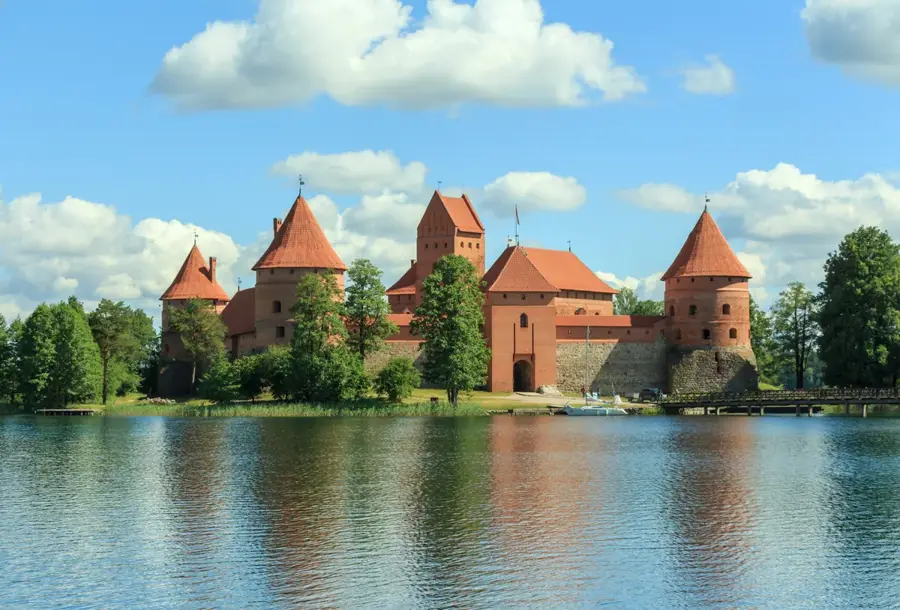
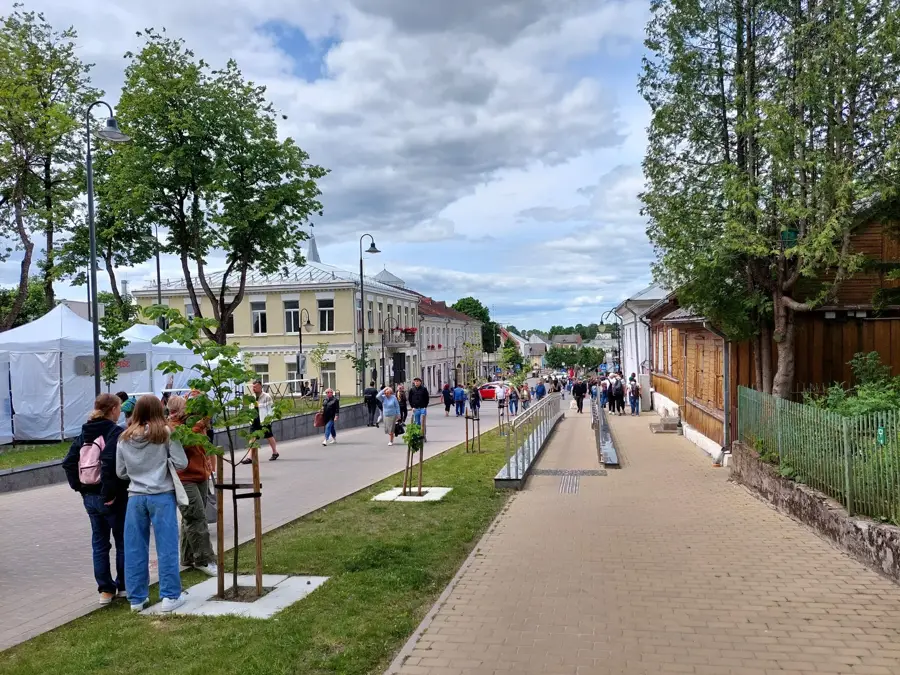
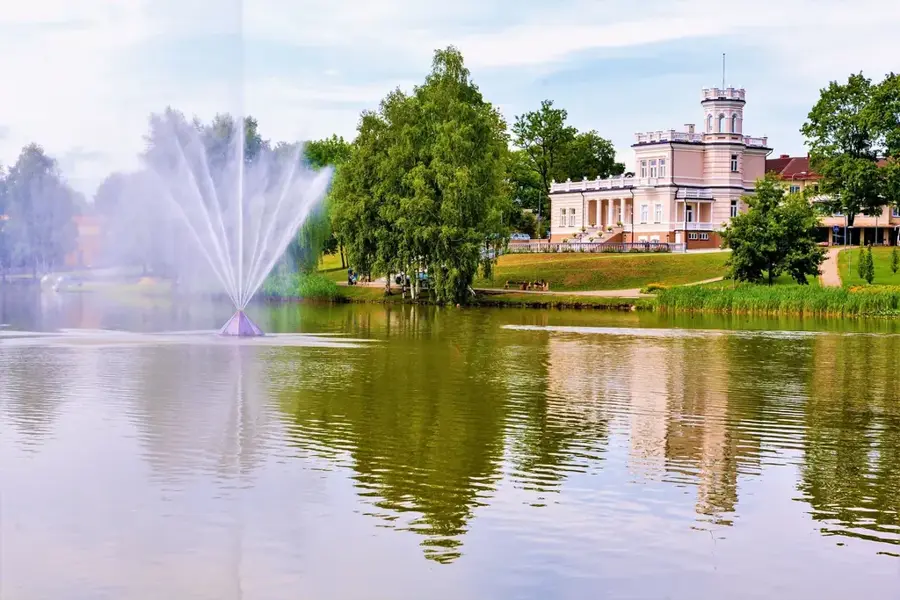
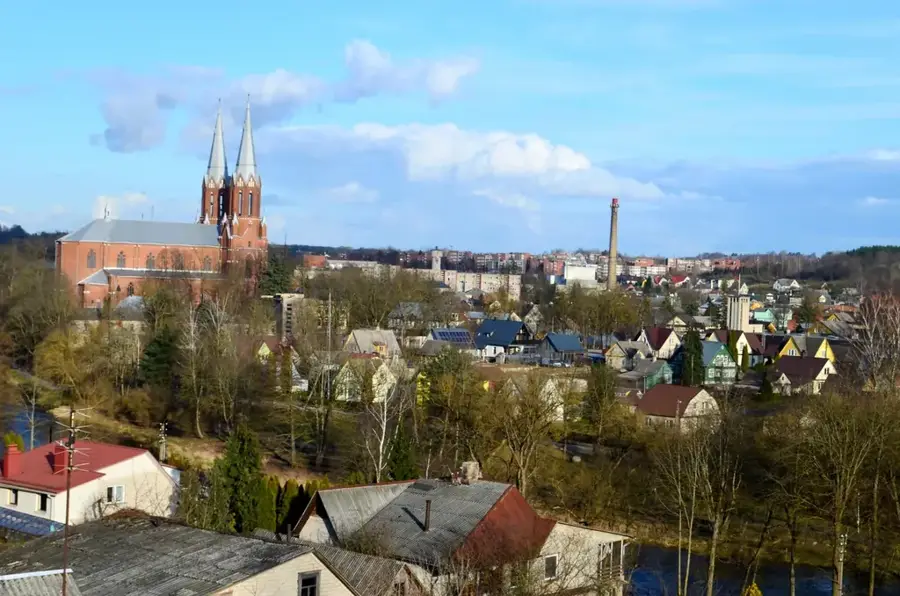
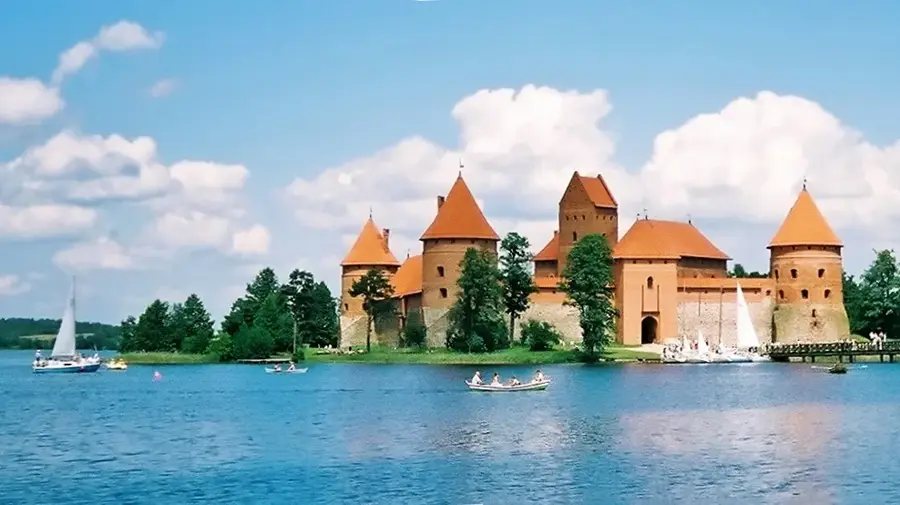
Established in 1991, the Trakai Historical National Park holds the unique distinction of being the only national park in Europe dedicated primarily to the preservation of both a historical urban center and its surrounding natural environment. Located near Vilnius, it encompasses the ancient Lithuanian capital of Trakai. The park's landscape is defined by an intricate network of 32 lakes, the most prominent being Lake Galvė, which surrounds the iconic 14th-century red-brick Trakai Island Castle. These extensive water bodies, along with adjacent wetlands and forests, are crucial habitats for a diverse array of waterfowl, supporting nesting populations of rare duck and grebe species. Furthermore, Trakai is a melting pot of cultures, most notably home to the Karaite community. Brought to the region by Grand Duke Vytautas in the late 14th century, this Turkic ethnic group has left a lasting legacy visible in the town's distinctive three-windowed wooden houses and unique local cuisine.

Best time to visit & climate

The most pleasant time to visit is Jun–Aug.

JanFebMarAprMayJunJulAugSepOctNovDec
Avg °C-6-506131619181362-3
Rain mm5443454671771008454685655

📋 Practical info

🧭
Getting there
This deeply historical national park is excellently accessible from the capital city of Vilnius by both regional train and private car, making it a highly popular and straightforward destination for all independent travelers.
📅
Best season
The park is a truly fantastic year-round destination. The warm summer months are typically strongly preferred for boating on the clear lakes, while the frosty winter provides visitors with exceptionally unique snowy landscapes.
⛰️
Terrain & paths
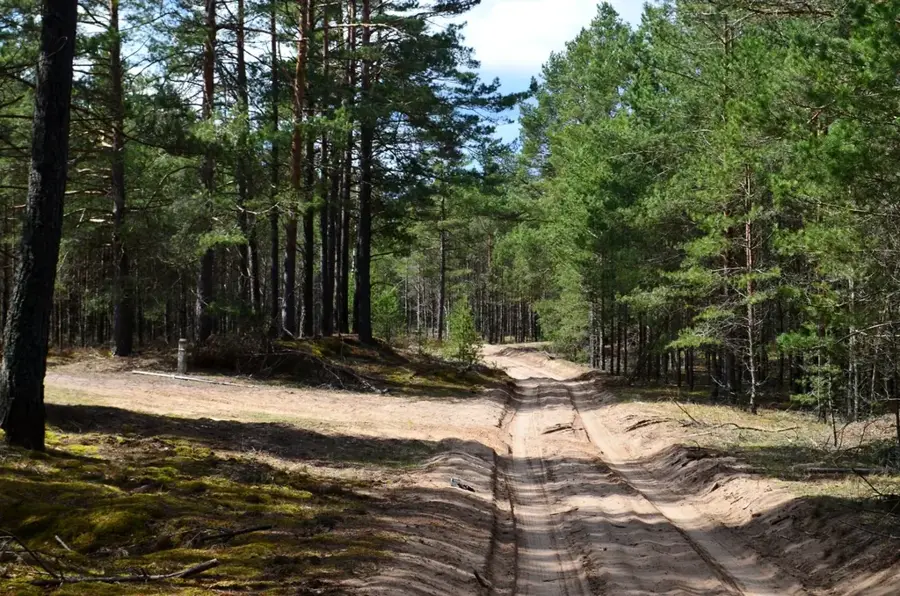
Visitors will primarily encounter flat, meticulously maintained lakeside paths and gently rolling forested trails throughout the extensive grounds, rendering the park highly suitable for leisurely walks and highly accessible explorations.
🎒
What to bring
Comfortable walking or light hiking shoes are highly recommended for comfortably navigating the extensive trail network. Additionally, bringing a good pair of binoculars will greatly enhance your chances of spotting rare protected waterfowl.
🅿️
Parking
Multiple large, paid parking lots are typically available throughout the adjacent town of Trakai, though experience dictates that they can reach their maximum parking capacity exceedingly quickly during peak hot summer weekends.
⚠️
Safety
Standard, sensible outdoor safety precautions strictly apply here. When walking leisurely near the water edges, simply stay on the officially designated paths and always be highly mindful of your footing on occasionally damp wooden boardwalks.
⏱️
Time needed
Thoroughly exploring the rich natural forest ecosystems and the numerous historical trails within this expansive park usually takes anywhere from a generous half-day to a full relaxing day, largely depending on your preferred outdoor activities.

Geography

Coordinates
54.64000, 24.93000

Explore nearby

Notable places around

Route planner — Car & Motorhome

Where do you start? We build the route here, with stops and country notes along the way.

Vehicle
Only stops with (optional):

© OpenStreetMap contributors · OpenRouteService

Sights in the town Trakai Historical National Park (10)

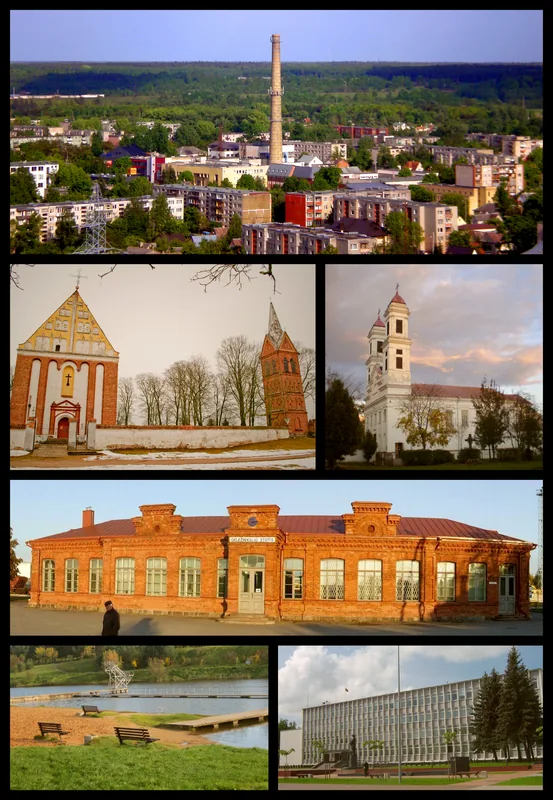
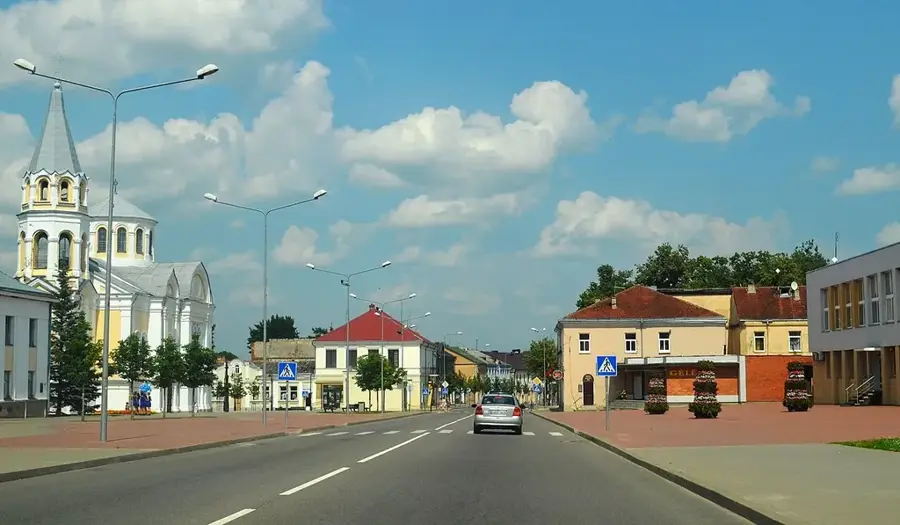
Trakai Orthodox Church of the Nativity of the Most Blessed Virgin Mary

Orthodox church in Trakai, place of worship for the local Orthodox community.

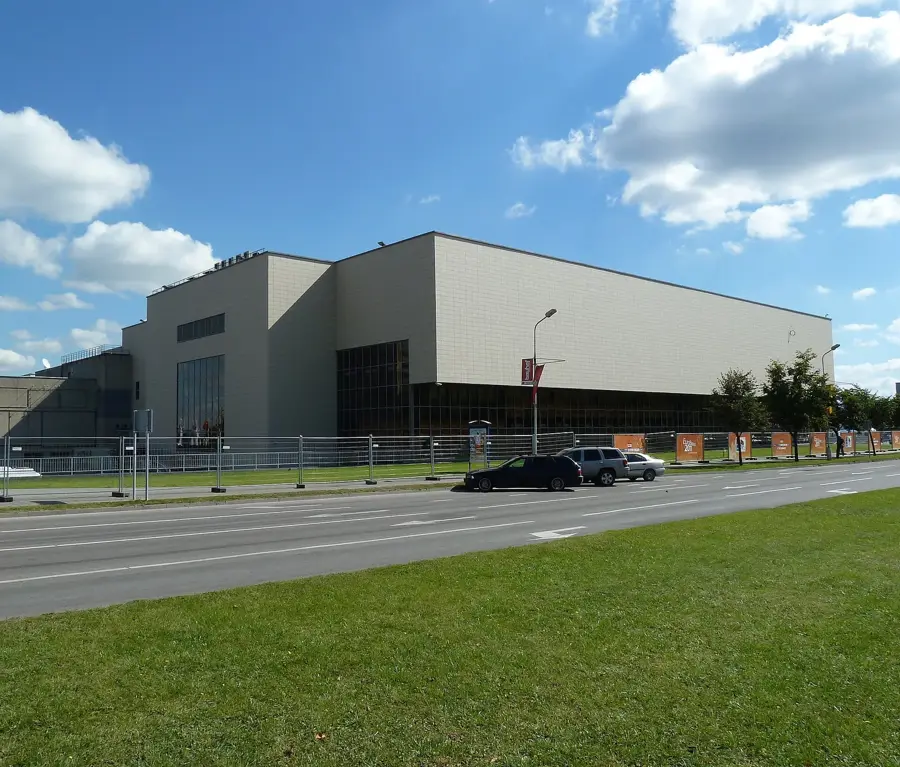
Trakų rajono kultūros namai

Culture house in Trakai, venue for cultural events.

Trakai Basilica of the Visitation of the Blessed Virgin Mary

Church in Trakai, a 15th-century Catholic basilica.

Fojė

Gallery in Trakai, featuring temporary art exhibitions.

🕒 Th-Su 12:00-18:00

Chocolate sculpture museum🏛 museum

Museum in Trakai, displaying sculptures made of chocolate.

Bernardine monastery fragments

Remains of a Bernardine monastery in Trakai, ruins.

Trakai History Museum🏛 museum

Museum in Trakai about the history of the town and region.

Exhibition of Sacral Art🏛 museum

Museum in Trakai with sacral art works from the area.

Trakai Castle panorama

Viewpoint in Trakai, overlooking the castle and Lake Galvė.

Sights nearby

Frequently asked questions

When was the island castle built?
Construction began in the 14th century under Grand Duke Kęstutis and was completed by Vytautas.
How far is Trakai from Vilnius?
About 28 km, easily reachable by train, bus, or car in 30-40 minutes.
Who are the Karaims?
A Turkic-speaking minority brought from Crimea by Vytautas; famous for their pastries (Kybyn).
Can you rent boats?
Yes, on Lake Galvė you can rent pedal boats, rowboats, and even sailing yachts.
Are there winter activities?
When the lake freezes, ice skating is popular; the castle remains open year-round.
Trakai Historical National Park: where is it located?
Trakai Historical National Park is located in Lithuania.
Trakai Historical National Park: what is there to see?
Highlights include Trakai Orthodox Church of the Nativity of the Most Blessed Virgin Mary, Buvusi smuklė, Trakų rajono kultūros namai.
Trakai Historical National Park: when is the best time to visit?
The most pleasant time to visit is Jun, Aug.
Trakai Historical National Park: why is it worth visiting?

Established in 1991, the Trakai Historical National Park holds the unique distinction of being the only national park in Europe dedicated primarily to the preservation of both a historical urban center and its surrounding natural environment.
View on map → The Top 50 Attractions → OpenStreetMap →
Europe
Explore with Plizio Discover more places in Europe
More places in Lithuania →

Nearby cities

History & landmarks