Plizio Visual Lab

Dzūkija National Park

Plizio editorial teamData Sources
park
—°6
Dzūkija National Park (Lithuania)

Weather…

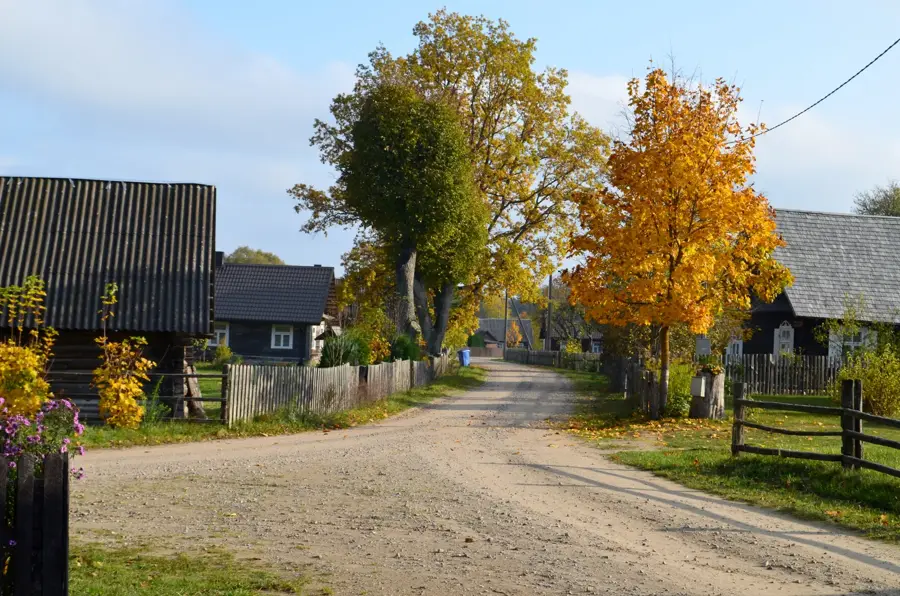
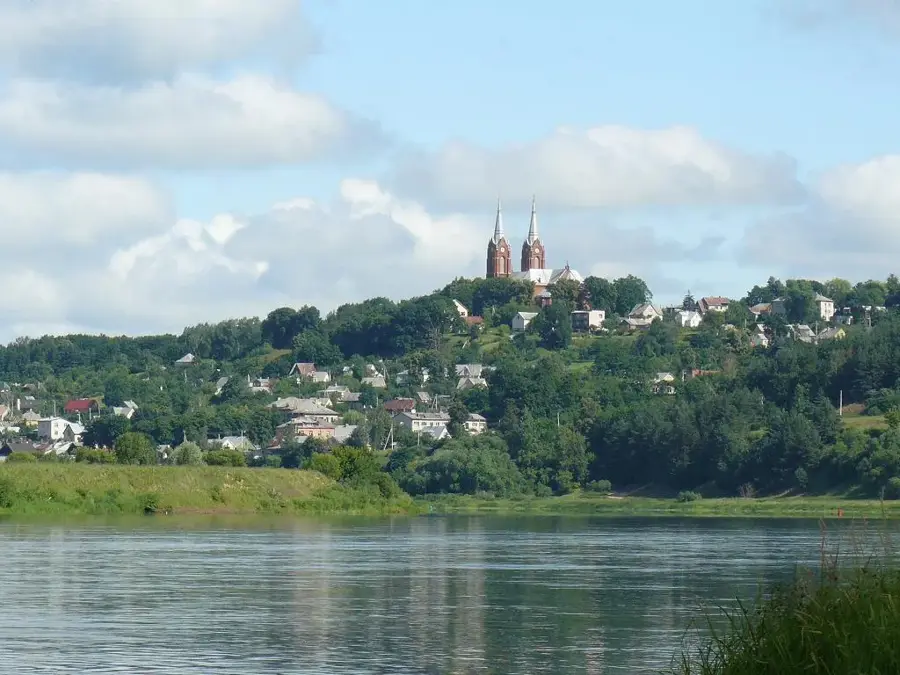
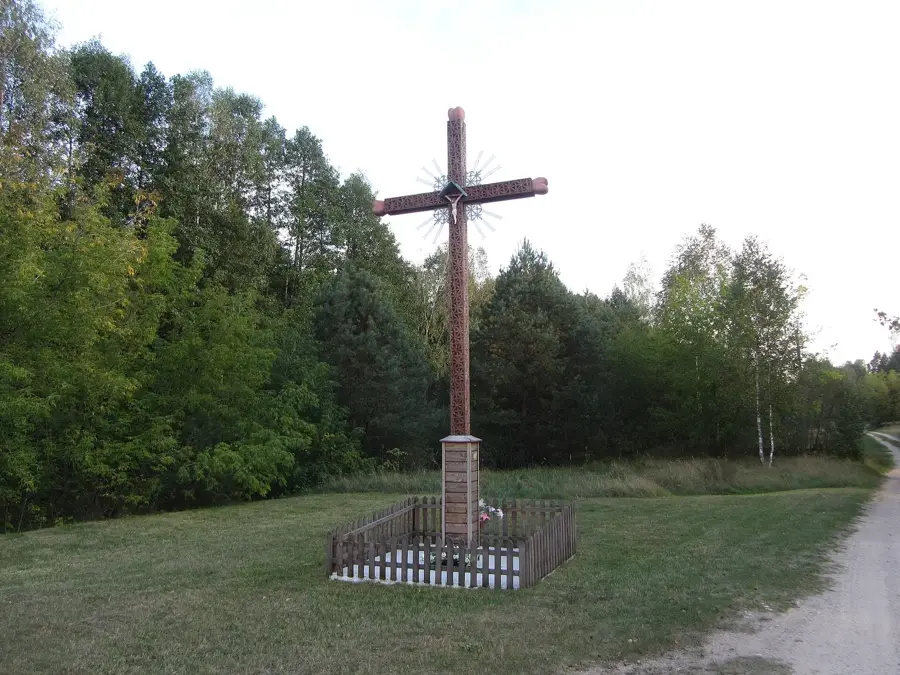
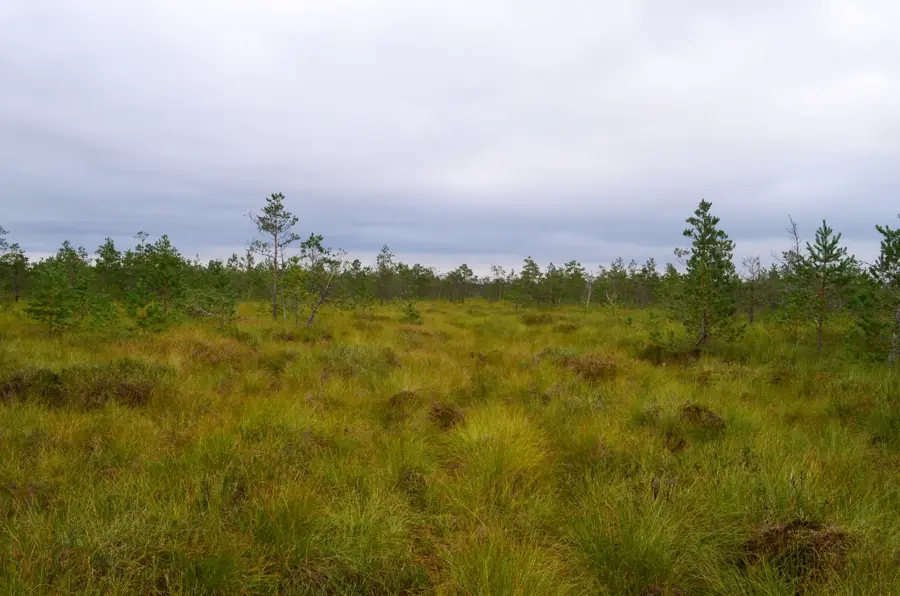
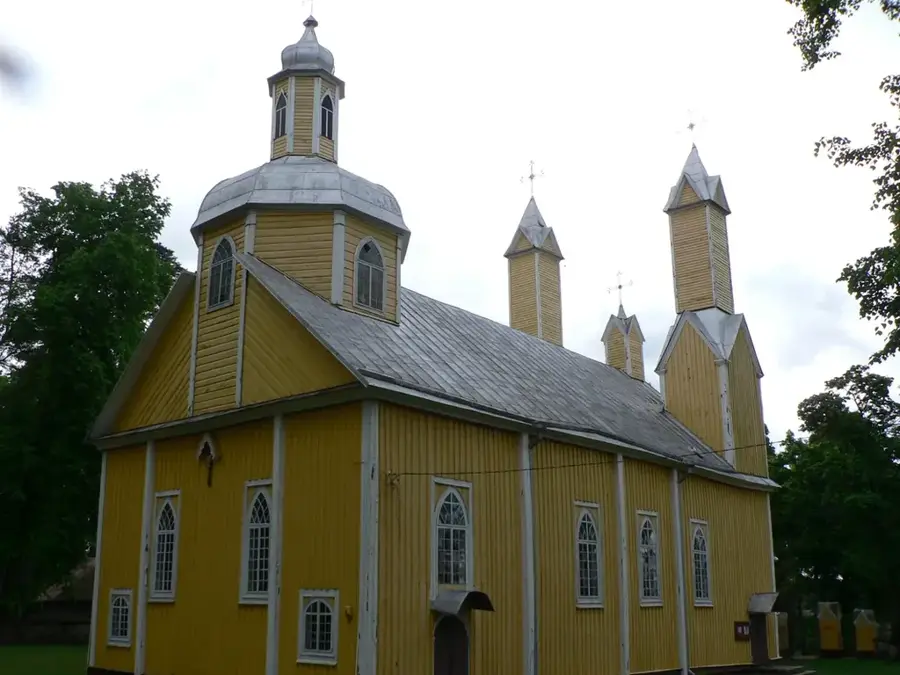
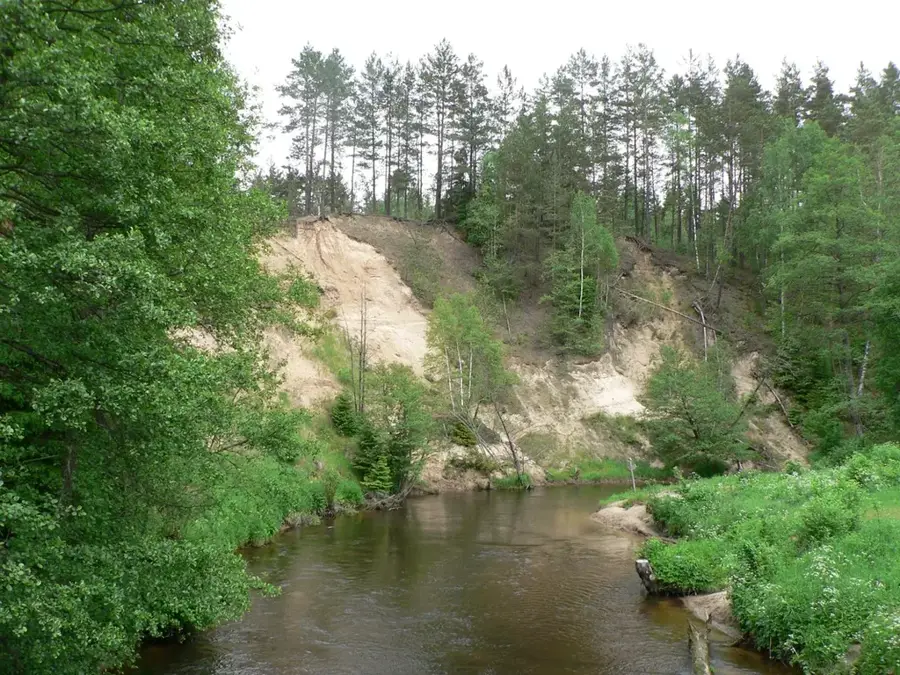
Established in 1991, Dzūkija National Park is located in the southern part of Lithuania and is the country's largest protected area, sprawling across approximately 585 square kilometers. The landscape is heavily influenced by the Nemunas and Merkys river systems, which have carved deep valleys through the sandy terrain. A prominent feature of the park is its extensive inland continental dunes, which are covered by vast, airy pine forests. These forests blanket about 91 percent of the park and are highly valued for their rich yields of wild mushrooms and berries, the foraging of which is a deep-rooted local tradition. The pristine environment supports a diverse array of wildlife, including wolves, Eurasian lynxes, and hazel grouse. The park also preserves the region's cultural heritage in ethnographic villages like Zervynos and Marcinkonys, where traditional wooden architecture remains intact. Additionally, the ancient craft of tree-hollow beekeeping is still practiced in parts of the park.

Best time to visit & climate

The most pleasant time to visit is Jun–Aug.

JanFebMarAprMayJunJulAugSepOctNovDec
Avg °C-6-507131719181372-3
Rain mm504043447075937853635352

📋 Practical info

🧭
Getting there
The main entrances are typically reachable by well-maintained regional roads, often featuring an official visitor center. Signage from the nearest major highways usually guides travelers directly to the central hubs.
📅
Best season
The warmer months from May to September provide the most reliable conditions for hiking and outdoor activities. Spring features blooming flora, while autumn is favored for its spectacular display of changing leaves.
⛰️
Terrain & paths
The protected area encompasses a diverse mix of maintained wooden boardwalks, natural forest trails, and occasional sandy stretches. Some routes feature moderate elevation changes suitable for general fitness levels.
🎒
What to bring
Comfortable hiking boots are strongly advised for walking the unpaved natural sections of the park. Bring sufficient drinking water, reliable insect repellent, and layered clothing to adapt to changing woodland weather.
🅿️
Parking
Official parking areas are generally situated near the visitor centers or the starts of prominent educational trails. These designated lots provide the safest and most convenient spots to leave your vehicle securely.
⚠️
Safety
Visitors should strictly remain on marked trails to protect sensitive flora and avoid getting lost in dense areas. Be aware of local wildlife, carry a charged mobile phone, and follow all posted park regulations.
⏱️
Time needed
Most visitors spend between three hours and a full day exploring the various walking paths and natural exhibits. The exact duration highly depends on how many different trails or viewpoints you plan to cover.

Geography

Coordinates
54.06390, 24.38330

Explore nearby

Notable places around

Route planner — Car & Motorhome

Where do you start? We build the route here, with stops and country notes along the way.

Vehicle
Only stops with (optional):

© OpenStreetMap contributors · OpenRouteService

Sights in the town Dzūkija National Park (6)

Muziejus Čepkelių valstybiniame gamtiniame rezervate🏛 museum

A museum in the Čepkeliai State Nature Reserve in Dzūkija National Park.

🕒 Mo-Fr 8:00-17:00; Sa 8:00-15:45

Dzūkijos nacionalinio parko etnografinė sodyba-muziejus🏛 museum

An ethnographic museum in a traditional homestead in Dzūkija National Park.

🕒 Mo-Fr 8:00-17:00; Sa 8:00-15:45

Shooting-range mountain🌿 nature

Shooting-range mountain in Dzūkija National Park.
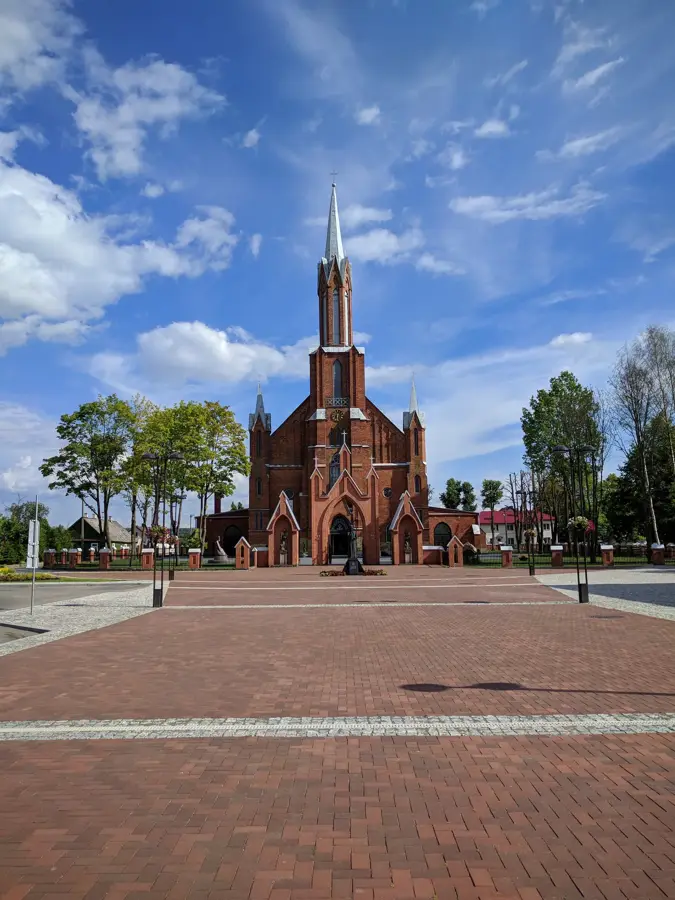
Dravės📍 landmark

Traditional tree hollows for beekeeping in Dzūkija National Park.
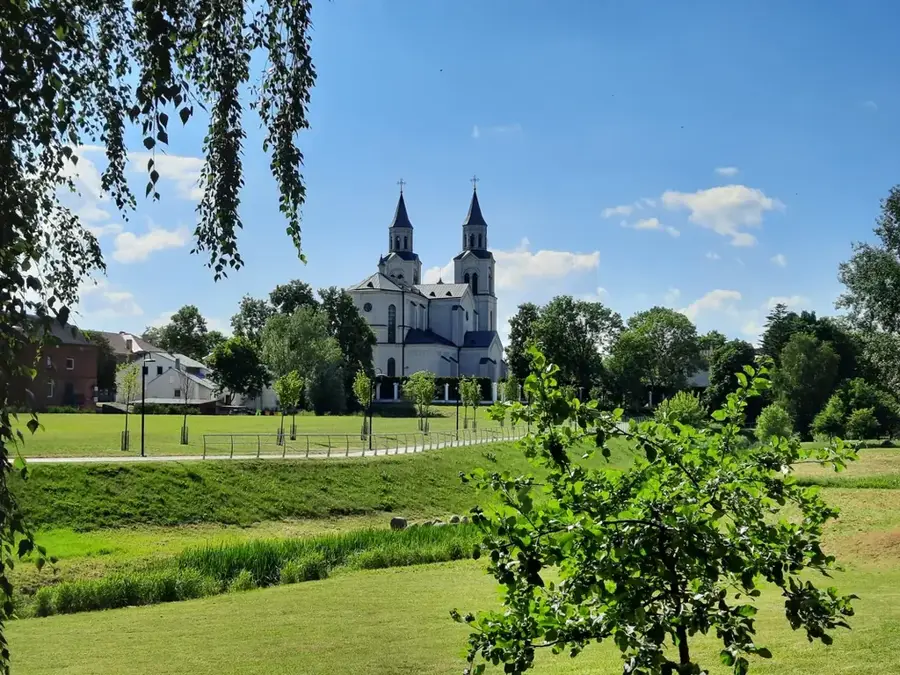
Kepimo pamokos📍 landmark

Baking lessons as a tourist attraction in the national park.

Sights nearby

Frequently asked questions

What is typical for this park?
Vast pine forests, inland sand dunes, and mushroom and berry picking.
Where is the best place to start?
The visitor center in Marcinkonys is a good starting point for hikes.
Are there traditional villages?
Yes, villages like Zervynos have preserved their original wooden architecture and lifestyle.
How large is the park?
It is the largest national park in Lithuania, covering over 55,000 hectares.
Which rivers flow here?
The rivers Merkys, Ūla, and Grūda offer great opportunities for canoeing.
Dzūkija National Park: where is it located?
Dzūkija National Park is located in Lithuania.
Dzūkija National Park: what is there to see?
Highlights include Muziejus Čepkelių valstybiniame gamtiniame rezervate, Dzūkijos nacionalinio parko etnografinė sodyba-muziejus, Dziackagirio gamtinis pažintinis takas.
Dzūkija National Park: when is the best time to visit?
The most pleasant time to visit is Jun, Aug.
Dzūkija National Park: why is it worth visiting?
Established in 1991, Dzūkija National Park is located in the southern part of Lithuania and is the country's largest protected area, sprawling across approximately 585 square kilometers.
View on map → The Top 50 Attractions → OpenStreetMap →
Europe
Explore with Plizio Discover more places in Europe
More places in Lithuania →

Nearby cities

History & landmarks