Plizio Visual Lab

Litani Hydroelectric Plant
Plizio editorial teamData Sources
energy
—°3
Litani Hydroelectric Plant (Lebanon)

Weather…

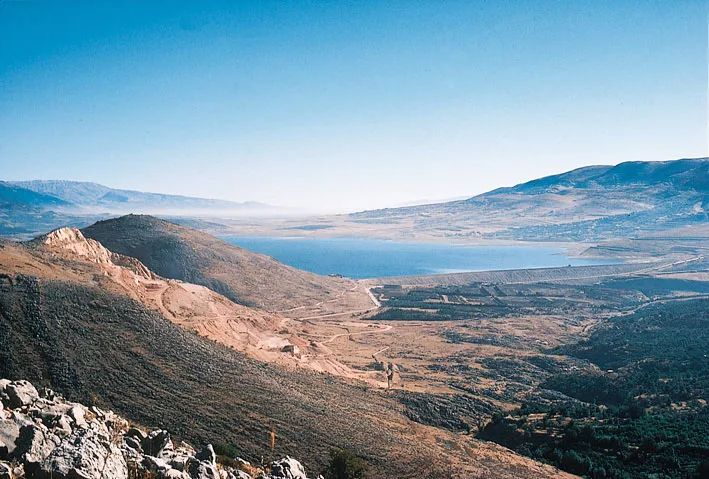
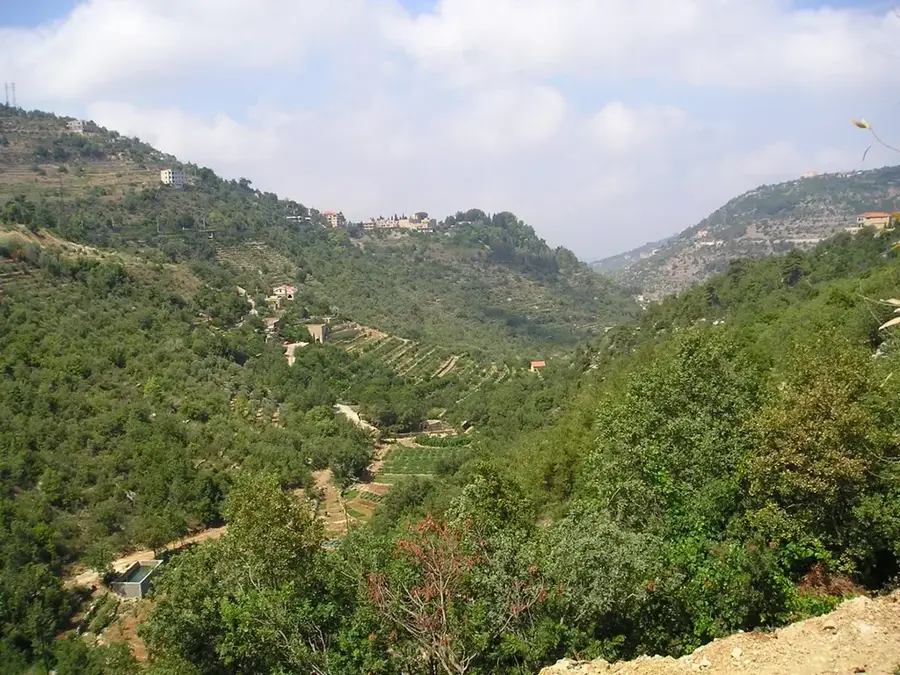
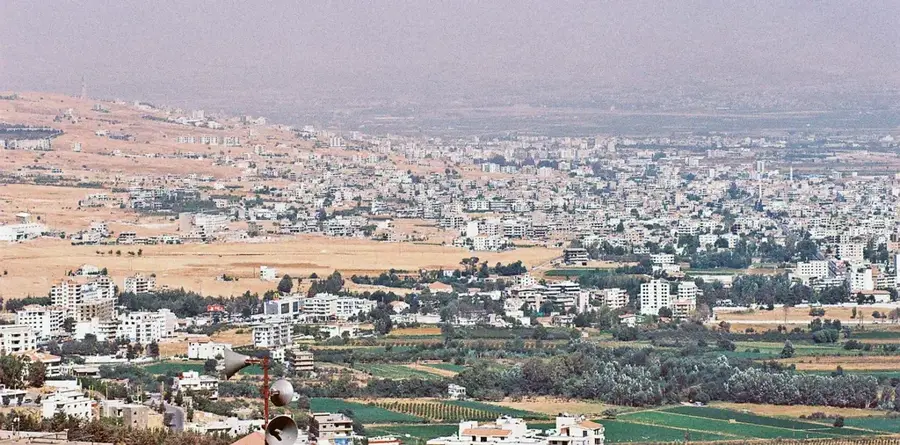
The hydroelectric project on the Litani River is the most ambitious and successful infrastructure undertaking in Lebanon's history for the utilization of renewable energies. Conceived in the mid-20th century and made possible by the construction of the Qaroun Dam, the system comprises multiple power plant stages that together make a significant contribution to national electricity generation, completely independent of fossil fuel imports. Aside from energy production, the Litani project plays an indispensable role in the Lebanese agricultural sector. The controlled water flow from the massive Qaroun Reservoir enables the large-scale irrigation of fertile agricultural lands in the Bekaa Valley as well as in South Lebanon, thereby stabilizing crop yields and bolstering food security. Despite problems with water pollution in the Litani basin caused by untreated sewage, this mega-project remains a cornerstone of the national economy, maintaining both the country's agricultural productivity and its green energy capacity.

Best time to visit & climate

The most pleasant time to visit is May, Jun, Sep.

JanFebMarAprMayJunJulAugSepOctNovDec
Avg °C781114192325252319149
Rain mm9980392371003185083

📋 Practical info

🏭
What is this place?
The Litani Hydroelectric Plant at the Qaraoun Dam is Lebanon's largest facility for generating renewable energy. It plays a crucial role in the country's power grid while simultaneously managing water resources for widespread agricultural irrigation.
🚪
Visiting
Operational areas of the power plant are generally restricted to authorized personnel for security and safety reasons. However, the impressive dam structure and the vast artificial lake it creates can be admired from designated public perimeter zones.
👀
Where to view it
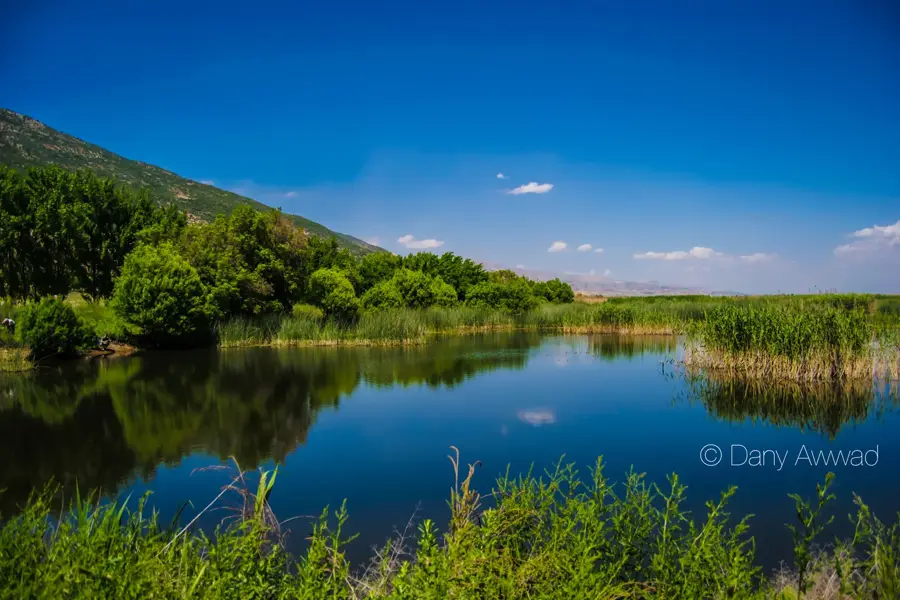
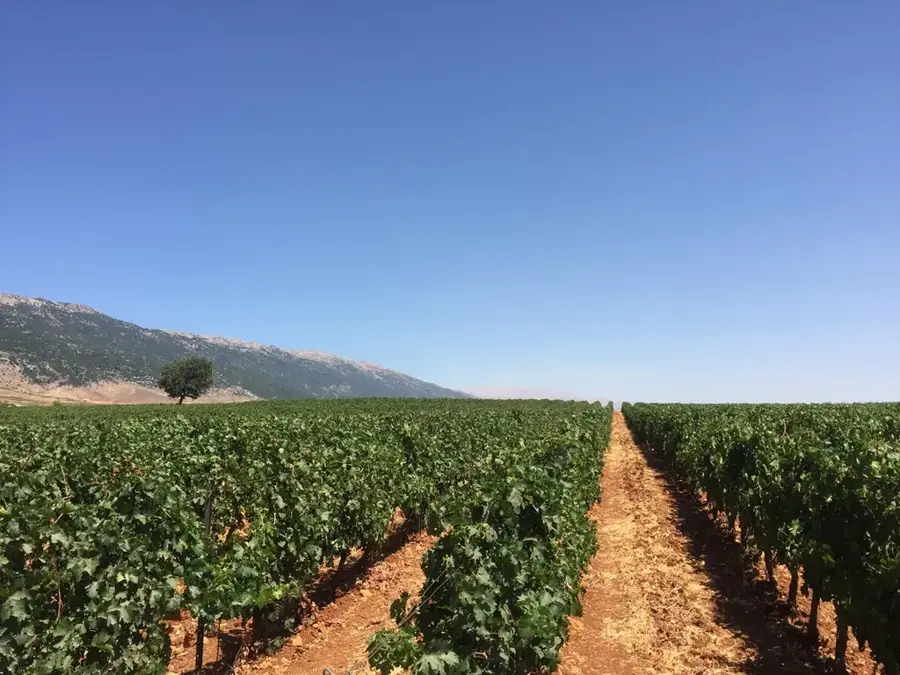
Excellent panoramic views of the concrete dam face and the shimmering Lake Qaraoun can be found along the surrounding valley roads. The shoreline has peaceful spots to observe the integration of heavy infrastructure within a natural landscape.
🧺
Local products
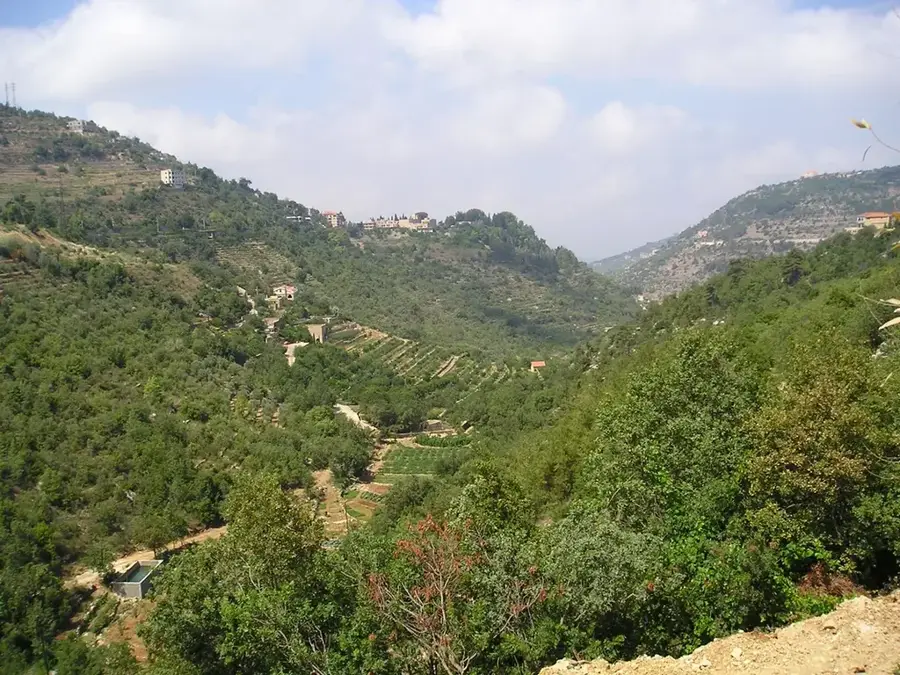
While the plant itself produces electricity, the surrounding agricultural areas nourished by its waters yield fresh Lebanese produce. Travelers may find seasonal fruits, vegetables, and regional honey sold by vendors in nearby villages.
📆
Active season
The dam is especially impressive during the spring melt season when the reservoir is at its fullest and water may cascade through the spillways. The area is also popular in summer for locals enjoying the cooler breeze around the lake.
Nearby
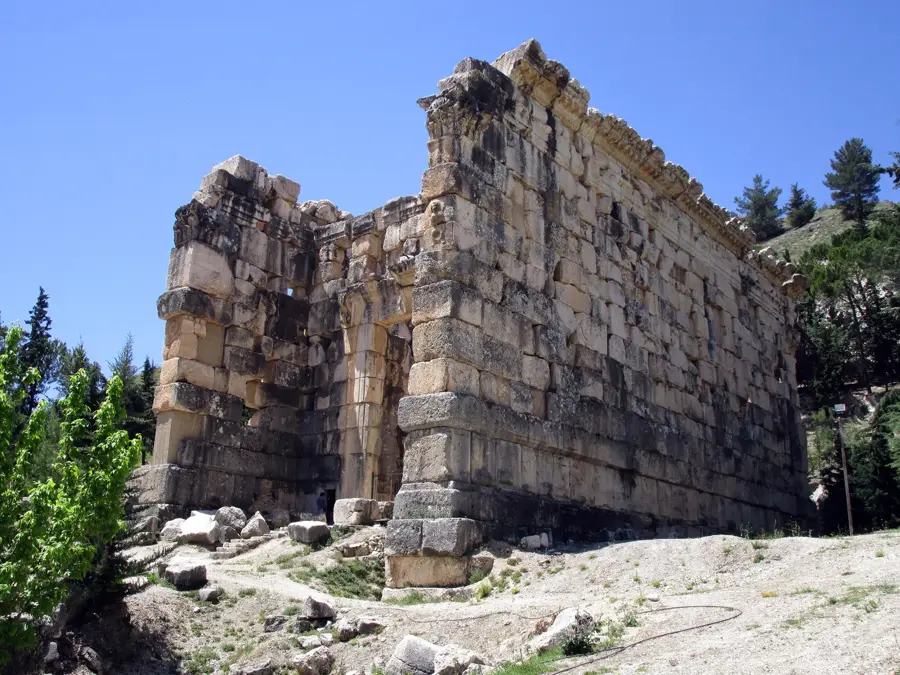
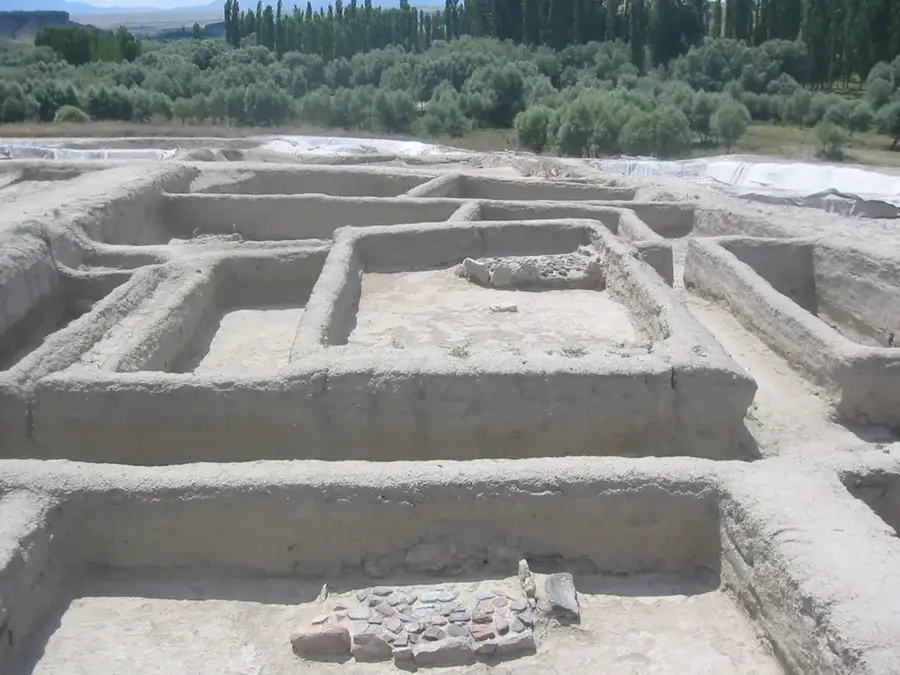
The site pairs wonderfully with an exploration of the fertile Bekaa Valley, known for its historic vineyards and Roman ruins at Baalbek. Visitors often combine the dam viewing with a hearty traditional meal in a nearby Lebanese mountain restaurant.

Geography

Coordinates
33.56700, 35.65100

Facts

  • Most important national producer of green hydroelectric power.
  • Reduces the country's reliance on costly oil imports.
  • Utilizes the water of the strategically important Qaroun Dam.
  • Essential for large-scale agricultural irrigation in the Bekaa Valley.
  • Considered Lebanon's largest historical infrastructure project.
  • Suffers from severe water pollution in the Litani River basin.

Explore nearby

Notable places around

Route planner — Car & Motorhome

Where do you start? We build the route here, with stops and country notes along the way.

Vehicle
Only stops with (optional):

© OpenStreetMap contributors · OpenRouteService

Sights in the town Litani Hydroelectric Plant (3)

Mar gerious church📍 landmark

A traditional Christian church dedicated to Saint George, located near the vital Litani River hydroelectric facilities.

knisit el sayde📍 landmark

A local Christian parish known as the Church of Our Lady, situated in the Litani River basin.

Lady of Annunciation Church📍 landmark

A beautifully constructed Christian place of worship near the Litani hydroelectric plant.

Sights nearby

Frequently asked questions

How does the Litani hydroelectric plant work?
It utilizes the water power of the Litani River through a system of tunnels and turbines to generate clean, renewable energy.
Which regions are supplied with electricity?
The facility primarily supplies villages in the Beqaa Valley and South Lebanon with cost-effective electricity.
Can the power plant be visited?
Interested parties can often visit the information center, while access to the generators is strictly controlled and mostly reserved for professionals.
What environmental benefits does it offer?
It is one of the few major sources of CO2-free energy in Lebanon, reducing dependence on fossil fuels.
What is the Litani River?
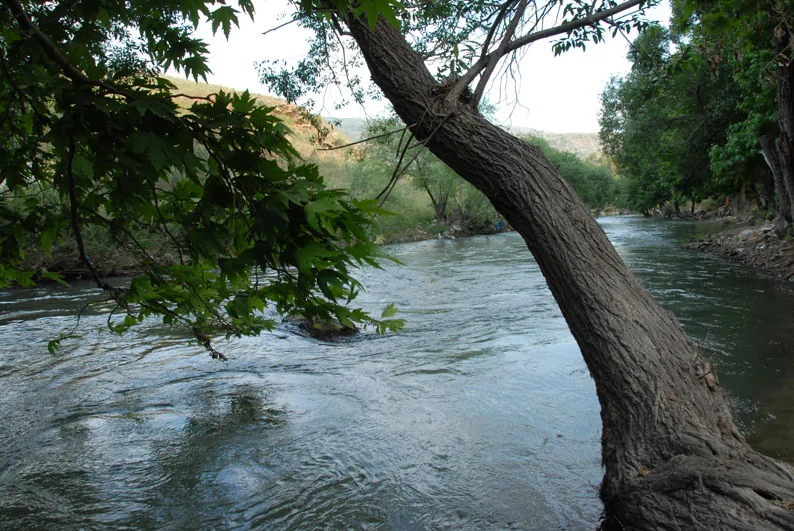
It is the longest river in Lebanon and the most important water source for agriculture and energy production in the country.
Litani Hydroelectric Plant: where is it located?
Litani Hydroelectric Plant is located in Lebanon.
Litani Hydroelectric Plant: what is there to see?
Highlights include Mar gerious church, knisit el sayde, Lady of Annunciation Church.
Litani Hydroelectric Plant: when is the best time to visit?
The most pleasant time to visit is May, Jun, Sep.
Litani Hydroelectric Plant: why is it worth visiting?

The hydroelectric project on the Litani River is the most ambitious and successful infrastructure undertaking in Lebanon's history for the utilization of renewable energies.
View on map → The Top 50 Attractions → OpenStreetMap →
Asia
Explore with Plizio Discover more places in Asia
More places in Lebanon →

Nearby cities

History & landmarks
More places