Plizio Visual Lab
Anjar
ℹ️Practical info — Anjar
▾
🌤 Weather — 5 days
📍 Nearby
Sights nearby
💡 Tips
- Visit the Umayyad ruins early in the morning or late afternoon to avoid the intense Beqaa Valley heat.
- Anjar is unique in Lebanon for its strong Armenian heritage, settled by refugees from Musa Dagh.
- Hire a local guide at the ruin entrance; signage is limited and their stories bring the history to life.
- Bring cash (Lebanese Lira or USD) as card payments are often unavailable in smaller shops.
🍽 Food
Look for traditional Armenian restaurants near the town center serving Sujuk and Basturma.
Try this traditional baked meat dumpling served with garlic yogurt at local eateries.
The surrounding Beqaa valley is fertile; grab fresh fruits from roadside stalls.
🛍 Shopping · 🧘 Quiet spots
Local Armenian artisans are known for their fine silver craftsmanship.
Check small grocery stores for authentic Armenian spices and traditional sweets.
The vast archaeological site has many quiet corners away from the main paths to sit and admire the ancient architecture.
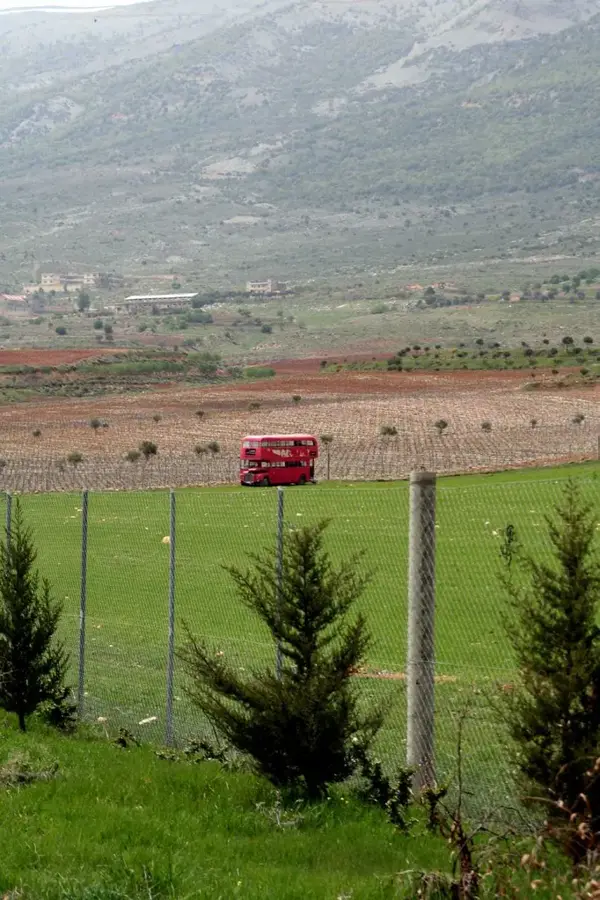
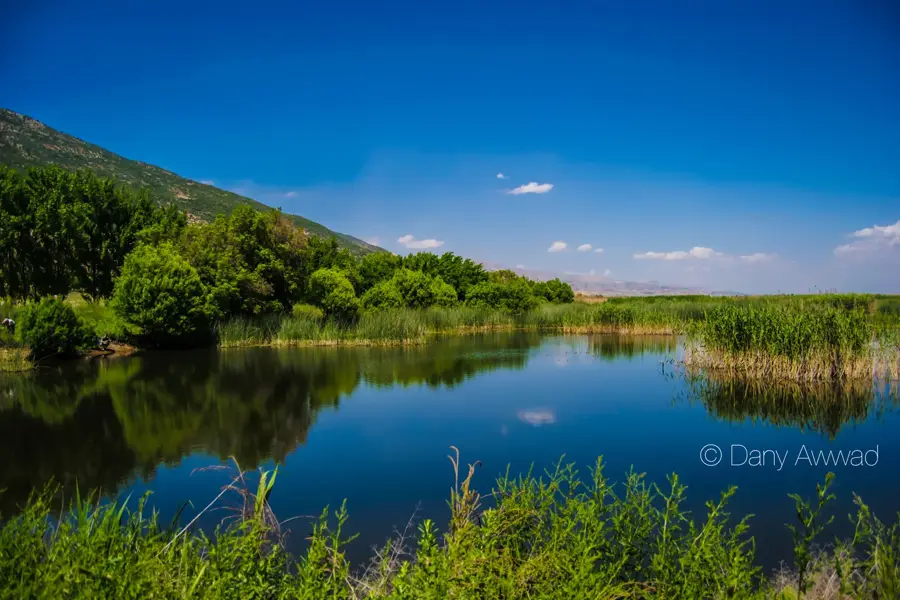
Walk along the edges of the town to see peaceful agricultural fields and apple orchards.
Water temperature…
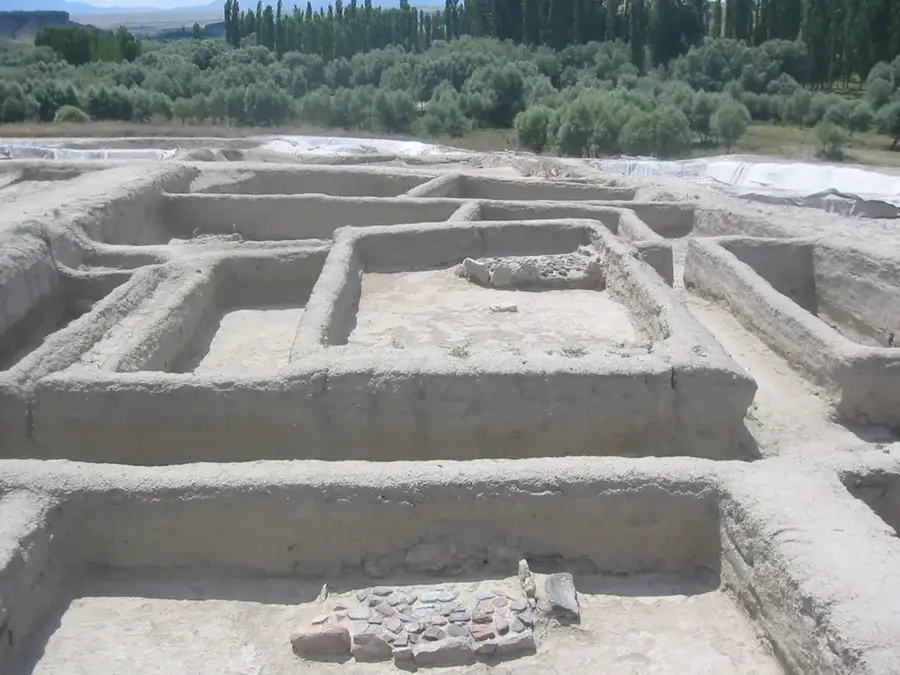
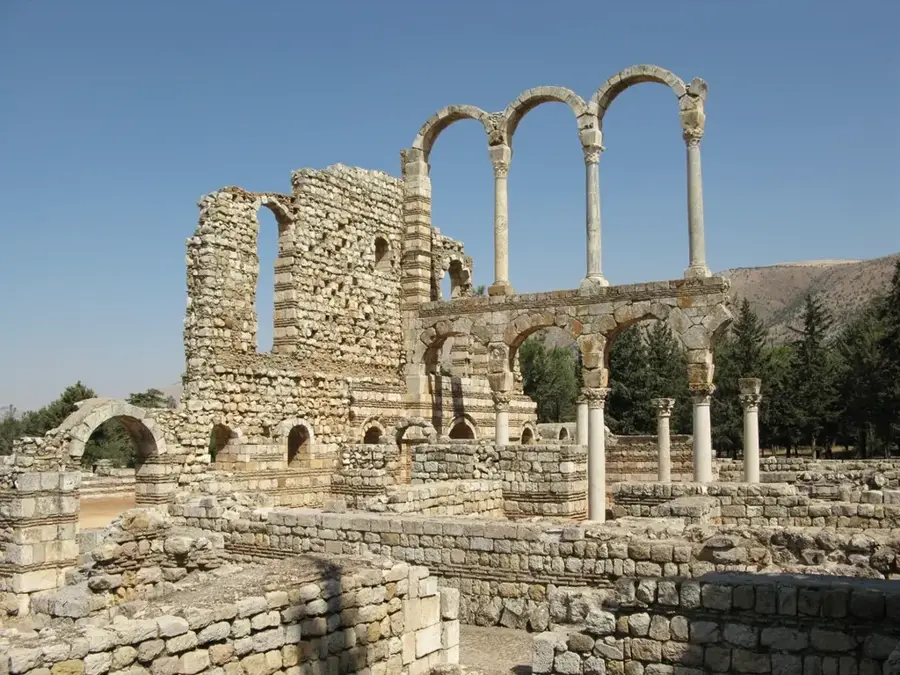
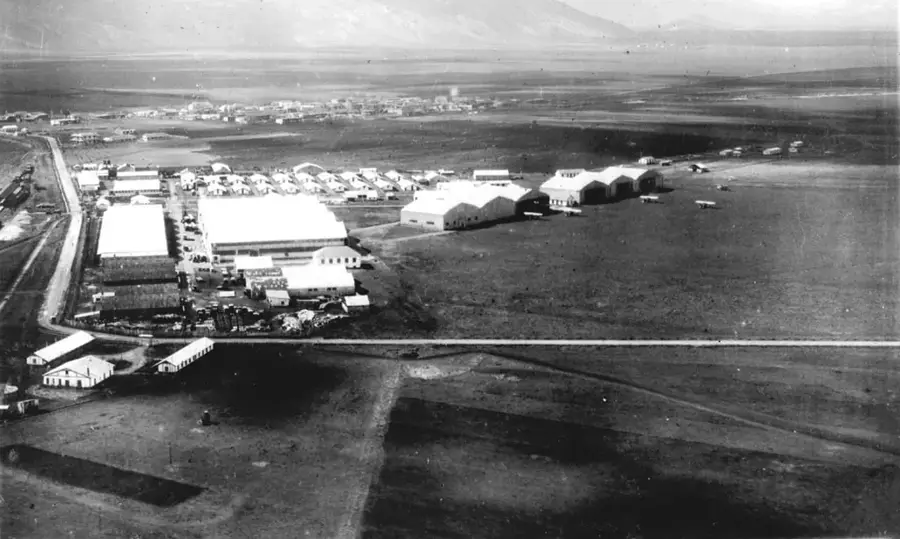
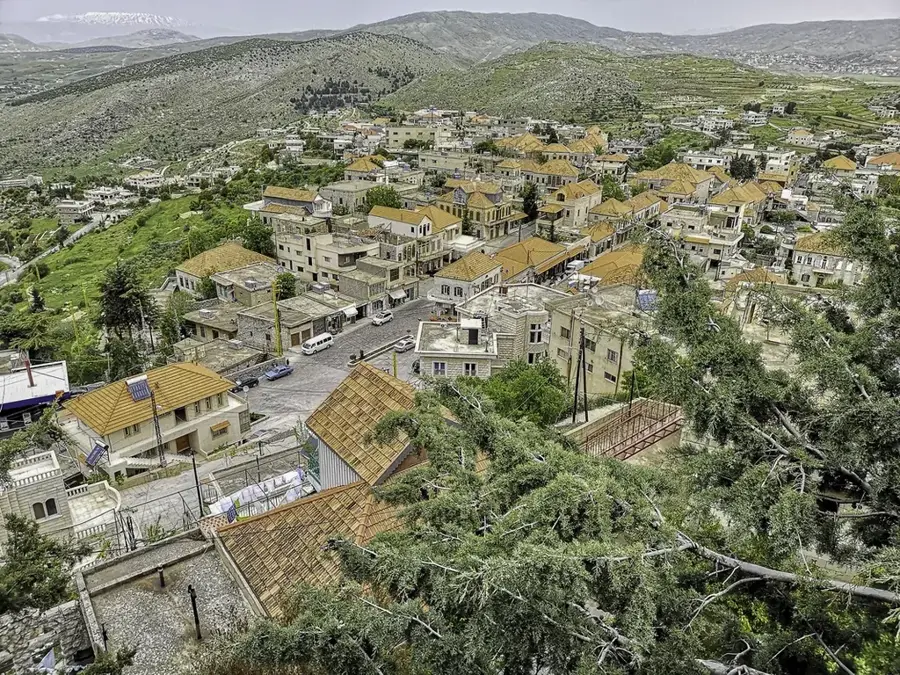
Anjar is a unique historical and cultural settlement in the Beqaa Valley, situated near the Syrian border. The city was founded during the Umayyad Caliphate in the early 8th century by Caliph Al-Walid I as a major commercial center, but it was abandoned after only a few decades. Uniquely, the ancient ruins reflect exclusively a single historical epoch, the Umayyad period, blending Roman urban planning with Byzantine architectural elements (such as alternating layers of stone and brick). The archaeological site has been a UNESCO World Heritage site since 1984. The population of modern Anjar is almost entirely of Armenian descent; the town was refounded in 1939 by Armenian refugees from Musa Dagh, who were resettled there by French authorities. Today, the town serves as an Armenian cultural hub, preserving its language and traditions, and is well known for its excellent Armenian restaurants and skilled jewelers.
- Location: Lebanon
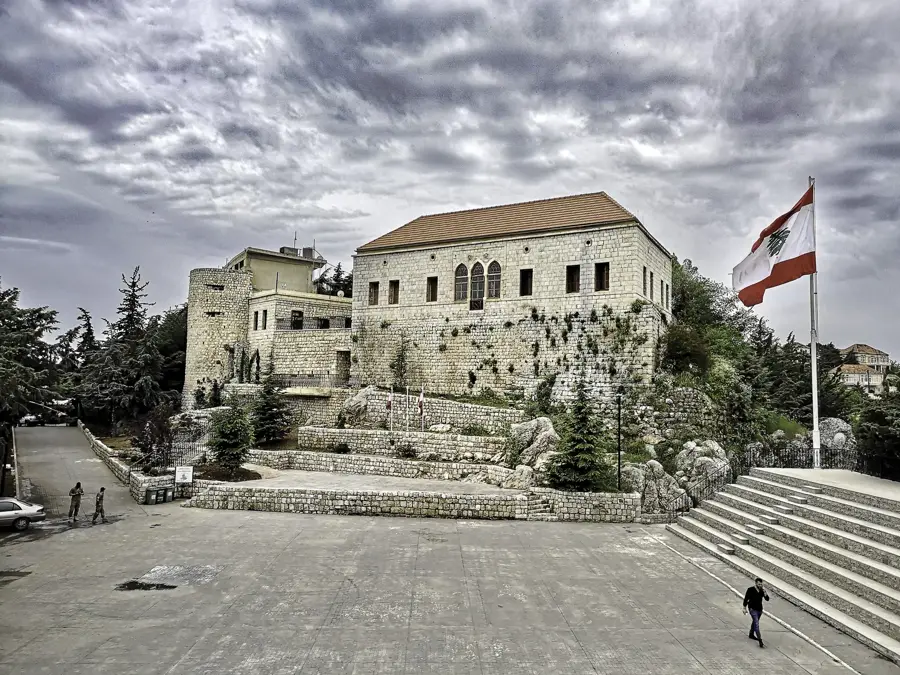
- Top sights: Boghos Snabian House Museum · Anjar · Beit Abdul Rahman
- Nearby: Zahlé (11 km)
- Population: ~2.400 (2026)
Best time to visit & climate
The most pleasant time to visit is May, Jun, Sep.
| Jan | Feb | Mar | Apr | May | Jun | Jul | Aug | Sep | Oct | Nov | Dec | |
|---|---|---|---|---|---|---|---|---|---|---|---|---|
| Avg °C | 5 | 6 | 10 | 14 | 19 | 24 | 26 | 26 | 23 | 19 | 11 | 7 |
| Rain mm | 69 | 57 | 29 | 18 | 7 | 1 | 0 | 0 | 2 | 13 | 35 | 57 |
Geography
Facts
- The original city was founded by the Umayyad Caliphate in the early 8th century.
- The ruin site exclusively showcases the architecture of the Umayyad era.
- The archaeological area of Anjar has been a UNESCO World Heritage site since 1984.
- The modern town was refounded in 1939 by Armenian refugees from Musa Dagh.
- Today, it is a crucial cultural center for the Armenian diaspora in Lebanon.
Explore nearby
Notable places around
Route planner — Car & Motorhome
Where do you start? We build the route here, with stops and country notes along the way.
© OpenStreetMap contributors · OpenRouteService
Sights in the town Anjar (4)
Frequently asked questions
What are the opening hours for Anjar ruins?
How much is the entrance fee for the Umayyad city?
What is special about the community in Anjar?
Are there restaurants near the ruins?
Are the ruins accessible?
Anjar: where is it located?
Anjar: what is there to see?
Anjar: when is the best time to visit?
Anjar: why is it worth visiting?

Nearby cities
History & landmarks
More places