Plizio Visual Lab

Roman Baths in Beirut
Plizio editorial teamData Sources
ruin
—°6
Roman Baths in Beirut (Lebanon)

Weather…

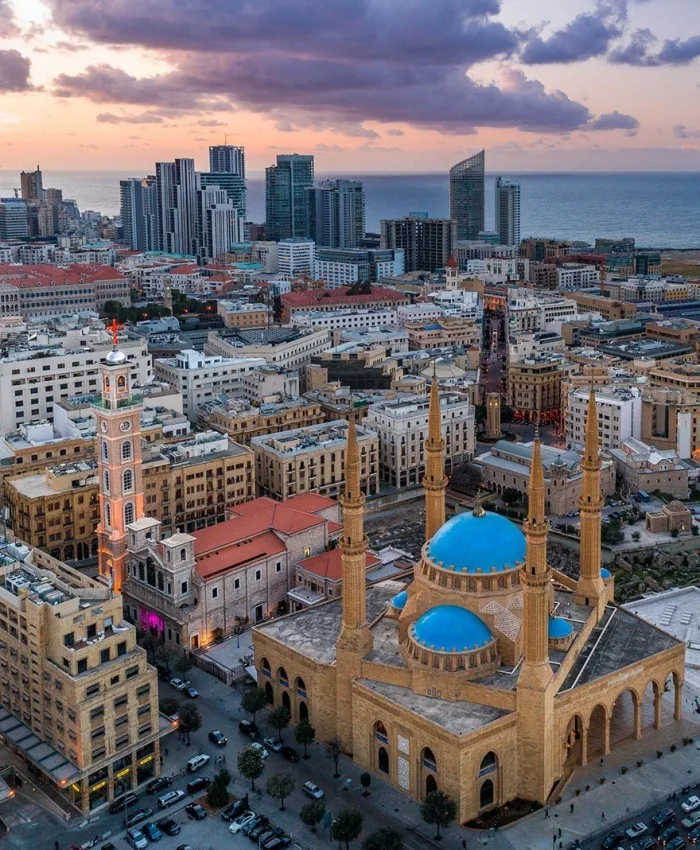
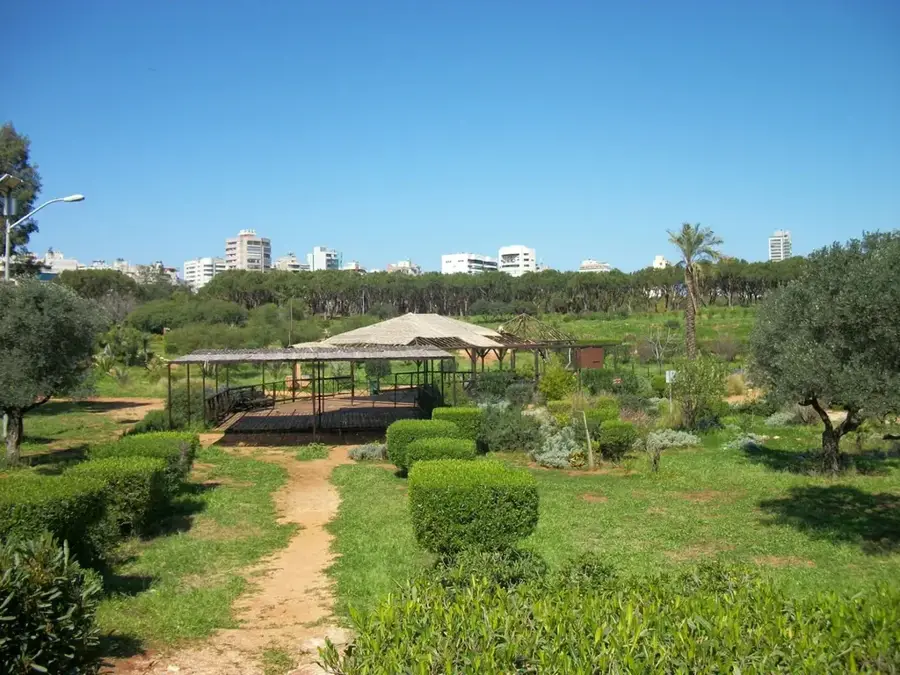
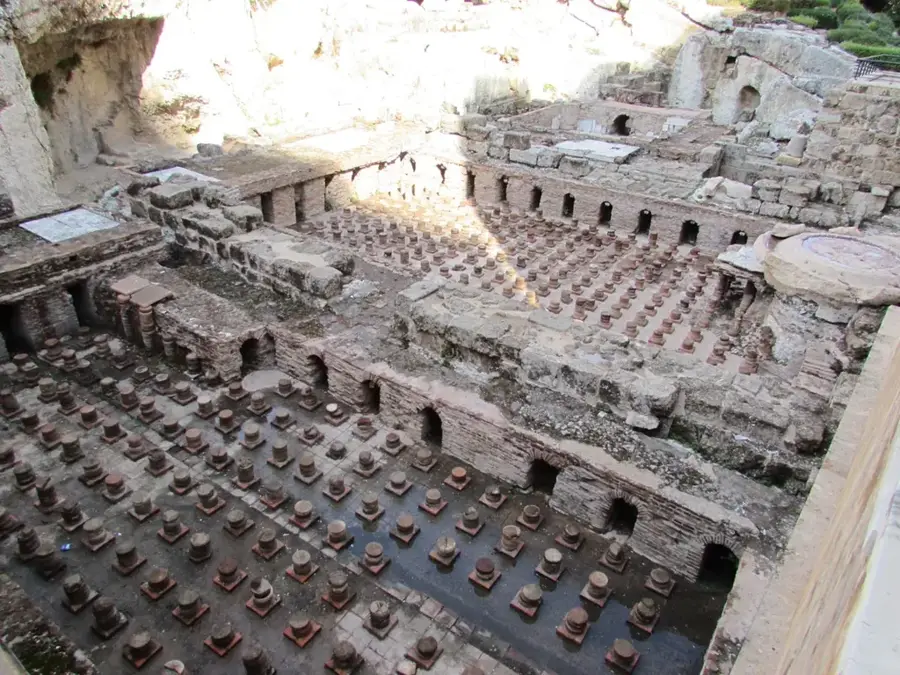
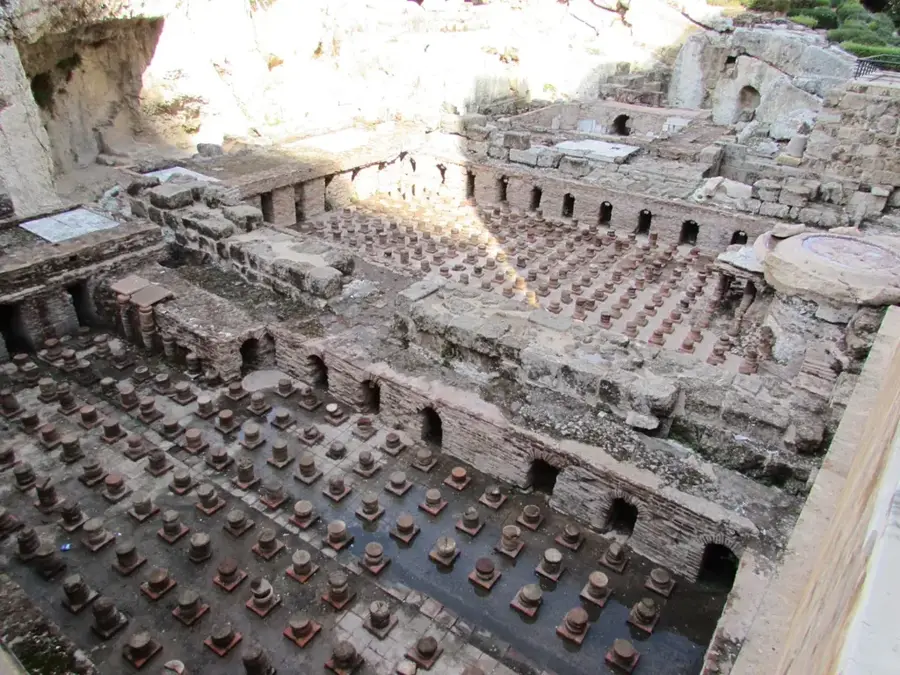
The remains of the Roman baths in Beirut (Berytus) were discovered in 1968 and then fully excavated following the Lebanese Civil War in the 1990s, right in the heart of the downtown area near the Grand Serail (government palace). The complex was built in the 1st century AD and was an important center of community life in the Roman city. Visitors followed the customary bathing route: from the frigidarium (cold pool) through the tepidarium (warm) to the caldarium (hot). The network of the hypocaust heating system is particularly visible; the brick pillars (pilae) supporting the floor still stand intact today. The baths were decorated with mosaics, marble paneling, and statues, fragments of which were moved to the National Museum. A Mediterranean garden has been created around the ruins, where concerts and outdoor events are held, making the ancient monument an integral part of the modern metropolis's life today.

Best time to visit & climate

The most pleasant time to visit is May, Jun, Oct.

JanFebMarAprMayJunJulAugSepOctNovDec
Avg °C111214172124262625221713
Rain mm11582432392015235696

📋 Practical info

🚪
Visiting
The ancient Roman Baths are an open-air archaeological site situated in the bustling city center, allowing visitors to walk around the preserved brick structures freely. You can easily view the impressive heating hypocaust system from the surrounding paved pathways.
🕒
Typical hours
As a public historical monument seamlessly integrated into the urban landscape, the site is generally accessible at all hours of the day and night. Visiting during daylight is best for seeing the details, but evening illumination adds a dramatic historical atmosphere.
📷
Photography
The contrast between the ancient Roman brickwork and the modern high-rise buildings of downtown Beirut creates a truly striking photographic opportunity. Capturing the terraced gardens alongside the ancient stone columns gives a beautiful and unique composition.
⏱️
Time needed
A comprehensive stroll around the perimeter and the nicely integrated landscaped gardens typically takes about twenty to thirty minutes for most casual visitors. It is a quick but highly rewarding historical stop that easily fits into a busy city sightseeing itinerary.
Combine with
This archaeological gem is situated right next to the Grand Serail and is just a short walk away from the animated Nejmeh Square and its iconic central clock tower. You can easily spend the rest of the day exploring the surrounding downtown district's shops and cafes.
🧭
Getting there
The baths are centrally located in Downtown Beirut and are easily accessible on foot if you are already exploring the city's beautifully restored historical core. Ride-sharing services and local taxis can drop you off nearby, as street parking can be quite challenging.
💡
Insider tip
Take a moment to read the informational plaques scattered around the site to fully understand how the sophisticated Roman floor heating system operated in antiquity. It is also a peaceful spot to sit on a nearby bench and enjoy a quiet break from the surrounding city noise.

Geography

Coordinates
33.89670, 35.50250

Facts

  • Water was transported to the baths through an extensive aqueduct network from the mountains.
  • Pieces of the building's lead pipes were also found during the excavations.
  • The ruins were built in a terraced arrangement, following the slope of the hill.
  • A palaestra (gymnasium) also operated next to the baths for physical exercise.
  • A devastating earthquake in 551 AD finally destroyed the complex.

Explore nearby

Notable places around

Route planner — Car & Motorhome

Where do you start? We build the route here, with stops and country notes along the way.

Vehicle
Only stops with (optional):

© OpenStreetMap contributors · OpenRouteService

Sights in the town Roman Baths in Beirut (6)

Cisterns of the Roman Baths📍 landmark

Large vaulted underground chambers once used for storing water in the Roman baths.

Hippodrome of Berytus🏺 historical

Archaeological remains of the Roman-era circus used for chariot racing.

All Saints' Anglican Church⛪ religious

Stone Anglican church serving the English-speaking community in the Ras Beirut area.

Saint Louis⛪ religious

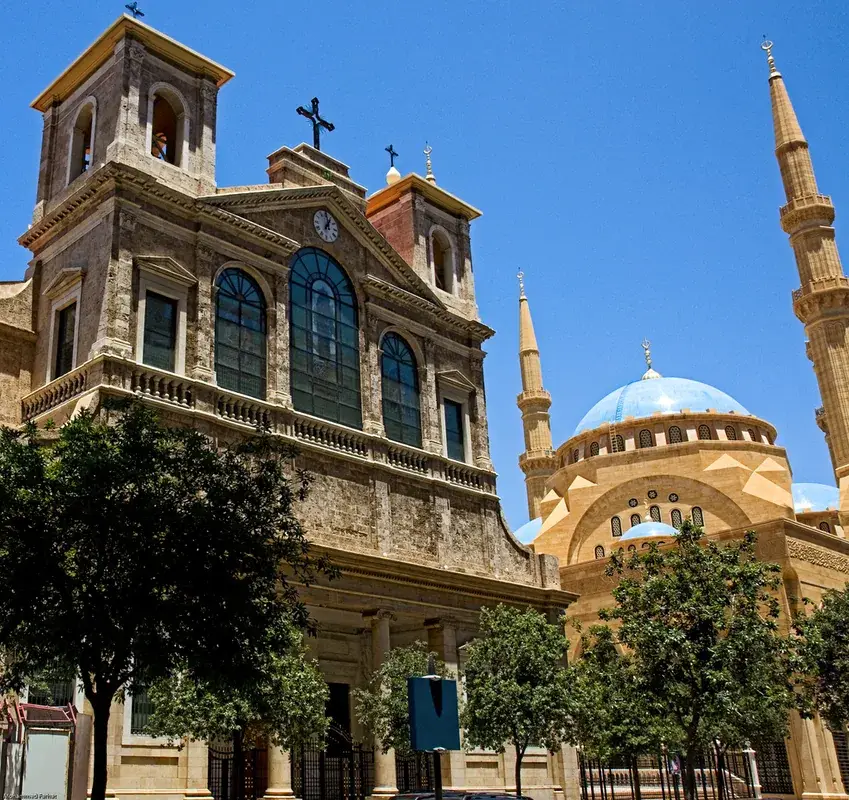
Capuchin cathedral in central Beirut featuring a distinctive tower and Renaissance-style architecture.

Serail Hill📍 landmark

Historic hill overlooking the Mediterranean, home to the Ottoman-era Grand Serail.

Saint Elias Maronite Church📍 landmark

Elegant Maronite church located near the commercial heart of the city.

Sights nearby

Frequently asked questions

Where are the Roman baths located?
In the heart of downtown Beirut (BCD), between Banks Street and the Parliament.
Do I have to pay to see the baths?
No, it is a public open-air site that can be visited for free at any time.
Can you still bathe there?
No, they are archaeological ruins showing the ancient heating system (hypocaust).
When were they discovered?
They were discovered in 1968 and extensively excavated and renovated in the 1990s.
Are there events held there?
Occasionally, concerts or cultural performances are held in the adjacent garden.
Roman Baths in Beirut: where is it located?
Roman Baths in Beirut is located in Lebanon.
Roman Baths in Beirut: what is there to see?
Highlights include Cisterns of the Roman Baths, Hippodrome of Berytus, All Saints' Anglican Church.
Roman Baths in Beirut: when is the best time to visit?
The most pleasant time to visit is May, Jun, Oct.
Roman Baths in Beirut: why is it worth visiting?

The remains of the Roman baths in Beirut (Berytus) were discovered in 1968 and then fully excavated following the Lebanese Civil War in the 1990s, right in the heart of the downtown area near the Grand Serail (government palace).
View on map → The Top 50 Attractions → OpenStreetMap →
Asia
Explore with Plizio Discover more places in Asia
More places in Lebanon →

Nearby cities

History & landmarks
Nature
More places