Plizio Visual Lab
Gudenieki
ℹ️Practical info — Gudenieki
▾
🌤 Weather — 5 days
📍 Nearby
Sights nearby
💡 Tips
- The region is famous for the Suiti cultural heritage, an ethnic Catholic minority with unique traditions.
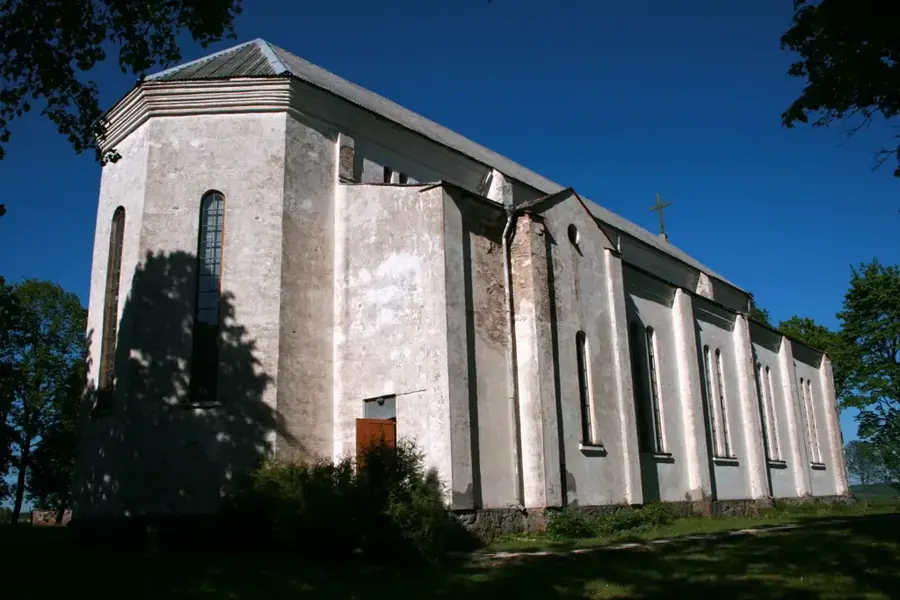
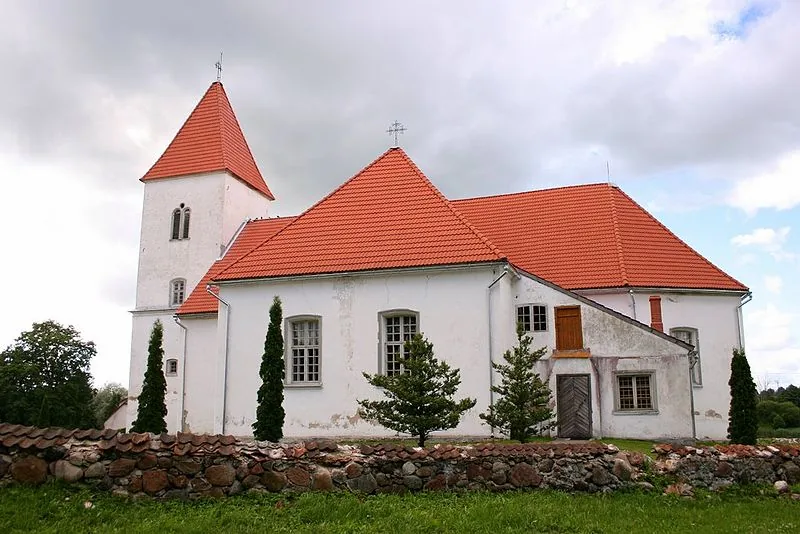
- Visit the local Catholic church, which serves as the center of the community.
- Look out for the colorful traditional costumes often worn during local festivals.
- Since the area is quite rural, exploring by car is highly recommended.
🍽 Food
Try this traditional Latvian carrot and potato pie, which originates from the Kurzeme region.
Head to the nearby coastal villages for excellent freshly smoked fish.
Look for traditional dark rye bread sold at local farmers' markets in the surrounding area.
🛍 Shopping · 🧘 Quiet spots
Look for traditional woven goods and textiles representing the Suiti culture.
Buy fresh honey directly from local beekeepers in the region.
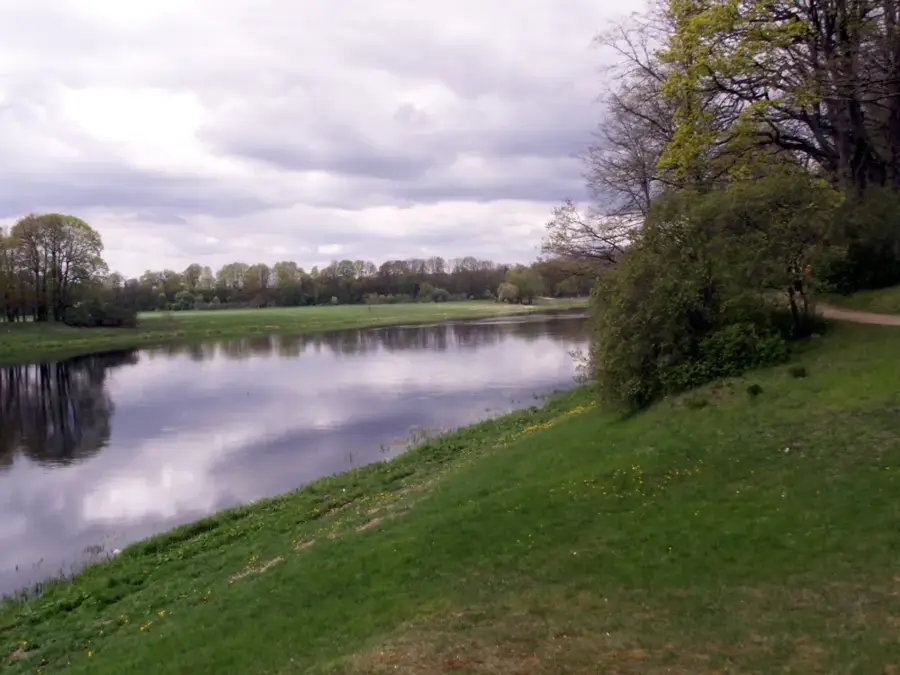
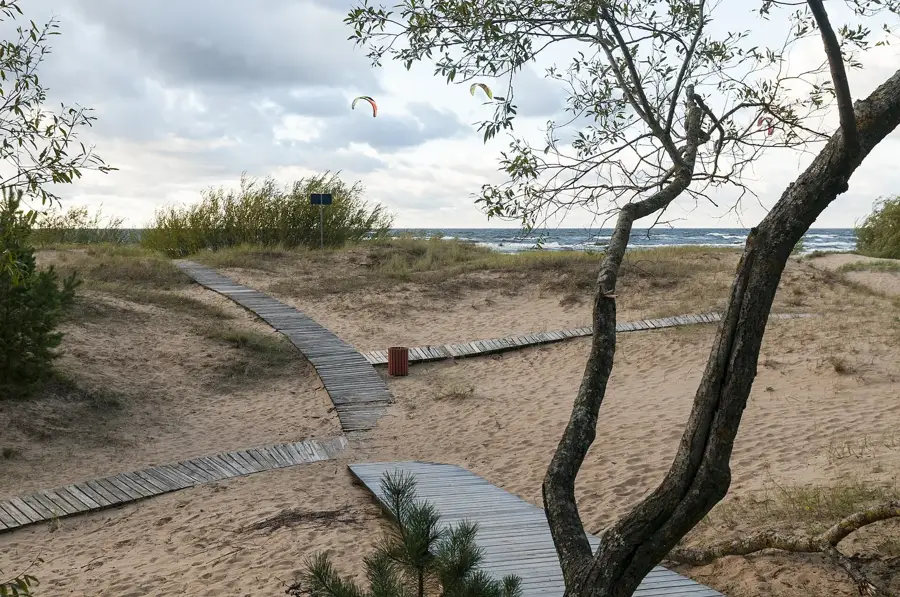
The vast, untouched meadows around Gudenieki offer a great setting for peaceful walks.
The area surrounding the Catholic church is a quiet spot for reflection.
Water temperature…
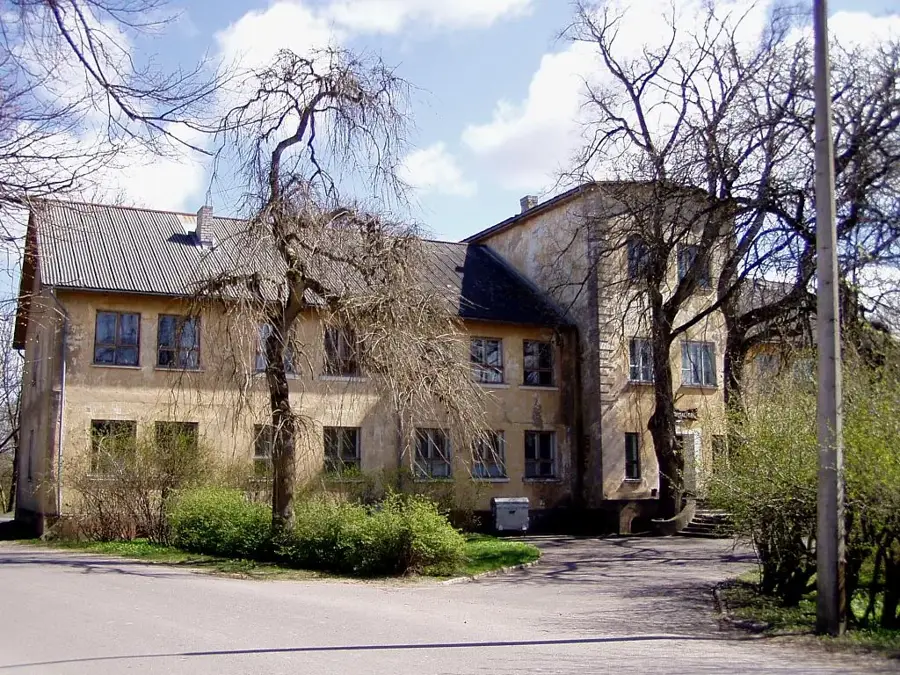
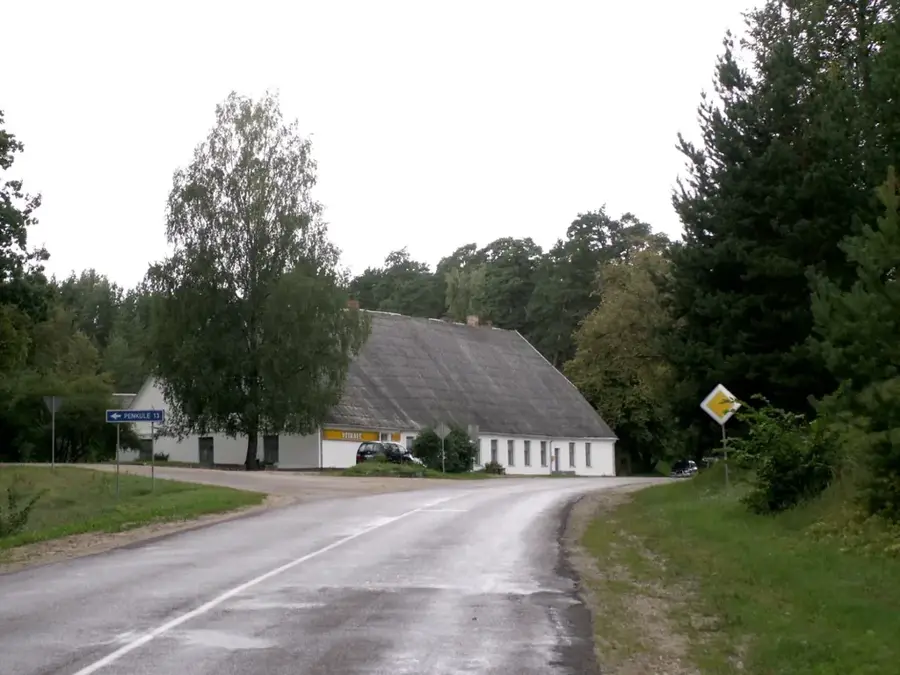
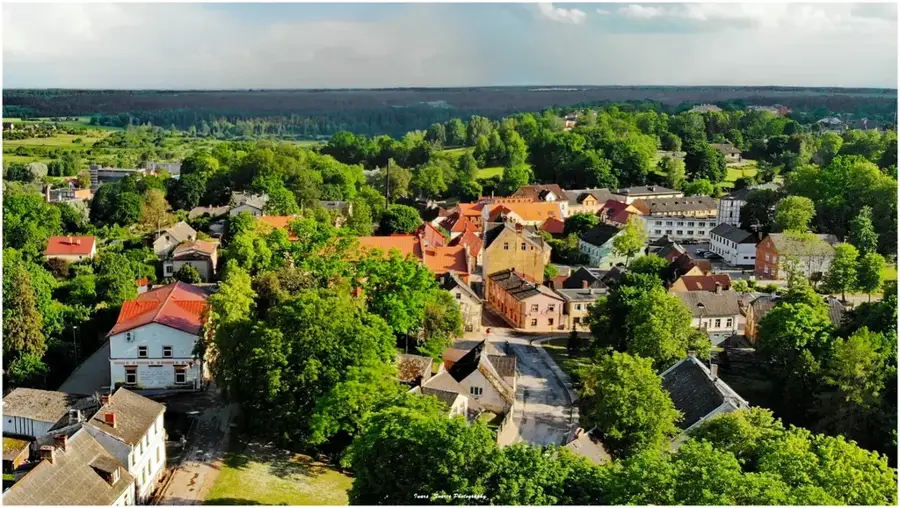
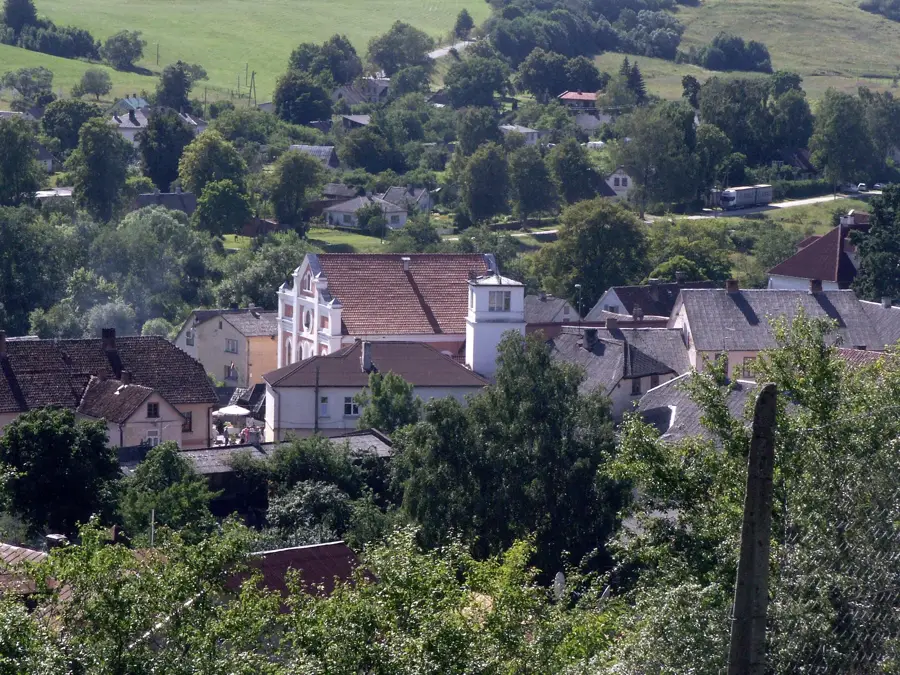
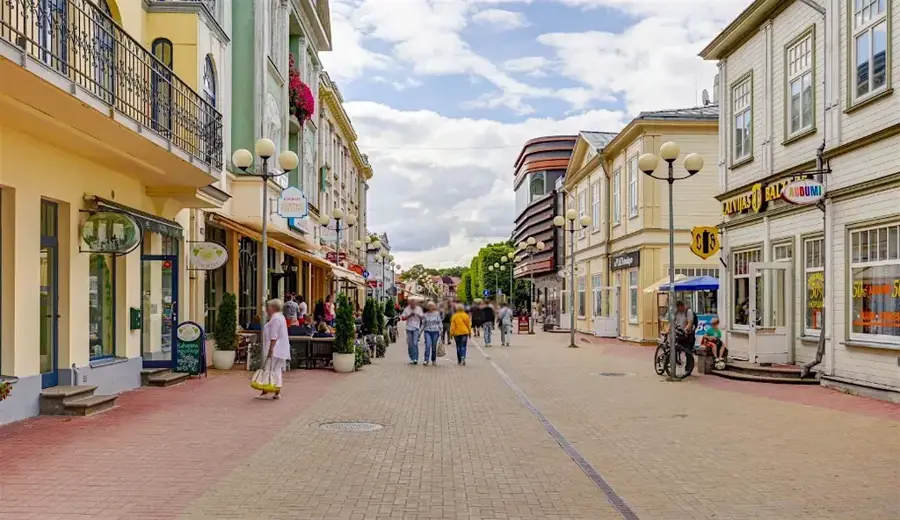
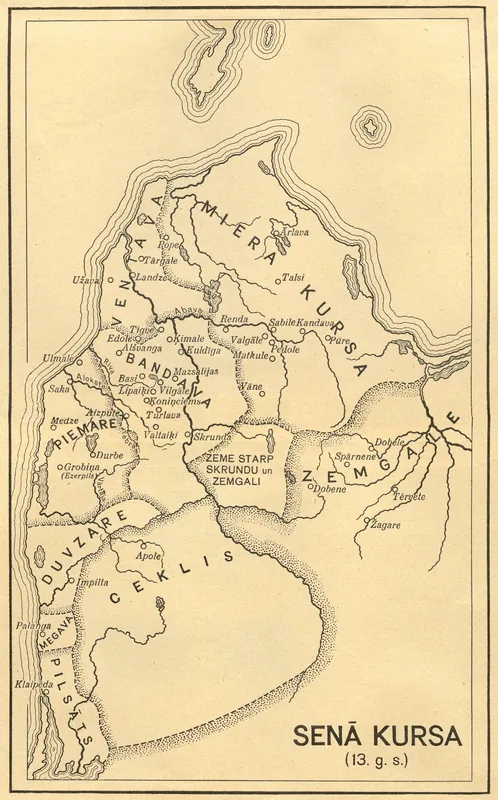
Gudenieki is a rural parish in western Latvia, serving as a significant pillar of the Suiti cultural space within the Kuldīga Municipality. The history of the area is defined by its steadfast Catholic traditions, which diverged from the surrounding Lutheran regions during the 17th century. A focal point of the community is the St. John the Baptist Catholic Church, constructed between 1930 and 1947 according to the designs of architect Kazimiers Svilāns. Gudenieki is widely recognized for its rich ethnographic heritage, particularly for hosting renowned folk ensembles that preserve the unique Suiti polyphonic singing style. The local geography is shaped by glacial moraine hills and fertile agricultural lands typical of the Courland landscape. Archaeological sites in the vicinity provide evidence of human settlement dating back to the Iron Age, highlighting the long-standing history of the territory.
- Location: Latvia
- Top sights: Zvirgzdu ezers · Ērkules ezers · Kukšezers
- Nearby: Alsunga (6 km)
- Population: ~13 (1999)
Best time to visit & climate
The most pleasant time to visit is Jun–Aug.
| Jan | Feb | Mar | Apr | May | Jun | Jul | Aug | Sep | Oct | Nov | Dec | |
|---|---|---|---|---|---|---|---|---|---|---|---|---|
| Avg °C | -1 | -1 | 1 | 5 | 10 | 14 | 18 | 18 | 14 | 9 | 5 | 2 |
| Rain mm | 59 | 43 | 40 | 33 | 37 | 53 | 70 | 74 | 58 | 74 | 72 | 68 |
Geography
Facts
- Gudenieki is situated in the western part of Courland.
- The parish church was built between 1930 and 1947.
- The local Suiti ethnographic ensemble was founded in 1965.
- It is part of the UNESCO Intangible Cultural Heritage list.
- The parish territory covers approximately 112 square kilometers.
- Evidence of human habitation dates back to the Iron Age.
Explore nearby
Notable places around

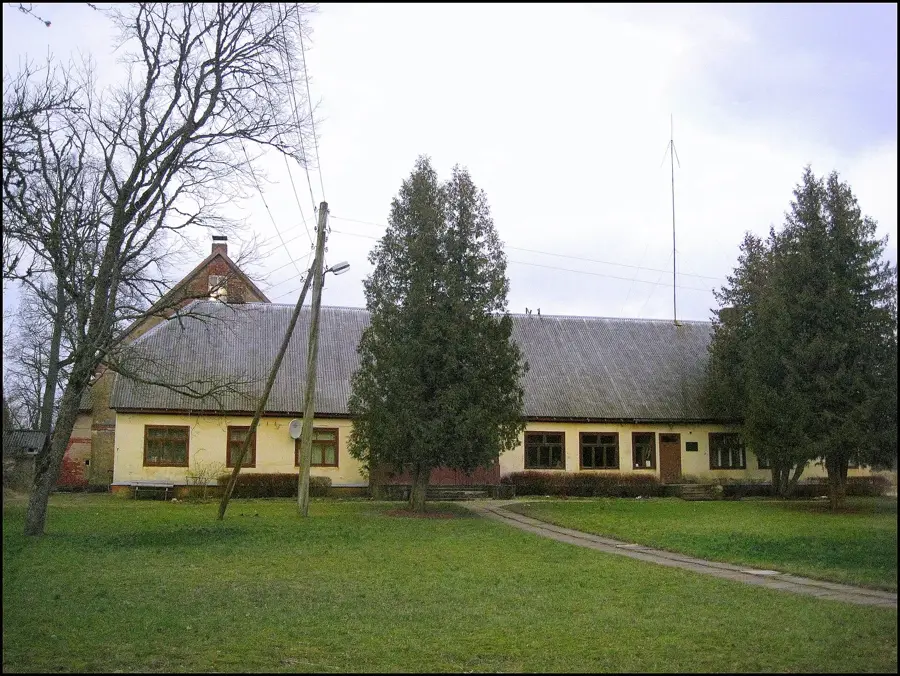
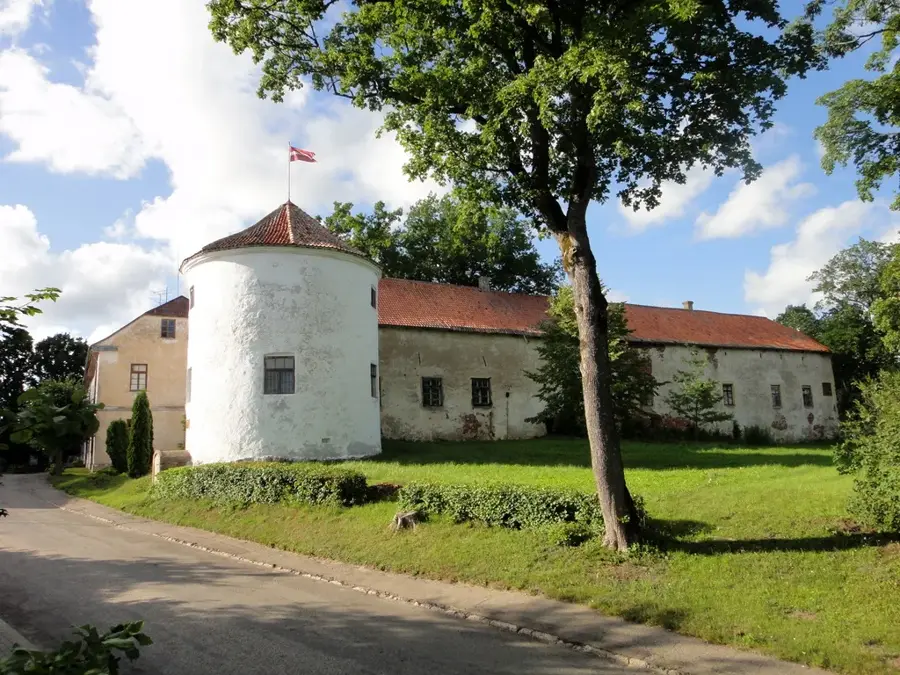

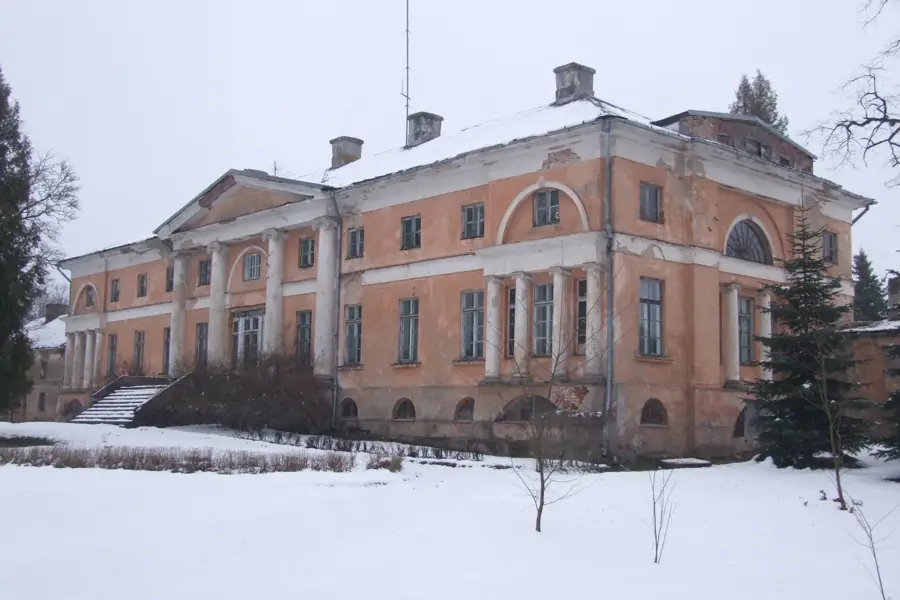
Route planner — Car & Motorhome
Where do you start? We build the route here, with stops and country notes along the way.
© OpenStreetMap contributors · OpenRouteService
Sights in the town Gudenieki (5)
Frequently asked questions
Does Gudenieki belong to the Suiti area?
What can you see in Gudenieki?
Are there local folklore groups?
What craft traditions are here?
Is it worth a visit for those interested in culture?
Gudenieki: where is it located?
Gudenieki: what is there to see?
Gudenieki: when is the best time to visit?
Gudenieki: why is it worth visiting?

Nearby cities