Plizio Visual Lab

Gudenieki Rise
Plizio editorial teamData Sources
Mountain
—°1
Gudenieki Rise (Latvia)

Weather…

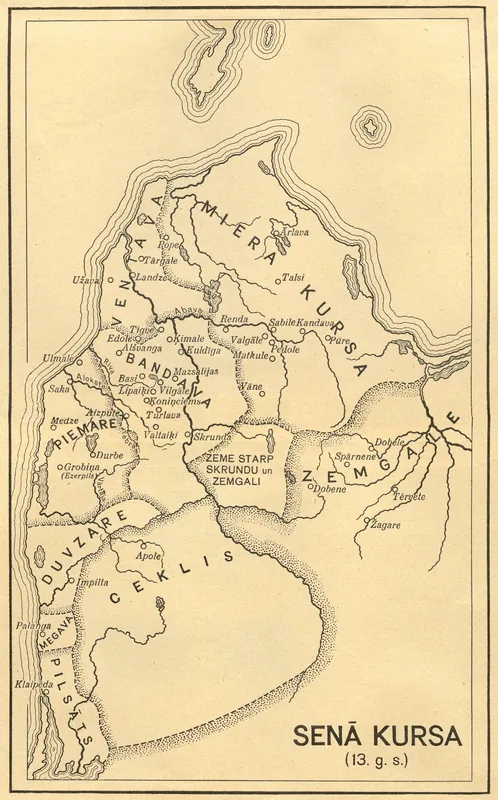
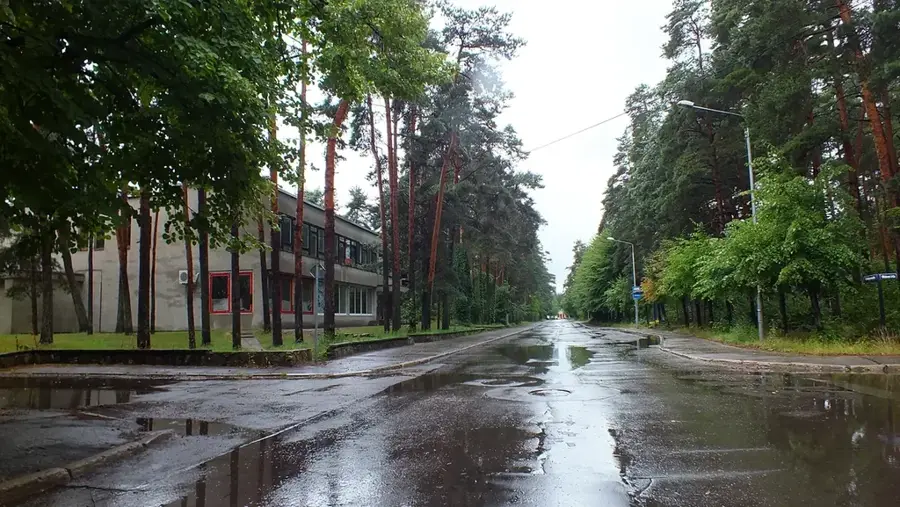
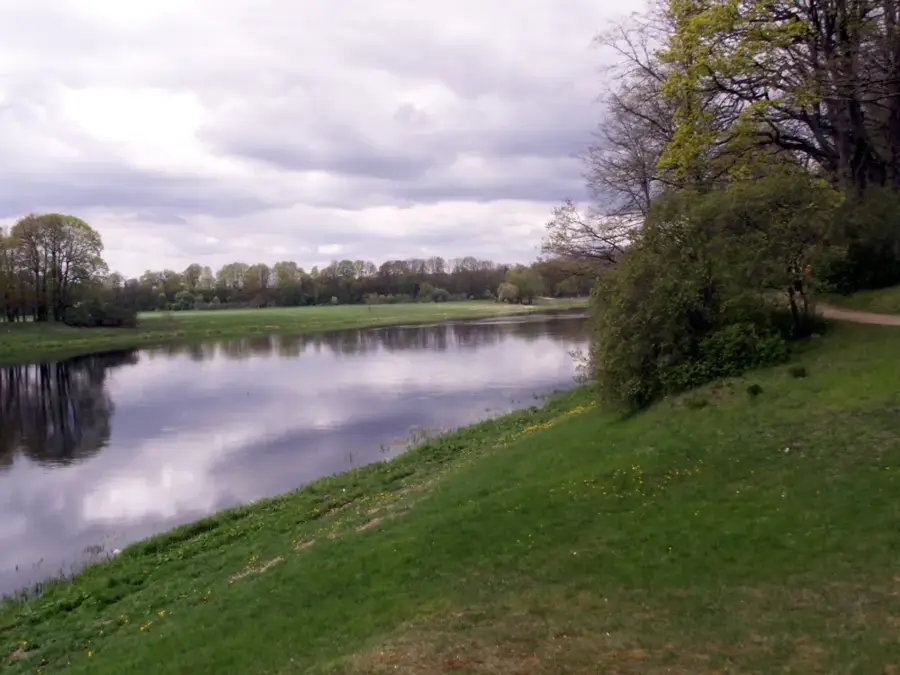
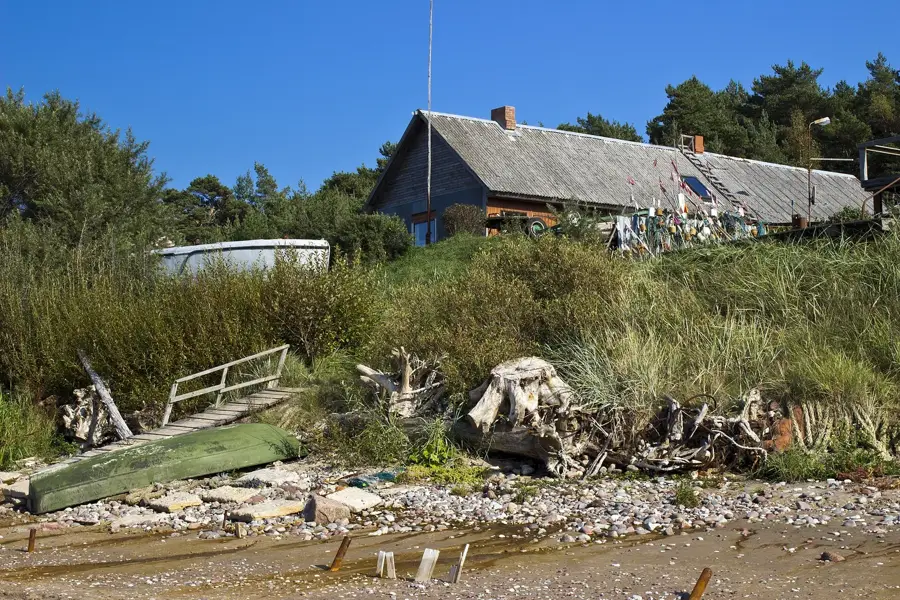
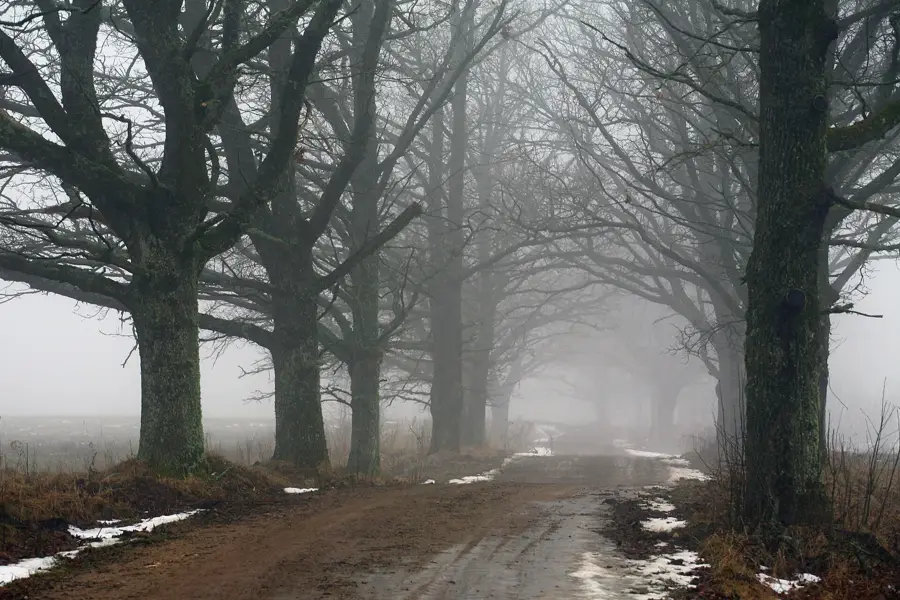
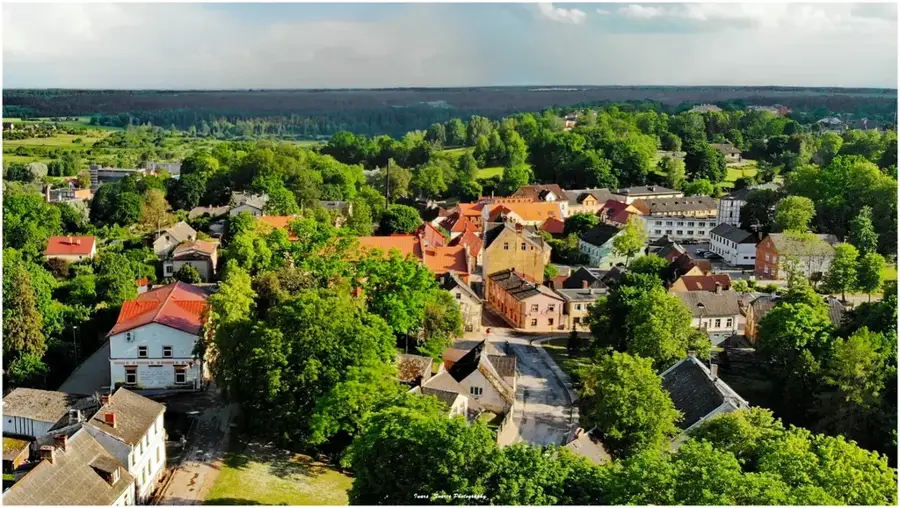
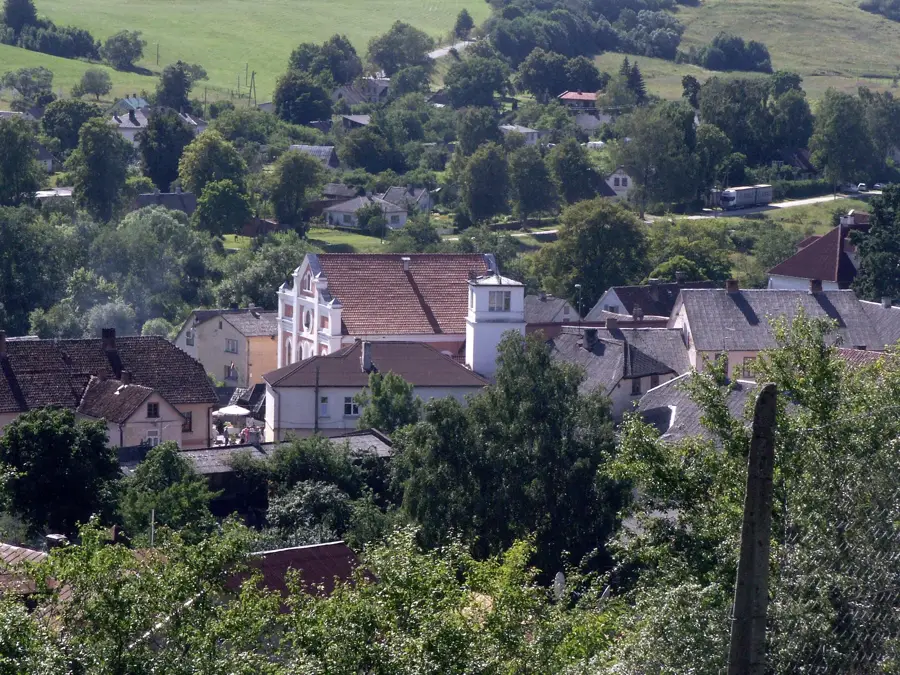
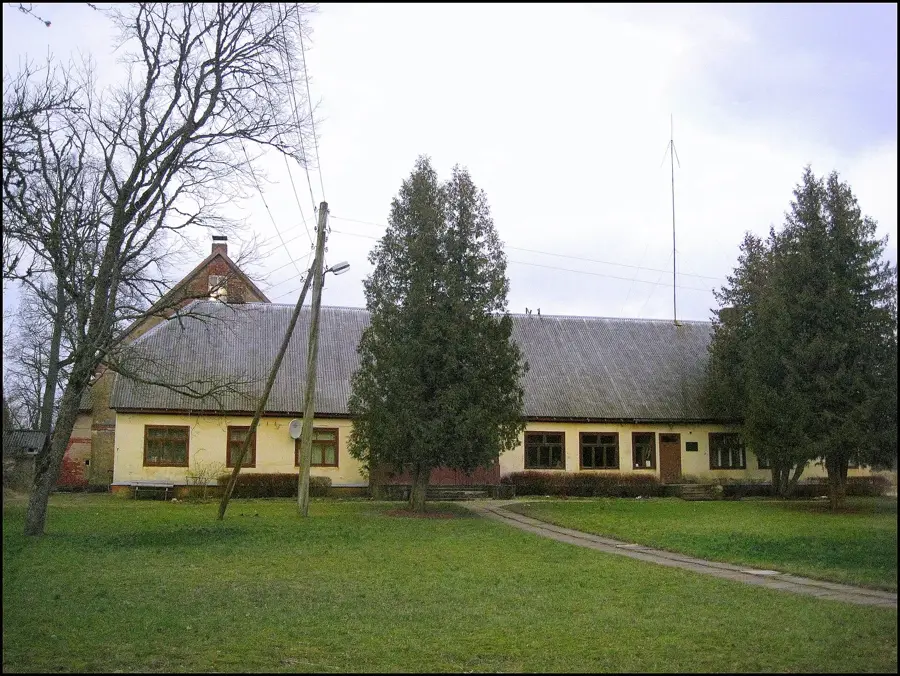
The Gudenieki Rise, locally known as Gudenieku pauguraine, is a prominent geographical feature in western Latvia, forming part of the Western Courland Highland. This rolling landscape is characterized by a series of gentle elevations that average between 40 and 65 meters above sea level. Geologically, the rise was shaped during the last ice age by glacial pressure, leading to the deposition of thick layers of glacial till and clay. This soil composition makes the region a fertile area that is intensively used for grain cultivation and cattle farming. The rise is intersected by numerous small watercourses that drain the terrain and flow into the Užava River. Botanically, the area gives a mix of heathlands, small marshy areas, and dense mixed forests, which serve as an important habitat for Latvian red deer. Historically, Gudenieki was known for its traditional Couronian lifestyle, which is still preserved today in the structure of its villages and isolated farmsteads. The region is also noted for its geological specifics, including small underground deposits of dolomite rock. Today, the Gudenieki Rise is a peaceful location admired for its broad vistas and authentic rural atmosphere.

Best time to visit & climate

The most pleasant time to visit is Jun–Aug.

JanFebMarAprMayJunJulAugSepOctNovDec
Avg °C-1-1151014181814952
Rain mm594340333753707458747268

📋 Practical info

🧭
Getting there
Reaching this subtle elevation in western Curland requires navigating a network of rural dirt roads that weave gently through the local farming communities. Private transport is strongly recommended to get close to the very best vantage points in this quiet rural area.
📅
Best season
The warmer months from May to September offer the clearest conditions to enjoy the slightly elevated, expansive views over the surrounding agricultural landscape. Autumn is also remarkably beautiful when the local farming fields transform into rich, warm golden harvest colors.
⛰️
Terrain & paths
As a modest rise rather than a prominent mountain peak, the ground here is generally flat or very gently sloping, consisting mostly of field margins and local tracks. Walking requires absolutely minimal physical effort, safely navigating typical country dirt roads or grassy paths.
🎒
What to bring
Basic, comfortable outdoor footwear is entirely sufficient for strolling slowly along the edges of agricultural fields and unpaved, dusty country lanes. Since the area is quite exposed to the elements, bringing a reliable windbreaker jacket and sun protection is a practical choice.
🅿️
Parking
Visitors should actively look for small, safe spots to pull over along the rural roads, as formal tourist parking infrastructure is completely absent here. Be extremely careful not to block crucial access points to actively worked agricultural fields or local farm properties.
⚠️
Safety
This environment is remarkably benign, with the primary hazards merely being uneven ground on farm tracks or exposure to sudden, unpredictable weather changes. Simply stay alert for tractors or other agricultural vehicles operating closely in the vicinity of the viewing spots.
⏱️
Time needed
Most travelers spend around thirty minutes to an hour here, pausing nicely to stretch their legs and playfully photograph the expansive agricultural landscape. It serves best as a brief, peaceful detour while broadly exploring the wider western Curland region by car or bicycle.

Geography

Coordinates
56.96670, 21.65000

Facts

  • The highest point of the Gudenieki Rise reaches 68 meters above sea level.
  • The terrain consists primarily of glacial till and moraine clay.
  • The rise is located within the Baltic drainage basin of the Užava River.
  • Traditional farming practices have shaped the landscape for centuries.
  • Dolomite deposits are found at relatively shallow depths in this area.
  • The region is known for its high concentration of historical manor sites.

Explore nearby

Notable places around
Route planner — Car & Motorhome

Where do you start? We build the route here, with stops and country notes along the way.

Vehicle
Only stops with (optional):

© OpenStreetMap contributors · OpenRouteService

Sights in the town Gudenieki Rise (1)

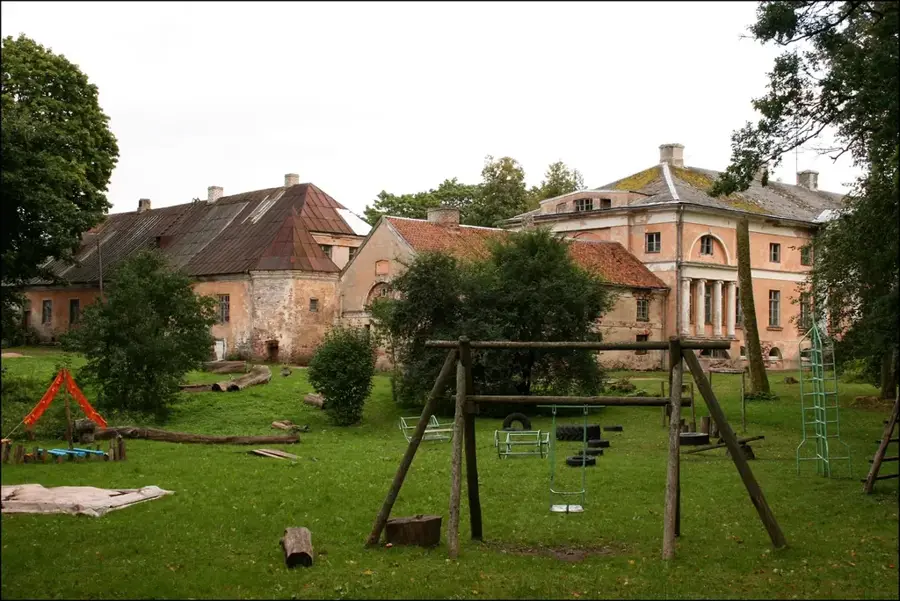
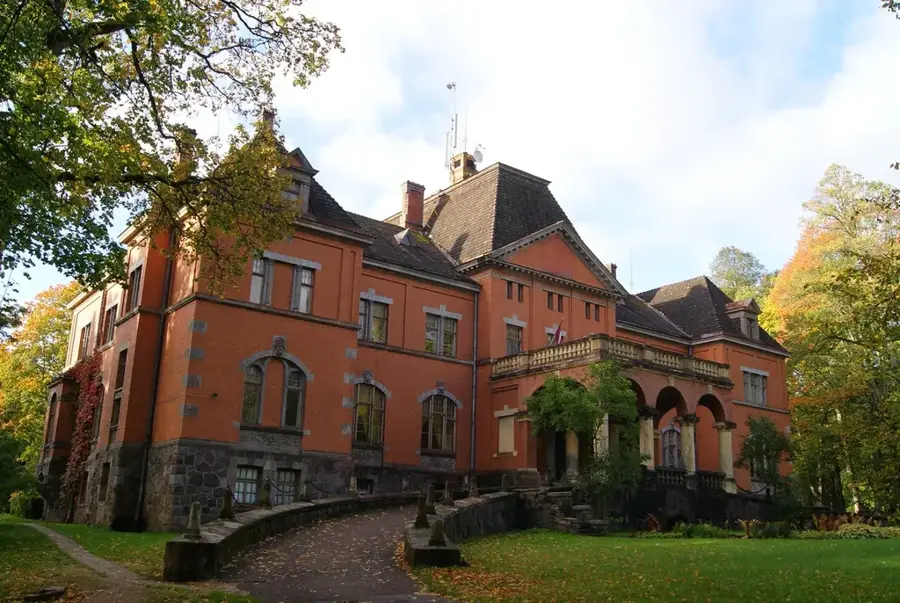
Almāles muiža

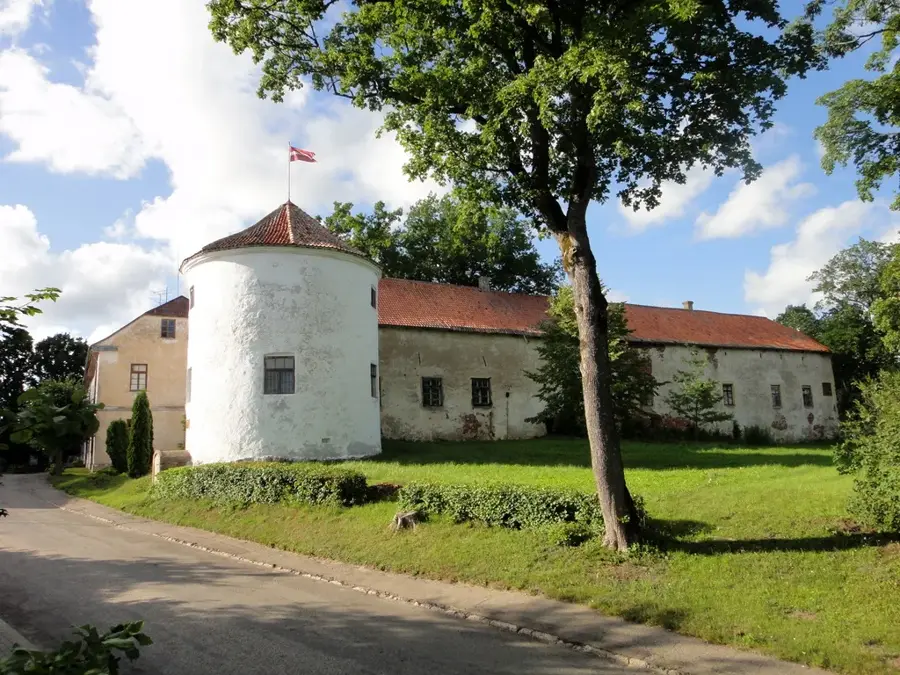
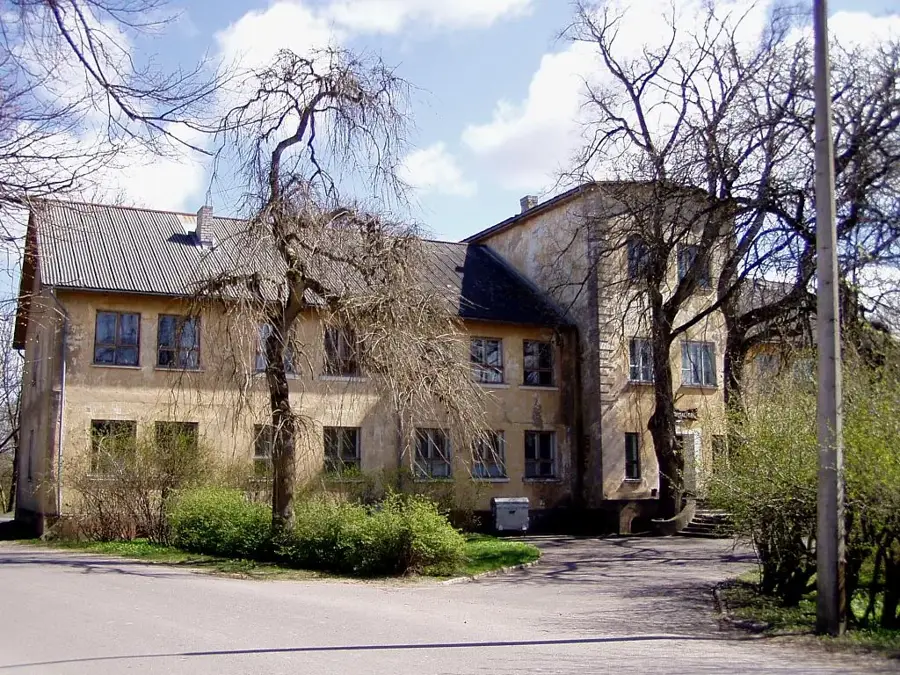
Almāle Manor, manor house in the Gudenieki area.

Sights nearby

Frequently asked questions

What is the Gudenieki Rise?
A geological elevation in Kurzeme, known for its petroleum deposits beneath the earth's surface.
Are there industrial facilities there?
You occasionally see small pumping stations, but the rise is primarily agricultural and forestry-oriented.
What can you do in Gudenieki?
Hiking and experiencing the traditional Suiti culture in the nearby town are the main activities.
What birds nest here?
In the heaths and forests of the rise, you can with luck hear the rare European nightjar.
Is the soil rich in clay?
Yes, the subsoil consists of heavy clay and silt layers that store water well.
Gudenieki Rise: where is it located?
Gudenieki Rise is located in Latvia.
Gudenieki Rise: when is the best time to visit?
The most pleasant time to visit is Jun, Aug.
Gudenieki Rise: why is it worth visiting?

The Gudenieki Rise, locally known as Gudenieku pauguraine, is a prominent geographical feature in western Latvia, forming part of the Western Courland Highland.
View on map → The Top 50 Attractions → OpenStreetMap →
Europe
Explore with Plizio Discover more places in Europe
More places in Latvia →

Nearby cities

History & landmarks

More places