Plizio Visual Lab
Ezere
ℹ️Practical info — Ezere
▾
🌤 Weather — 5 days
📍 Nearby
Sights nearby
💡 Tips
- Ezere is right on the Lithuanian border, making it a great stopover if you are planning a cross-border road trip.
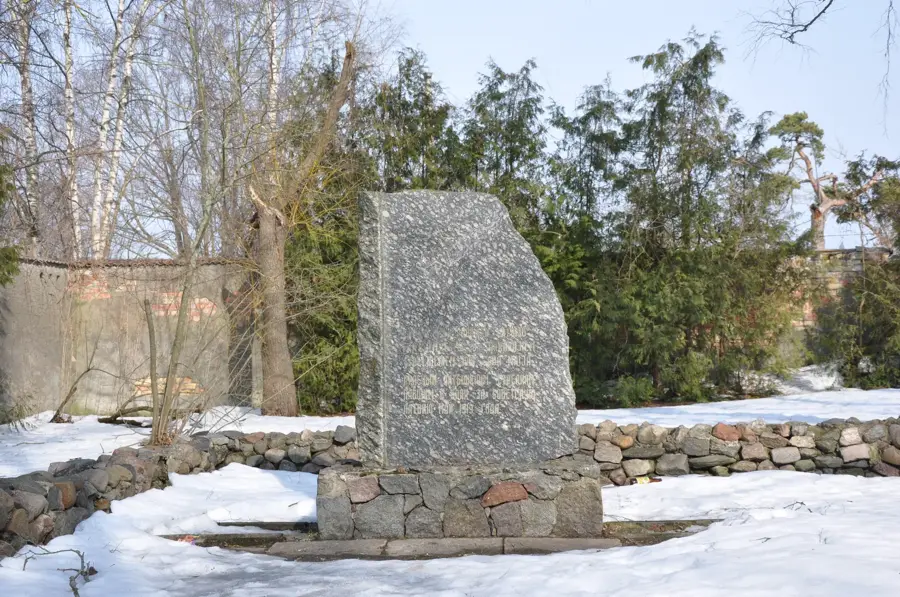
- Visit the local history spots; the town is known as the place where the Courland Pocket surrender was signed in 1945.
- The border crossing is mostly seamless, but always carry your ID or passport just in case.
- The historic manor park is best visited in the late afternoon for beautiful lighting and a peaceful atmosphere.
🍽 Food
A sweet curd snack covered in chocolate, first-rate for a quick energy boost from the local store.
A traditional and hearty meal often served at local guesthouses or taverns near the border.
A fermented rye bread drink that is incredibly refreshing, available at any local shop.
🛍 Shopping · 🧘 Quiet spots
Pick up a freshly baked loaf of rye bread from a local bakery or grocery shop before crossing the border.
Latvians love their herbal infusions; look for packaged chamomile or linden teas in village shops.
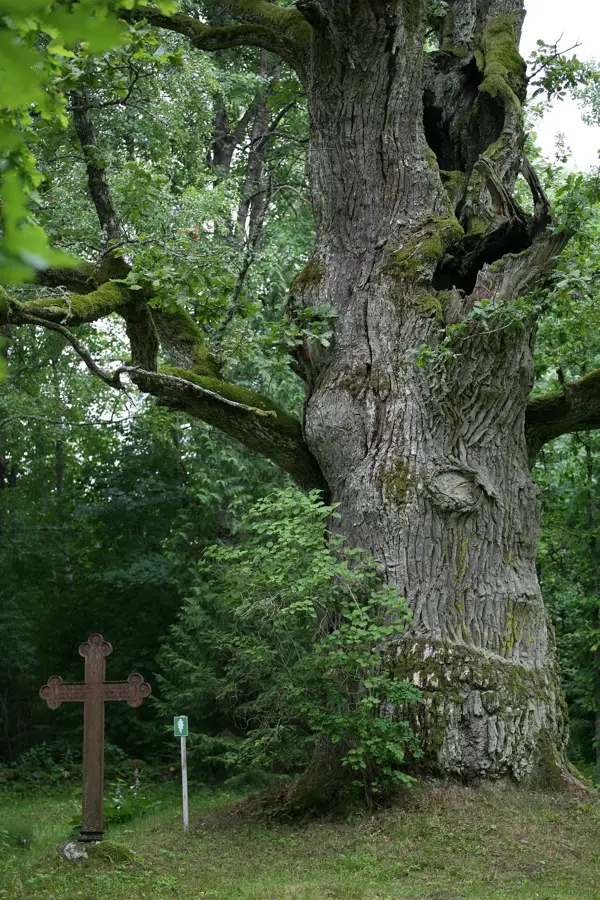
Stroll through the historical manor park, a beautiful and serene spot filled with old trees.
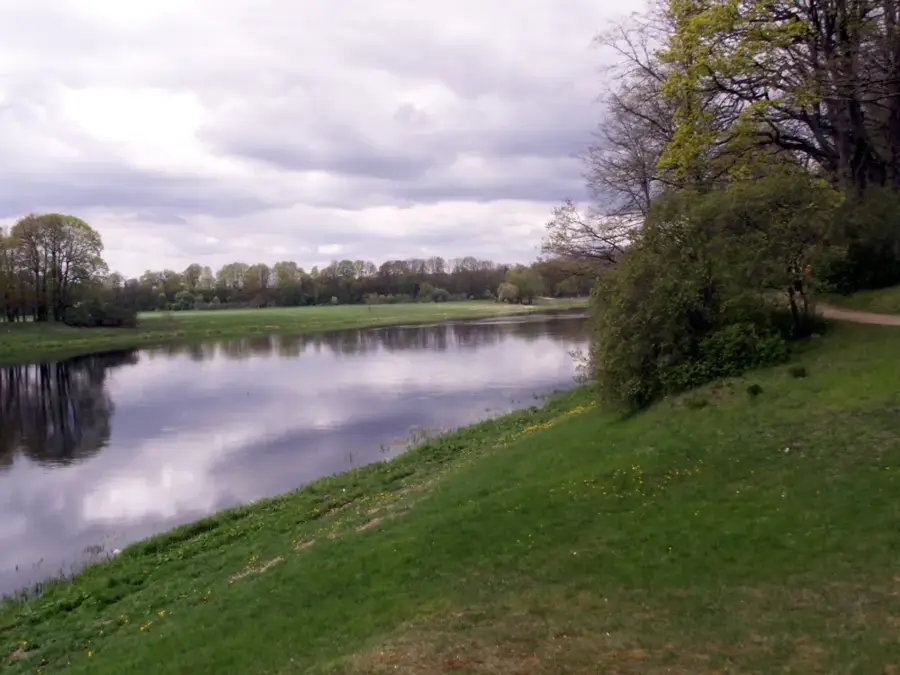
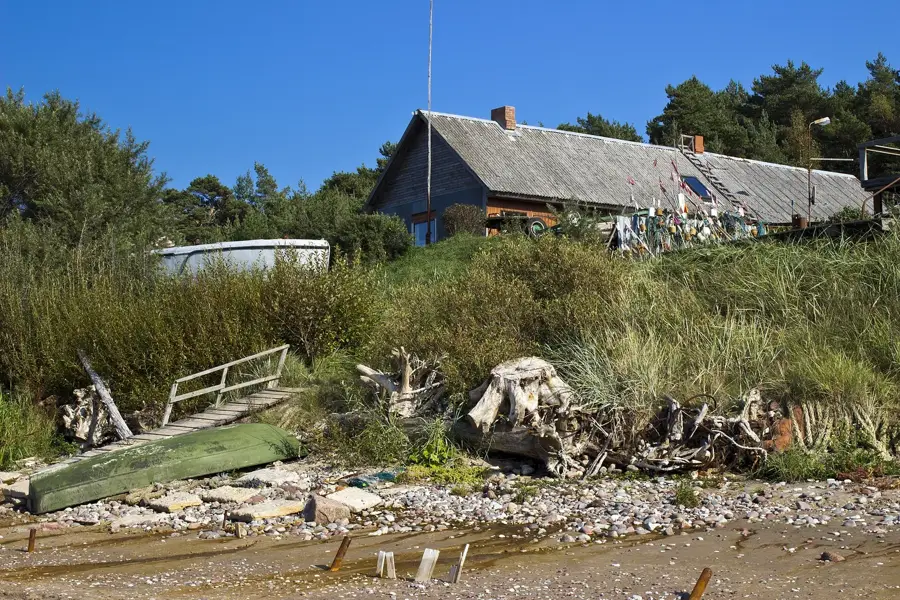
Enjoy the peaceful atmosphere by walking along the Vadakste river which forms the border with Lithuania.
Water temperature…
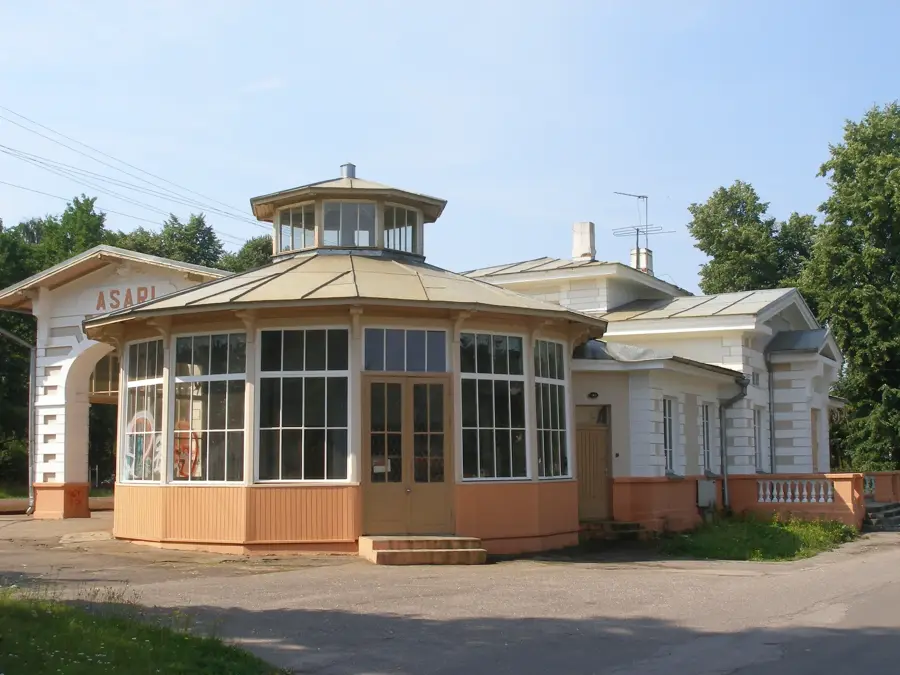
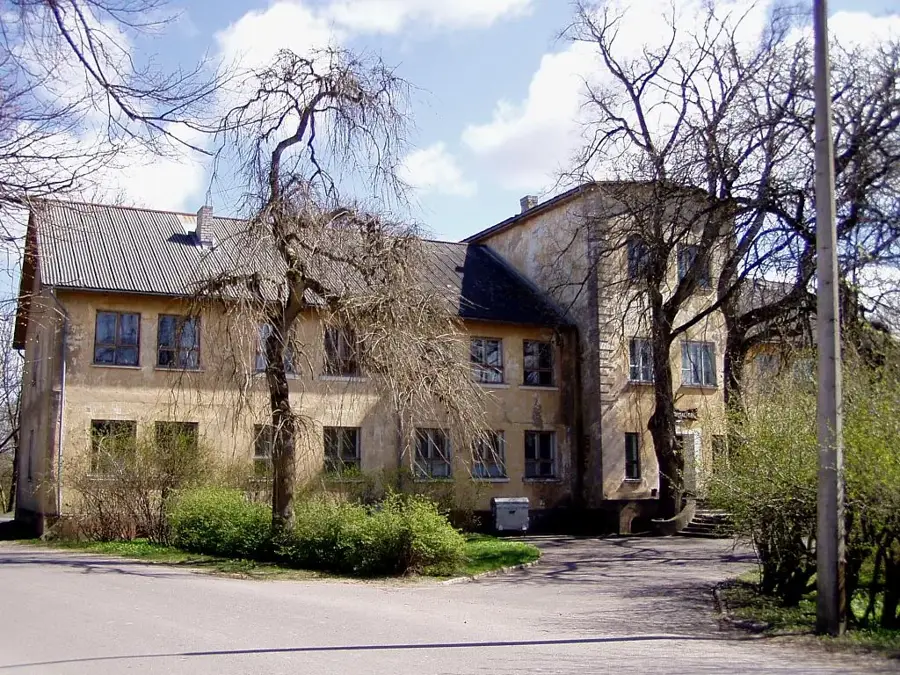
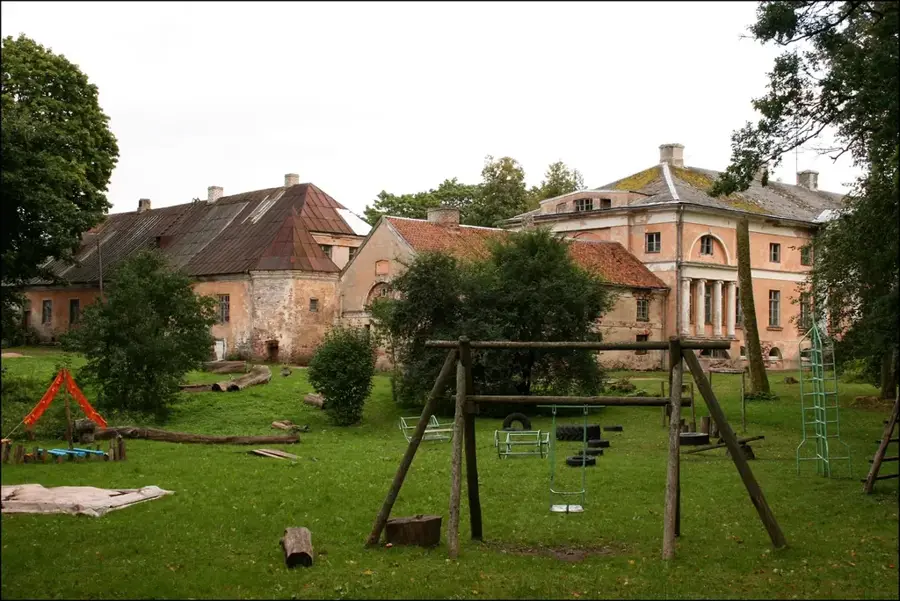
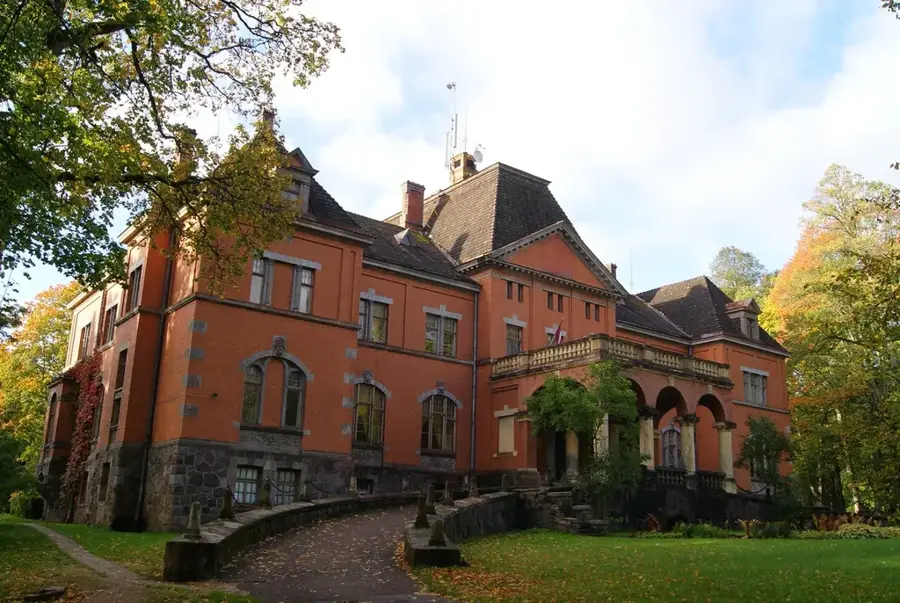
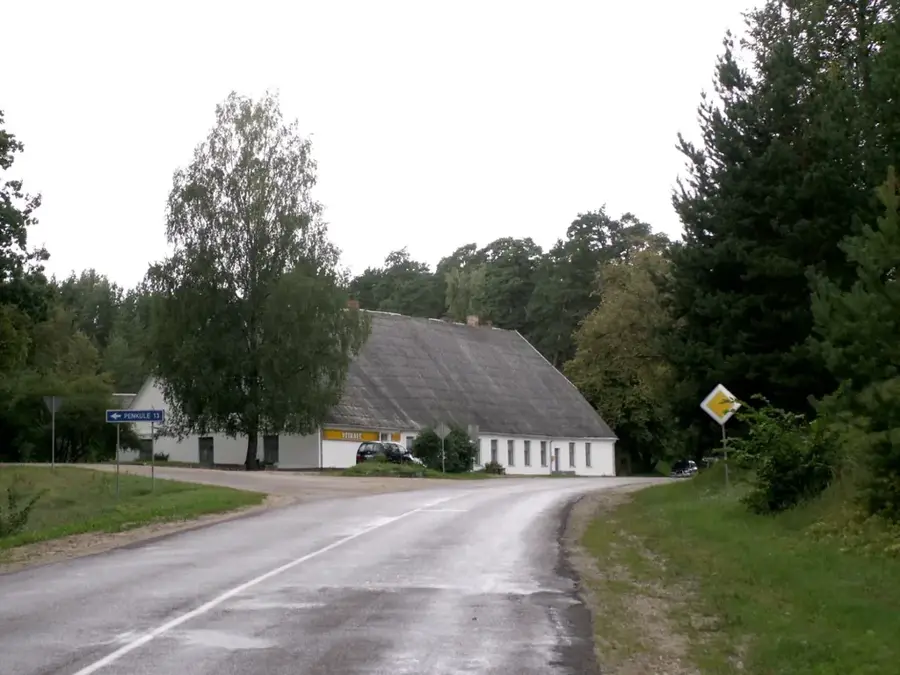
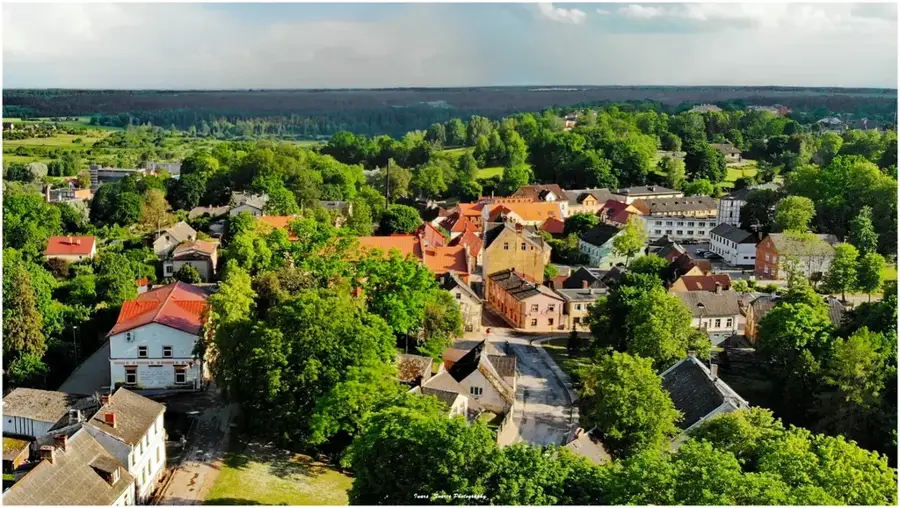
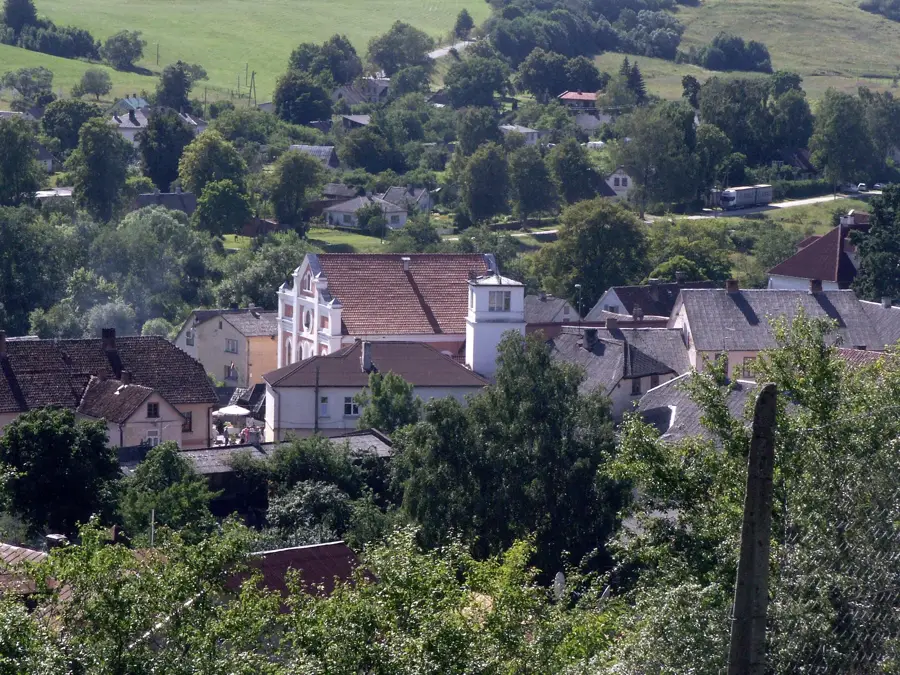
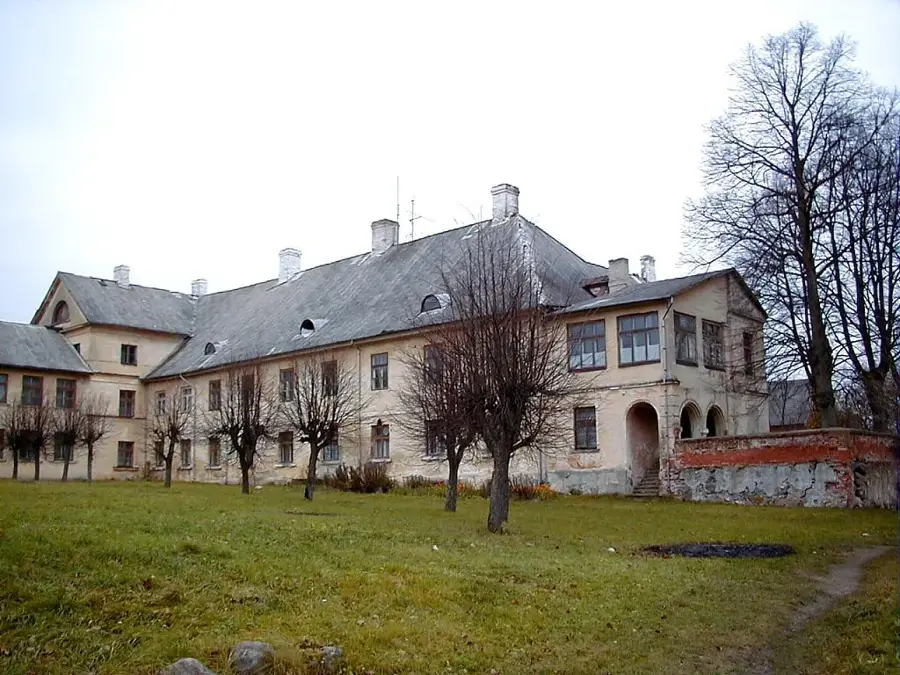
Ezere is a significant historical and administrative center located in the Saldus Municipality, directly on the border between Latvia and Lithuania. The village is most famous for its role at the end of World War II, as it was the site where the act of surrender for the German forces in the Courland Pocket was signed on May 8, 1945. This event is commemorated by a monument and is a major point of interest for military historians. The village grew around the elegant Ezere Manor, built in the late 18th and early 19th centuries, which displays Neoclassical architectural features and is surrounded by a large landscape park. The Ezere River flows through the settlement, providing a natural boundary and a scenic backdrop for the village's historic buildings. Historically, Ezere has been a crossroads of trade and culture between the Baltic nations, reflected in its diverse architecture and local traditions. Today, it serves as an important local hub for education and culture, maintaining the legacy of its aristocratic past and its pivotal 20th-century history.
- Location: Latvia
- Nearby: Kursīši (19 km)
- Population: ~140 (2001)
Best time to visit & climate
The most pleasant time to visit is Jun–Aug.
| Jan | Feb | Mar | Apr | May | Jun | Jul | Aug | Sep | Oct | Nov | Dec | |
|---|---|---|---|---|---|---|---|---|---|---|---|---|
| Avg °C | -4 | -4 | 0 | 5 | 11 | 15 | 18 | 17 | 13 | 7 | 2 | -2 |
| Rain mm | 52 | 39 | 40 | 38 | 50 | 69 | 79 | 73 | 54 | 68 | 63 | 56 |
Geography
Facts
- The surrender of the German Courland Pocket forces was signed in Ezere on May 8, 1945.
- Ezere Manor was originally built in 1750 in Baroque style.
- The village is located directly on the state border with Lithuania.
- The Ezere River flows into the Vadakste River near the village.
- The current Neoclassical facade of the manor house dates back to the early 19th century.
- Ezere is home to a monument commemorating the end of World War II in the region.
Explore nearby
Notable places around



Route planner — Car & Motorhome
Where do you start? We build the route here, with stops and country notes along the way.
© OpenStreetMap contributors · OpenRouteService
Sights in the town Ezere (1)
Frequently asked questions
What is the historical significance of Ezere?
Is there a manor house in Ezere?
Is Ezere located by a river?
What can you see in the manor park?
Is Ezere a border crossing?
Ezere: where is it located?
Ezere: when is the best time to visit?
Ezere: why is it worth visiting?

Nearby cities