Plizio Visual Lab
Banaba Phosphate Mining Ruins
Weather…
Water temperature…
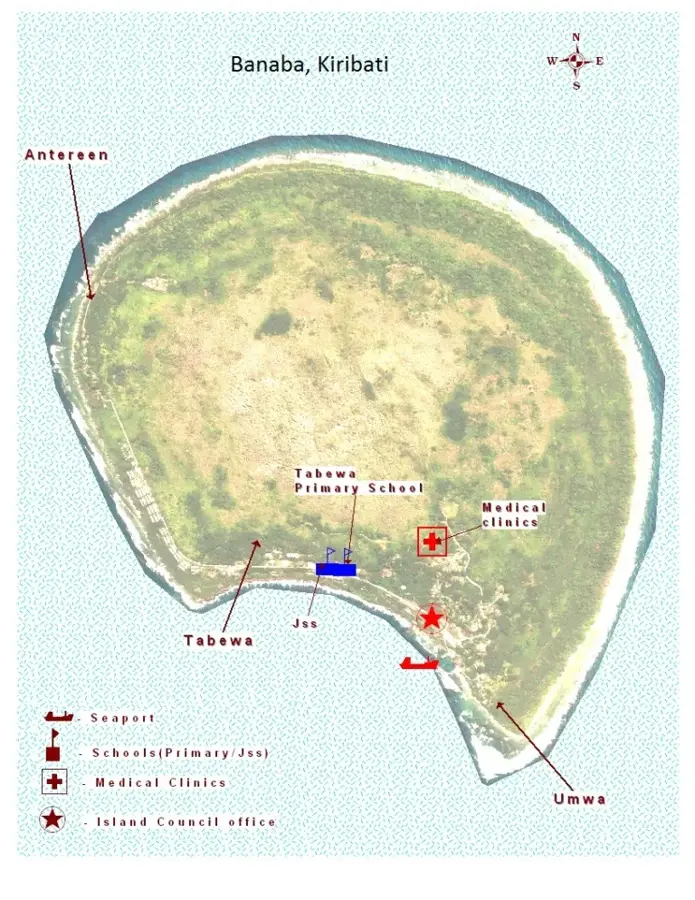
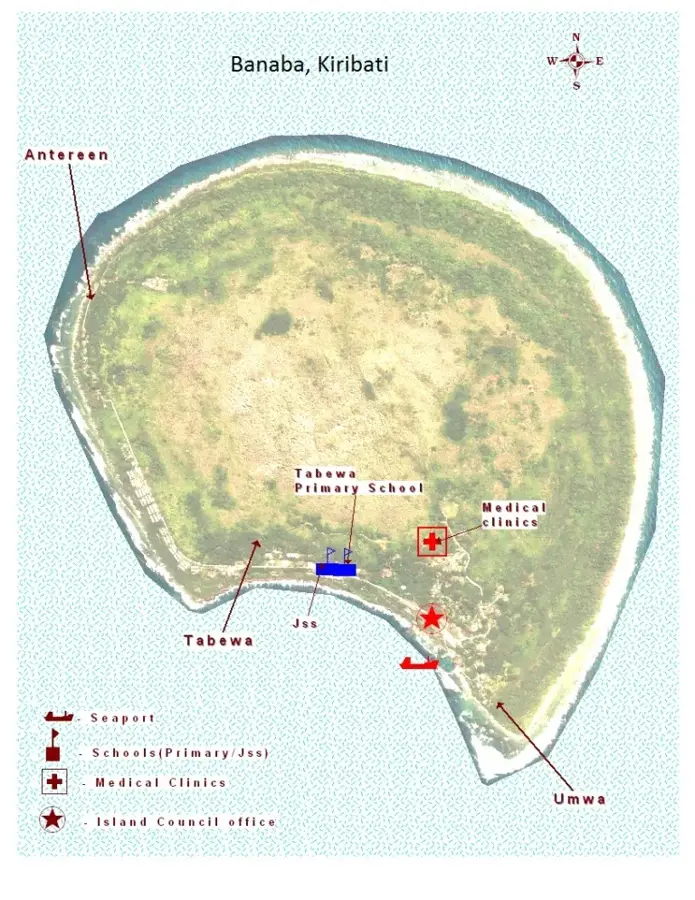
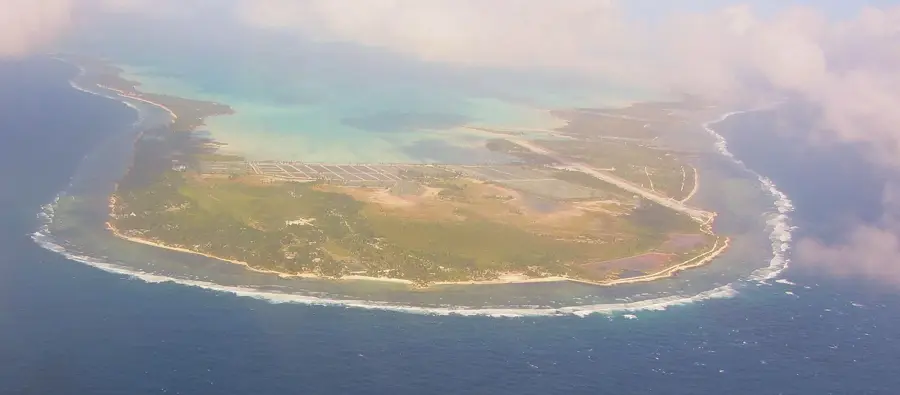
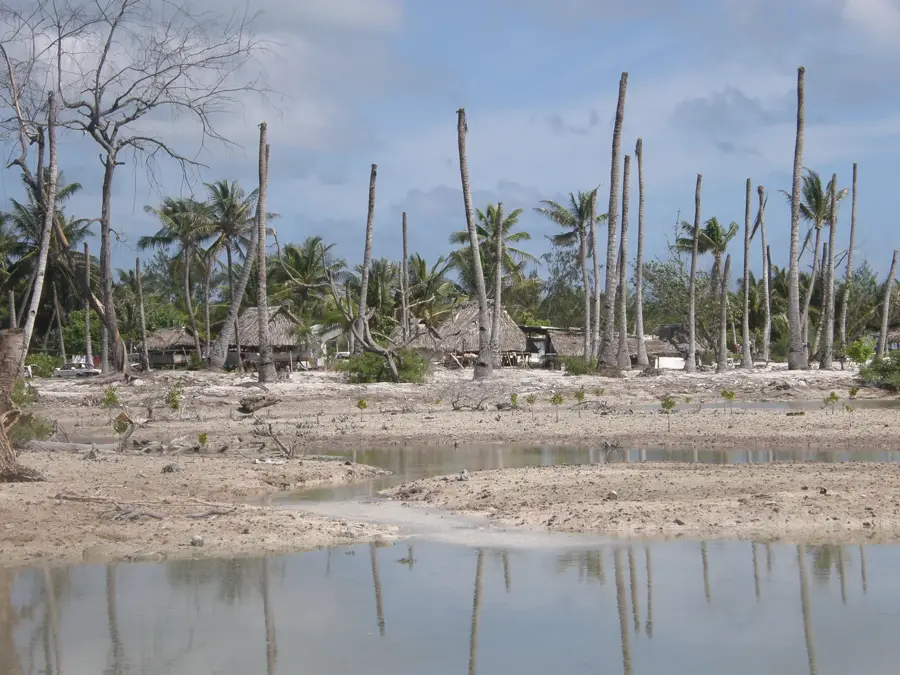
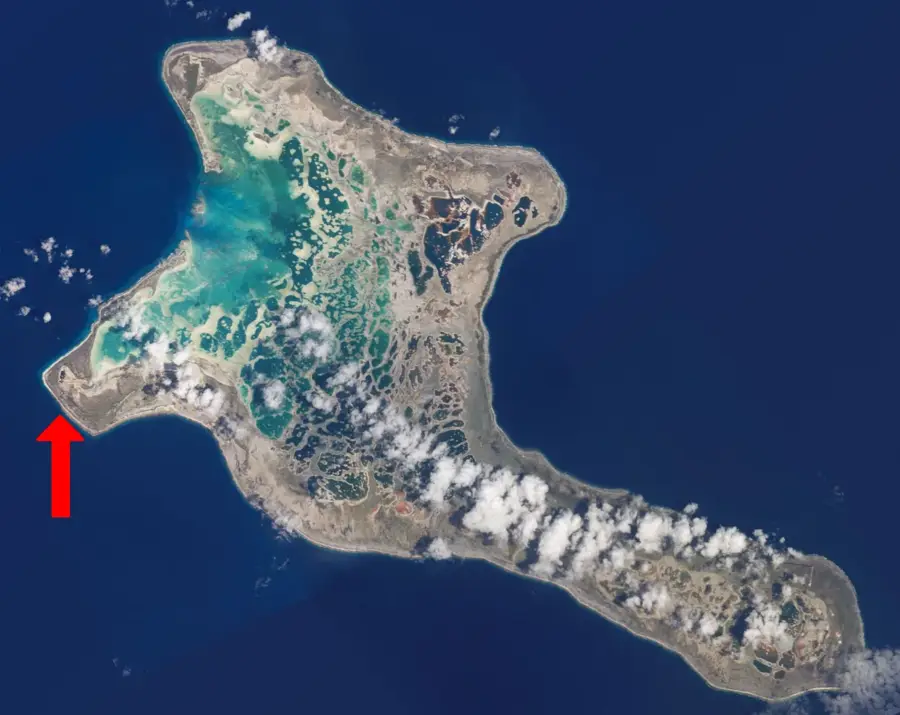
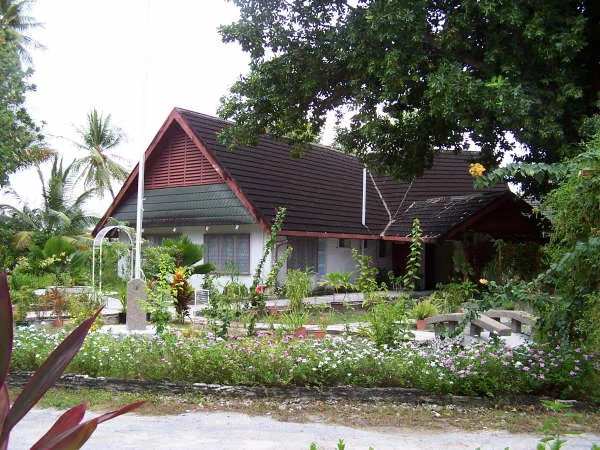
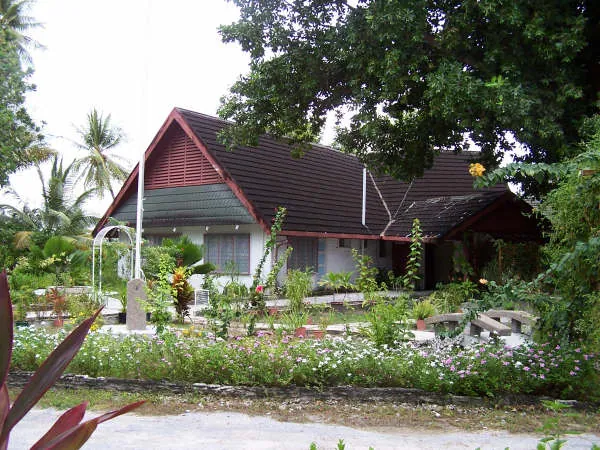
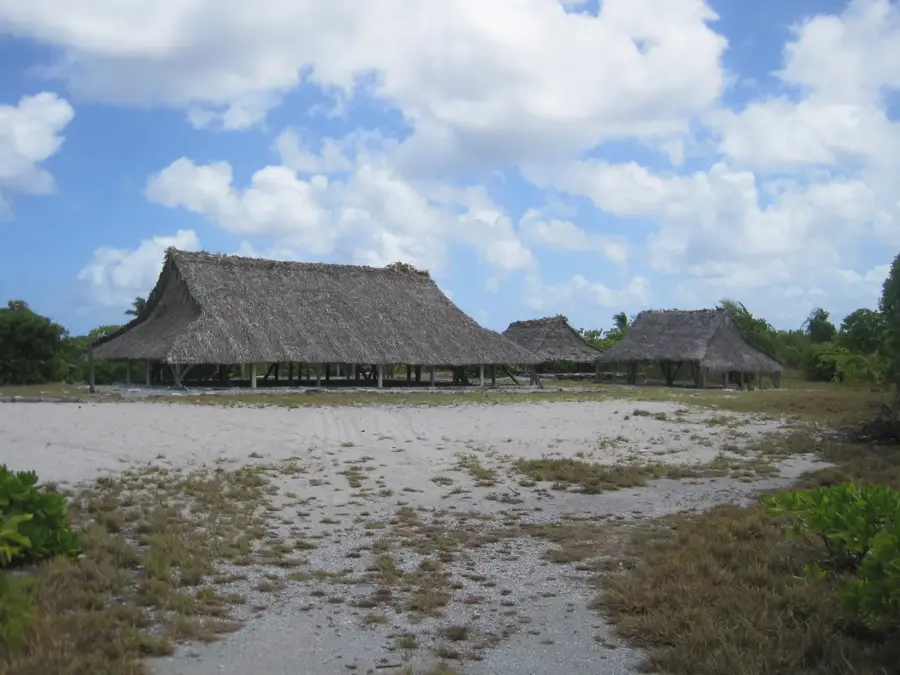
The ruins of the phosphate mines on Banaba Island, formerly known as Ocean Island, stand as a stark testament to the environmental and social costs of colonial-era industrial extraction. Mining operations commenced in 1900 after the discovery of some of the world's richest phosphate deposits, which were essential for the agricultural expansion of Australia and New Zealand. For nearly eighty years, the island's surface was systematically stripped away, leaving behind a surreal landscape of jagged limestone pinnacles that make the land virtually uninhabitable. The industrial remains, including skeletal conveyor systems, rusting machinery, and abandoned processing plants, offer a haunting glimpse into the peak of the mining era which ended in 1979. This environmental degradation was so severe that it necessitated the mass resettlement of the Banaban people to Rabi Island in Fiji. Today, these ruins are not just an industrial site but a place of profound historical reflection on displacement, corporate exploitation, and the lasting scars left on the Pacific's geography.
- Location: Kiribati
- Top sights: Banaba · Ocean Island Railway
Best time to visit & climate
The most pleasant time to visit is May, Jun, Oct.
| Jan | Feb | Mar | Apr | May | Jun | Jul | Aug | Sep | Oct | Nov | Dec | |
|---|---|---|---|---|---|---|---|---|---|---|---|---|
| Avg °C | 28 | 28 | 28 | 28 | 28 | 28 | 28 | 28 | 28 | 28 | 28 | 28 |
| Rain mm | 190 | 183 | 166 | 146 | 94 | 94 | 104 | 100 | 99 | 92 | 108 | 202 |
📋 Practical info
Geography
Facts
- Mining began: 1900
- Operator: British Phosphate Commission
- Mining ended: 1970s
- Consequence: Banaban relocation to Rabi, Fiji
- Today: abandoned industrial ruins, rails, machinery
- Environmental damage: complete topsoil removal
Route planner — Car & Motorhome
Where do you start? We build the route here, with stops and country notes along the way.
© OpenStreetMap contributors · OpenRouteService
Sights in the town Banaba Phosphate Mining Ruins (2)
Sights nearby
Frequently asked questions
What are the Banaba phosphate mines?
Is Banaba Island inhabited?
Can you see the old machinery?
How difficult is it to get there?
Why is Banaba called the 'forgotten island'?
Banaba Phosphate Mining Ruins: where is it located?
Banaba Phosphate Mining Ruins: what is there to see?
Banaba Phosphate Mining Ruins: when is the best time to visit?
Banaba Phosphate Mining Ruins: why is it worth visiting?
Nearby cities


History & landmarks
Nature
More places