Plizio Visual Lab
Gedi Ruins
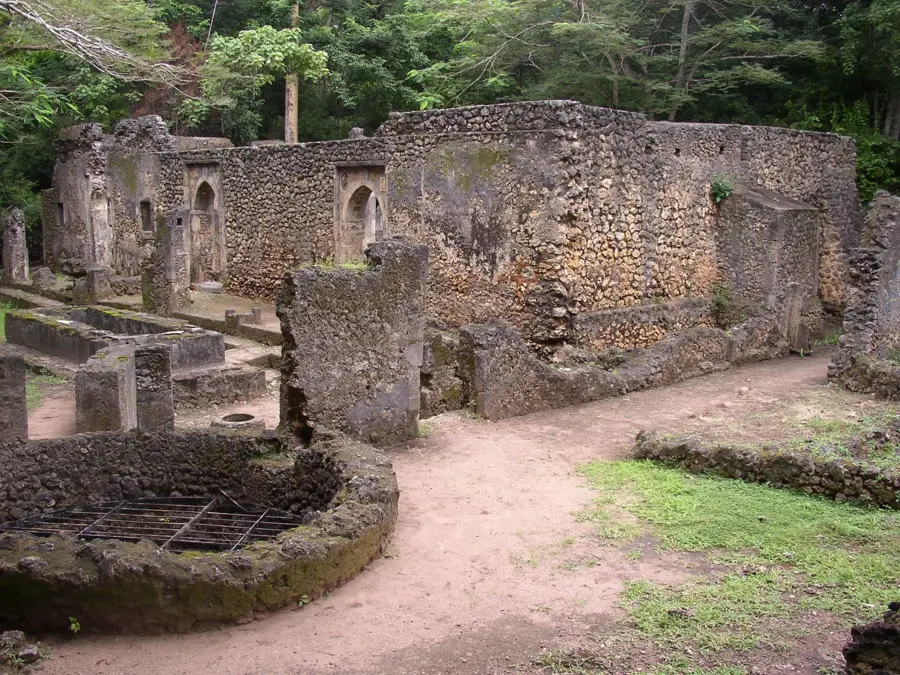
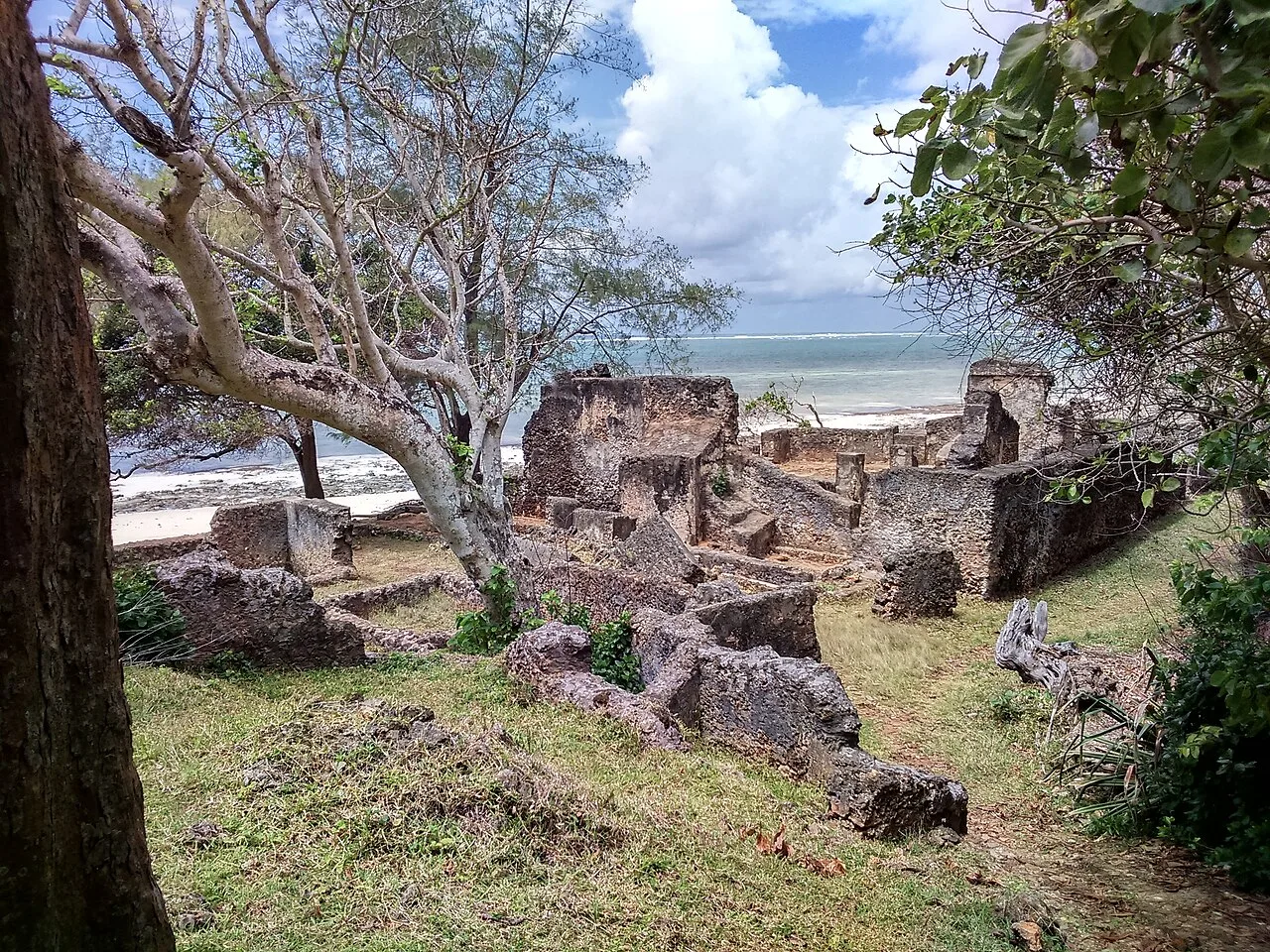
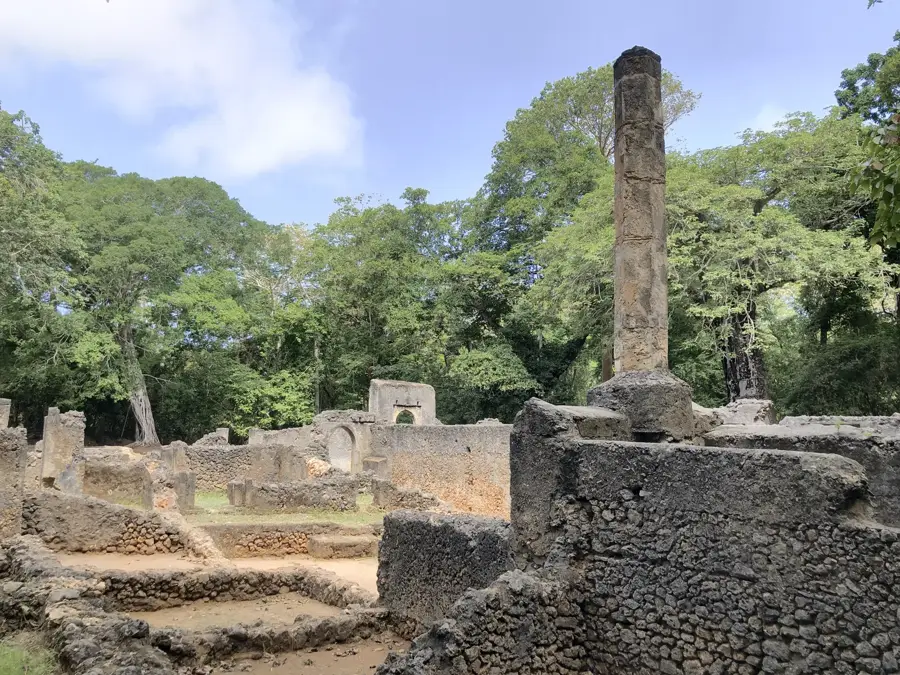
The Gedi Ruins represent the profound, haunting remains of a highly sophisticated Swahili urban settlement located deep within the lush Arabuko-Sokoke Forest on the Kenyan coast. Founded in the 13th century and mysteriously abandoned in the early 17th century, the city was entirely constructed from coral rag stone. The extensive ruins reveal a highly advanced society, featuring a massive palace, numerous elaborate mosques, and a complex network of sunken pillar tombs and sunken courtyards. Most impressively, the city utilized a highly engineered water management system with deep wells and indoor plumbing. Extensive archaeological excavations in the mid-20th century unearthed Ming Dynasty porcelain and Venetian glass, proving Gedi was a massively wealthy node in the global Indian Ocean trade network.
- Location: Kenya
- Top sights: Arabuko Waterhole · Mida Creek Boardwalk · Safari Blue
- Nearby: Watamu (5 km)
Best time to visit & climate
The most pleasant time to visit is Jul–Sep.
| Jan | Feb | Mar | Apr | May | Jun | Jul | Aug | Sep | Oct | Nov | Dec | |
|---|---|---|---|---|---|---|---|---|---|---|---|---|
| Avg °C | 28 | 28 | 28 | 28 | 27 | 26 | 25 | 25 | 26 | 26 | 27 | 28 |
| Rain mm | 26 | 15 | 60 | 119 | 192 | 67 | 33 | 28 | 38 | 101 | 118 | 79 |
📋 Practical info
Geography
Facts
- Founded in the 13th century and mysteriously abandoned by the 17th century.
- Located within the dense coastal vegetation of the Arabuko-Sokoke Forest.
- The entire ancient city was constructed using locally mined coral rag stone.
- Features highly advanced ancient plumbing, including indoor toilets and deep wells.
- Excavations revealed Ming Dynasty porcelain and Venetian beads, proving global trade links.
- The site features a massive Great Mosque and a sprawling central palace complex.
- Extensively excavated and gazetted as a national monument in the late 1940s.
Explore nearby
Notable places around


Route planner — Car & Motorhome
Where do you start? We build the route here, with stops and country notes along the way.
© OpenStreetMap contributors · OpenRouteService
Sights in the town Gedi Ruins (5)
Sights nearby
Frequently asked questions
How much is the entrance fee for Gedi Ruins?
Are guided tours available?
What are the opening hours?
Do I need to watch out for monkeys?
How long does a visit take?
Gedi Ruins: where is it located?
Gedi Ruins: what is there to see?
Gedi Ruins: when is the best time to visit?
Gedi Ruins: why is it worth visiting?

Nearby cities



History & landmarks

Nature
More places