Plizio Visual Lab
Gede
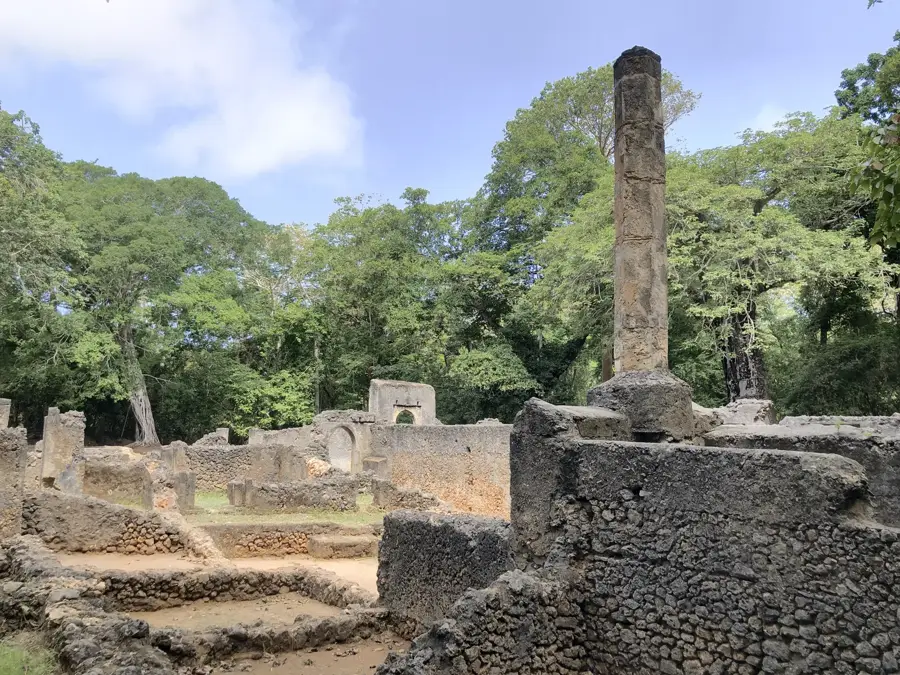
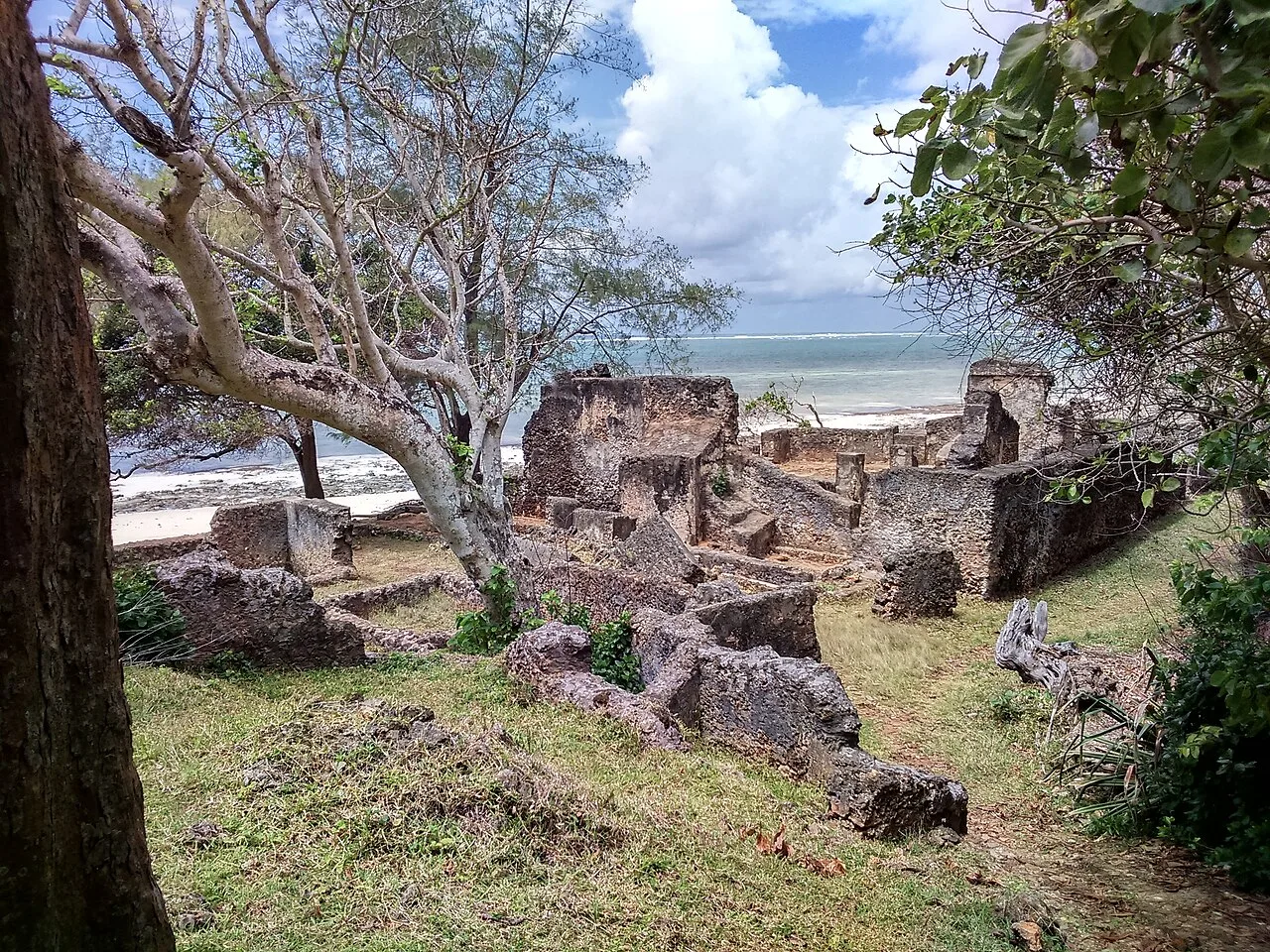
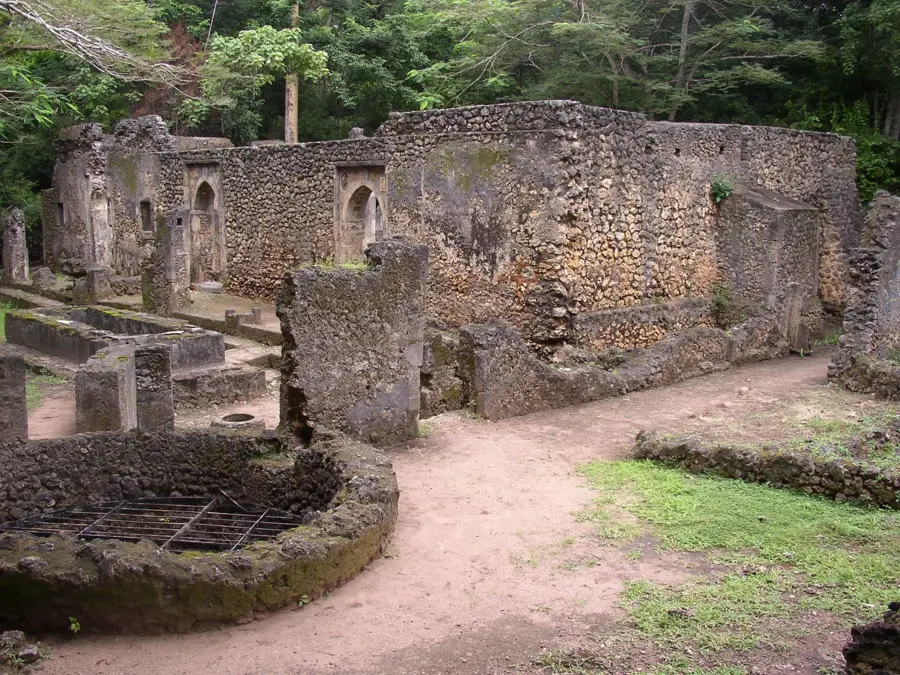
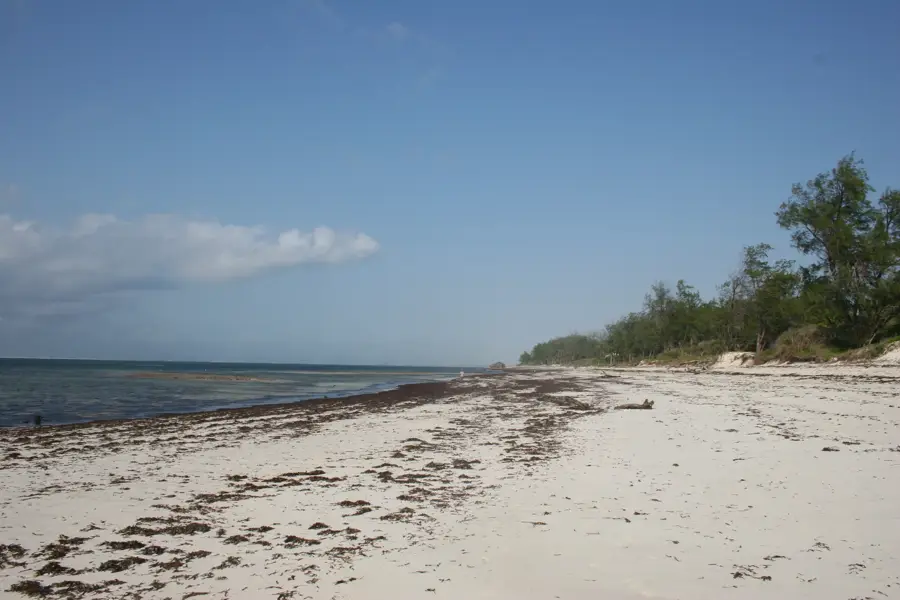
Gede (or Gedi) is one of East Africa's most significant and mysterious archaeological sites. These 13th-century ruins represent a sophisticated Swahili town complete with mosques, a palace, and coral-stone houses. Mysteriously, the city was suddenly abandoned in the 17th century, with no historical records explaining why. Today, the ruins are surrounded by a lush, dense forest, giving the site a magical and "lost city" atmosphere. Visitors can wander through the ancient corridors and admire advanced features like indoor plumbing and water storage systems. The ruins are currently home to numerous friendly monkeys and giant baobab trees that tower over the structures. An onsite museum displays artifacts such as Chinese porcelain and Persian glass beads, proving the city's extensive global trade links. Nearby local markets offer traditional Giriama crafts and carvings. The best time to visit is during the dry months from July to September. Gede is located along the main road between Mombasa and Malindi and is easily accessible by taxi or bus. It is for history buffs and nature lovers who want to explore the mystical side of the Kenyan coast away from the beaches.
- Location: Kenya
- Top sights: Gede Ruins · Simba wa Kale Suites & Beach
- Nearby: Uyombo (10 km)
Best time to visit & climate
The most pleasant time to visit is Jul–Sep.
| Jan | Feb | Mar | Apr | May | Jun | Jul | Aug | Sep | Oct | Nov | Dec | |
|---|---|---|---|---|---|---|---|---|---|---|---|---|
| Avg °C | 28 | 28 | 28 | 28 | 27 | 26 | 25 | 25 | 26 | 26 | 27 | 28 |
| Rain mm | 26 | 15 | 60 | 119 | 192 | 67 | 33 | 28 | 38 | 101 | 118 | 79 |
📋 Practical info
Geography
Facts
- Ancient Swahili ruins
- Mysterious abandonment of the city
- Surrounded by a lush forest
- Many friendly monkeys on site
- Giant ancient baobab trees
- Advanced ancient plumbing
- Museum with trade artifacts
- Former wealthy trading hub
Explore nearby
Notable places around

Route planner — Car & Motorhome
Where do you start? We build the route here, with stops and country notes along the way.
© OpenStreetMap contributors · OpenRouteService
Sights in the town Gede (2)
Sights nearby
Frequently asked questions
Gede: where is it located?
Gede: what is there to see?
Gede: when is the best time to visit?
Gede: why is it worth visiting?

Nearby cities




History & landmarks
Nature
More places