Plizio Visual Lab
Jumba la Mtwana
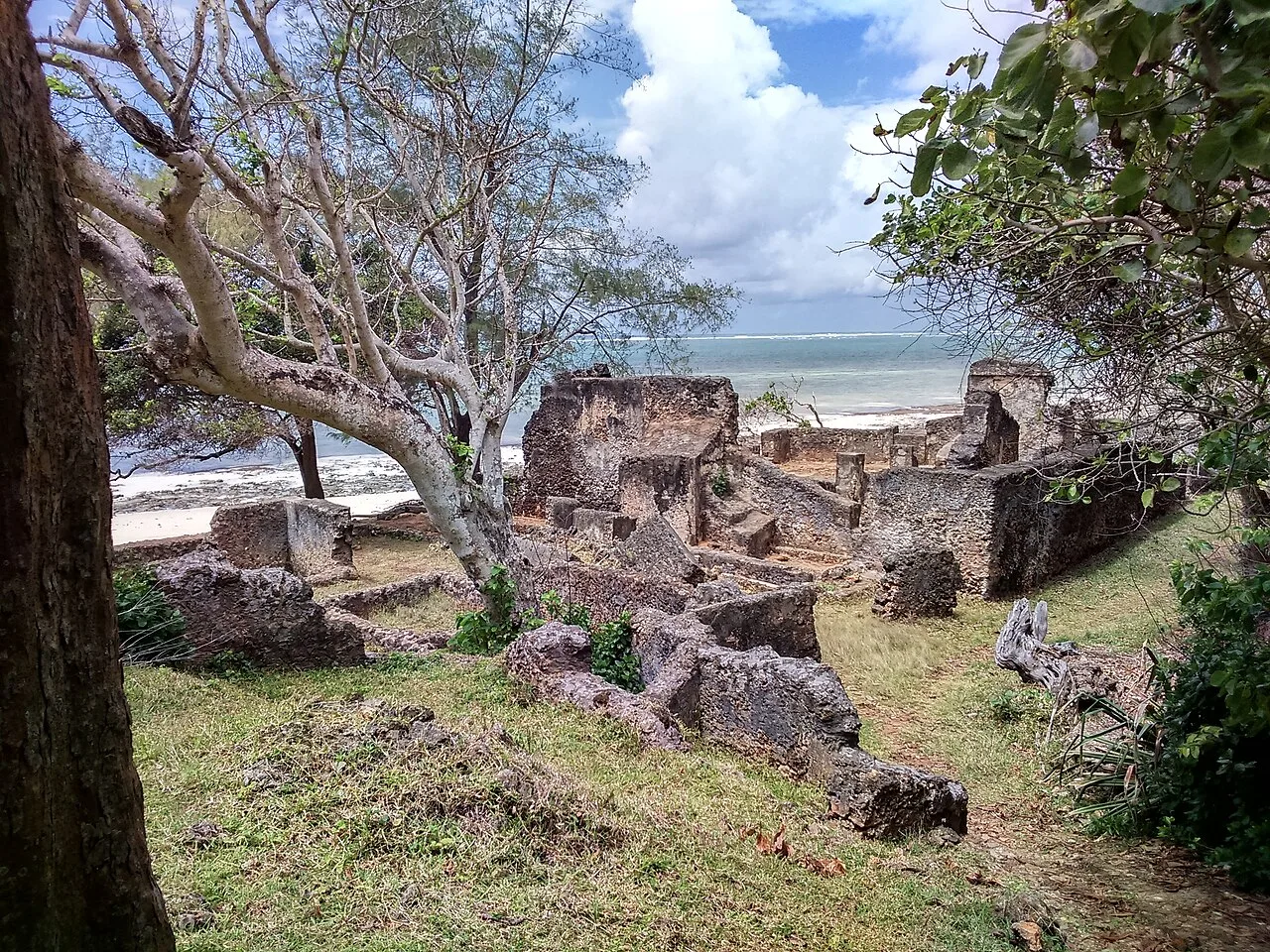
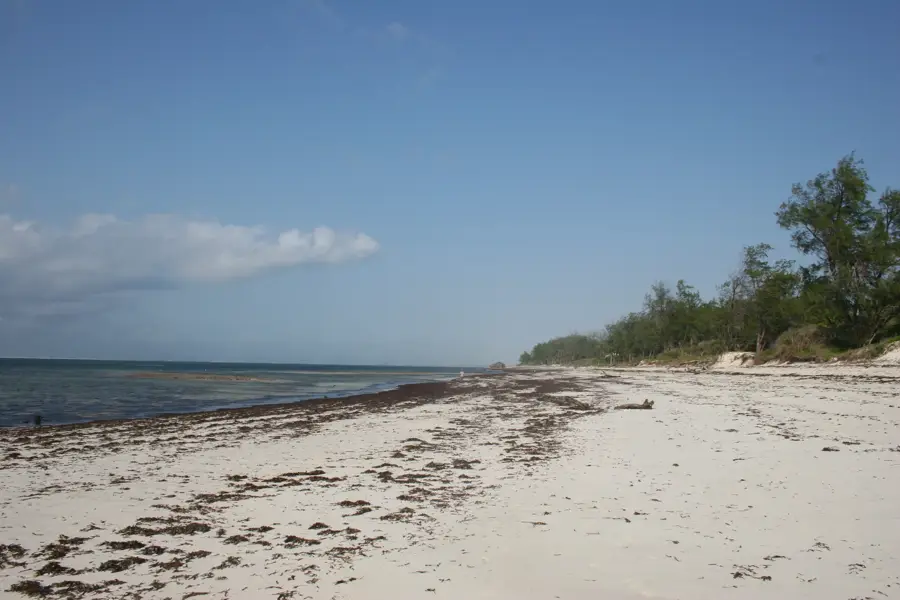
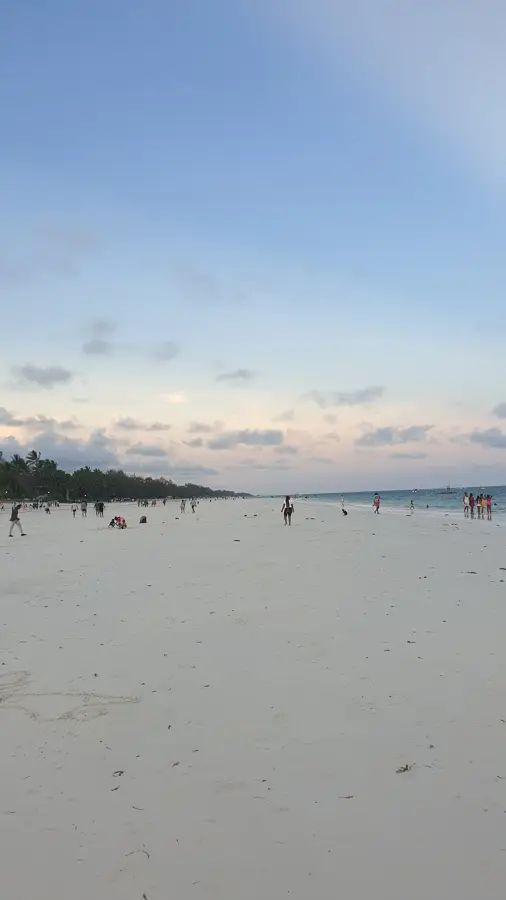
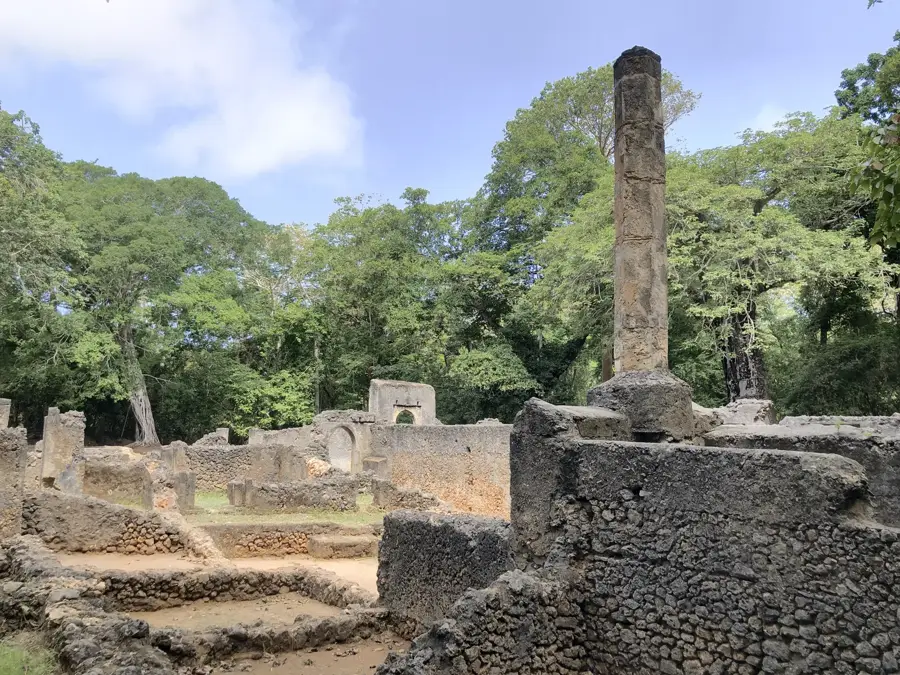
Jumba la Mtwana is a highly evocative archaeological site located just north of Mombasa, featuring the ruined remains of a substantial Swahili trading settlement from the 14th century. The name roughly translates to 'the large house of the slave' in Swahili, hinting at the darker aspects of the historical Indian Ocean trade. The site is uniquely situated directly on the beachfront, shaded by massive, ancient baobab trees. The ruins include the heavily eroded remnants of four mosques, numerous coral stone houses, and elaborate pillar tombs, indicating a highly prosperous Islamic community. Curiously, like Gedi, the settlement was completely and mysteriously abandoned in the 15th century. Today, it provides a highly atmospheric, less-crowded alternative to the more famous coastal ruins, closely managed by the National Museums.
- Location: Kenya
- Top sights: Jumba Ruins · Shanzu beach · Mombasa Continental Resort
- Nearby: Nyali (10 km)
Best time to visit & climate
The most pleasant time to visit is Jul–Sep.
| Jan | Feb | Mar | Apr | May | Jun | Jul | Aug | Sep | Oct | Nov | Dec | |
|---|---|---|---|---|---|---|---|---|---|---|---|---|
| Avg °C | 27 | 27 | 28 | 28 | 28 | 26 | 25 | 25 | 25 | 26 | 27 | 28 |
| Rain mm | 29 | 18 | 73 | 145 | 219 | 73 | 37 | 31 | 41 | 109 | 121 | 78 |
📋 Practical info
Geography
Facts
- A ruined 14th-century Swahili trading settlement located just north of Mombasa.
- The name loosely translates from Swahili as 'the large house of the slave'.
- The site was mysteriously completely abandoned by its inhabitants in the 15th century.
- Features the distinct coral stone ruins of four mosques and numerous pillar tombs.
- Uniquely situated directly on the beachfront, heavily shaded by ancient baobab trees.
- Excavations revealed evidence of a highly prosperous, devoutly Islamic trading community.
- Gazetted as a highly protected national monument in 1982.
Explore nearby
Notable places around

Route planner — Car & Motorhome
Where do you start? We build the route here, with stops and country notes along the way.
© OpenStreetMap contributors · OpenRouteService
Sights in the town Jumba la Mtwana (4)
Sights nearby
Frequently asked questions
What does the name Jumba la Mtwana mean?
Where are these ruins located?
Are the ruins accessible?
Can you go swimming there too?
Is there a restaurant on site?
Jumba la Mtwana: where is it located?
Jumba la Mtwana: what is there to see?
Jumba la Mtwana: when is the best time to visit?
Jumba la Mtwana: why is it worth visiting?

Nearby cities
History & landmarks
More places