Medieval Days of the Order of Santiago
Around 15 August Uclés stages a medieval market and performances around the Monastery of Santiago, evoking the history of the Order of Santiago.
PlizioGo
Try the local sheep's cheese from the Cuenca region, often served with homemade quince paste.
A traditional Castilian garlic soup that is especially delicious on cooler days in the village inns.
The area has its own Designation of Origin (D.O. Uclés); try a local red wine with your meal.
Find religious art, local guides, and sometimes sweets made by nuns from the region.
Visit small wineries in the surrounding area to buy D.O. Uclés wines directly from the producers.
Look for small shops in the village occasionally selling ceramics and wickerwork from the province.
The interior courtyard of the monastery is a place of absolute silence and architectural beauty.
A quiet walking path just outside the village leading to a historical spring.
A walk along the old walls in the evening features peace and a golden view over the fields.
Water temperature…
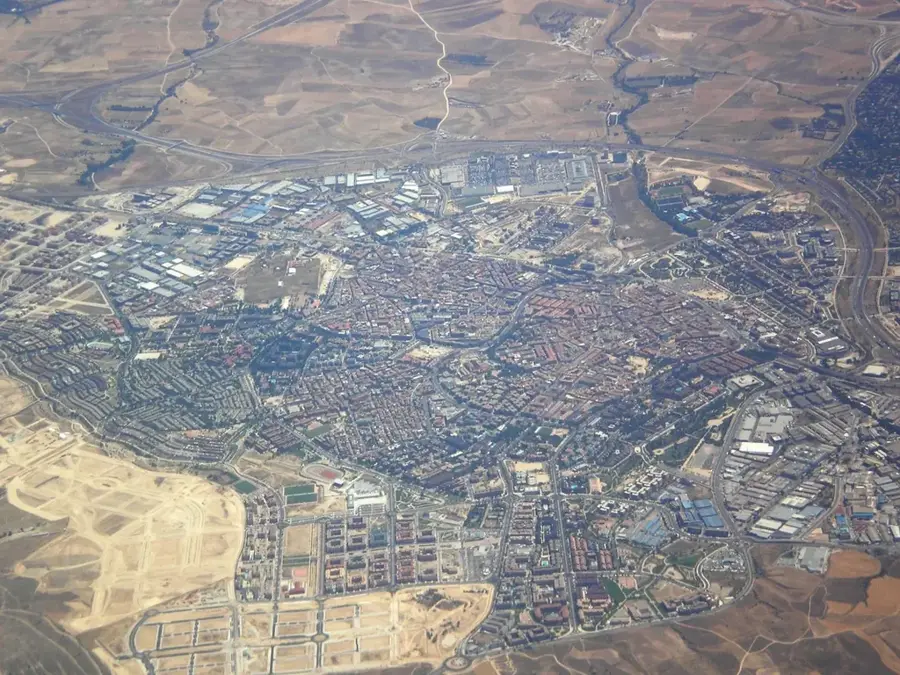
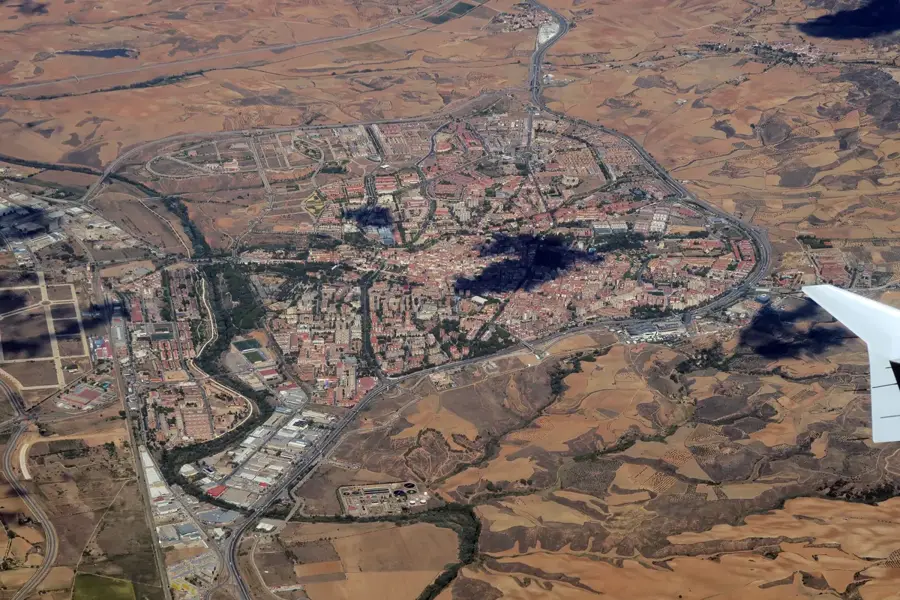
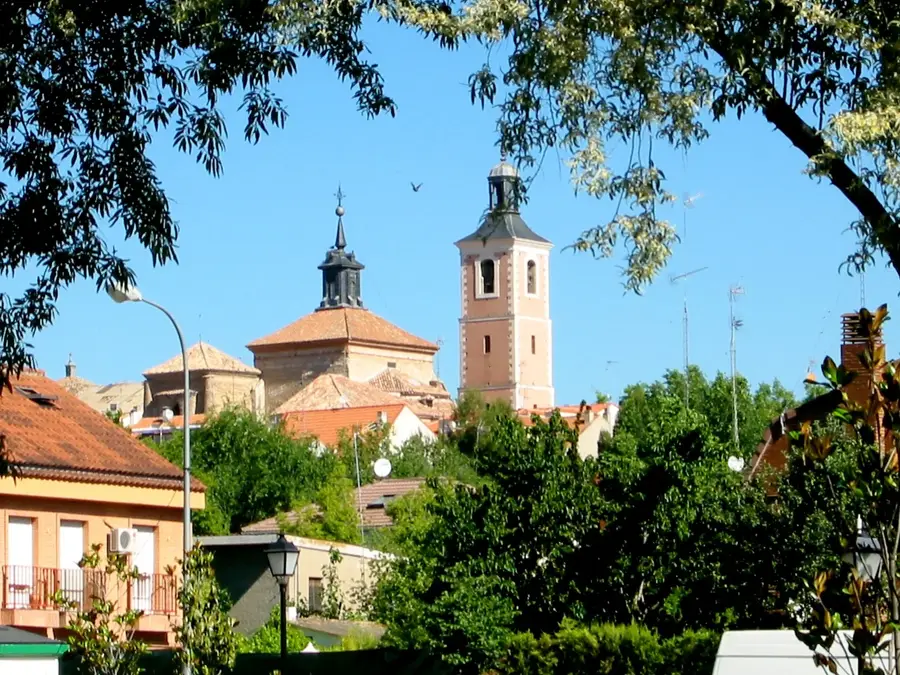
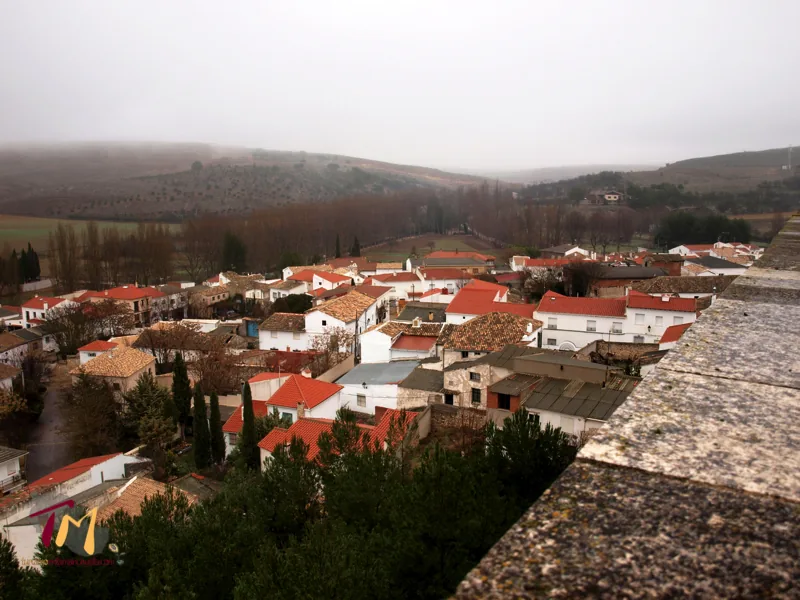
Uclés is a small but historically significant municipality in the province of Cuenca, within the Castile-La Mancha region. The village is internationally renowned for its monumental monastery, often referred to as the 'Escorial of La Mancha'. This imposing architectural complex served for centuries as the headquarters of the Order of Santiago and represents a masterpiece of Spanish Renaissance and Baroque styles. Perched on a hill overlooking the village, the monastery includes an impressive church and a grand cloister with intricate stonework. The origins of Uclés date back to Roman times, and during the Middle Ages, it was the site of major battles between Christians and Moors, most notably the Battle of Uclés in 1108. Beyond the monastery, the village preserves remnants of its medieval walls and three of its original gates. The surrounding landscape is a typical Castilian agricultural area dominated by cereal fields and vineyards. Despite its small current population, Uclés remains an important cultural and spiritual center, attracting many pilgrims and history enthusiasts. Its architecture stands as a testament to the former power and wealth of the Order of Santiago.
The most pleasant time to visit is Jun, Aug, Sep.
| Jan | Feb | Mar | Apr | May | Jun | Jul | Aug | Sep | Oct | Nov | Dec | |
|---|---|---|---|---|---|---|---|---|---|---|---|---|
| Avg °C | 4 | 5 | 8 | 12 | 16 | 22 | 26 | 25 | 20 | 15 | 8 | 5 |
| Rain mm | 28 | 32 | 45 | 49 | 38 | 20 | 8 | 13 | 26 | 54 | 44 | 31 |
Notable places around
Where do you start? We build the route here, with stops and country notes along the way.
© OpenStreetMap contributors · OpenRouteService
Start your day in the quiet Plaza Mayor before braving the steep but rewarding climb to the imposing Monastery and Castle of Uclés. After lunch, explore the ancient town walls and discover hidden corners of the village, like the small agricultural museum. End your day with a moment of peace at the Hermitage of Las Angustias, enjoying the tranquil atmosphere of this historic place.
Start the morning under the arches of Plaza Mayor and at the Fountain of the Five Spouts, where water flows from everywhere today. The wet stones glisten in the grey light of La Mancha. At noon, the monumental Monastery of Uclés provides the perfect refuge. The spacious cloisters and the church keep you dry while you explore the 'Escorial of La Mancha'. In the afternoon, a short, rainy walk leads to the city walls and the ancient granary. The museum in the Pósito is an ideal place to escape the weather for a while. End the day at the Hermitage of Las Angustias. The walk back to the Plaza leads through narrow streets where the echo of raindrops resonates on the old tiles.
The winter morning in Uclés starts with frosty air in Plaza Mayor. The Fountain of the Five Spouts steams in the first sunlight as the village slowly awakens. At noon, seek out the thick walls of the monastery. The interiors preserve a cool but wind-protected silence, ideal for admiring the architecture without the summer heat. In the afternoon, head to the city wall. The view over the wintry, brown plain of La Mancha is clear and stretches for miles before the sun disappears early behind the horizon. The day ends at the hermitage as twilight sets in by 5 PM. The return to Plaza Mayor happens as the cold intensifies, sparking a craving for a hot chocolate.
Explore Uclés on two wheels. Start in the Plaza Mayor and cycle to the village's smaller sights before tackling the challenging climb to the monastery. The stunning views from the top are worth the effort. After descending, ride alongside the ancient town walls and finish your tour with a sense of accomplishment and a deep appreciation for the history of La Mancha.
A rainy cycling day starts at Plaza Mayor. The tires find little grip on the wet pavement, so ride carefully towards the ancient granary. At noon, the monastery is the saving station. Here you can park your bike safely and regenerate during a long tour of the Gothic halls. In the afternoon, the route leads to the city wall. The mud on unpaved paths makes progress harder but rewards you with dramatic cloud displays over the plain. The day ends at the Fountain of the Five Spouts. The sound of the fountain mixes with the patter of rain before you take the short ride back to the starting point.
A cool winter day on the bike starts at Plaza Mayor. The air is dry and cutting, making the climb to the granary a sweaty but warming exercise. At noon, you reach the monastery. Park in the lee of the massive walls and enjoy the silence. The cold inside is noticeable, so keep moving. In the afternoon, head across the wind-swept plain along the city walls. The bare landscape of La Mancha looks almost surreal in the winter light, offering endless photo opportunities. The day ends early at the fountain. When the sun is low, the air cools down immediately. Hurry on the last kilometer to get to your accommodation before the frost sets in.
Travel to Uclés by car and experience history firsthand. Park your vehicle and let the ancient streets be your guide. The day revolves around a single walking cluster, starting in the Plaza Mayor and ascending to the majestic monastery. After descending, explore the medieval walls and the village center. The car serves only as the means to get to this timeless place; the real discovery happens on foot.
A relaxed rainy day starts with finding a parking spot near Plaza Mayor. The car provides perfect shelter while you visit the Fountain of the Five Spouts. At noon, drive the short way up to the monastery. The monumental building looks even more imposing in the rain, and the parking right at the entrance saves you from long walks in the wet. In the afternoon, continue to the city wall and the Pósito. The car serves as a mobile base where you can warm up and dry off between short visits. The day ends at the Hermitage of Las Angustias. The view from the car window of the rainy landscape of Cuenca is soothing before you head home.
A frosty winter morning starts with scraping the windshield in Plaza Mayor. The heater is already running while you admire the historical architecture in the warm light. At noon, the monastery provides an impressive backdrop against the deep blue winter sky. Being flexible with the car, you can use the warmest hours for the outdoor areas. In the afternoon, the drive leads to the city wall. The clear winter air allows for far-reaching views from the climate-controlled interior over the barren highlands of Castile. The day ends at the hermitage as the thermometer is already dropping. Thanks to the car, the way back to the accommodation is warm and safe, no matter how strong the nightly frost gets.