Plizio Visual Lab
Wadi Araba
Weather…
Water temperature…
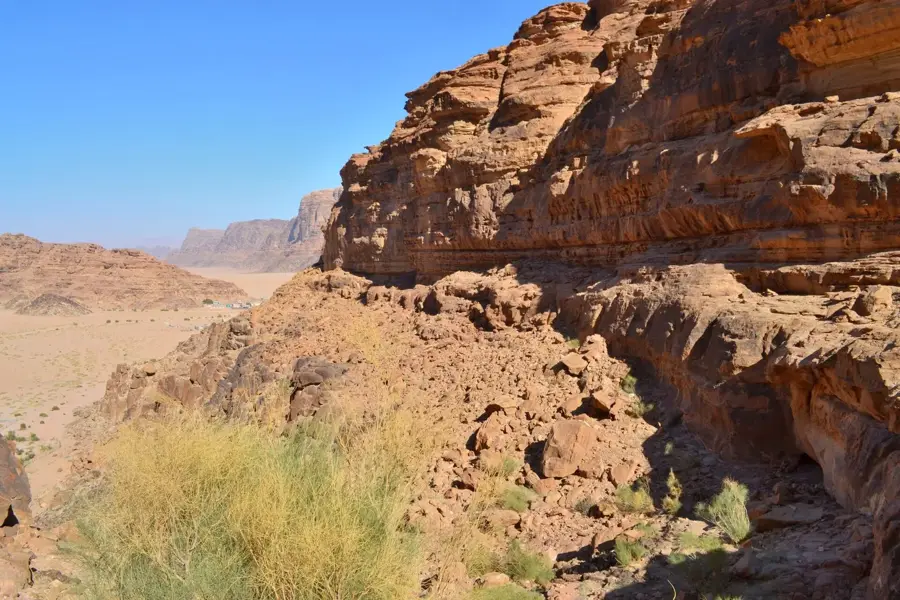
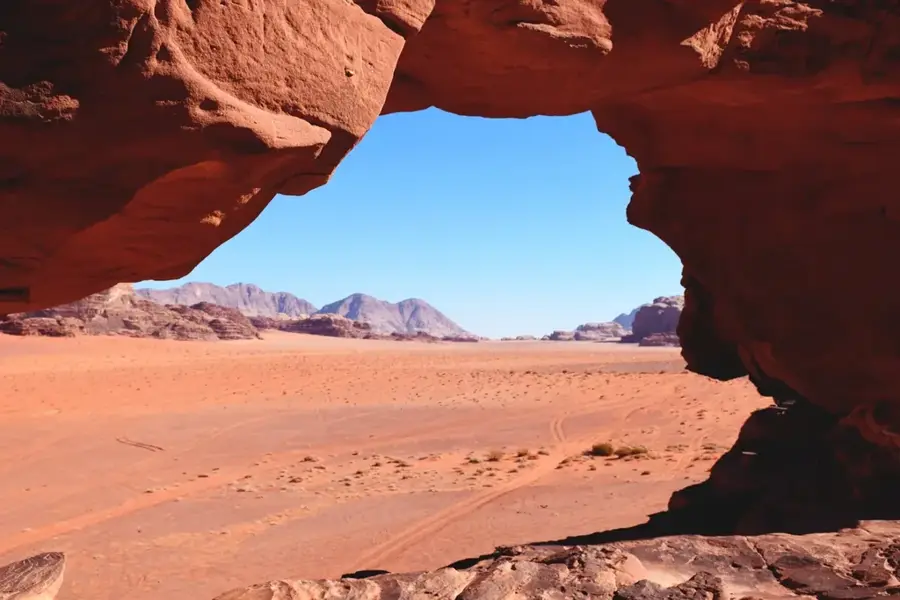
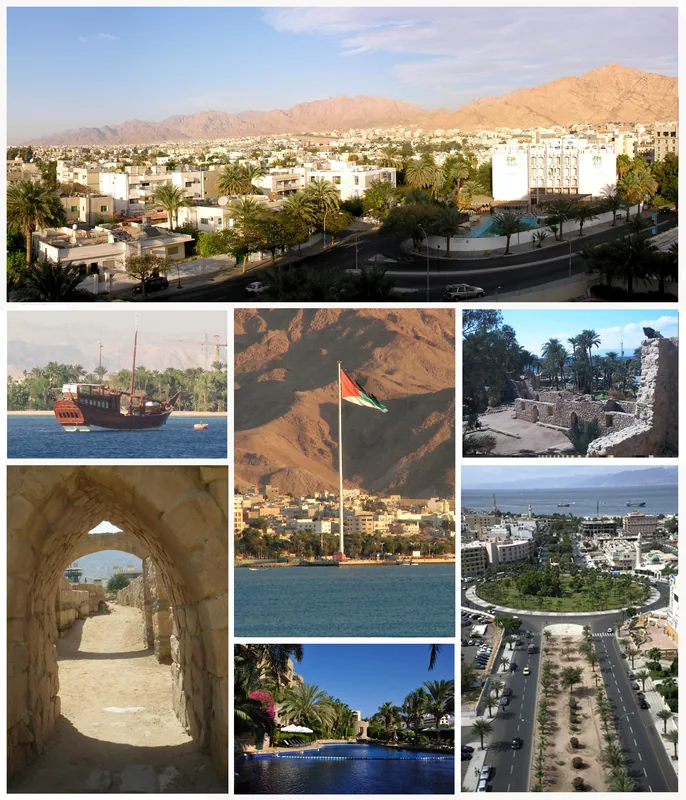
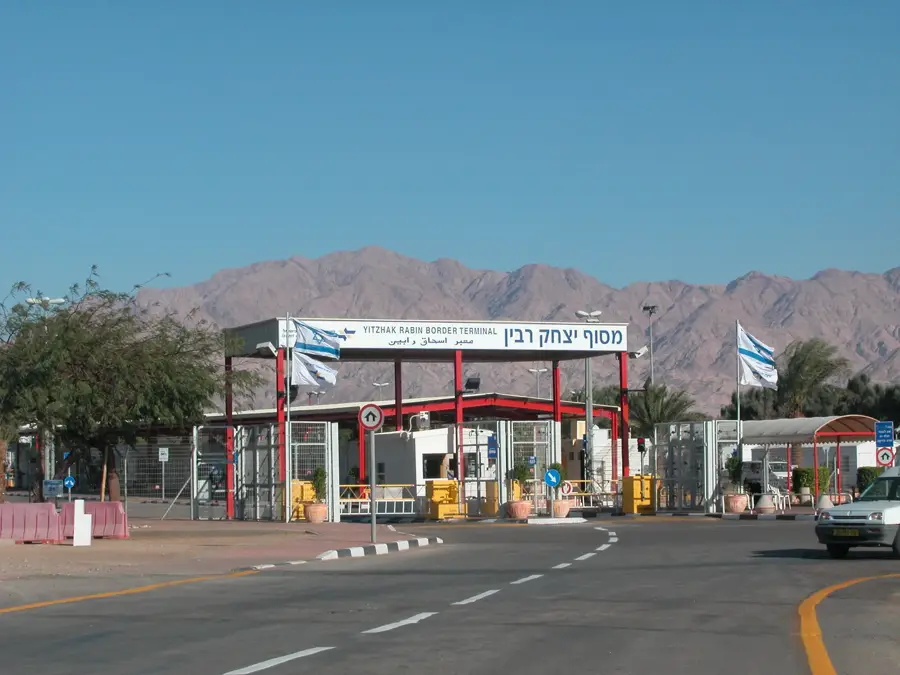
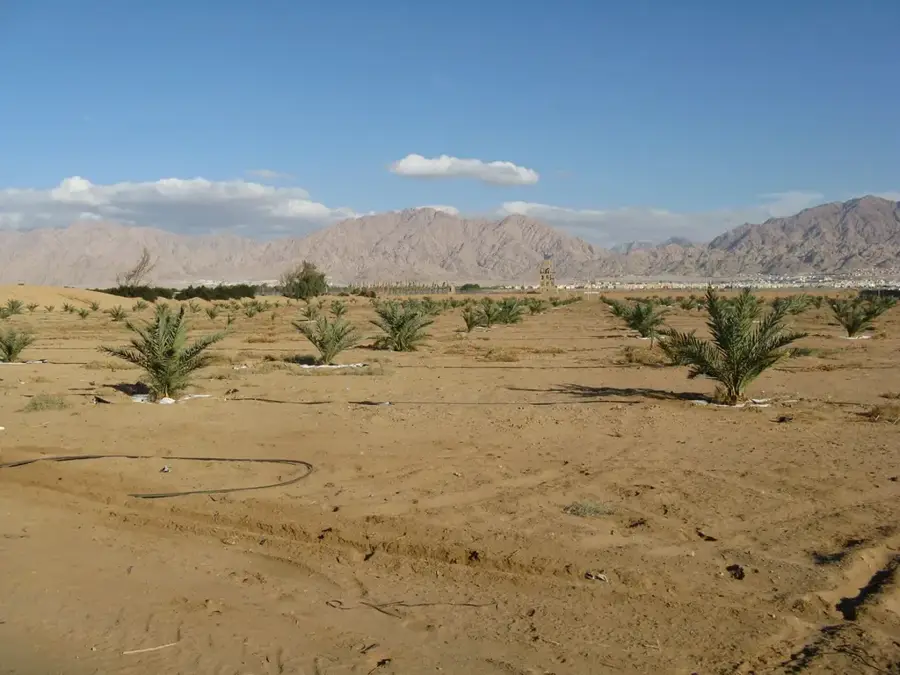
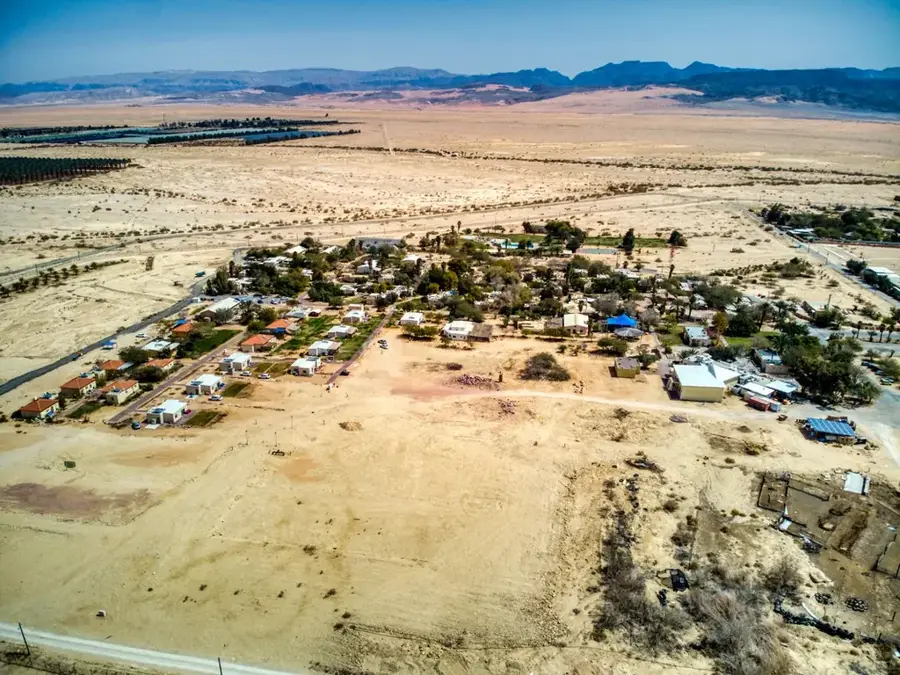
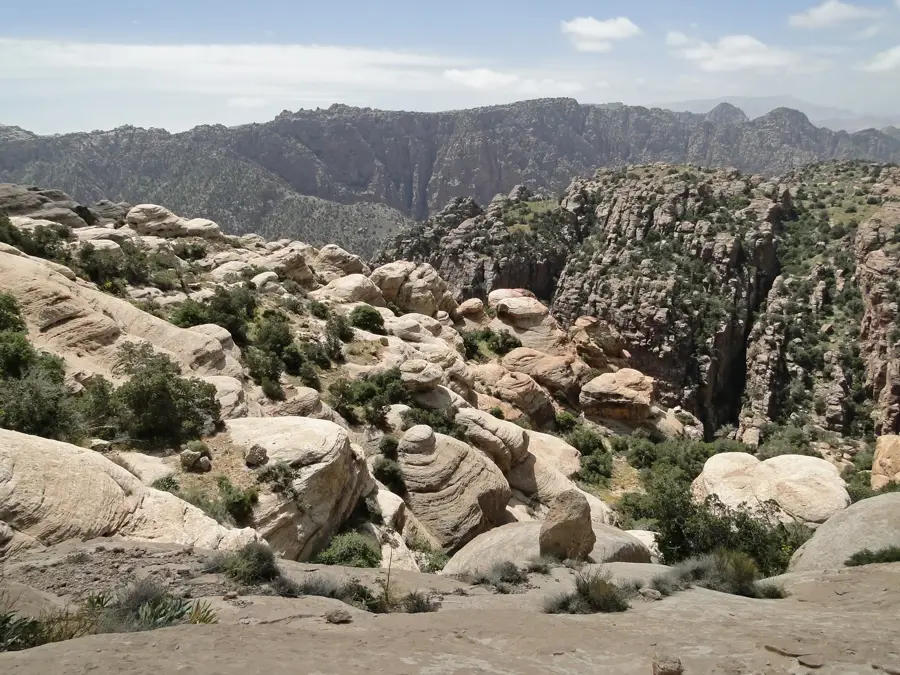
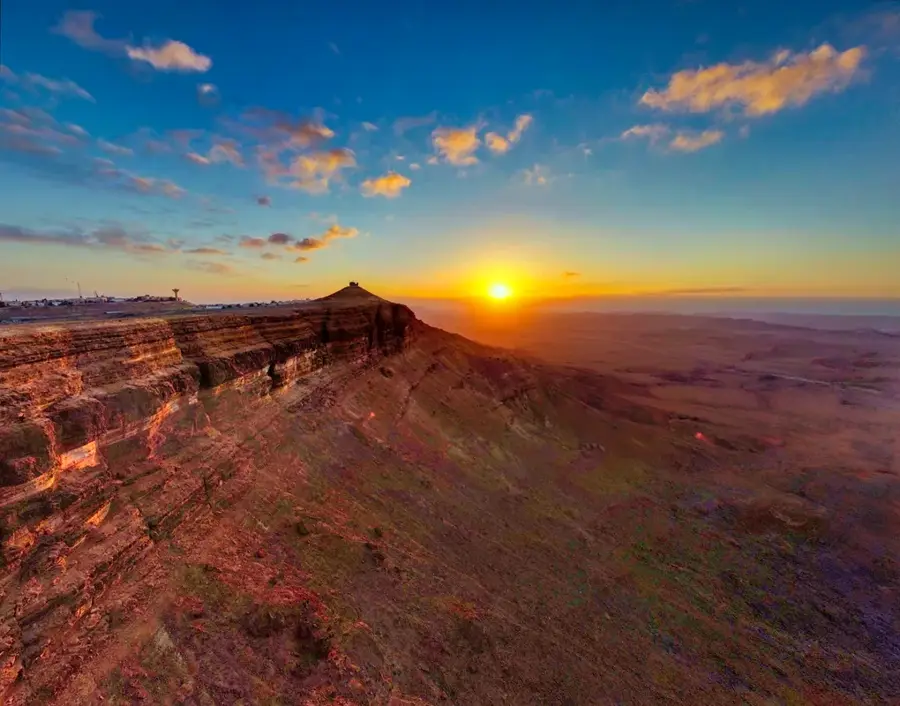
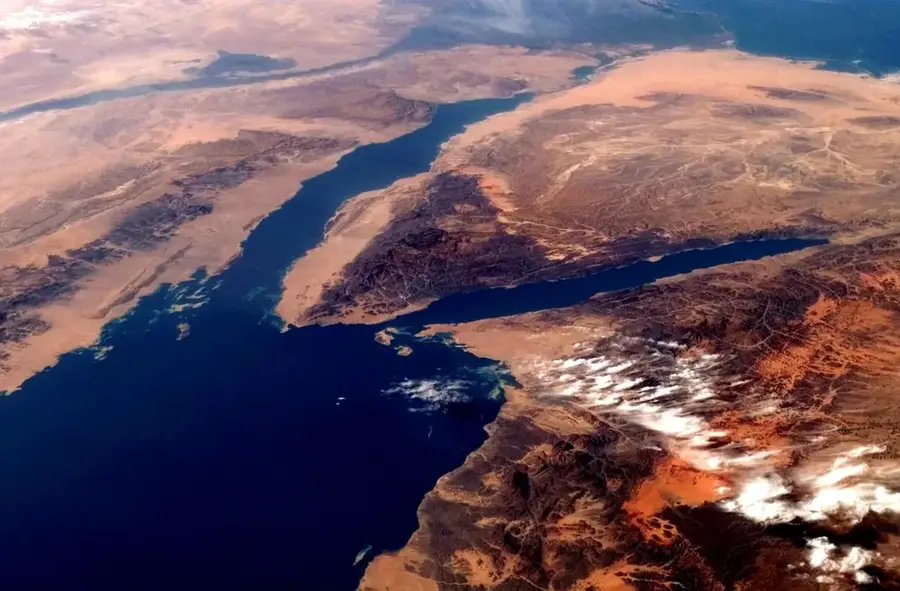
Wadi Araba is a vast rift valley extending 166 kilometers from the Dead Sea in the north to the Gulf of Aqaba in the south. It forms a significant segment of the Great Rift Valley system and serves as a natural border between Jordan and Israel. The region is characterized by an extremely arid climate, with annual precipitation levels often falling below 50 millimeters, resulting in a sparse but ecologically unique desert environment. Geologically, the valley is a tectonically active zone where the African and Arabian plates slide past each other along the Dead Sea Transform fault. Historically, Wadi Araba was a vital trade corridor and a major center for copper mining, particularly in the Faynan region, where operations date back to the Bronze Age. Today, the valley holds strategic importance for regional water management and conservation efforts, including the proposed Red Sea-Dead Sea Water Conveyance project. The terrain varies from expansive sand dunes and gravel plains to rugged mountain ranges lining its eastern and western flanks.
- Location: Jordan
- Nearby: Wadi Dhana / Feynan (44 km)
Best time to visit & climate
The most pleasant time to visit is Apr, May, Oct.
| Jan | Feb | Mar | Apr | May | Jun | Jul | Aug | Sep | Oct | Nov | Dec | |
|---|---|---|---|---|---|---|---|---|---|---|---|---|
| Avg °C | 10 | 12 | 16 | 20 | 24 | 27 | 28 | 28 | 26 | 23 | 17 | 12 |
| Rain mm | 17 | 19 | 9 | 7 | 2 | 0 | 0 | 0 | 6 | 6 | 9 | 10 |
📋 Practical info
Geography
Facts
- The valley spans a total length of approximately 166 kilometers
- Its width varies between 10 and 25 kilometers
- The lowest point reaches about -430 meters at the Dead Sea
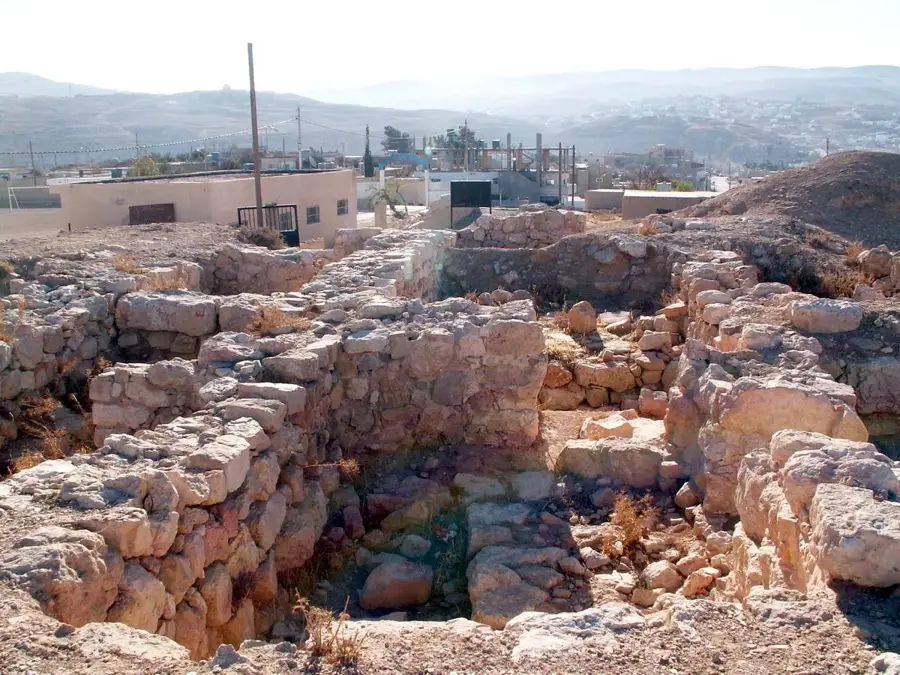
- Copper mines in Faynan were active over 4,500 years ago
- The Israel-Jordan peace treaty was signed here in 1994
- Summer temperatures regularly exceed 45 degrees Celsius
Explore nearby
Notable places around
Route planner — Car & Motorhome
Where do you start? We build the route here, with stops and country notes along the way.
© OpenStreetMap contributors · OpenRouteService
Sights in the town Wadi Araba (1)
Sights nearby
Frequently asked questions
What is Wadi Araba?
What is the climate like there?
Can you drive through the area?
What is there to see?
Is the area dangerous?
Wadi Araba: where is it located?
Wadi Araba: when is the best time to visit?
Wadi Araba: why is it worth visiting?

Nearby cities
History & landmarks
Nature
More places